
Fossils & Geology
Sometimes known as ‘Dinosaur Isle’, the Isle of Wight carries one of the most remarkable prehistoric stories in Britain, revealed through its cliffs, shorelines, and quietly dramatic landscapes. For many visitors, this ancient past is not just of interest, but a central reason for coming here.
On this page, you’ll find a considered selection of fossil and geology-focused options, each offering a different way to encounter the Island’s deep time. These can be explored on their own or woven together thoughtfully, guided by what most sparks your curiosity. Practicalities — including where to pause for lunch — are suggested lightly, simply to give a sense of what is possible.
As with all our tours, the experience is never prescribed. It takes shape through conversation, personal interests, and an unhurried pace, allowing the Island’s ancient story to unfold in a way that feels natural and entirely your own.
Possible tour components which you might want to include
South-West Wight
If our Island’s famous pre-history is something that you are drawn to, simply choose any of the options listed below that you would like to include in your tour and let us arrange everything for you. Lunch possibilities are numerous and include various types of eating establishment. For this reason, we have only made one suggestion for South-East and a very different one for the South-West, merely as examples of what could be on offer. We will discuss YOUR personal preferences when we speak.
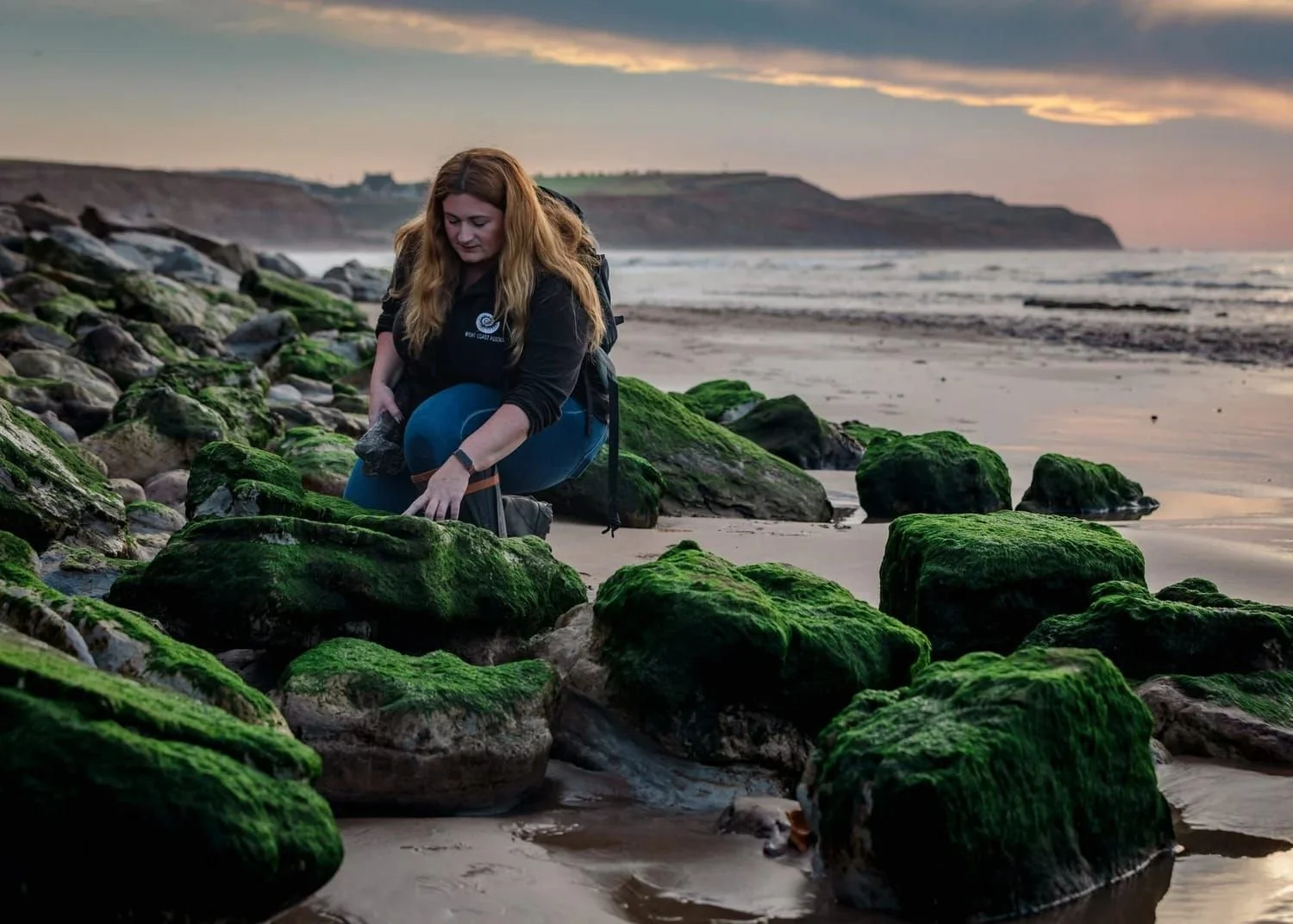
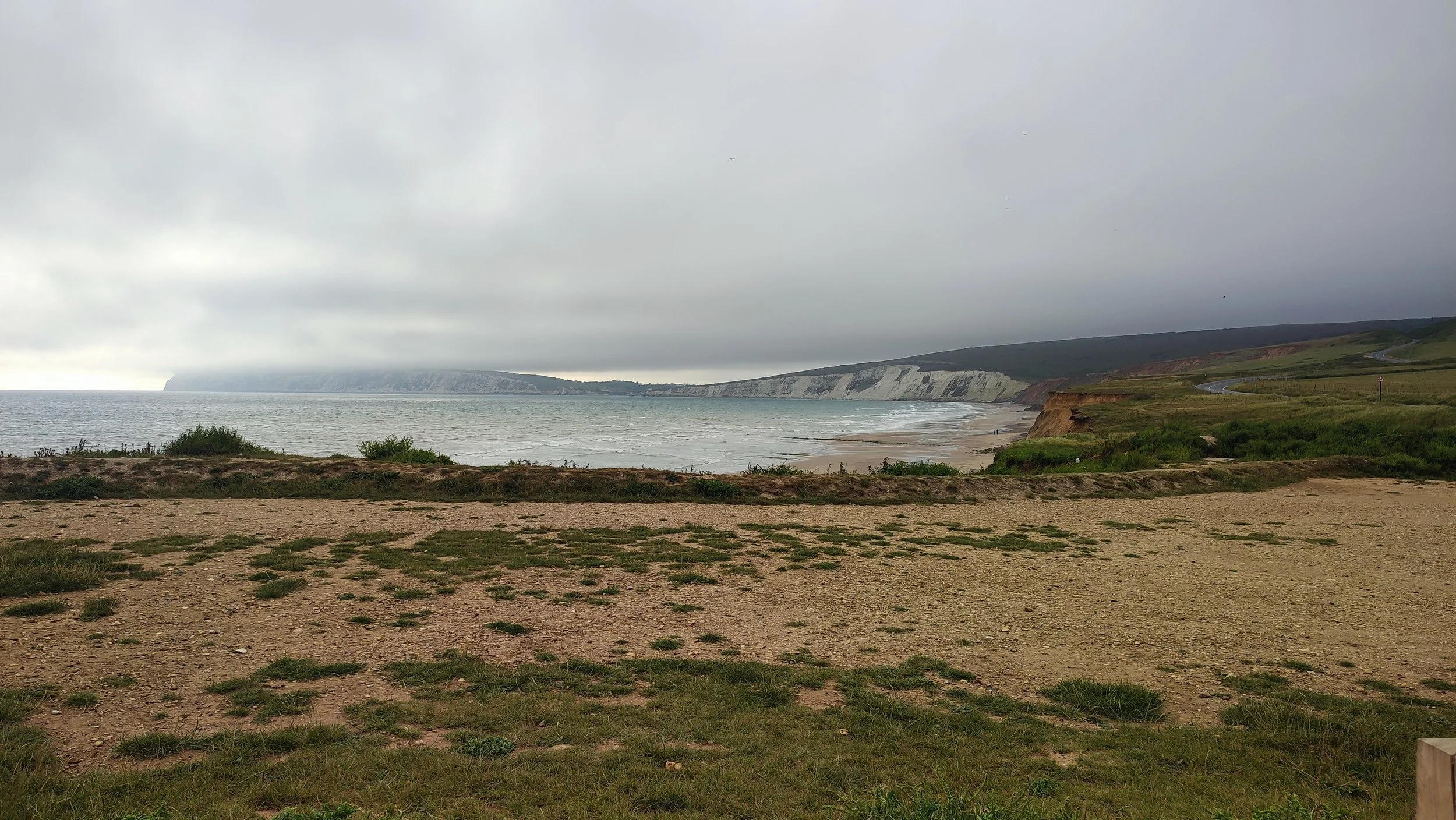
Option 1: Guided Compton Beach Fossil Walk
Let Megan Jacobs (right), Island fossil expert, guide you on a fascinating and informative beach walk. She will tell you everything you could possibly want to know about the incredible creatures who inhabited the south coast of our beautiful Island long before we did. If you are still eager to learn more – she may be able to sell you a copy or two of her amazing book entitled ‘Field Guide to Fossils and Geology of Isle of Wight’ (published by Medina Publishing, Cowes, 2026).
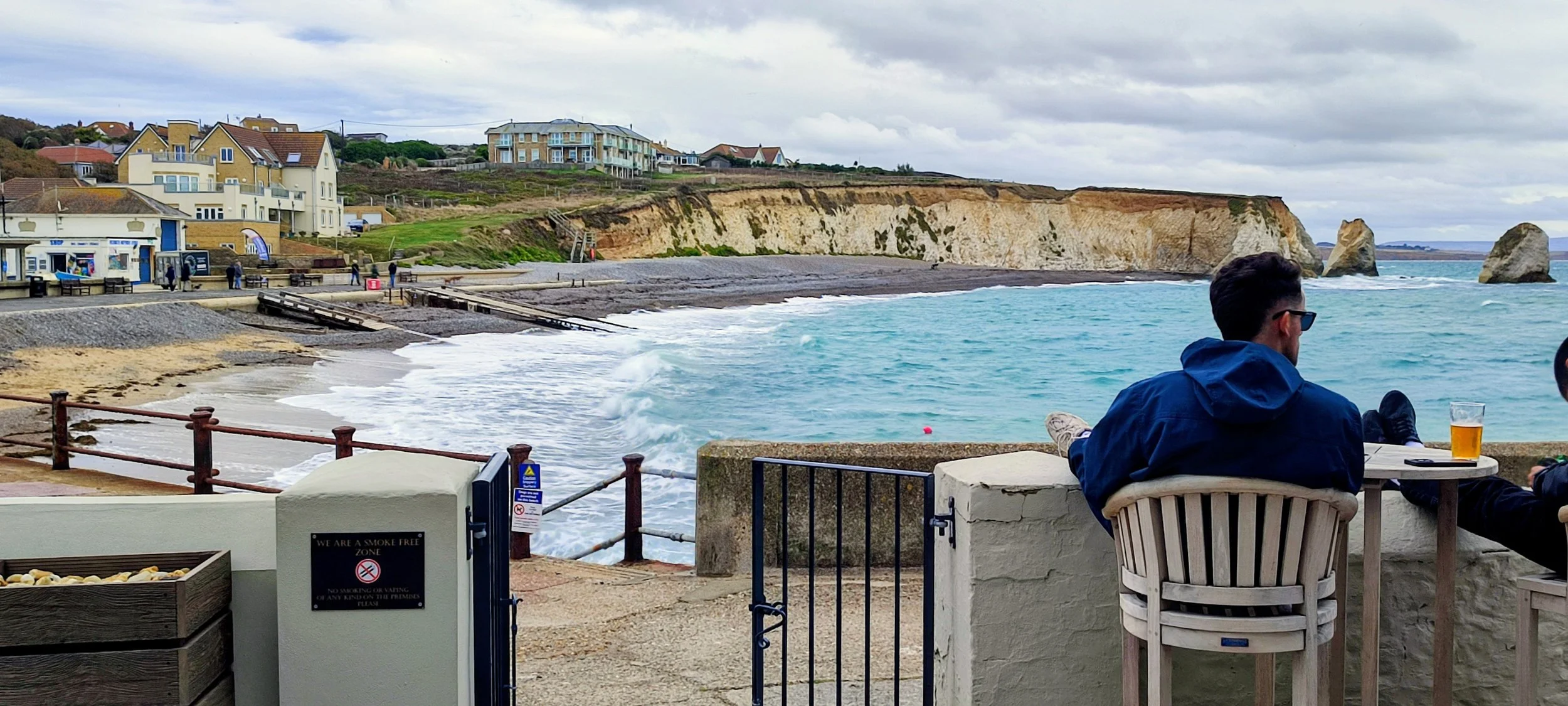
You may decide to lunch at The Rock, Freshwater Bay after or before your walk. This historic hotel has recently experienced a seven-million-pound makeover. We feel sure you will just love it! For additional information please see ‘Eat, Drink & Stay’.
N.B. If she is able, Megan may care to join you for lunch, if you would like to take advantage of hearing a bit more from her within a more social setting.
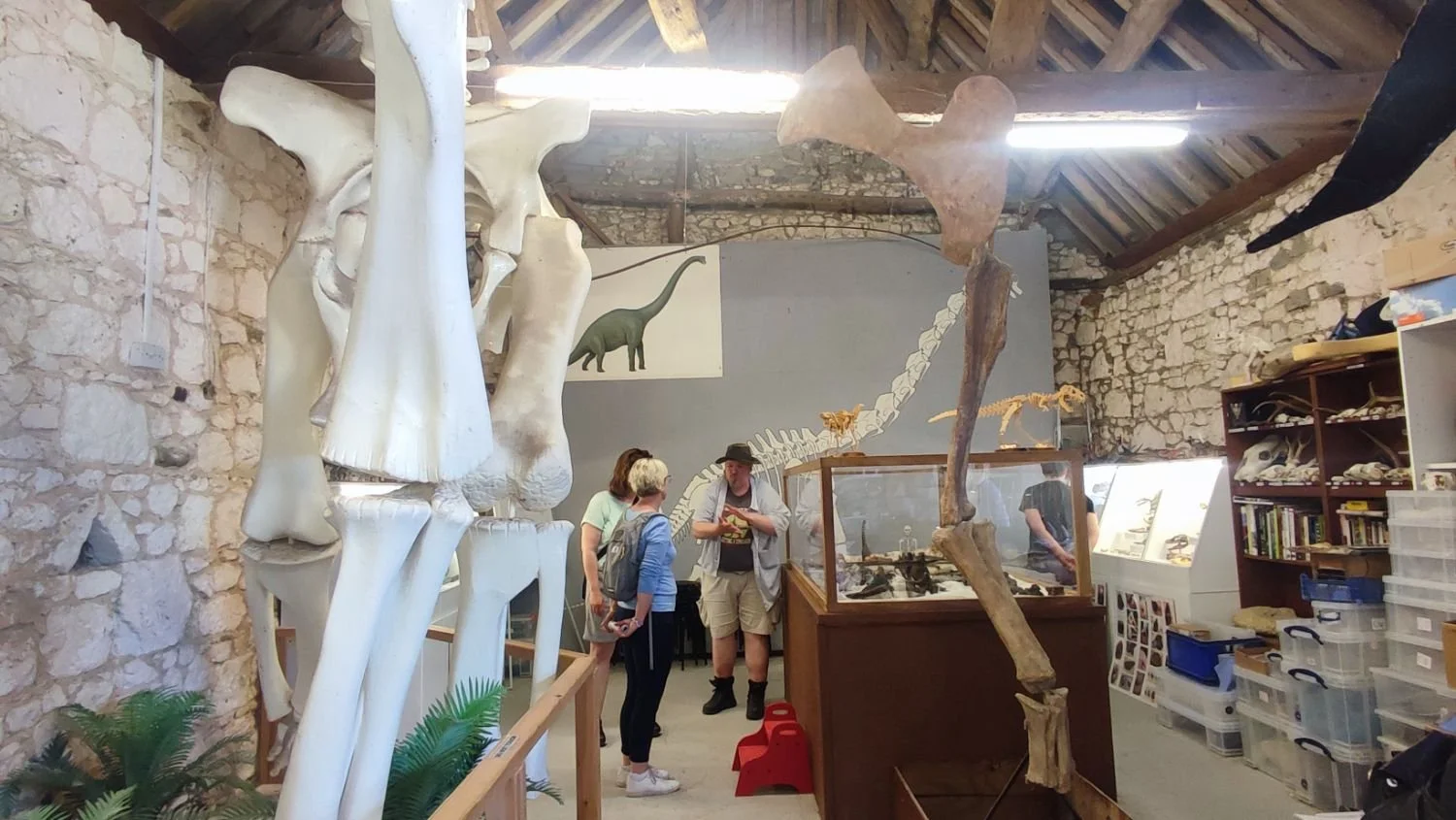
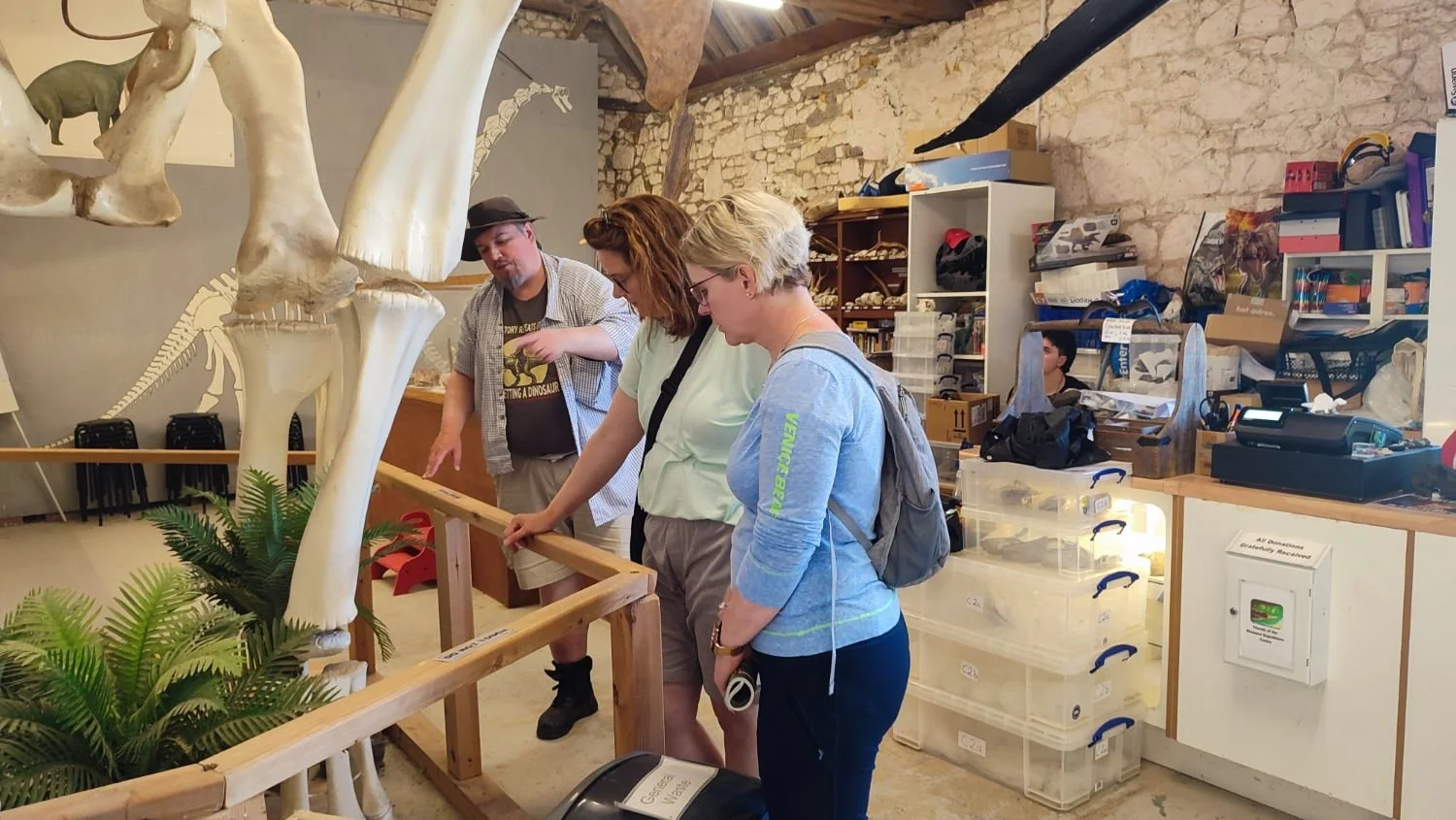
Option 2: Guided Tour of ‘Dinosaur Farm’ (Museum)
Museum Curator and palaeontologist Oliver Forde runs what was formerly called Dinosaur Farm, but is now officially known as the Dinosaur Expeditions, Conservation and Palaeoart Centre.
He collects and explains local dinosaur finds and co-founded the current centre after the original museum closed in 2010.
We have worked with him for many years and he is both informative and entertaining, making our clients enormously welcome and ensuring they have a really good visit.
If you would like, Oliver can also conduct a fossil hunt on the beach as well as an in-house guided tour of this small but highly significant and fascinating museum.
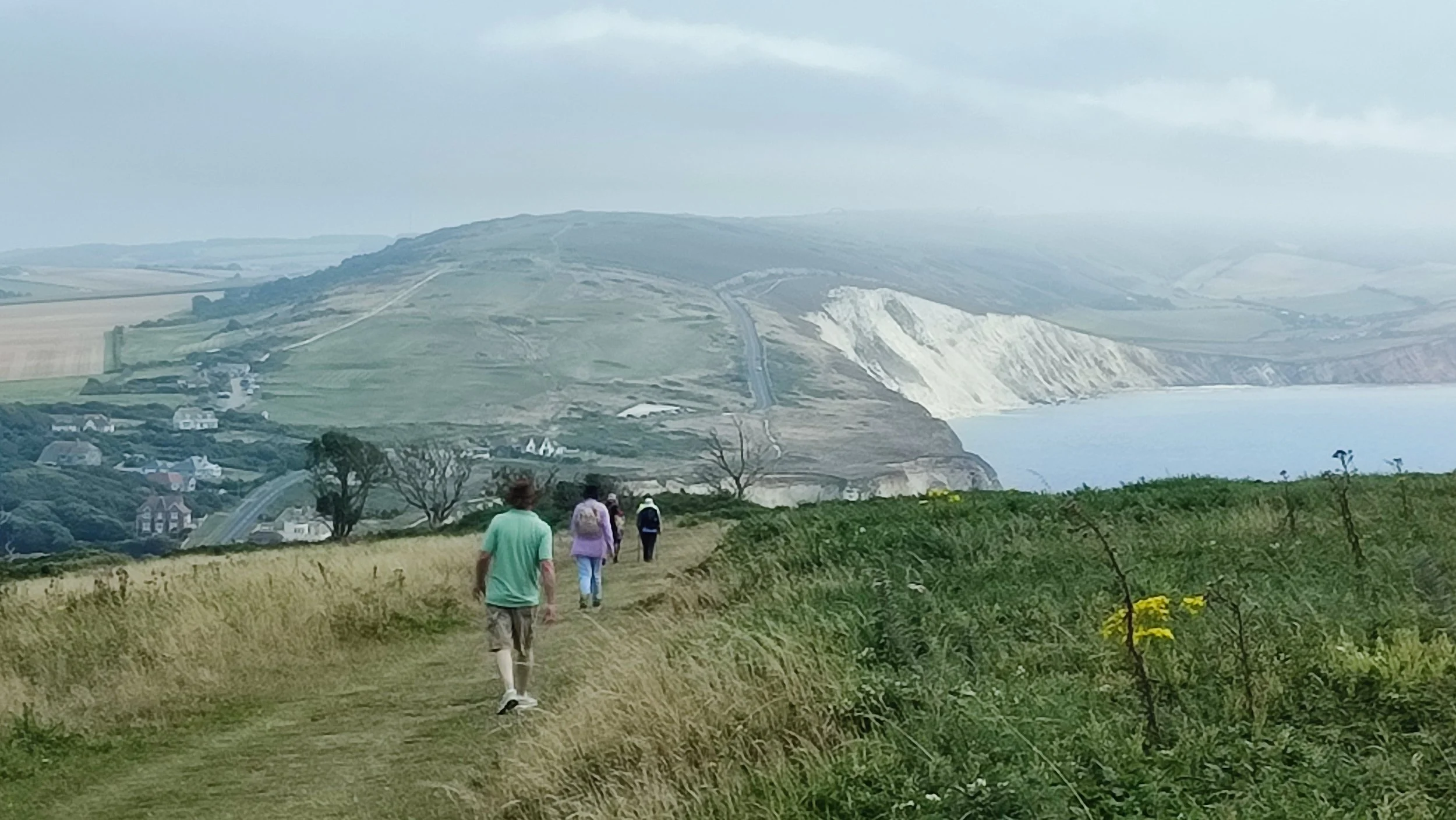
Option 3: Guided Walk over Tennyson down from Freshwater Bay to the Needles (or drive along the coastal road). See where the English Channel meets the Solent.
Walk the walk across Tennyson Down that poet laureate Alfred Lord Tennyson sometimes took twice a day. This is where where he referred to when he said “the air is worth sixpence a pint”. It is also where he wrote ‘The Charge of the Light Brigade’, and we might even quote you a line or two while we are up there, or let you do it!
Take a short breather at the Tennyson Monument, which stands at 147 metres above sea level. This is a Cornish granite Celtic cross erected by his family as a memorial to the great poet.
(Allow up to 2 hours for a leisurely-paced walk.)
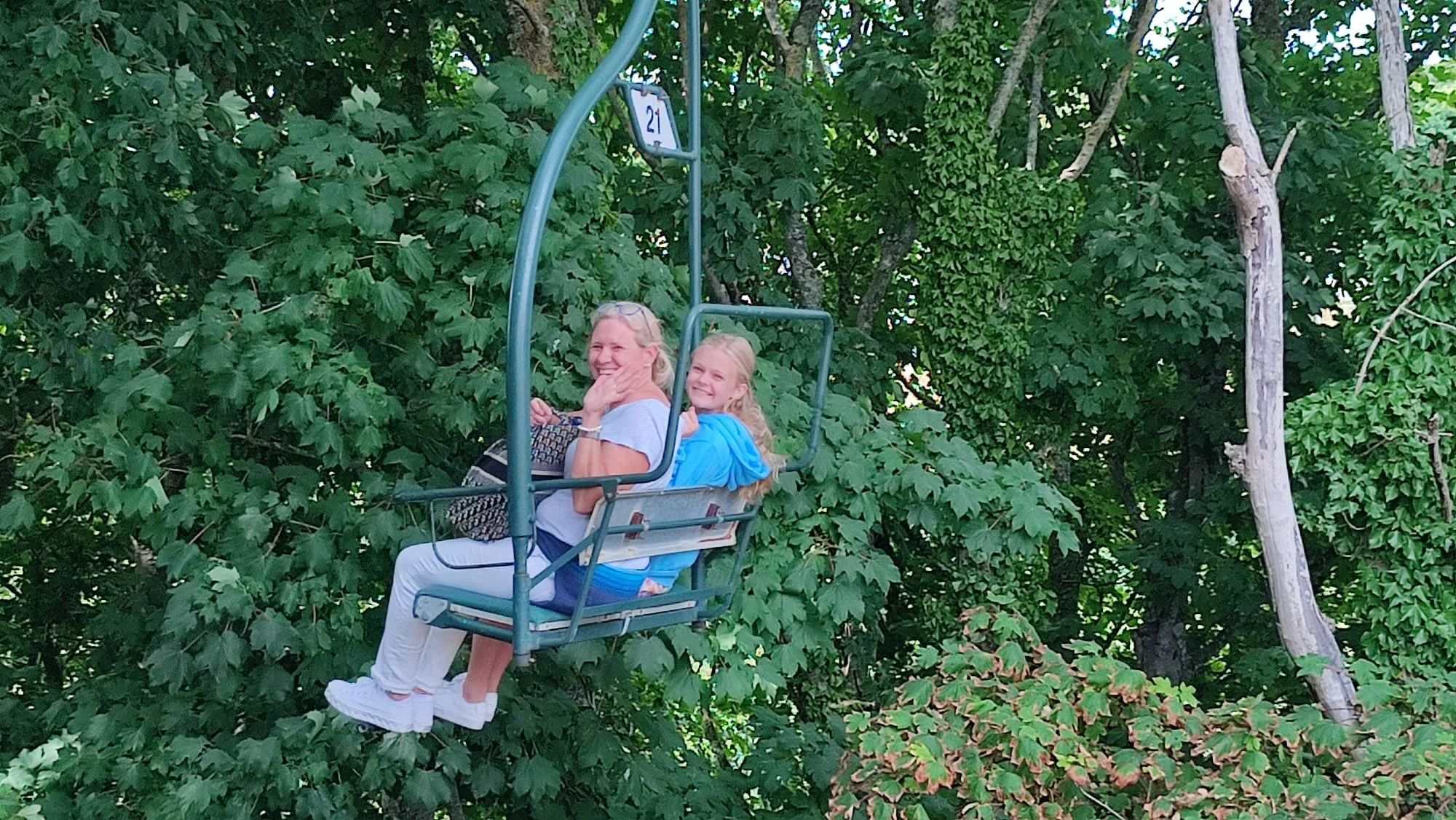
Option 4: Chairlift ride down to Alum Bay with optional boat ride out to the Needles rocks and lighthouse
A glorious ride (very slow, no need to be nervous!) in the equivalent of a ski lift. Just a few minutes for an experience that will be forever memorable – there is hardly a better way to view the Needles than this. The boat ride down below at Alum Bay is well worth taking too and there will be different types of boat that you can choose take from here out to the Needles – or indeed from Yarmouth, should you prefer.
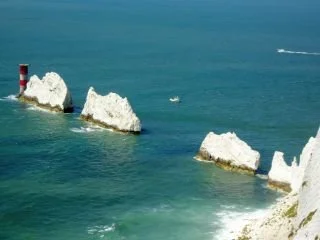
What are The Needles exactly? The name belongs to the rock formation consisting of the three remaining chalk stacks (formerly four). Come tour with us and we will give you more information!
And Alum Bay and its coloured cliffs? A geological wonder, these multi-coloured sands (21 shades have been counted) are caused by their different mineral contents. They are layers of sand and clay deposited by ancient seabeds that have since been pushed into near-vertical cliffs.
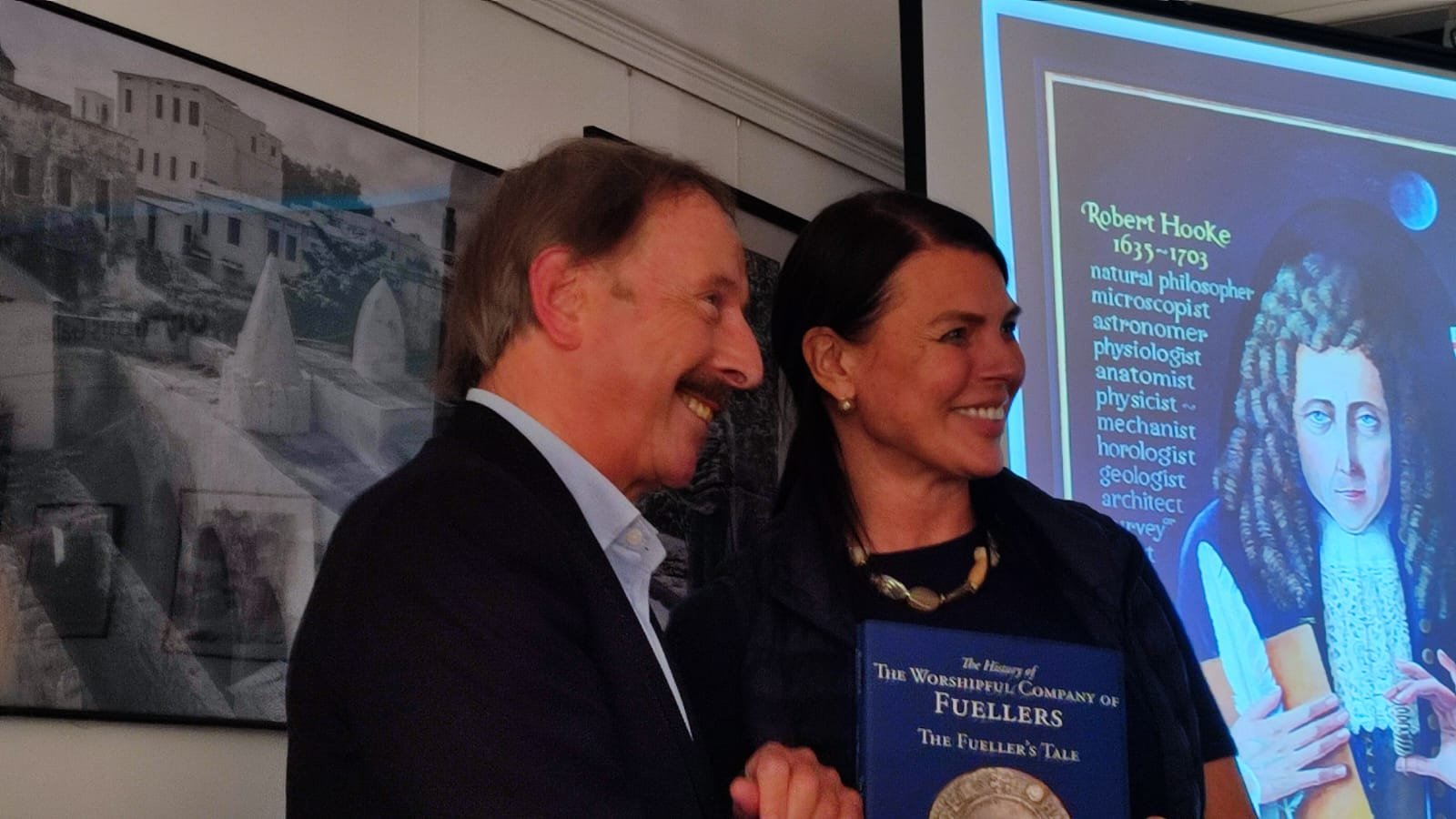
Option 5: Expert talk/presentation on the life of Robert Hooke
Local historian Kevin Shaw (seen right with client Elena Oderstone), is a speaker of the highest calibre and has a vast repertoire of talks up his sleeve. He wrote this particular talk at my request to deliver to the Worshipful Company of Fuellers (of which Elena was Master at the time). They were more than impressed, and implored him to deliver it in London at various institutions – you simply won’t hear anything better on this topic (or any other)!
The venue on the first occasion was The Rock Restaurant (Freshwater Bay) – with the sea lapping up almost to its terrace. This couldn’t have been a more appropriate location - right in the very setting that was so significant to Hooke himself!
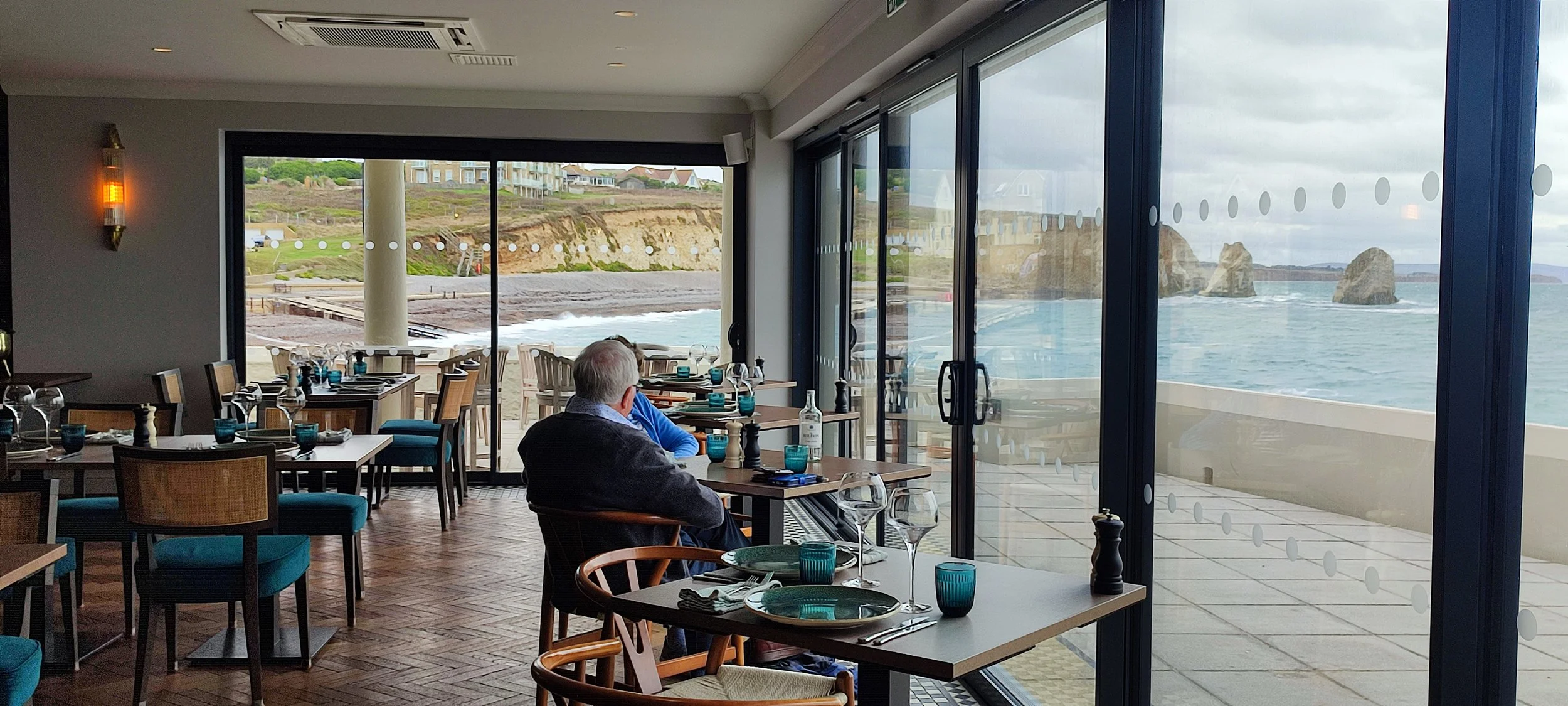
Fantastic Lunch at venue of your choice - we recommend The Rock (The Albion Hotel, Freshwater Bay).
For other options, please discuss with us.
South-East Wight
Option 1: Tour of Dinosaur Isle (museum), Sandown
This museum is built in the shape of a giant pterosaur and contains approx. 40,000 specimens. Let us arrange for you to watch and speak with resident palaeontologists at work here or take a guided fossil walk on the fabulous local beach with one of them.
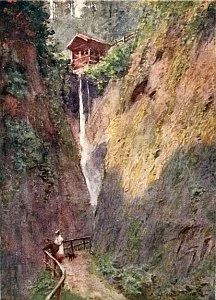
Option 2: Shanklin Chine
The word ‘chine’ means what is generally called a ravine or gorge, and we have many of them over here. Shanklin Chine has existed for thousands of years and was the first place that people from the mainland ‘discovered’ on the Island, when tourists started visiting during the Romantic period. It has remained almost unchanged, and once inside, it truly feels as if you are stepping back in time.
Read more about it on our ‘Gardens & Villages’ page.
Option 3: Shanklin Cliffs
We once had clients who were eminent Australian geologists who had come to the Island specifically to view these particular cliffs. They are an outstanding example of a particular formation of 3-layered Ferruginous sands of the Cretaceous series which have been overlain by weathered sands and superficial deposits. For years, this couple had regularly seen a photograph of them in almost every textbook they ever read – and here they were, at last seeing them their very own eyes! Their delight was infectious, and I myself have never seen the cliffs in the same way since!
Option 4: Bonchurch
The Bonchurch area itself is of significant geological interest. Sadly, over a very long period it has been subject to landslides of various degrees of seriousness, including in 1810, 1818 and at irregular intervals thereafter, until the latest major one as recently as 2023.
The picturesque village itself is safe, but paths very close to affected areas are now closed, having been deemed unsafe, thus rendering the whole landslip area as of 2025 inaccessible to the public. (N.B. Be assured that we will not be taking you to any unsafe areas.)
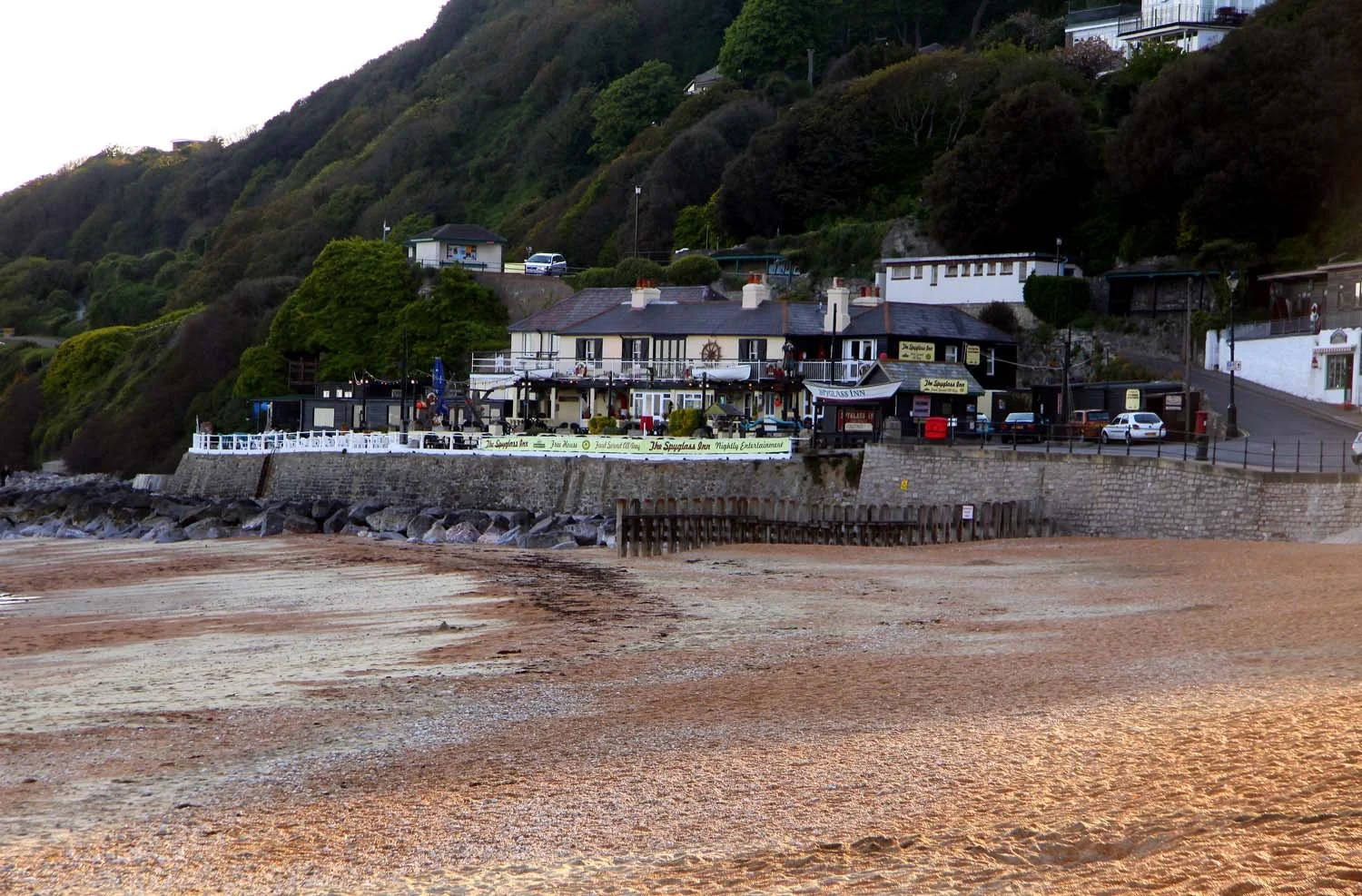
Fantastic Lunch at venue of your choice - here we recommend The Spyglass Inn in Ventnor.
For other options, please discuss with us.
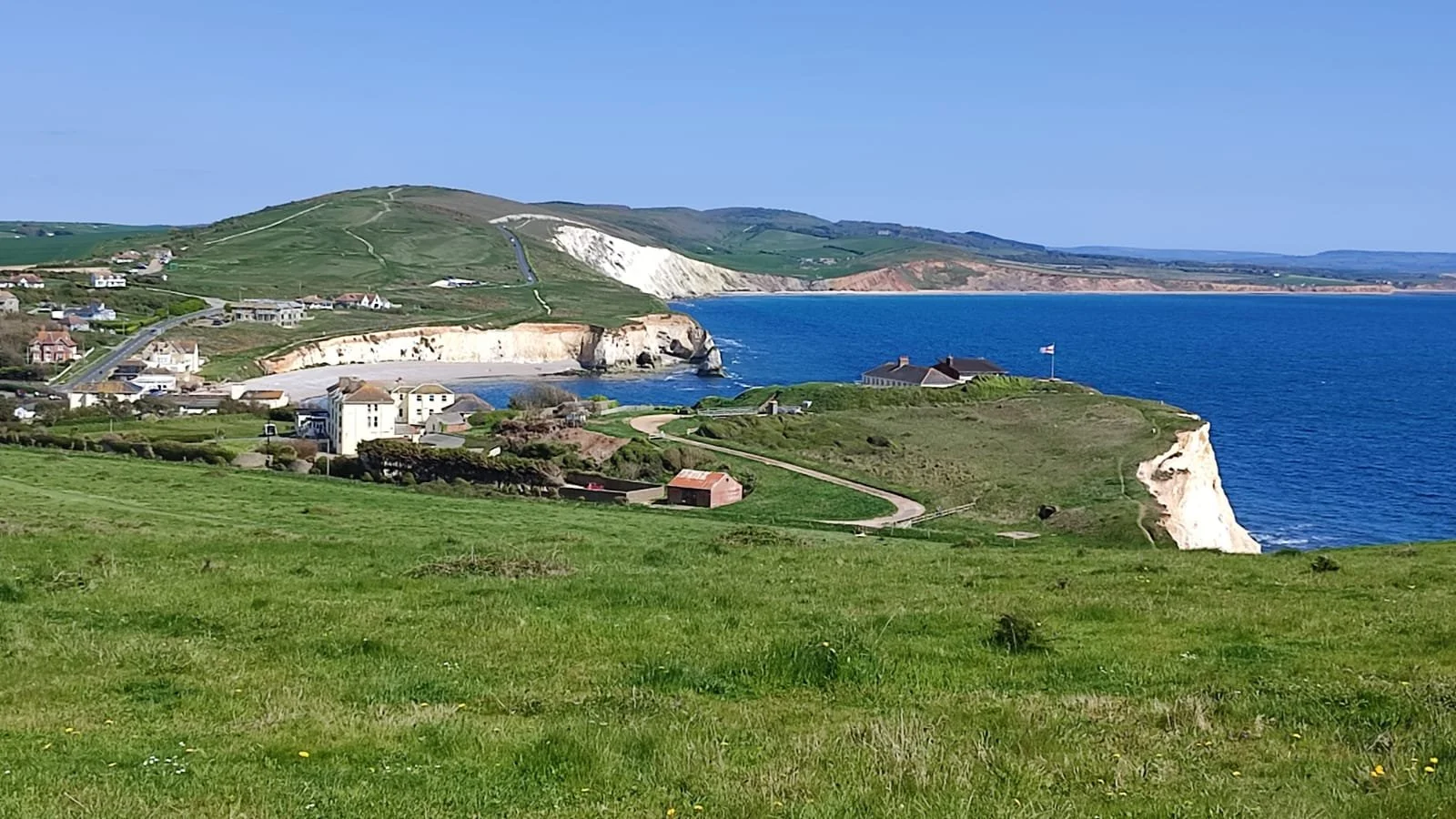
Tennyson Down overlooking Freshwater Bay
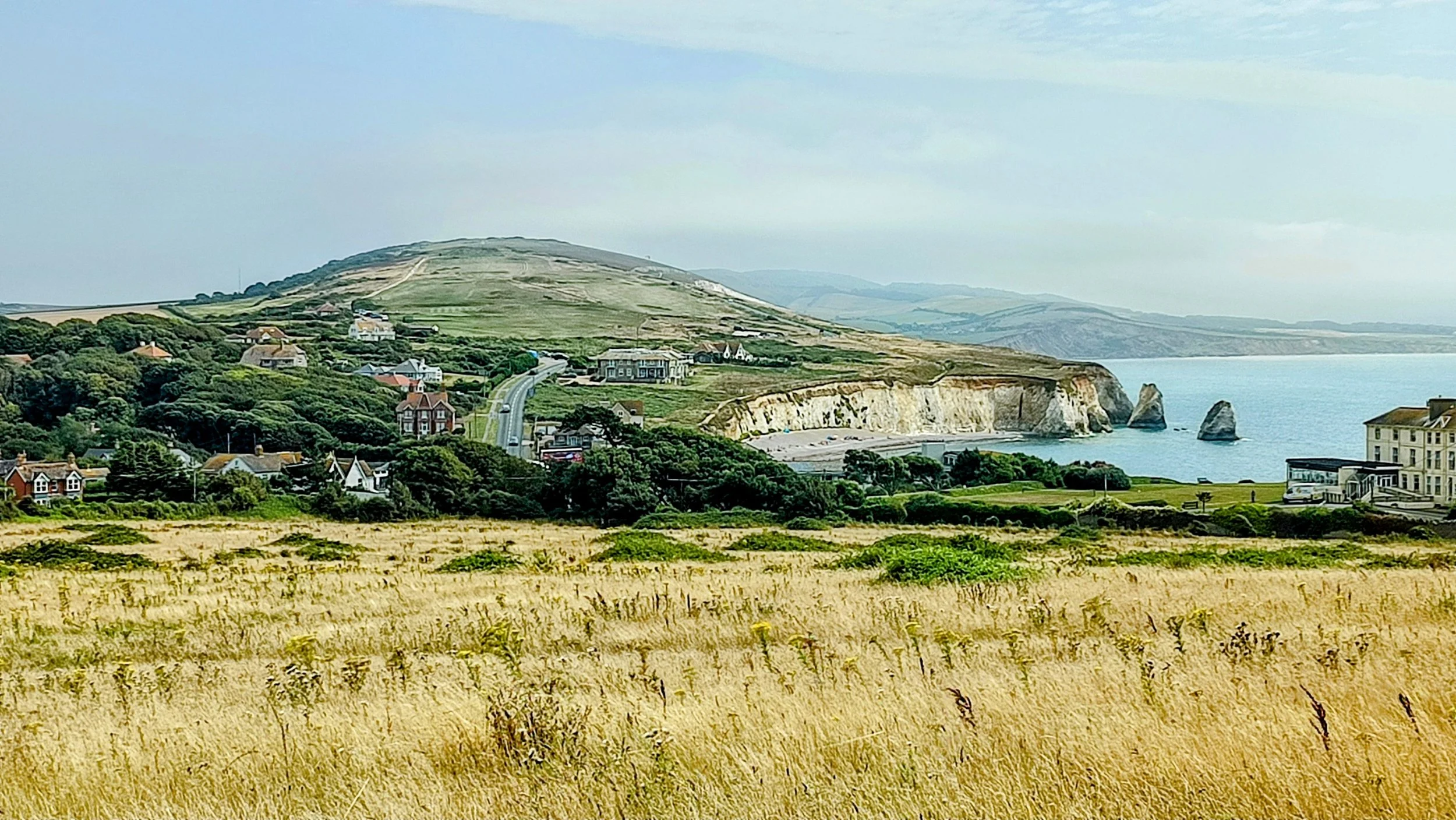
View from Tennyson Down over Freshwater Bay-02
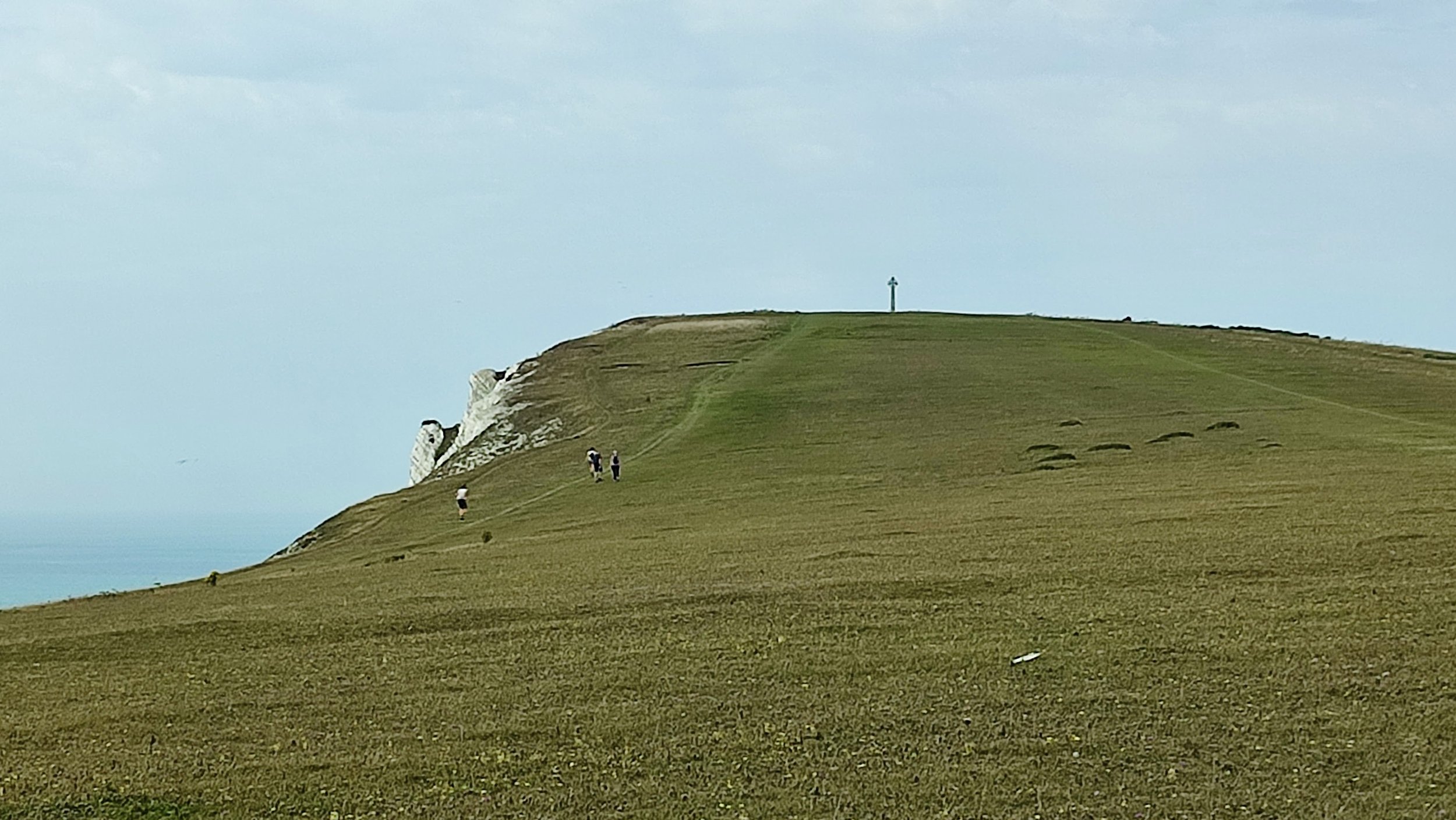
Tennyson Down
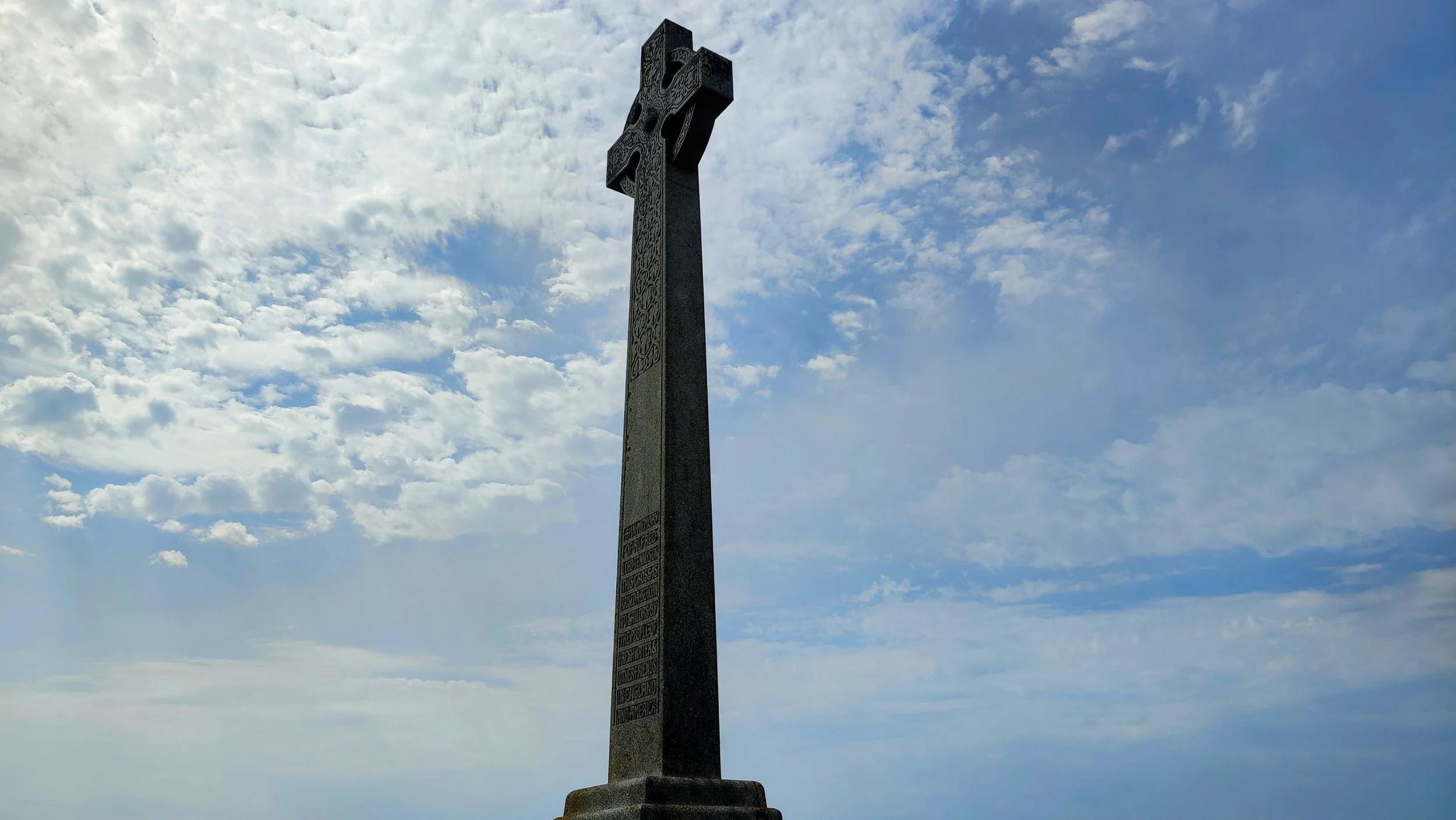
Tennyson Monument on Tennyson Down
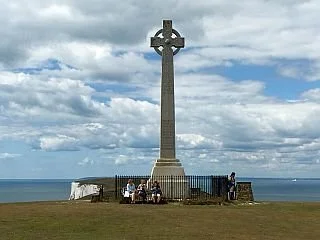
Tennyson Monument on Tennyson Down-02
View from Tennyson Down over Freshwater Bay
Chairlift, Alum Bay
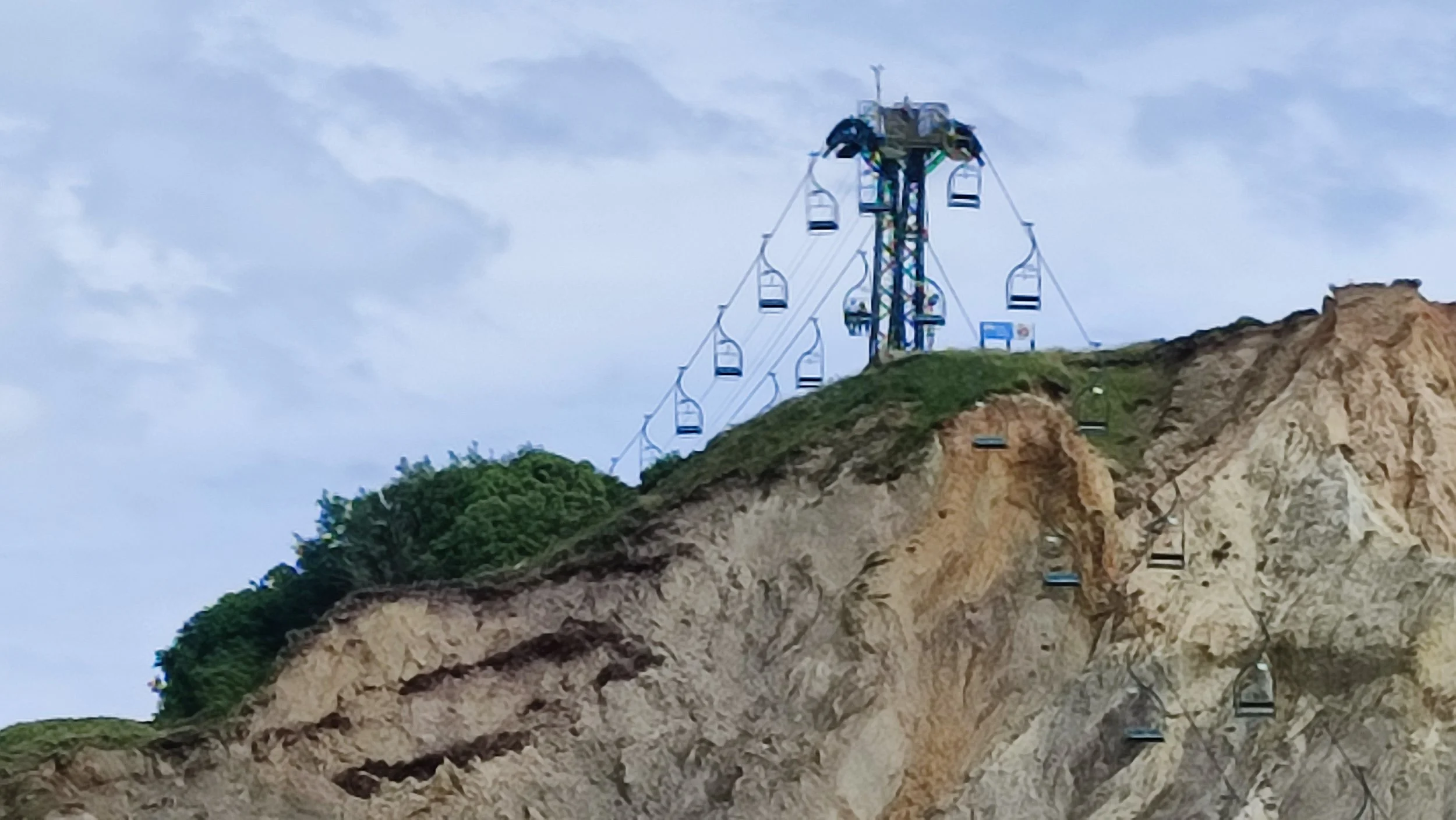
Alum Bay chairlift-02
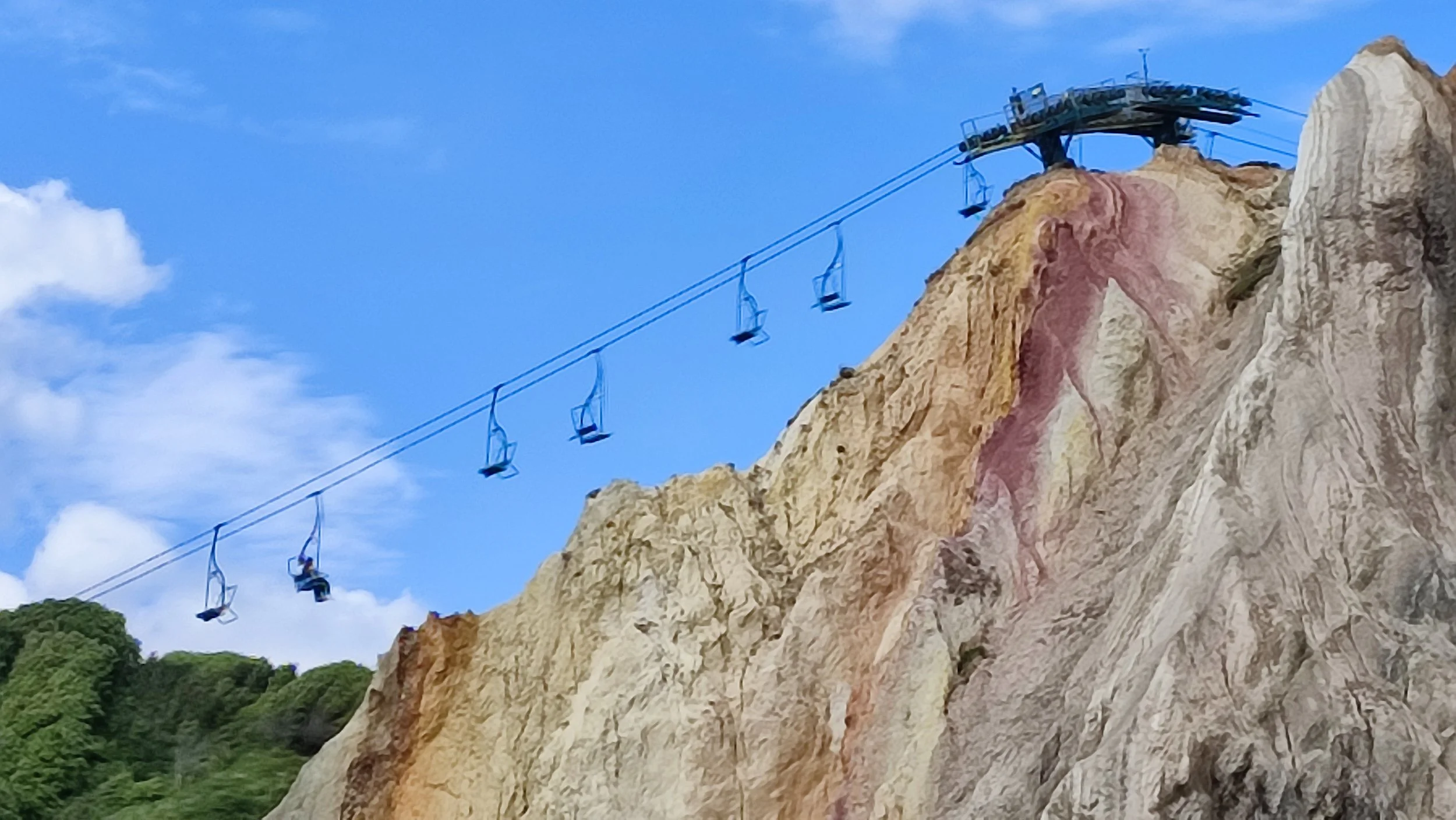
Alum Bay chairlift-03
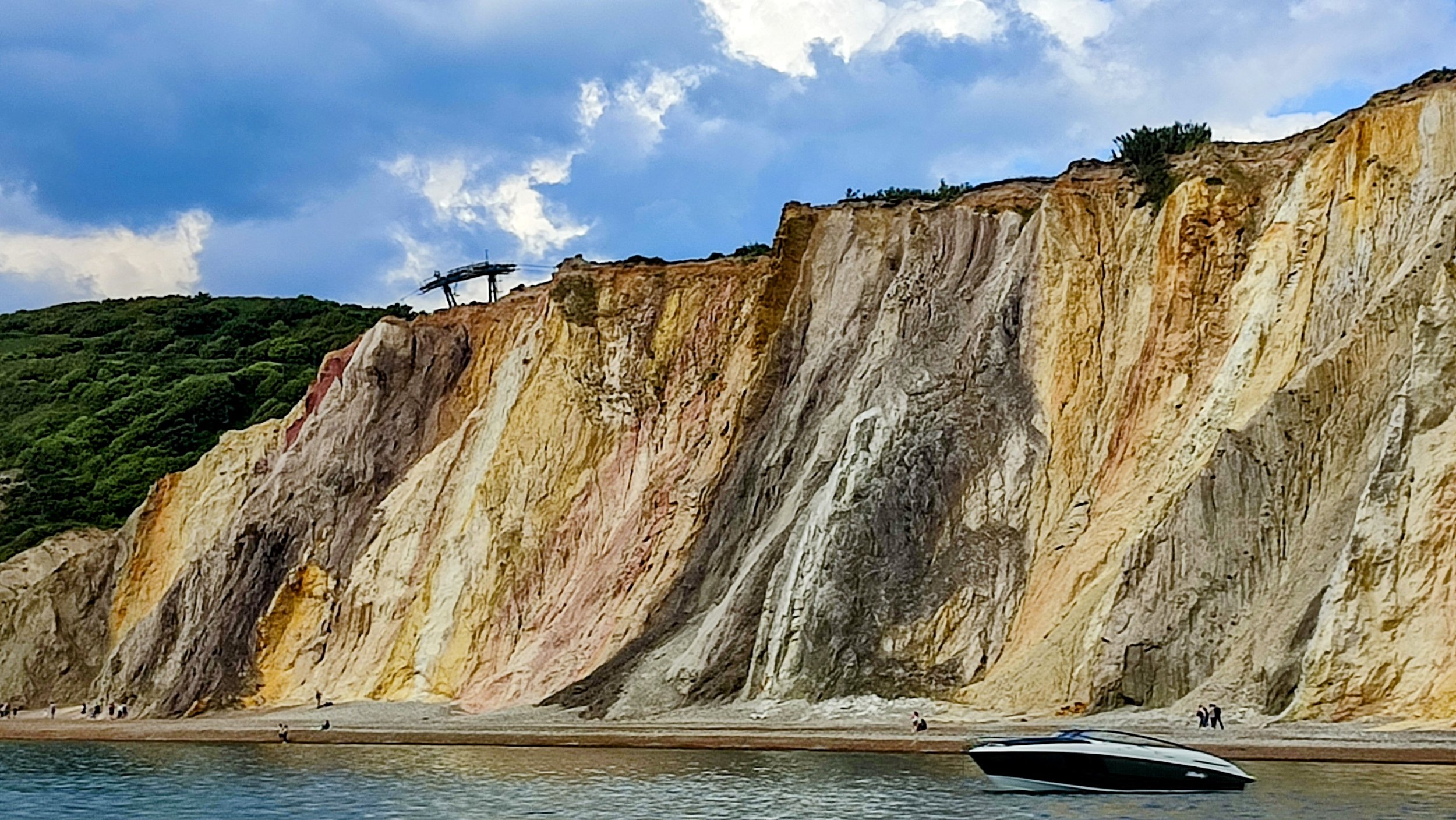
Alum Bay
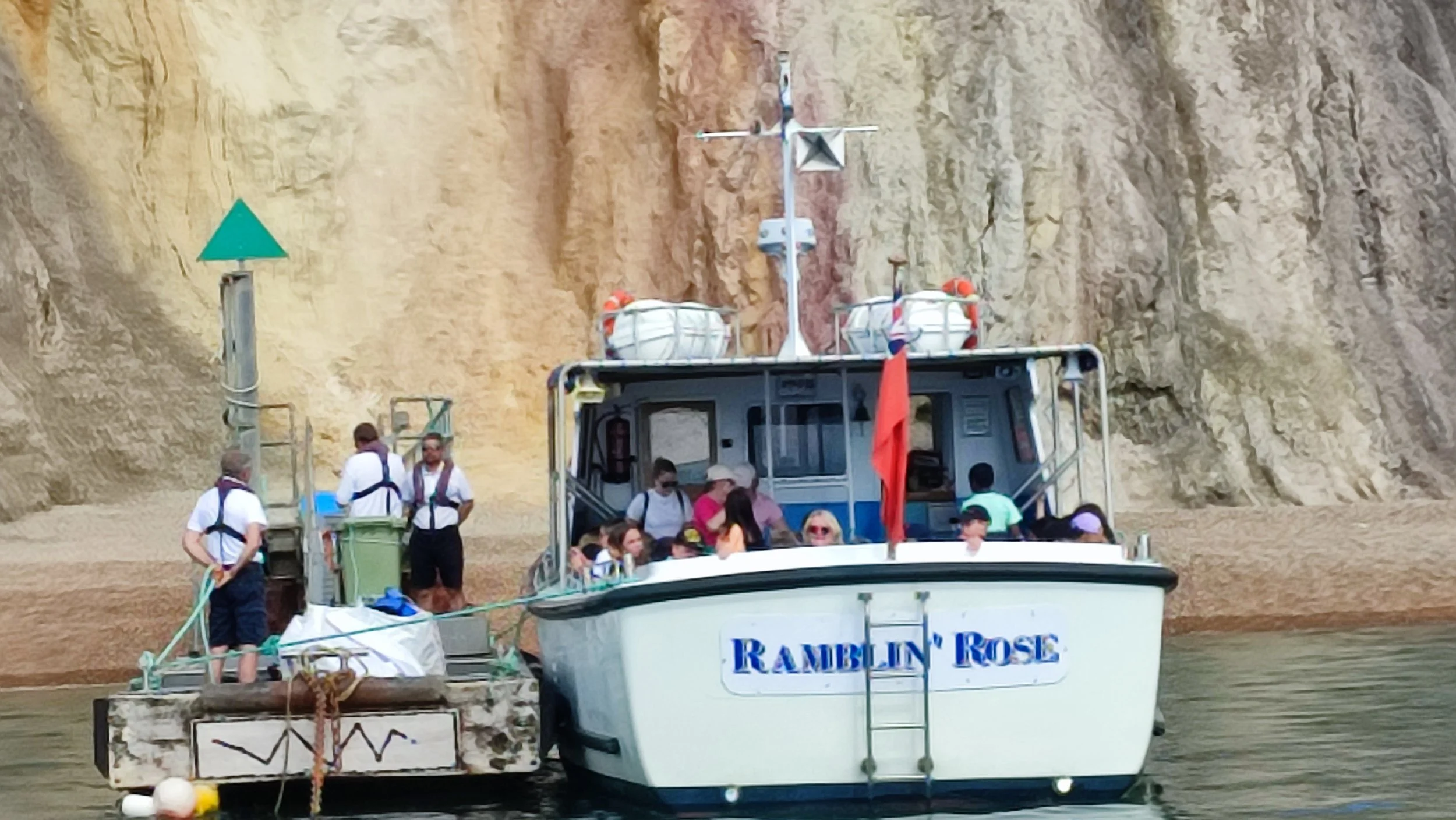
Slow-boat (with commentary) to Needles
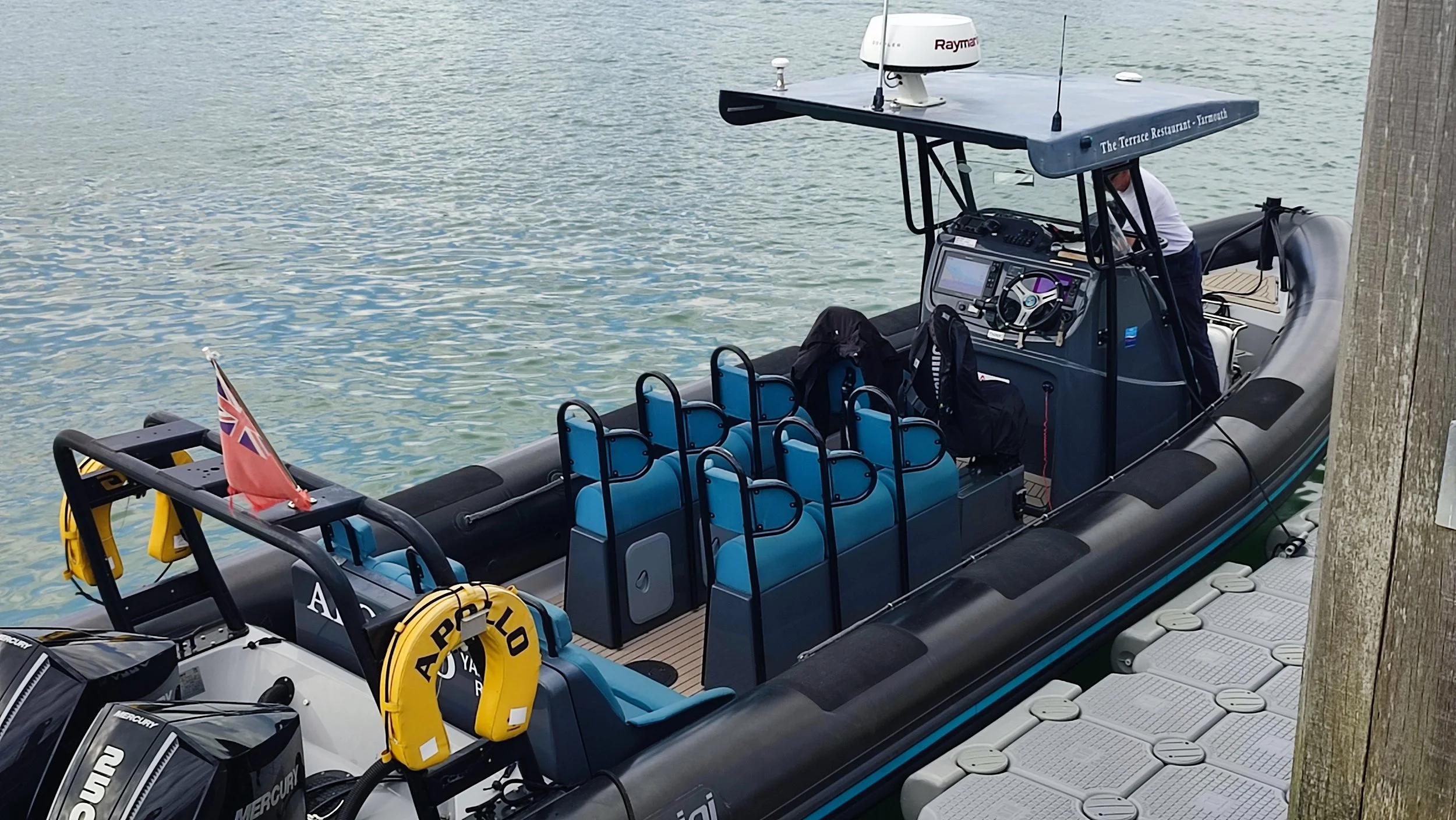
The Terrace's RIB
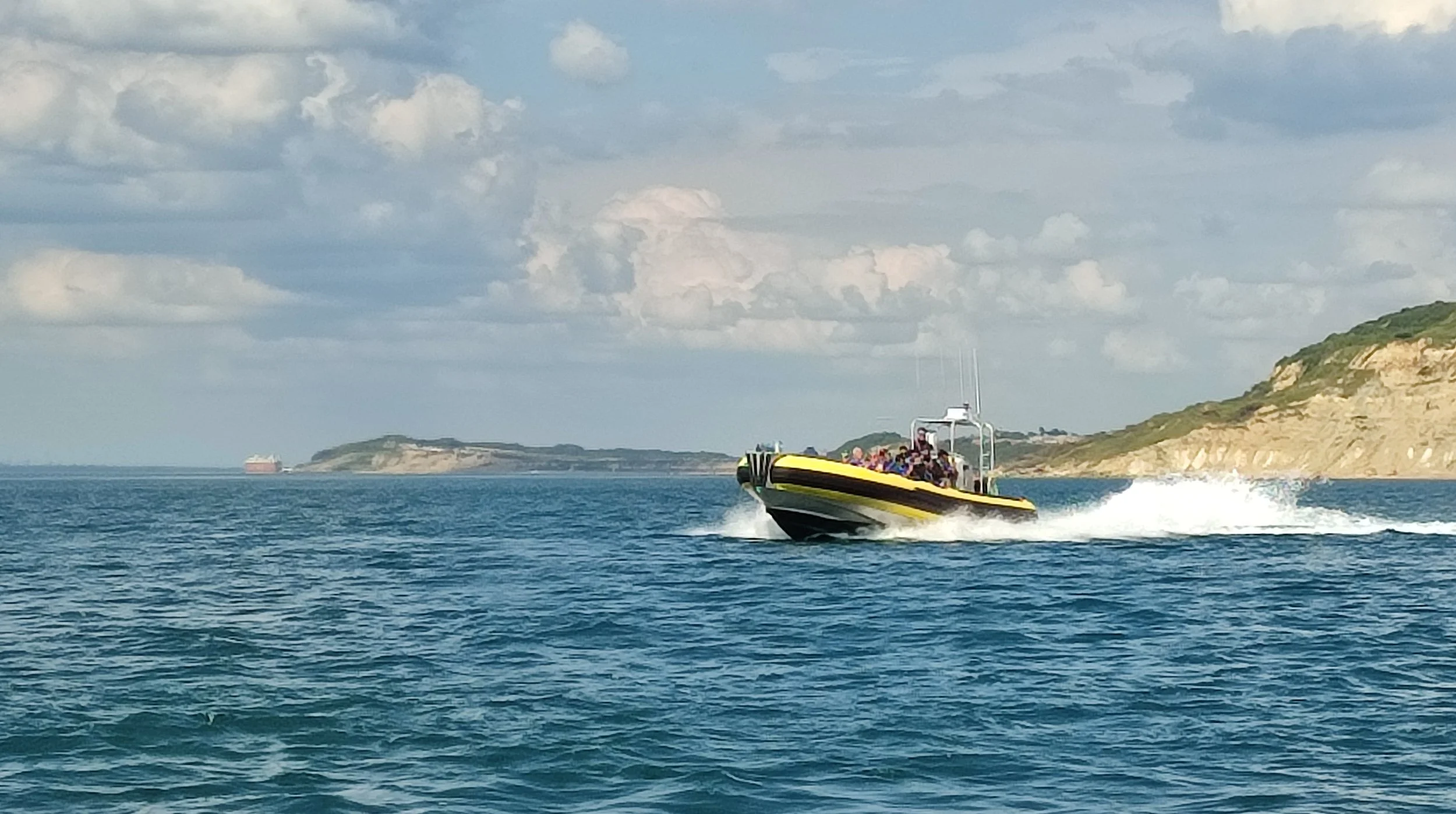
Fast boat to Needles-01
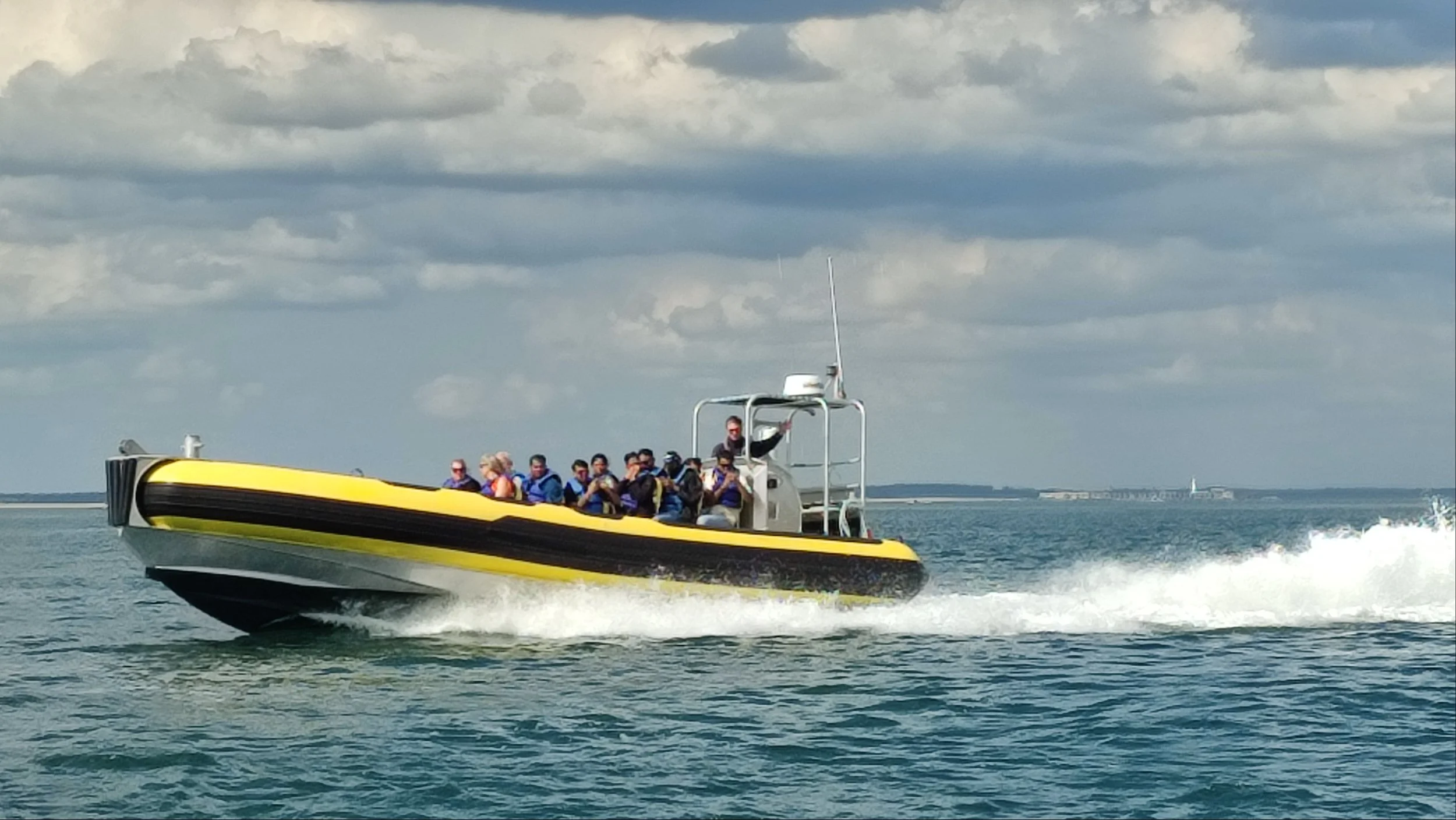
Fast boat to Needles-02
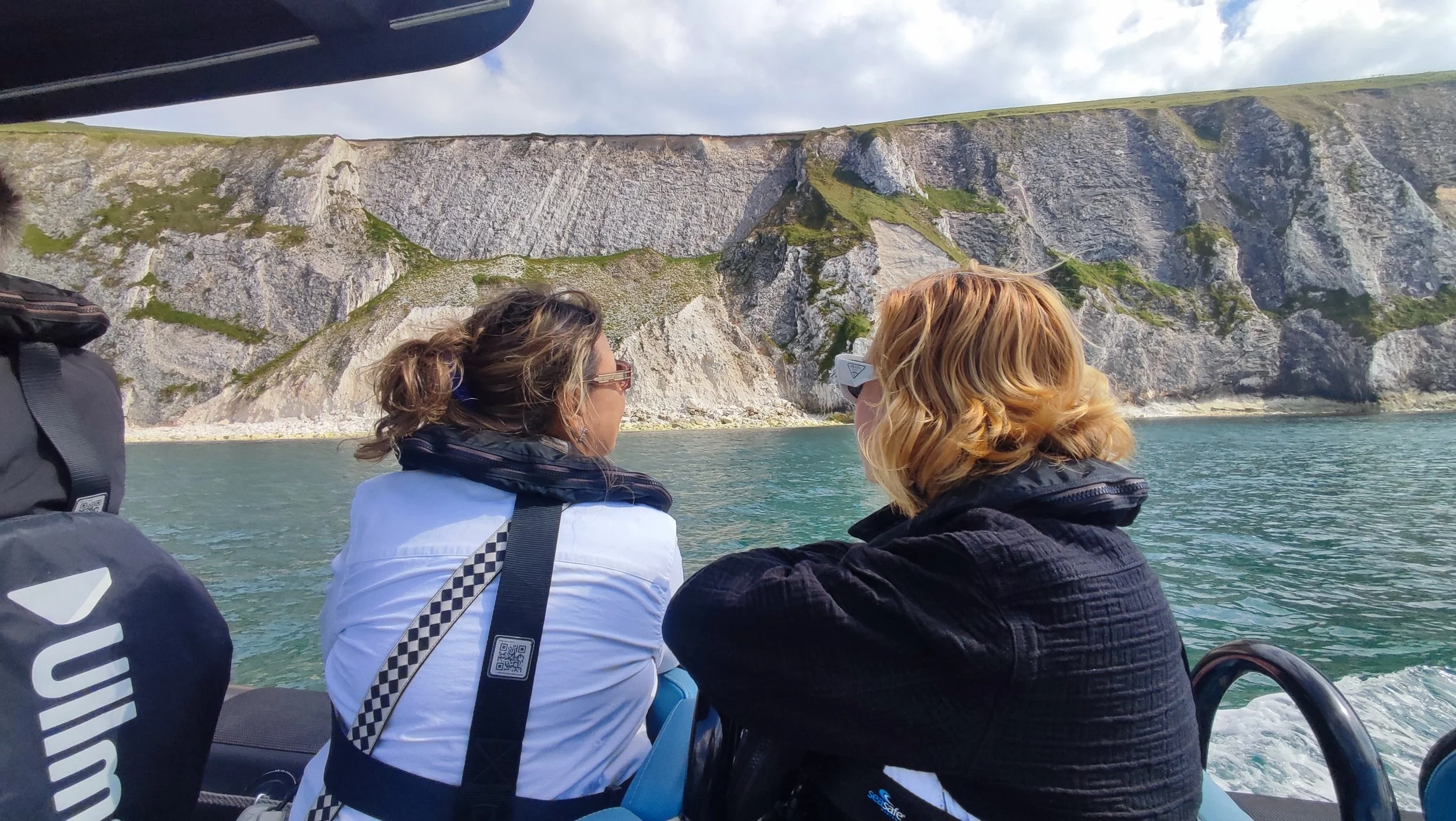
Alum Bay from The Terrace’s RIB
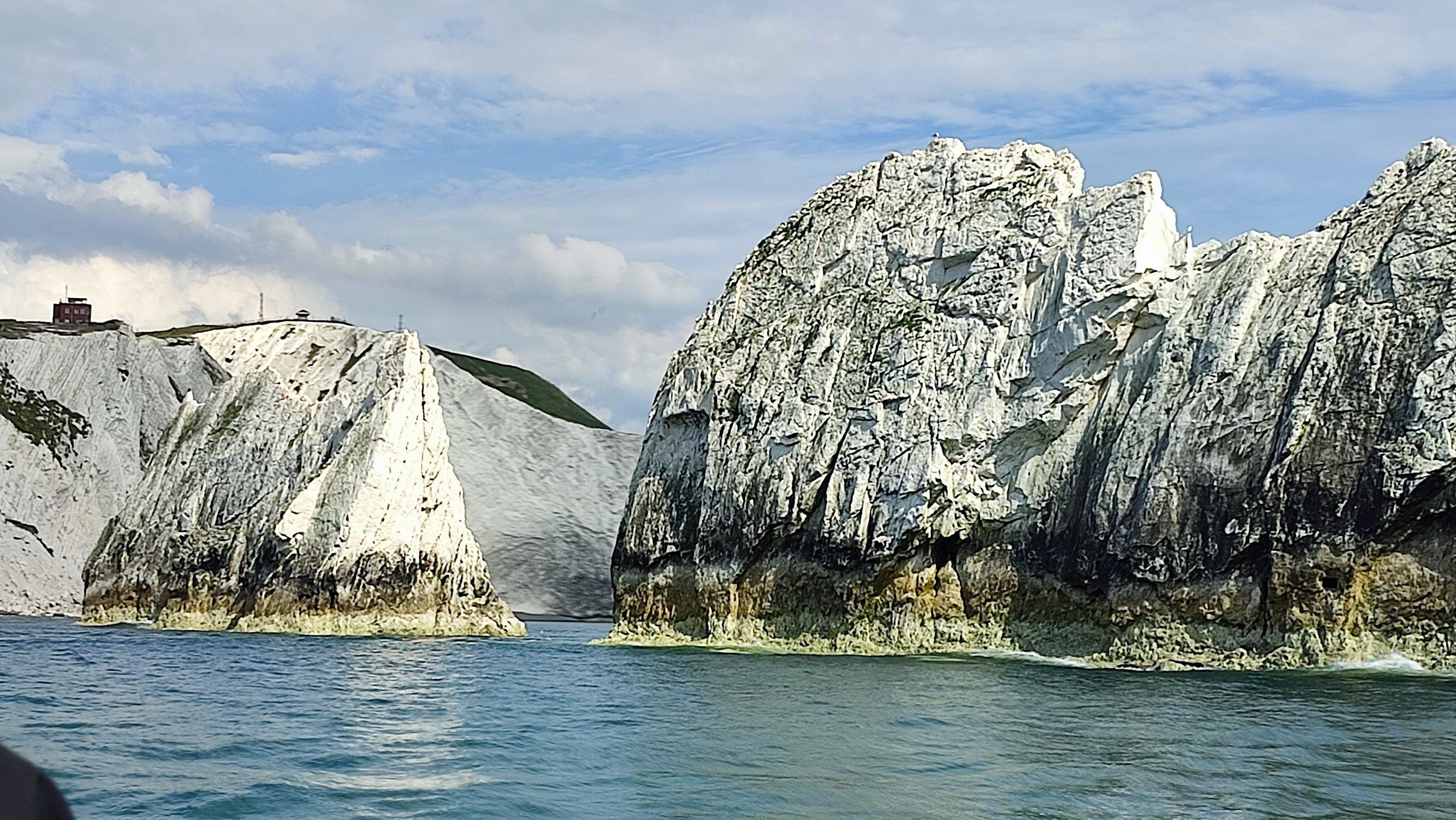
Needles rocks-01
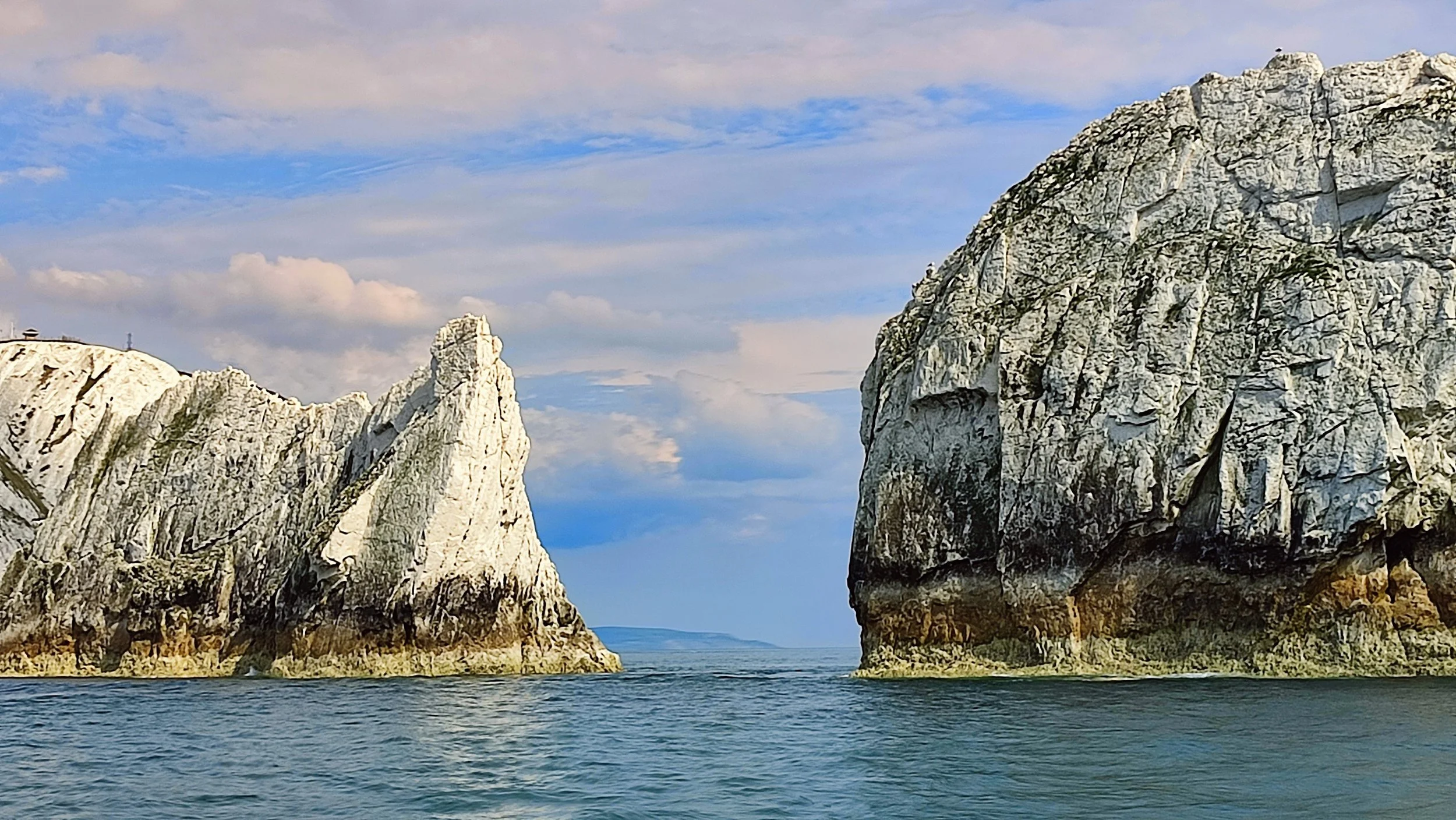
Needles rocks-02
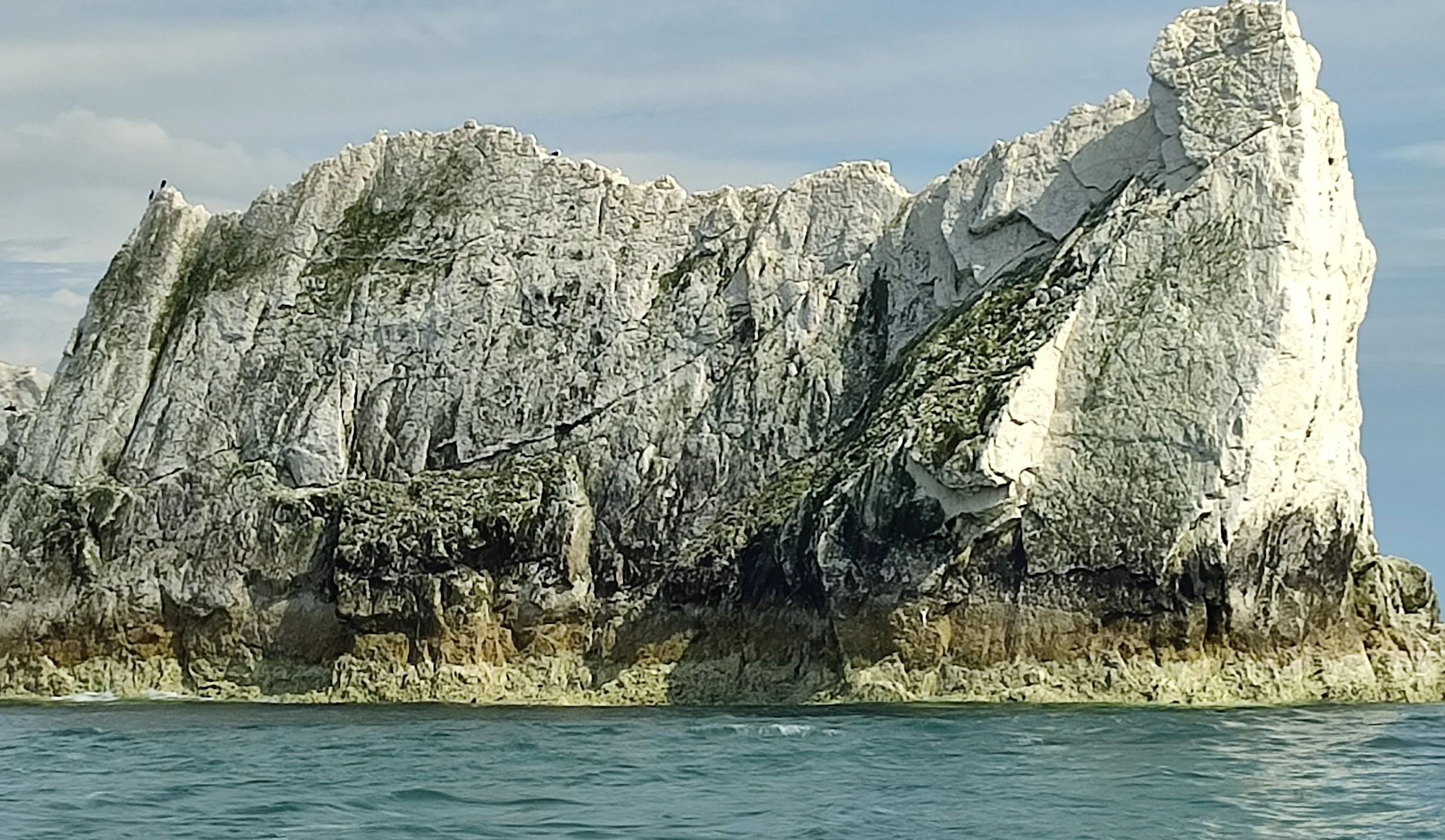
Needles rocks-03
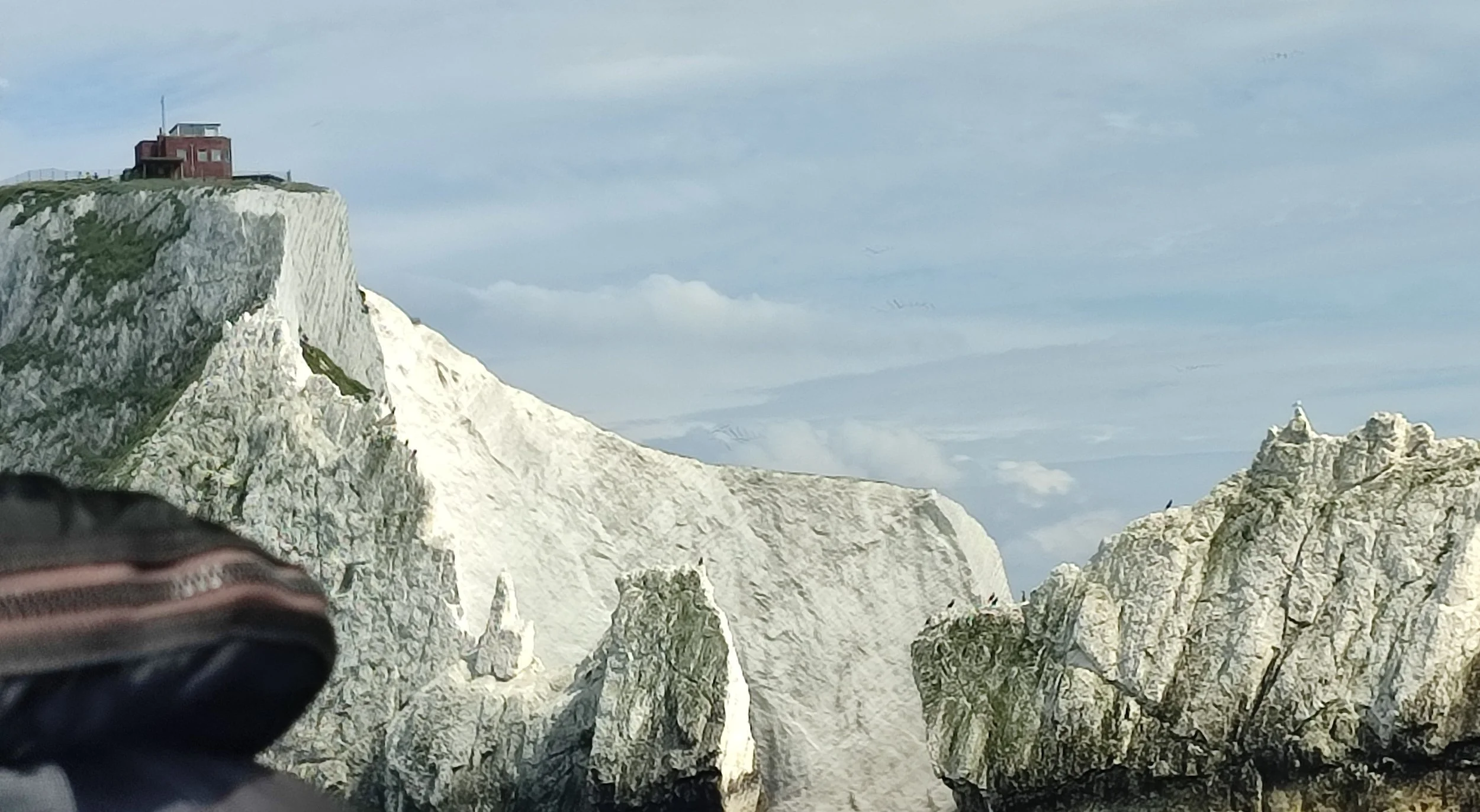
Needles rocks-04
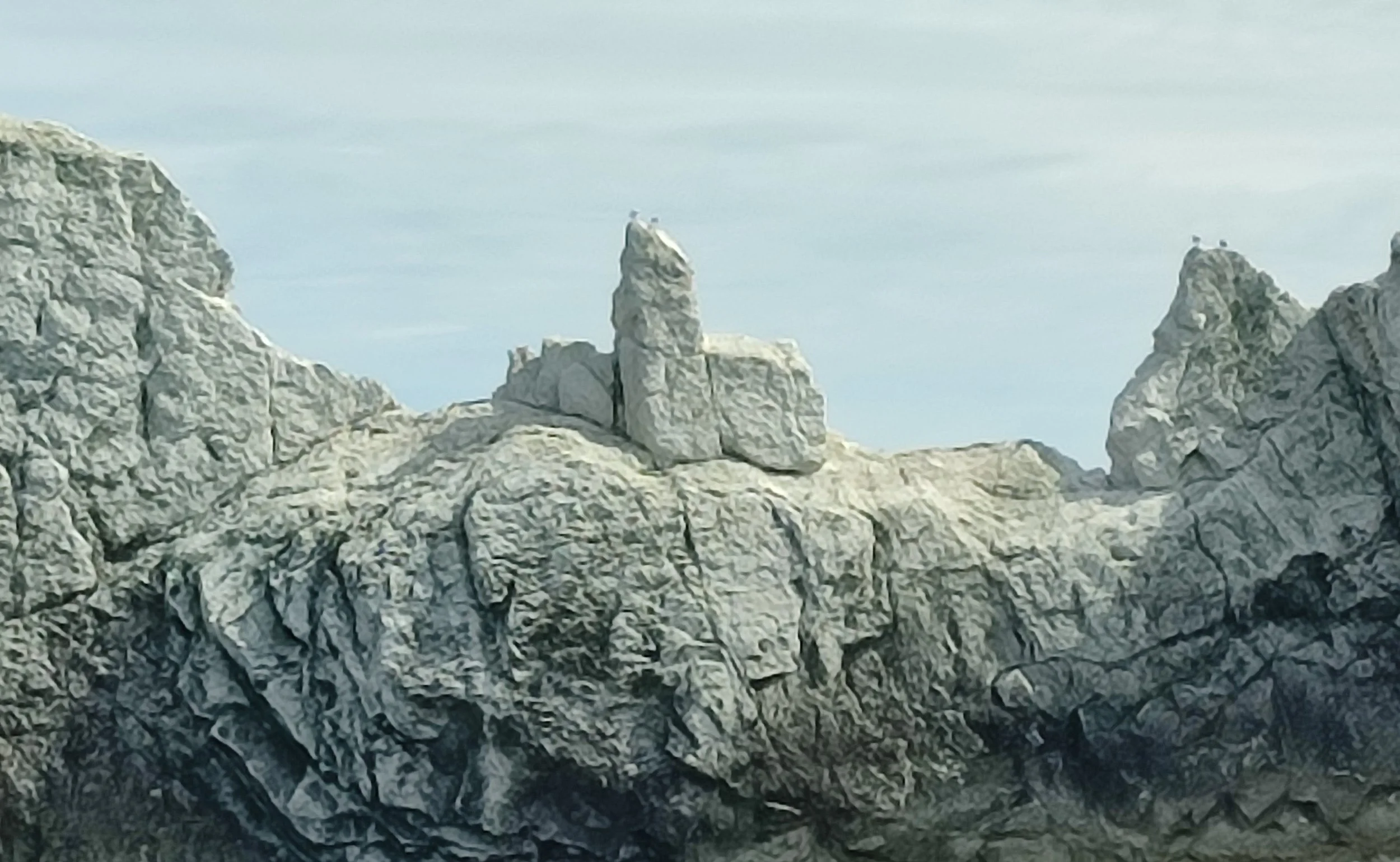
Needles rocks-05
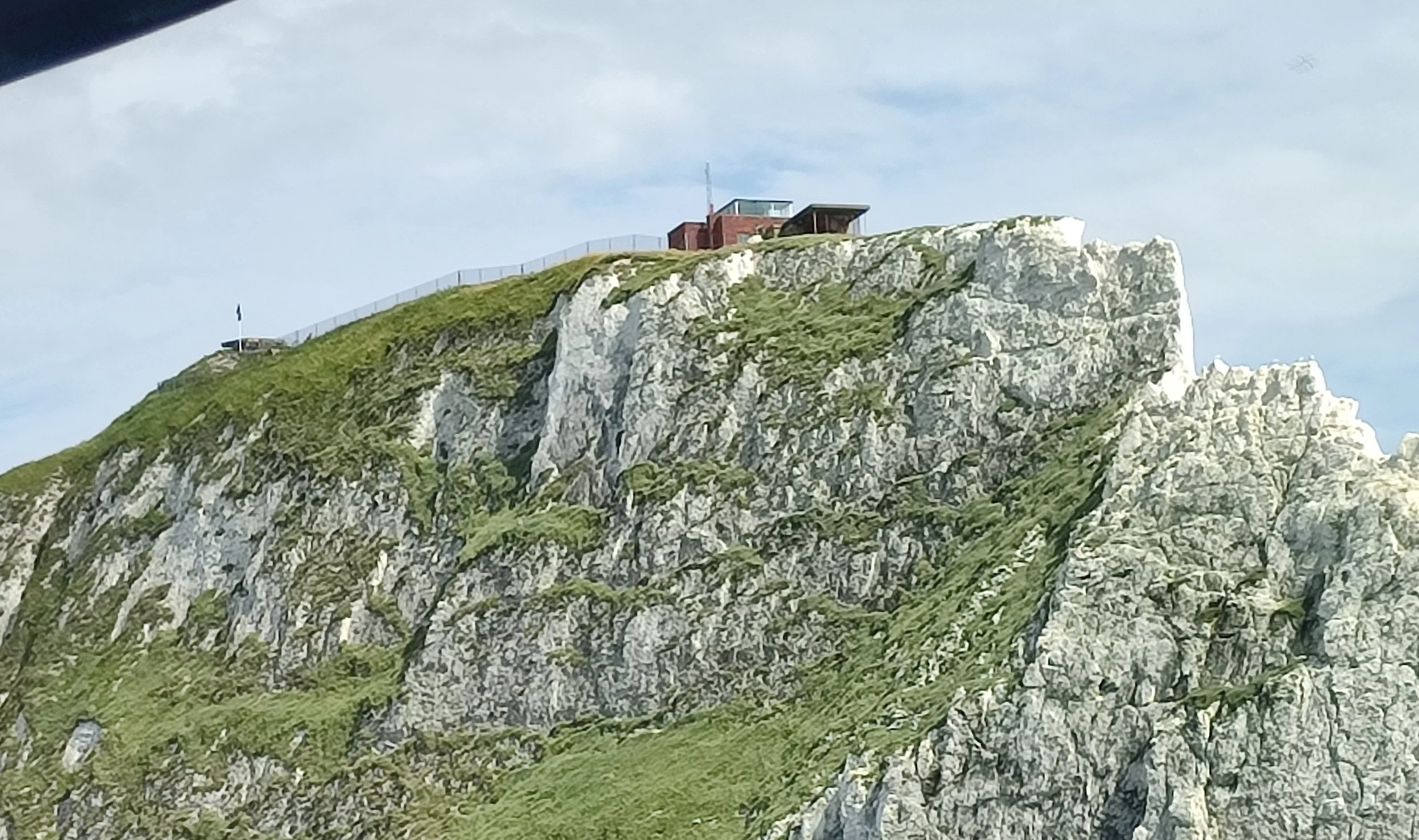
The Needles, Battery House
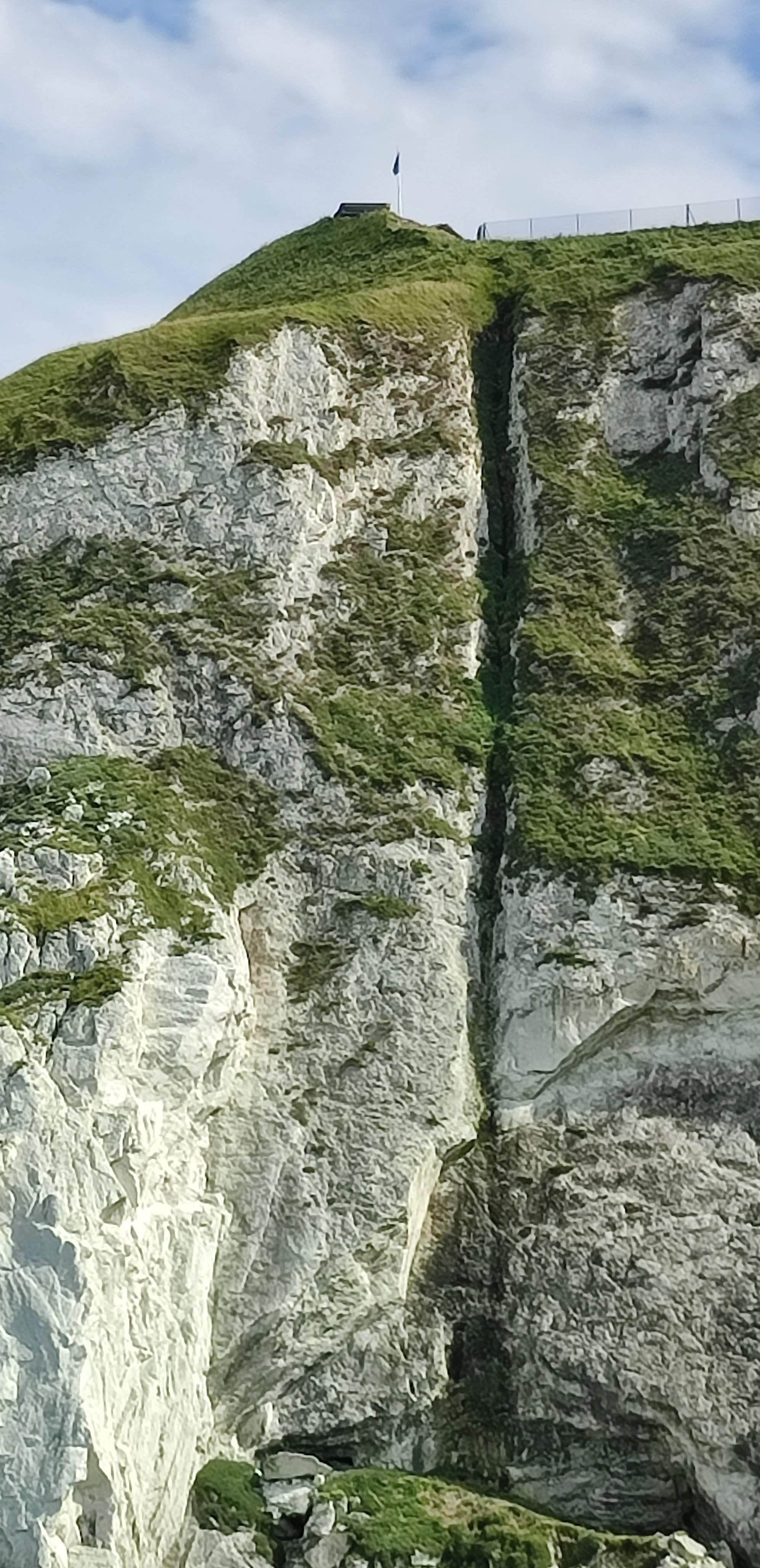
The Needles - Battery House from the boat
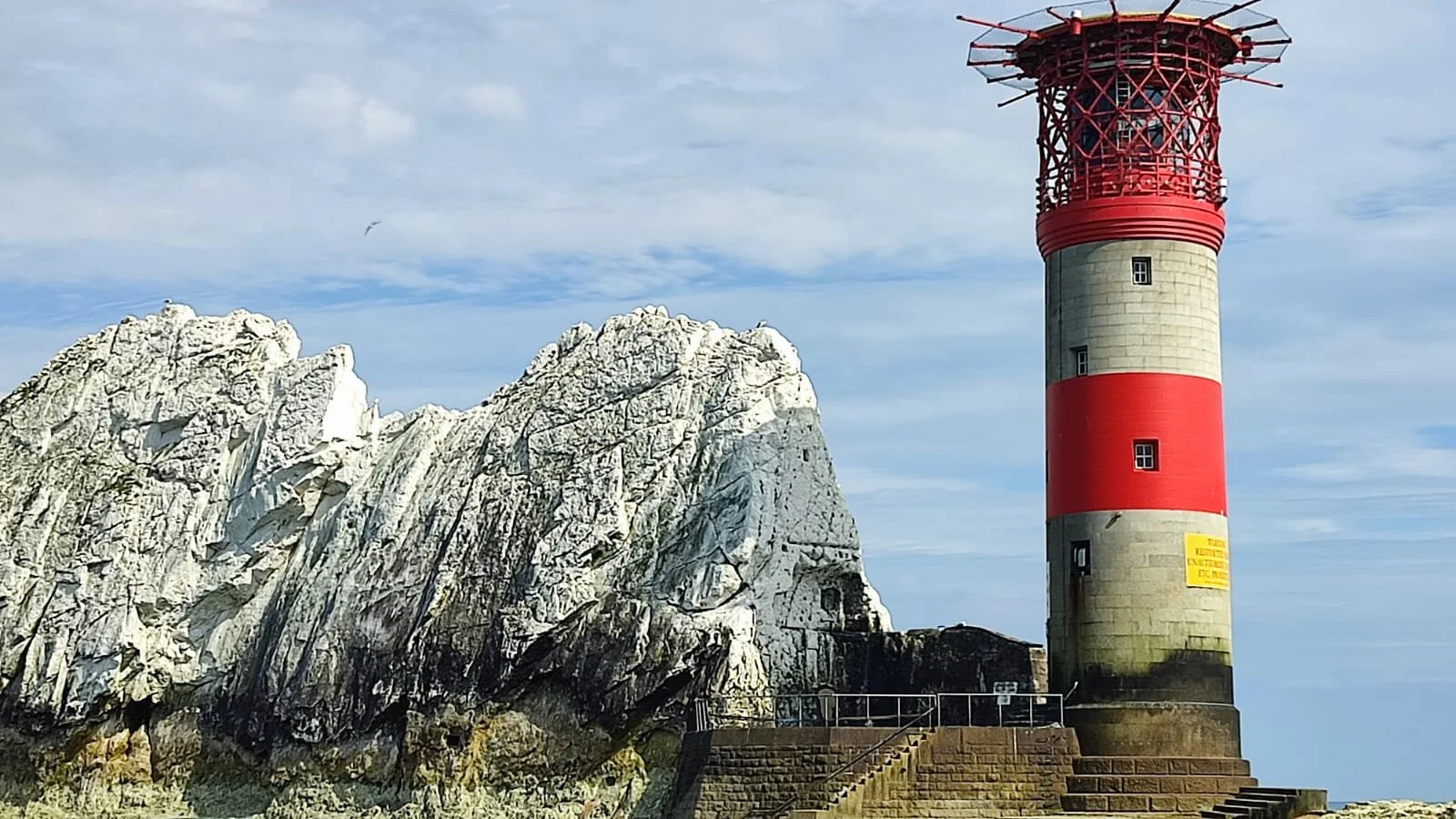
Needles rocks and lighthouse
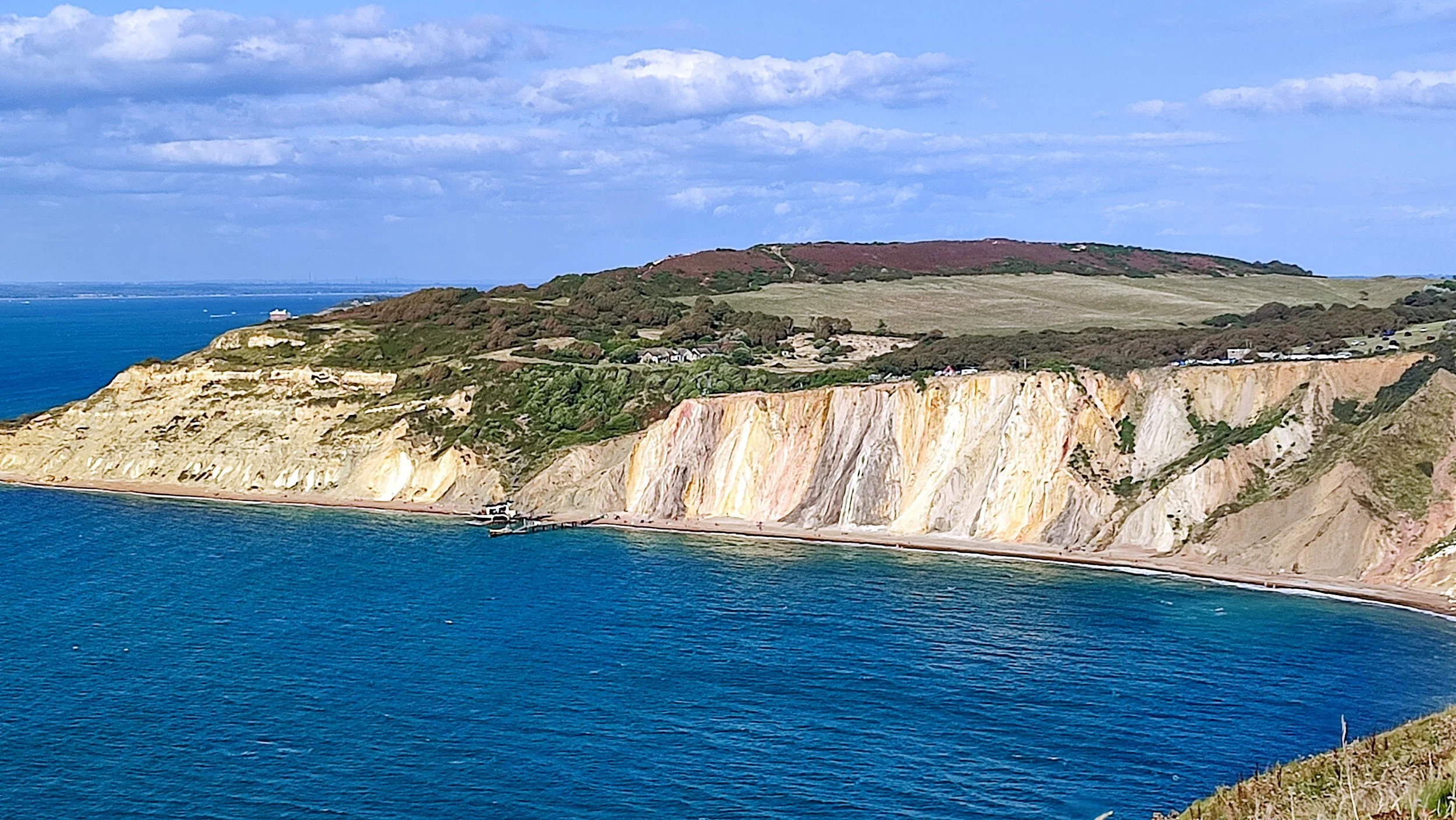
Tennyson Down overlooking Headon Warren
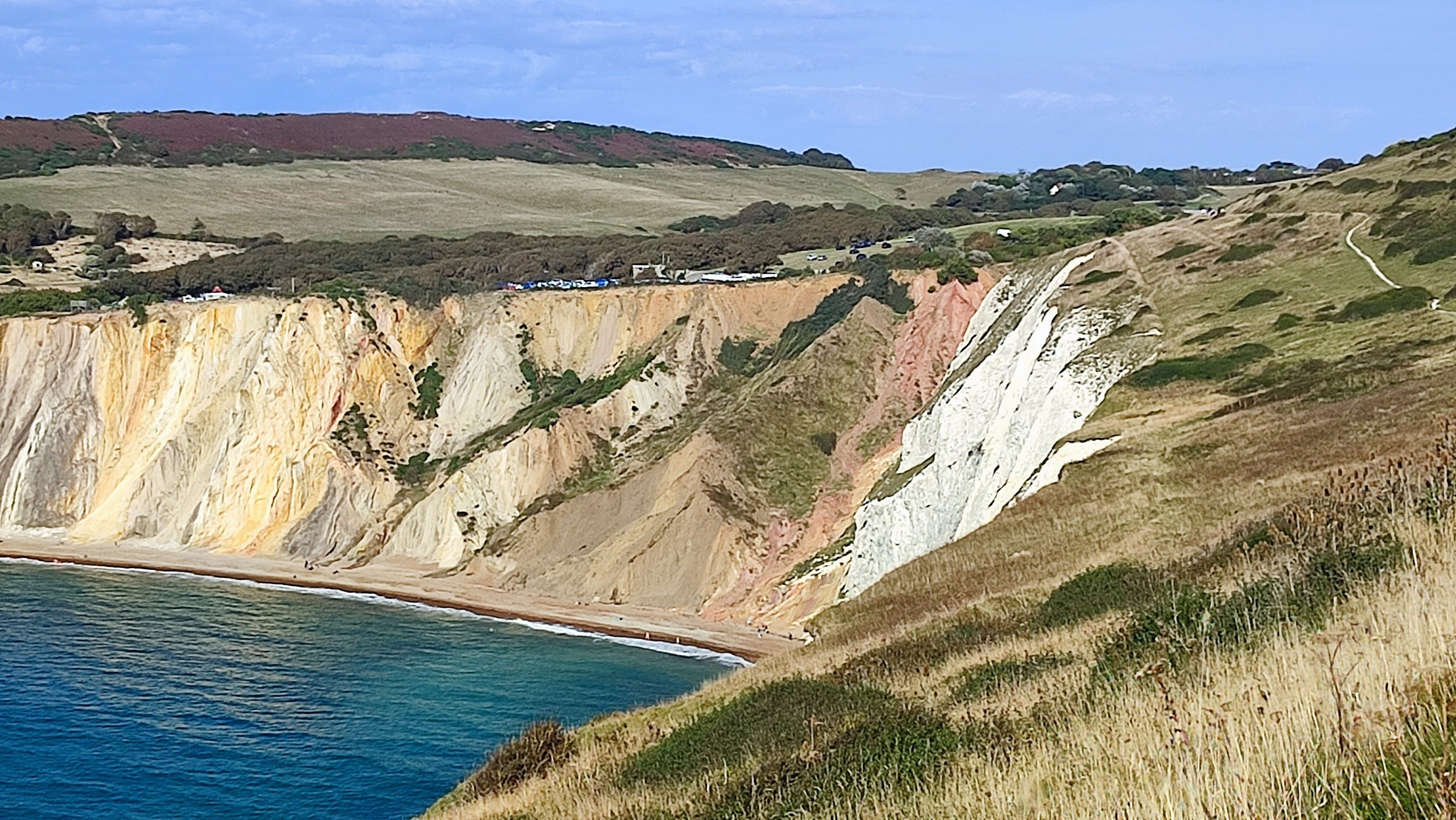
Tennyson Down overlooking Headon Warren
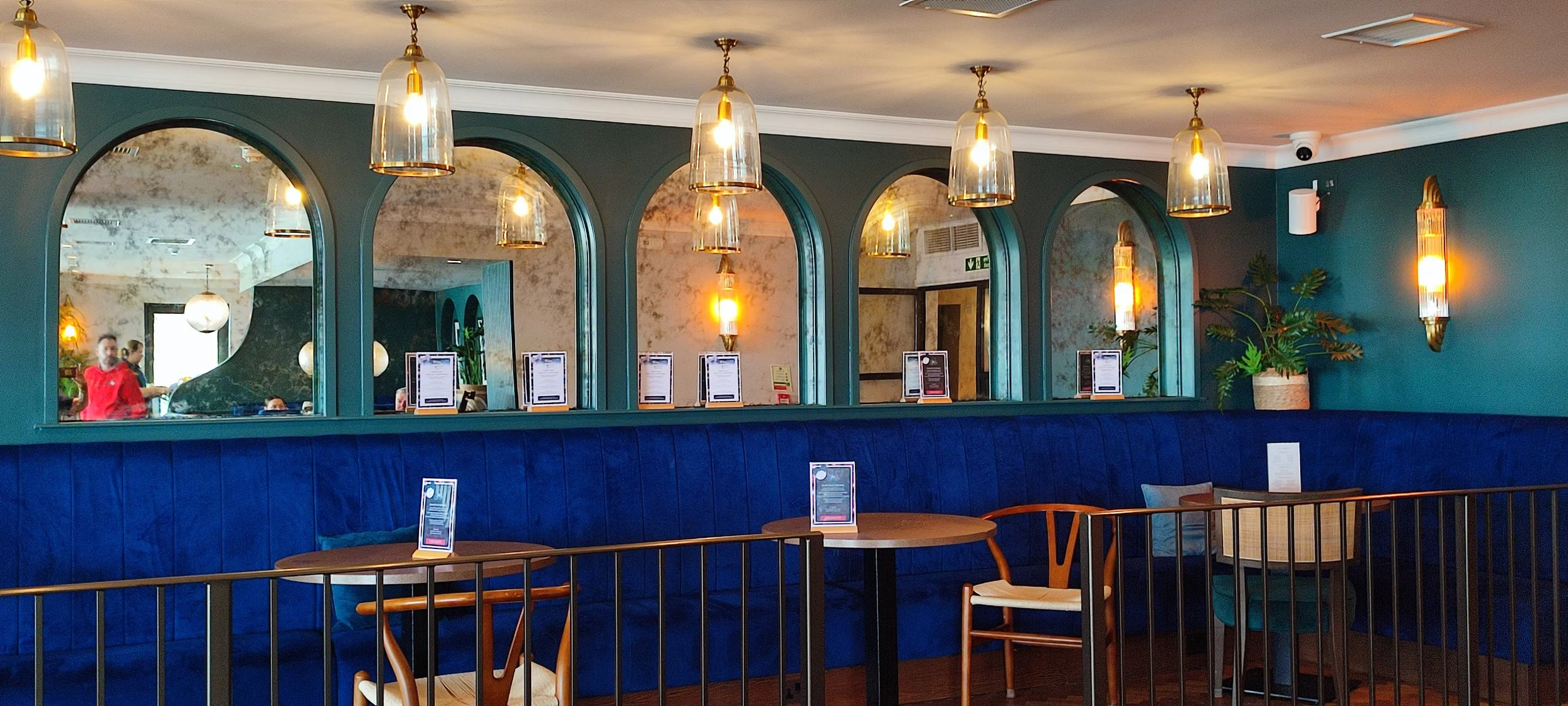
The Rock (Albion Hotel)-01
The Rock (Albion Hotel)-02
The Rock (Albion Hotel)-03
Compton Bay
Dinosaur Farm - Clients with Oliver Forde
Dinosaur Farm - Clients with Oliver Forde
Military Road, south coast
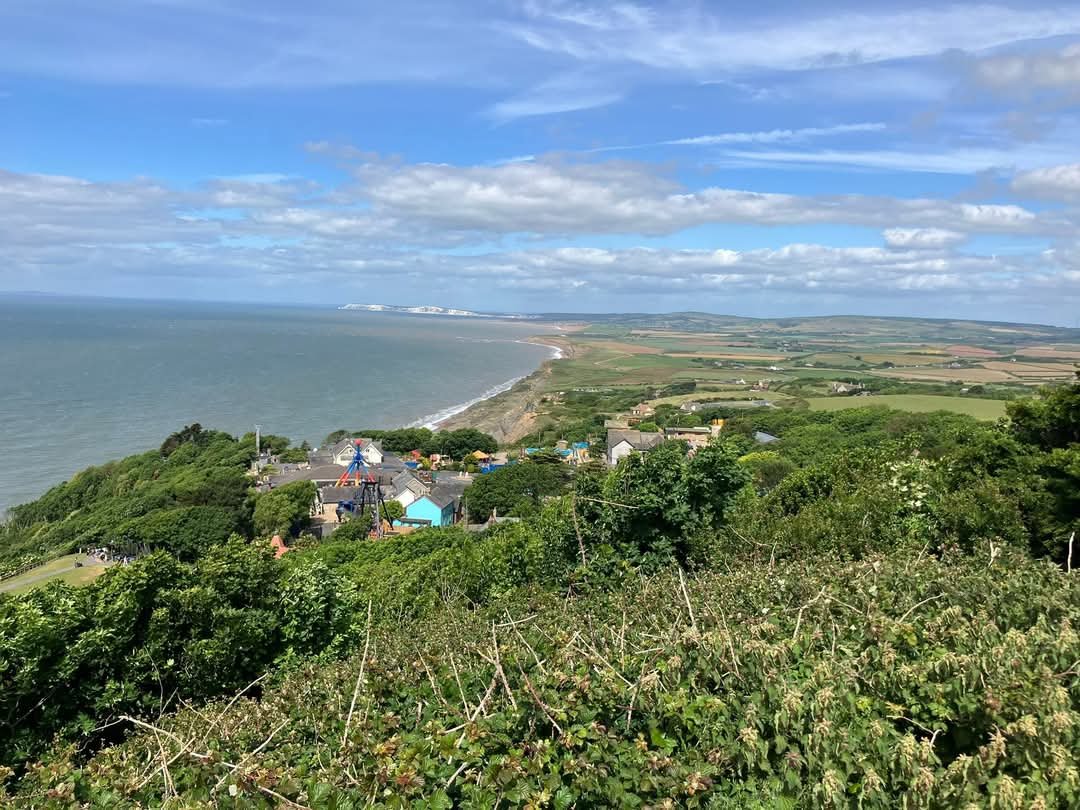
View of West Wight from Blackgang Chine
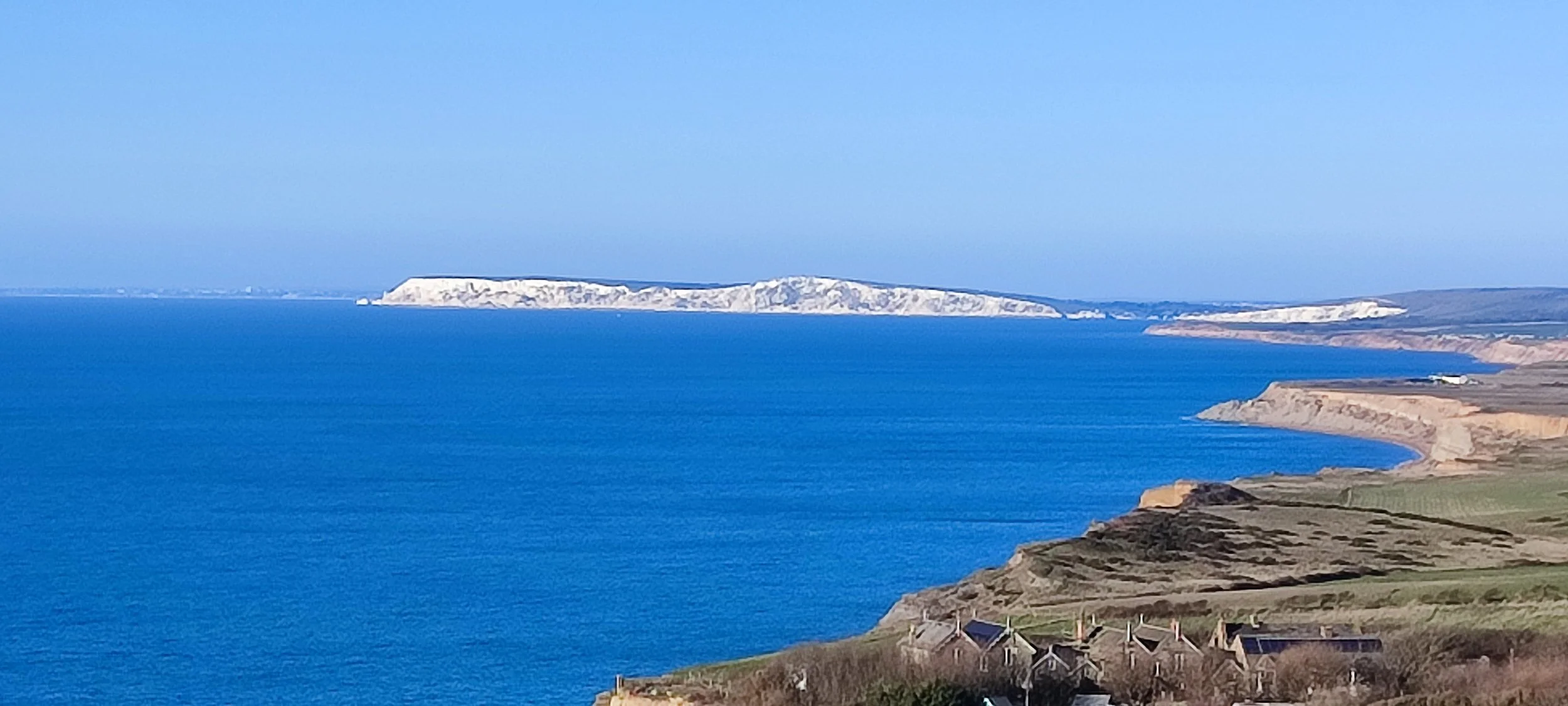
View of West Wight from Blackgang Chine
Waterfall, Shanklin Chine
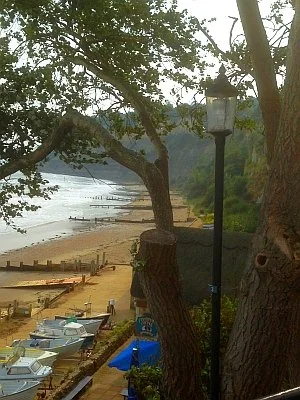
Shanklin Beach
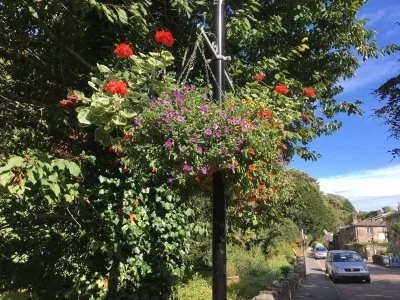
Bonchurch Village
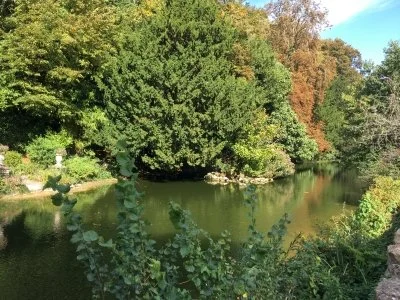
Bonchurch Village Pond
Background Information for those who want to know more…
-
The creation of the Isle of Wight
Running from The Needles in the far west to Culver Cliff in the far east is a ridge of low chalk hills which neatly divides the Isle of Wight into north and south
The chalk spine at the Needles reappears further west at Old Harry Rocks in Swanage on the mainland. This line of rocks was eventually breached by the sea about 8,000 years ago, creating the Island and the spectacular chalk rock formations we see today.
-
Dinosaur finds
The reason for the name ‘Dinosaur Isle’ explained:
The western end of the Isle of Wight is rich in fascinating geological formations containing the bones of dinosaurs. There are many different types or rocks here - sandstones, mudstones and limestones are among the more obvious. Some are full of fossils while others are barren; some are fine grained and others coarse, and there are many colour variations.
All Island rocks are sedimentary in origin (laid down by water) but those in the north were deposited long after the much older Cretaceous-age rocks in the south. Cretaceous sediments are exposed in cliff sections all along the south-east and south-west coasts.
-
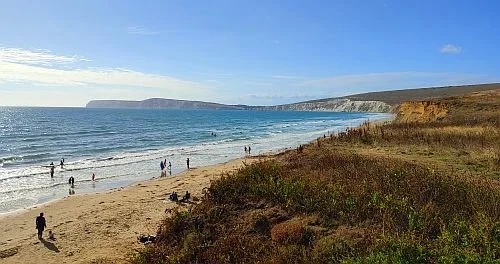
Compton Bay
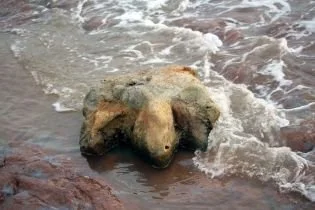
The cliff top here has a gravel layer which has become a burial place of ancient elephants and trees and is about 10,000 years old. This is no time at all compared to the lower rocks which are millions of years old.
There have been groundbreaking finds here which have caused waves of excitement for palaeontologists around the world. Take our tour and let Megan or Oliver tell you more!
Freshwater and Robert Hooke – Polymath and ‘England’s Leonardo’
Robert Hooke, contemporary of Isaac Newton, and referred to as ‘England’s Leonardo’, was born in Freshwater, Isle of Wight on July 18, 1635. He discovered and named the living cell in 1665 and is also known for ‘Hooke’s Law’. Influenced by his native West Wight, his contributions to the ‘new’ natural sciences of geology and palaeontology were groundbreaking – for example, he was the first person to study fossils through a microscope.
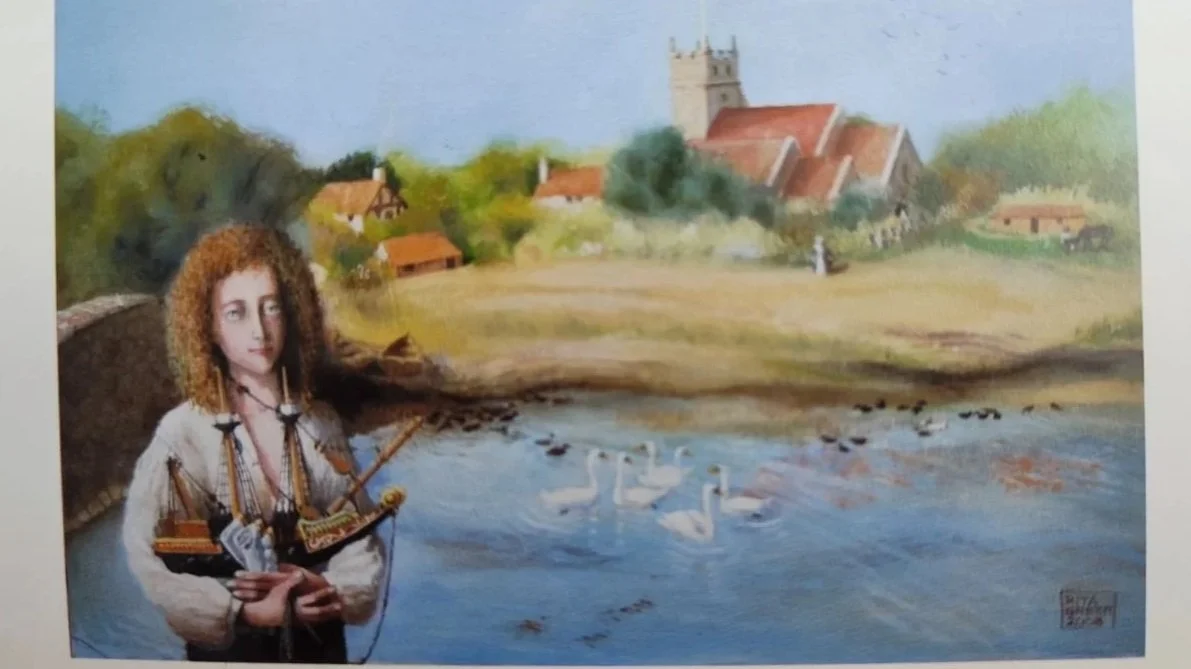
Similarly, his London lectures on earthquakes show him to have been among the first geologists, and a pioneer in the field. Many of his ideas were not only overlooked in his day, but were plagiarised by others (notably Isaac Newton, who tried to write him out of history and in many ways, did a pretty good job at doing so).
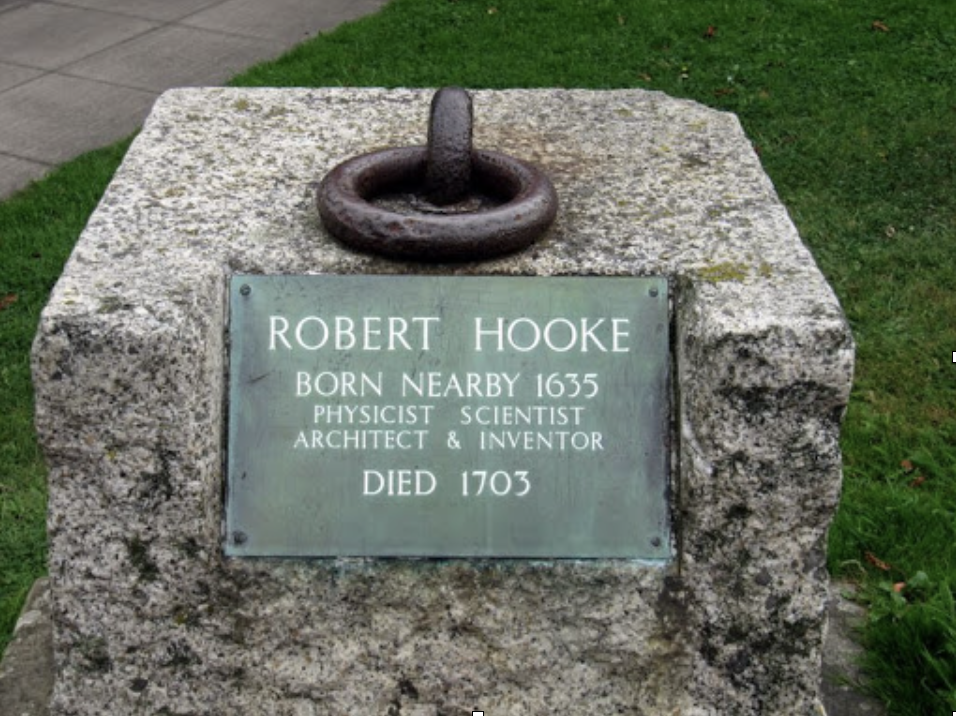
Early Influences of Freshwater Bay on his later career
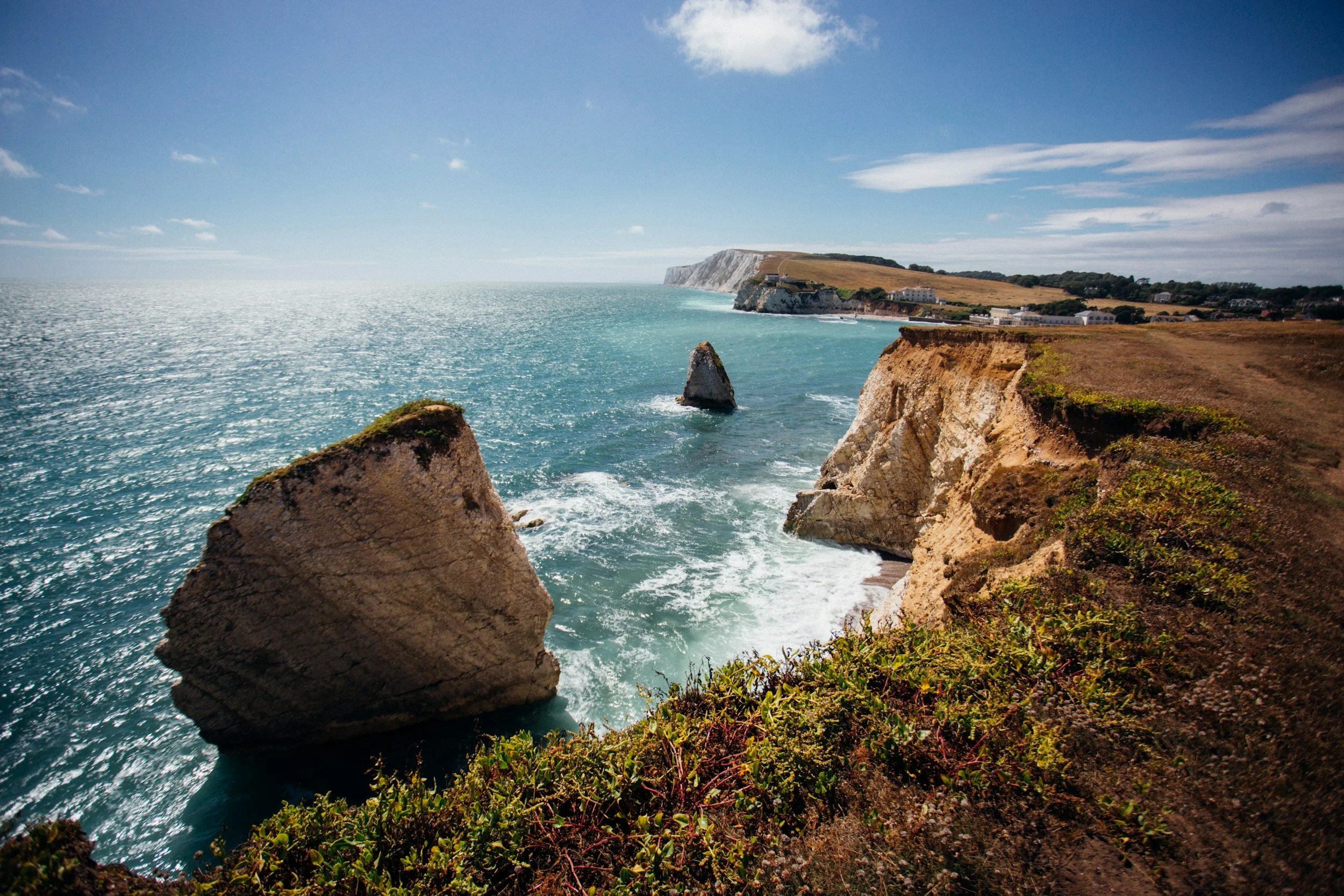
His explorations as a young man living in Freshwater within short walking distance of its fascinating and ever changing cliffs must have sewn seeds that later developed into his fully fledged ideas about the extinction of species, the formation of mountains and the dramatic changes in sea level. It may well have been the result of observing the changes of the cliffs that subsequently led him to doubt the assumption of the time that the world was unchanged from when God created it six thousand years earlier. Such ideas definitely didn’t sit well against the backdrop of 17th century Christian beliefs.
Parallels between Robert Hooke and Charles Darwin
In addition to hypothesising on the extinction of species, Hooke also took issue with The Bible’s view on the earth’s age and hypothesised on the extinction of species. All this is clearly comparable to the thinking of Charles Darwin some 200 years later. Darwin, the world’s most famous geologist, made his way to the Isle of Wight where he enjoyed visiting Tennyson in his Freshwater Bay home. They shared many interests and would sit up late into the night locked in intense discussion. Not only this, but Darwin wrote part of ‘On the Origin of Species’ whilst staying here on the Island.
One could express the view that anyone who imagines that Freshwater Bay has ever been a sleepy backwater might do well to think again!
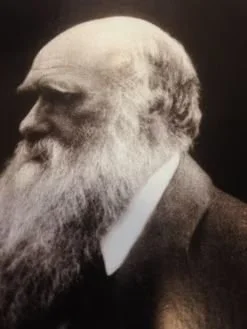
Charles Darwin as photographed at her Freshwater Bay studio by Julia Margaret Cameron (see ‘Victorian Wight’)
Tennyson, Tennyson Down and Geology
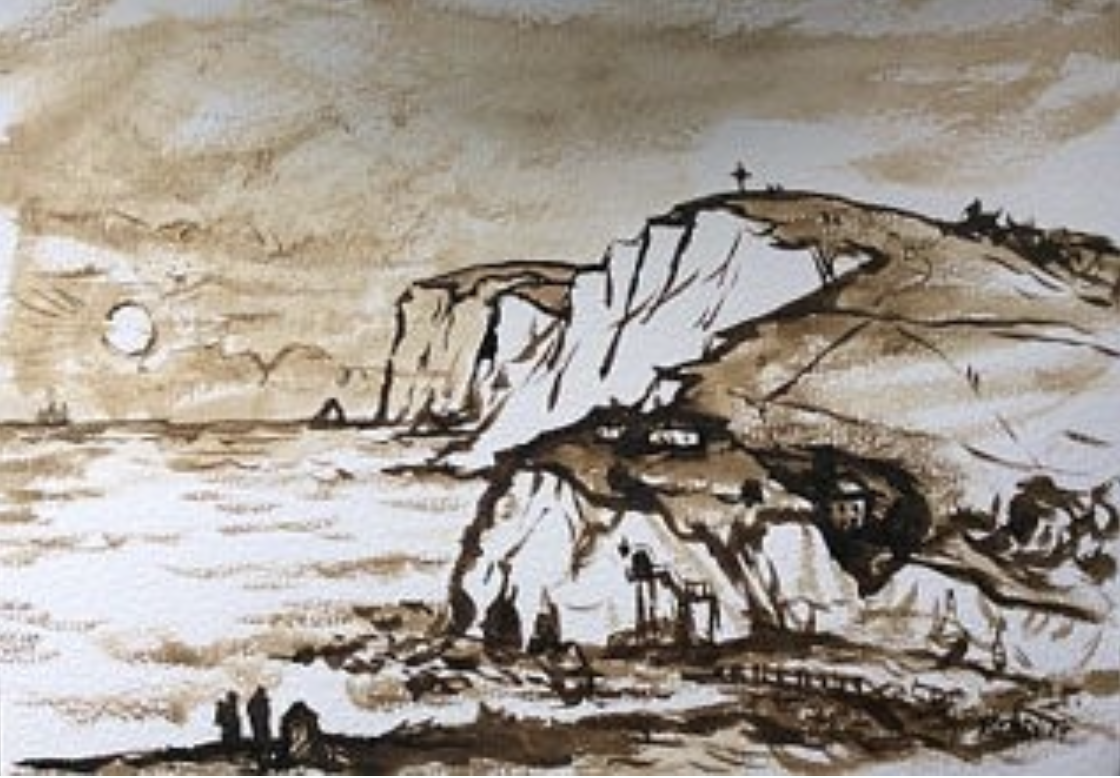
Drawing of Tennyson Down by local artist Anna Keen
In fact, Tennyson studied the geology of the Isle of Wight with great enthusiasm and his delight in it was one of the reasons for his daily walks on the Down (then called the West High Down) – often as far as Alum Bay and back. As his good friend, writer William Makepeace Thackeray’s granddaughter once wrote:
“To us that live at Freshwater, every stone has significance, every green lane and path – association. Great men cast a benediction upon the places where they have lived, and Freshwater is hallowed ground”.
As already stated, the sea from the Needles to Blackgang Chine was and is still quite treacherous. This was in part what fascinated the illustrious poet, who was drawn to the force of nature. There were many shipwrecks – including that of ‘The Hope’, in which tragically all lives were lost (December 1872). This was witnessed by many on shore who must have inwardly shuddered as they watched the clearly visible name of the vessel gradually disappear as it floated past them.
Another interesting link between Hooke and Tennyson
It is believed that some of the stones from the cottage where Hooke grew up in Freshwater village were used in the building of St. Agnes Church, Freshwater Bay (built on land donated by Tennyson’s oldest son Hallam). One of the stones is even dated.
(For more on Tennyson look at ‘Victorian Wight’ and ‘Literary and Musical Heritage’.)
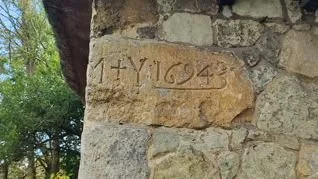
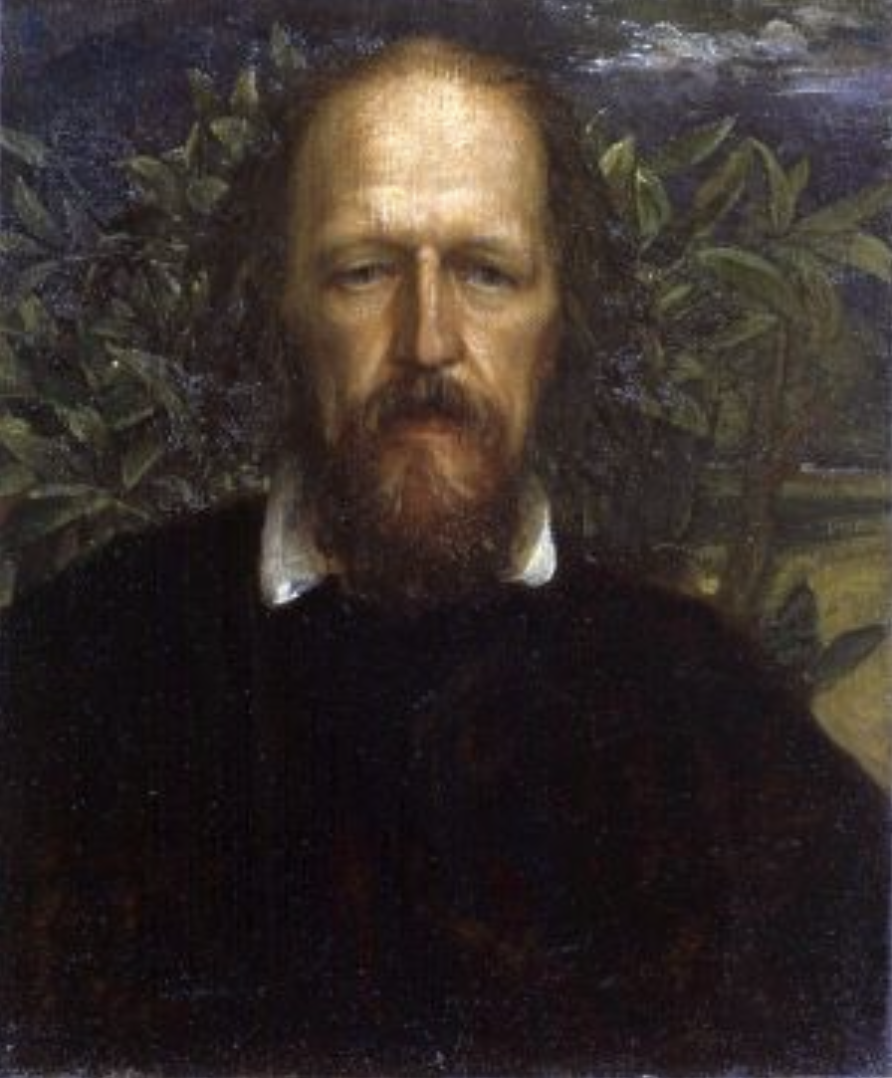
Poet Laureate Alfred Lord Tennyson, painted by his good friend G.F. Watts
Ready to Explore the Island’s Ancient Past?
If you’d like help planning a fossil-focused visit or want to include a geology walk in your tour, Jane will be delighted to arrange this for you. She can connect you with the relevant experts who know the best spots to show you and between them, they will shape a day that magics the Island’s prehistory into the here and now for you.