
War and Peace
This is not an attempt to give a complete potted history of the Island, but we have simply chosen a few periods, events, places and people that we know a lot of you will be interested in. We hope you might find components for your personalised tour here. Or indeed, you might decide on a tour based entirely around places we have mentioned in this section.
Many invasions - some brutal, some not and some we were thankfully spared
Throughout history, Islanders have lived in constant fear of attack from various sources. Nestled as it is, just off the south coast of England, it’s a mere stepping stone to the important ports of both Portsmouth and Southampton, and therefore the obvious place for invaders from Europe to attack.
Defence and fortification have always been uppermost on the mind of Islanders. In fact, very fortunately, many perceived threats never materialised – but who knows if the strong fortifications put invaders off or whether they were just naturally redundant.
The so-called ‘Palmerston Follies’ for example (which include the four Solent forts) - built to afford protection from French attacks - were never actually used.
Nor did the predicted and much-feared landing on Isle of Wight soil by either the Spanish Armada or the Germans in WW2 materialise.
Solent fort
400 years of a peaceful ‘Vectis’
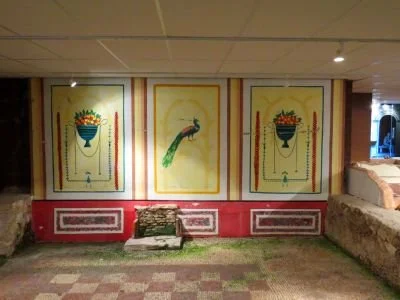
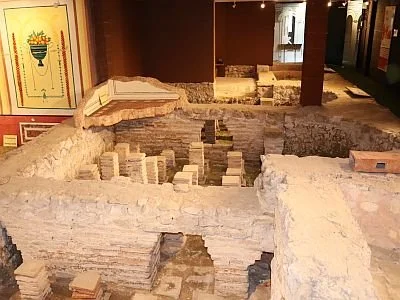
The long Roman period on the Island of Wight was in fact very peaceful. They called the Island ‘Vectis’ – a name which is still retained to a degree, e.g. our Island bus company is called Southern Vectis.
It is unsure as to how permanently settled individual Romans actually were here as they neither built towns nor did they build roads. In fact, they had already been trading with the Island prior to the invasion by Vespasian in AD 44. They did build villas – most of which are not fully excavated, some not (yet) even found. However – there are two that are open to the public and shouldn’t be missed if this is a period that interests you. Brading and Newport Villas are completely different yet equally fascinating and both give a lot of insight into how the Romans actually lived here.
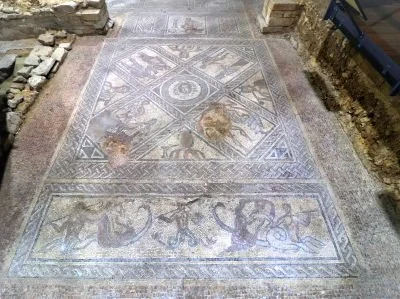
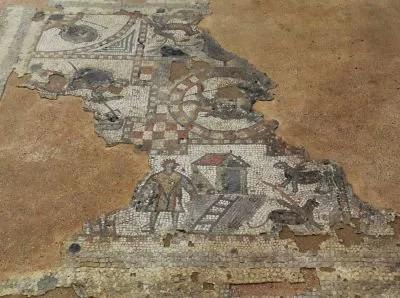
One thing they did while they were here was to plant vineyards and make wine. This was facilitated by the Island’s moderate climate, especially in the eastern part of the Island which benefits from a microclimate (one of the reasons the Romans probably felt so at home here).
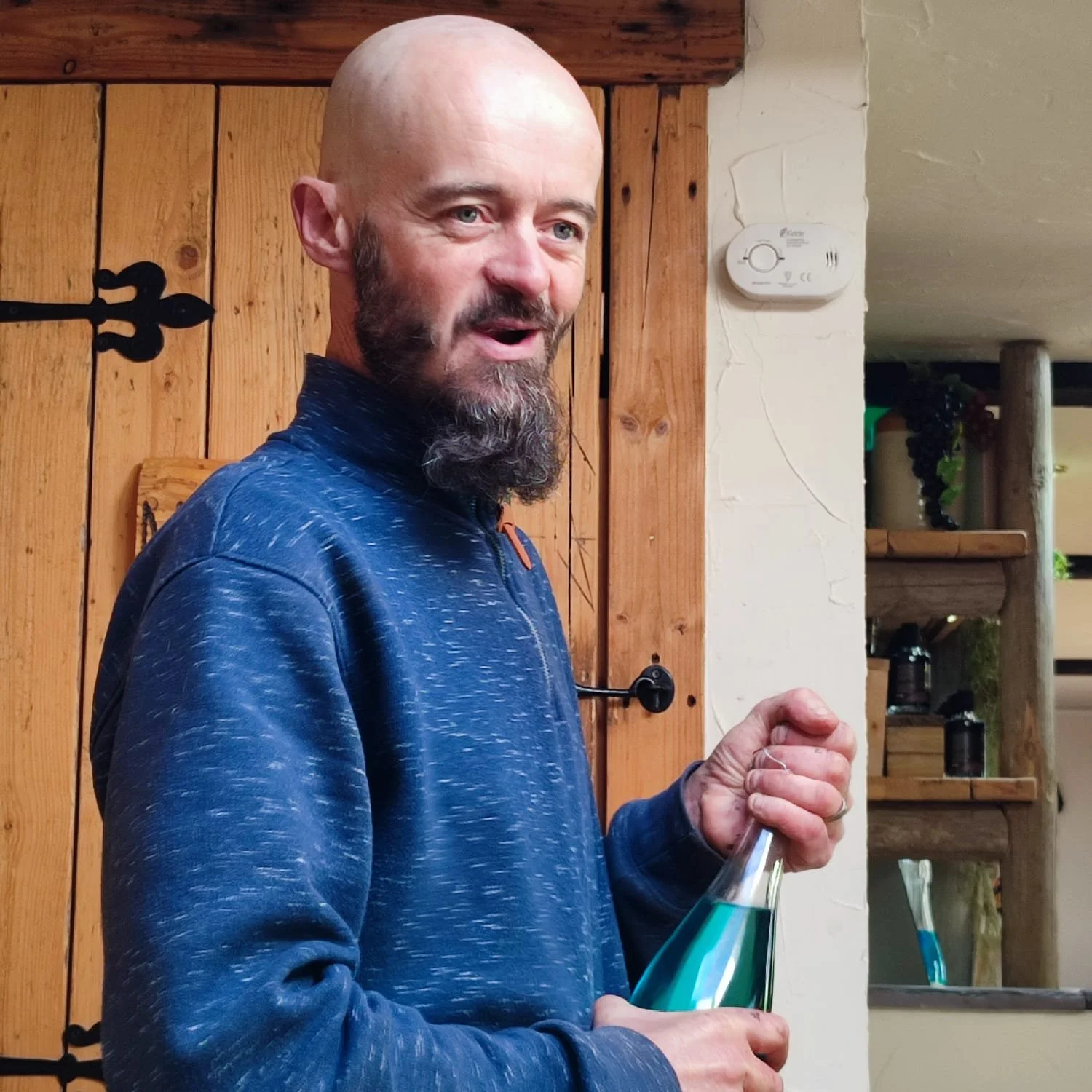
Adgestone Vineyard in Brading has carried on this tradition and produces excellent wines of all colours – white, red, rosé, oh, and blue? Yes, we know that a lot of you come over already knowing about this unique product, a lightly bubbling Cuvee – the only blue sparkling wine made in the UK and moreover, the only blue sparkling wine in the world made in the ‘methode traditionnelle’. Let us take you over there to try it!

It is sometimes said that the Romans were our first tourists, those not actually living here, getting news of its beauty from the ones who were and then coming over to see for themselves.
If you would like us to design a Roman tour for you (including one or both Villas), or at least a Roman component to your tour – please let us know. We have experts on hand who will be only too happy to guide you.
War in the name of religion
The massive bloodshed caused by the forced ‘Christianising’ was quite horrific. The invasion of the Jutes after the Roman period was particularly violent. Over time, however the Anglo-Saxon period settled down to be relatively peaceful. The last Anglo-Saxon King was Arwald. He was only actually King of a handful of people, but nonetheless, they were a peaceful people living harmonious lives, hunting, growing crops and making items needed for daily life from wood, clay and iron as well as more artistic objects such as jewellery – traditions in fact which still flourish on the Island today.
They were extremely connected to nature and worshipped pagan gods such as Woden and Thor. They were called the Wihtwara.
While the rest of the country was being brutally converted to Roman Christianity, King Arwald was determined to preserve the Island’s pagan way of life. However, he was killed by Caedwalla the barbaric King of Wessex who was another invader, brutally and abruptly bringing to an end both the peaceful existence of the Wihtwara and the last pagan rule within England.
Caedwalla was heavily under the influence of a powerful evangelising bishop who was responsible, with the support of the Pope, for ‘christianising’ mainland Britain. The Isle of Wight was the last place to be subjected to the terrible ordeal of forced conversions and renunciation of their pagan beliefs and the bloody massacres which this meant for many.
Roman villa with Culver Down c 300 AD
Castles of Wight
The Island has four ‘castles’ according to the British meaning of the word (we know our American friends use the word in a slightly different way).
The four are Carisbrooke Castle (Central), Yarmouth Castle (West), West Cowes Castle (North) - now incorporated into the Royal Yacht Squadron - and Norris Castle (North), shown right, and now inside the grounds of the Osborne estate. Only two of them are open to the public.
Carisbrooke Castle (English Heritage) Central-Wight
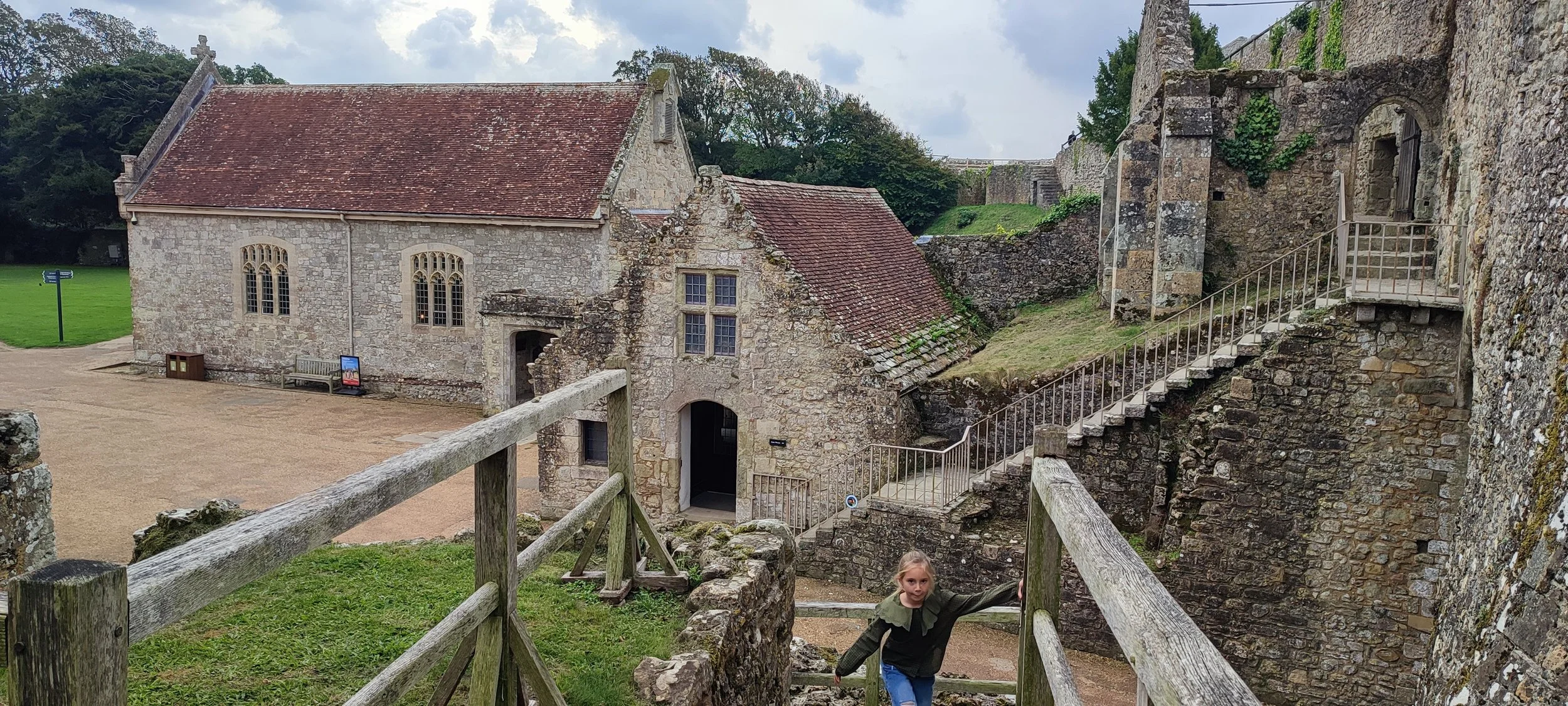
The site itself was originally an Anglo-Saxon fortified settlement but in 1066, after the Norman conquest, Willaim FitzOsbern built himself a wooden castle here. From 1102 onwards the castle has been a traditional motte-and-bailey castle made of stone. Over its more than a thousand years’ history, it has inevitably undergone pretty regular and massive changes, both of structure and usage. However, what has remained constant is its importance as a place of power and defence.
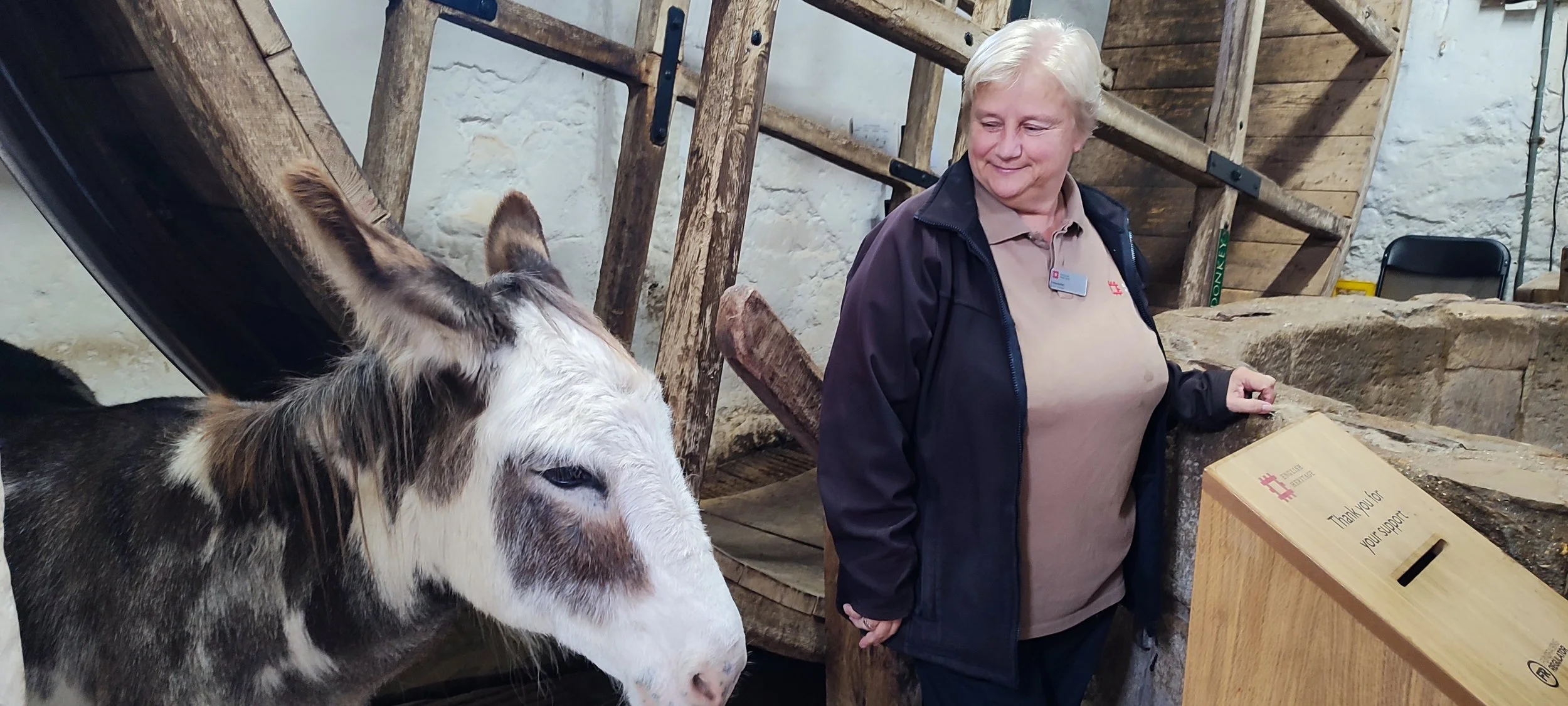
Let us guide you round the Castle, bringing both it, and more importantly, the characters who have inhabited it, to life for you!
The Gatehouse as painted by J.M.W. Turner
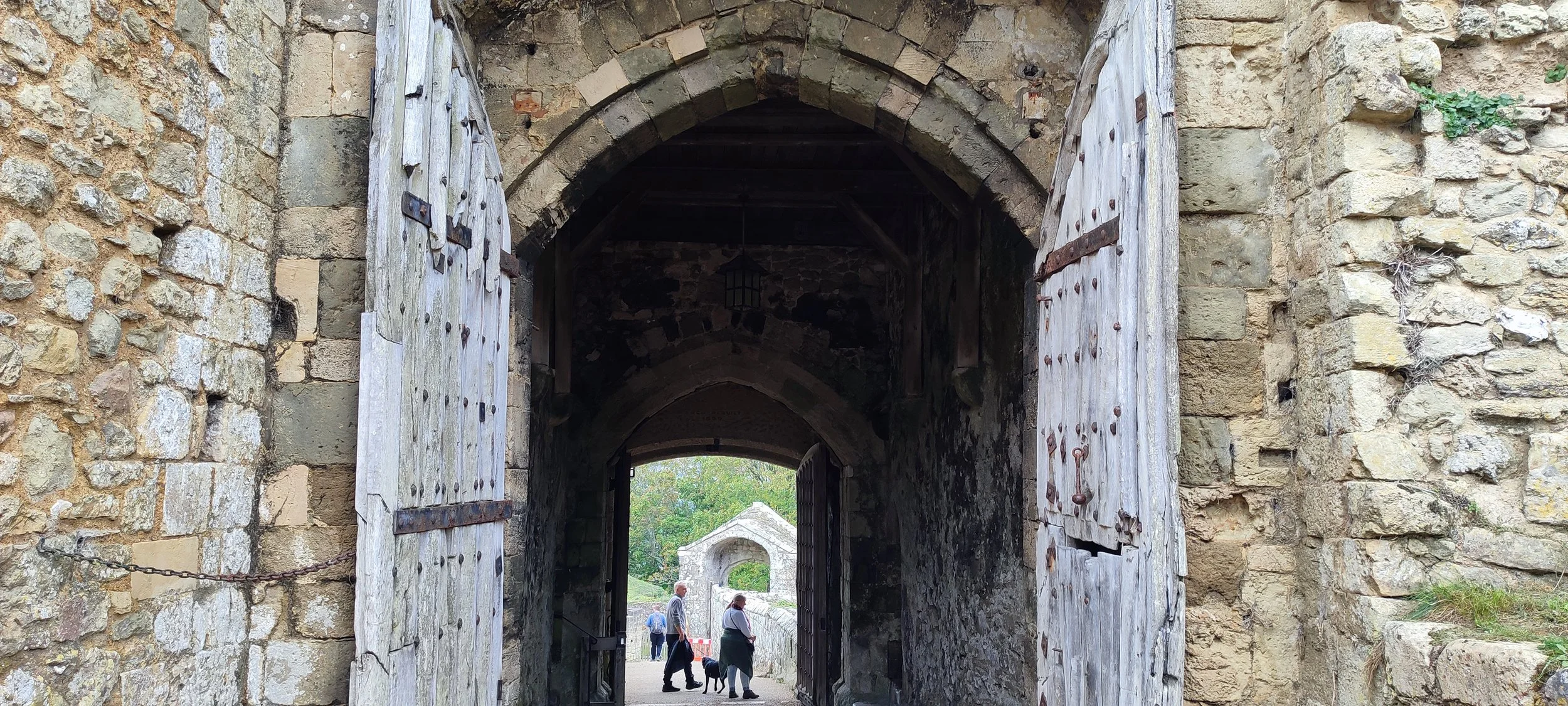
Here, its beautiful gatehouse (on which our logo is modelled) is wonderfully depicted by Turner. Come and see the original for yourselves inside the Castle Museum.
Turner visited the Isle of Wight several times, notably for a period from 1795 and again from 1827 (interestingly, on this last occasion, he was the guest of his friend and patron John Nash in yet another Island Castle (which no longer exists), namely East Cowes Castle, which the famous architect designed, built and lived in.
(For more about Turner on the Isle of Wight, see ‘Victorian Wight’ - Freshwater section).
200 Years of Isle of Wight Independence
When William the Conqueror defeated King Harold in 1066, thereby seizing control of our land, the Isle of Wight was somewhat sidelined and fell under the ‘ownership’ of a cousin of Wiliam’s, remaining virtually independent for a period of some 200 years.
The King of the Castle - Charles I
This was also where King Charles I was held prisoner for just over a year from November 1647 after being deposed by Oliver Cromwell.
The English Civil War is a hugely significant period of English history which we know is of great interest to many of you and will be another reason which brings you to Carisbrooke Castle.
Cromwell held the doomed King prisoner here on the Isle of Wight and subsequently did the same to his youngest son and daughter – another fascinating tale!
Come and learn with us how it was that the Castle and indeed the Island, turned out to be some of the last sites that this obstinate King would ever see in his lifetime before being forcibly marched up to London to meet his brutal death.
The Medieval Queen of the Castle – Isabella de Fortibus
‘Queen Isabella’ , as she was often referred to was more officially, ‘The Lady of the Isle of Wight’. To be 100% correct, she held the title ‘Lord of the Isle of Wight’ – because, unsurprisingly, this title had never been bestowed upon a woman before.
She effectively ruled the Isle of Wight for the last 30 years of her life (from 1262 -1293) - her main residence being Carisbrooke Castle (although she owned other properties on the mainland). She was a remarkable feisty woman who also holds the further accolade of undoubtedly being the most significant woman the Isle of Wight has ever witnessed from the perspective of purely Island-based influence and power.
It was only upon her death that the Isle of Wight was sold back to the English Crown after its 200 years of independence.
Hers is a fascinating tale which we will love sharing with you.
Isabella at Carisbrooke by Charlotte Reynolds 1920
Two Princesses of the Castle – Elizabeth (left) and Beatrice
One was, as already alluded to, Princess Elizabeth, youngest daughter of Charles I, who died in the Castle in captivity aged just 14. Not imprisoned at same time as her father – but over a year later.
A tragic story – one which we will tell you during your tour!
We will also show you her lovely burial place in the nearby Newport Minster (also known as Saints Thomas).
The other was Princess Beatrice, another youngest daughter, this time of Queen Victoria and Prince Albert.
Princess Beatrice became Governor of the Isle of Wight after the death of her much-loved German husband, Prince Henry of Battenberg, who held the position before her. She proudly took over the position of Governor of the Isle of Wight from the time of his death until not too long before her own. Carisbrooke Castle was long home to the Island’s governors hence she is another very important person who has put her stamp firmly upon the Castle – which we will explain during your tour.
And an extra Princess for good measure!
This one isn’t a youngest daughter but an eldest daughter and has the same name as one of the other two! It’s an entertaining anecdote which I will be happy to share with you during your tour!
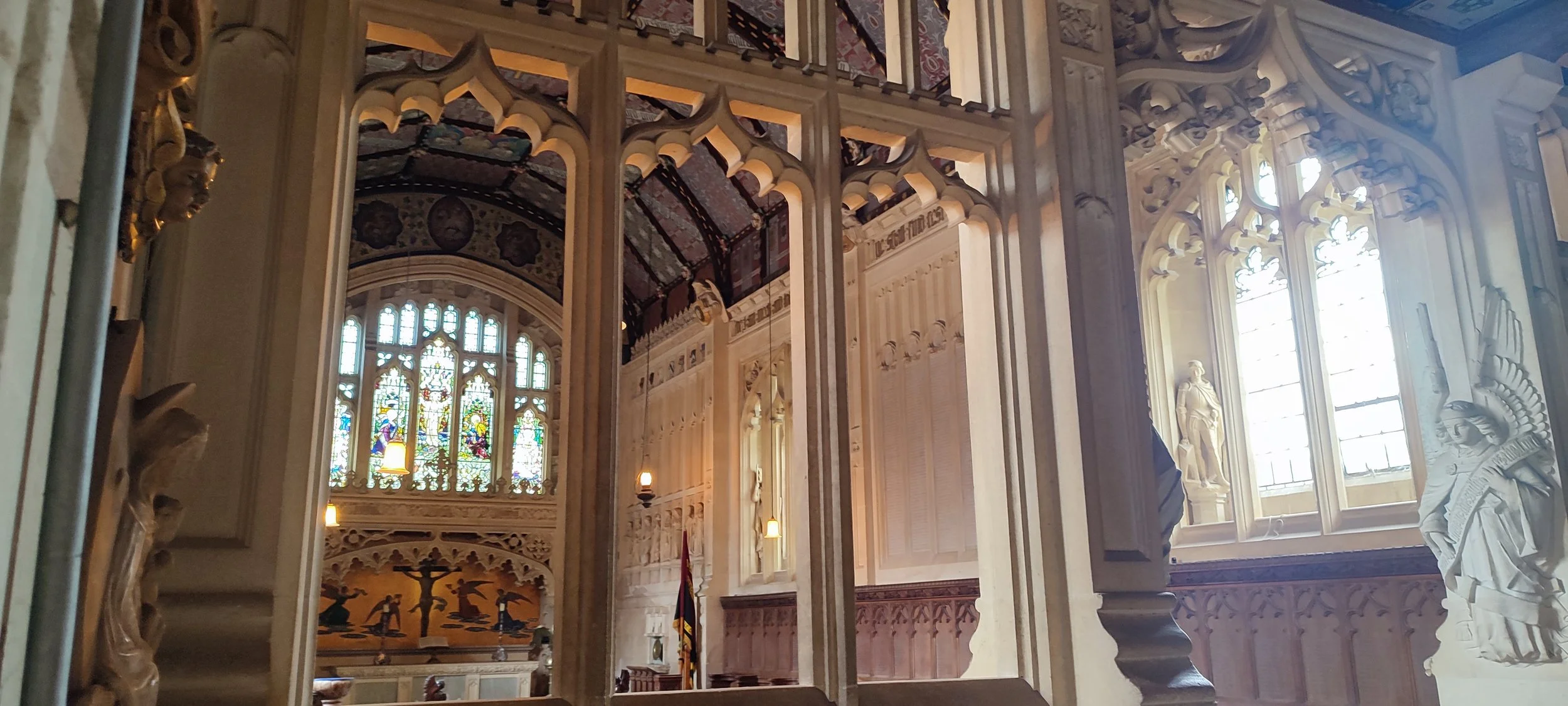
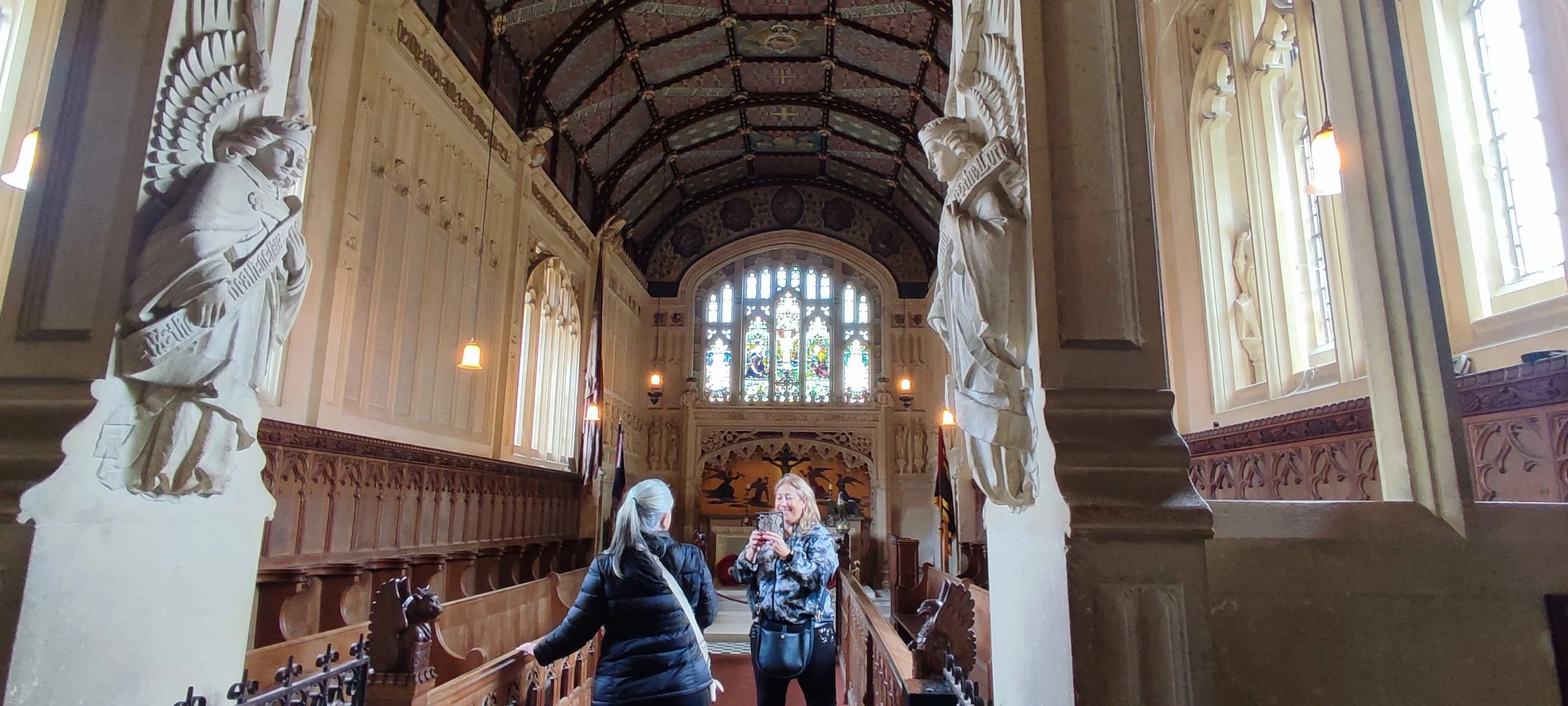
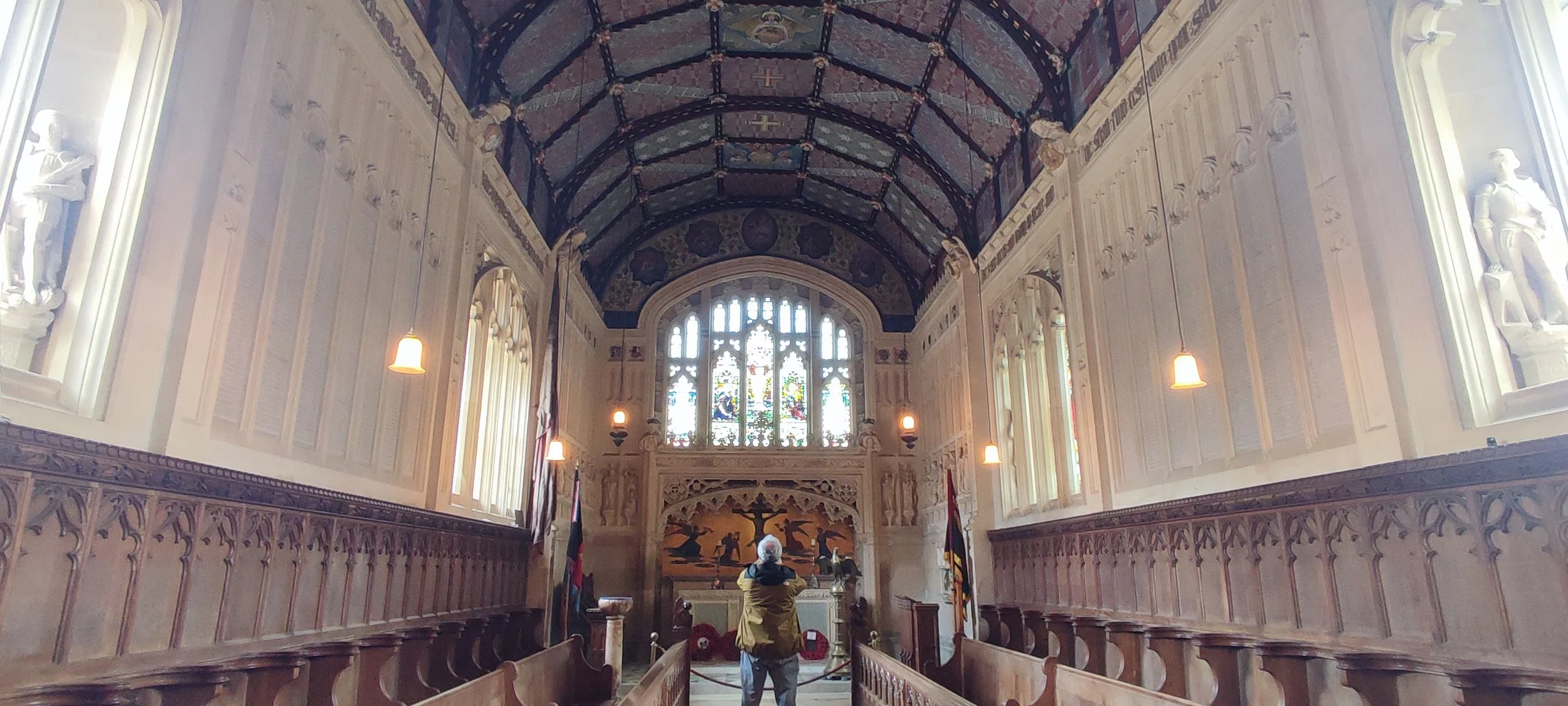
King Charles I’s Chapel – Chapel of St. Nicholas in Castro
This Chapel is inside the Castle grounds and was rebuilt in 1904 as a national memorial to Charles I.
It is also home to the Isle of Wight County War Memorial, designed by Percy Stone.
The original chapel on the site was founded in 1070, but what we have now was largely rebuilt in 1738.
Princess Beatrice commissioned an altar painting to commemorate her son Maurice who died in the Battle of Ypres (1914), a very costly battle of WW1.
We really can’t wait to tour the Castle with you!
Yarmouth (West) under attack
Yarmouth was first mentioned in AD 991, then known as ‘Ermud’, meaning ‘the muddy estuary’. It received its first charter in 1135.
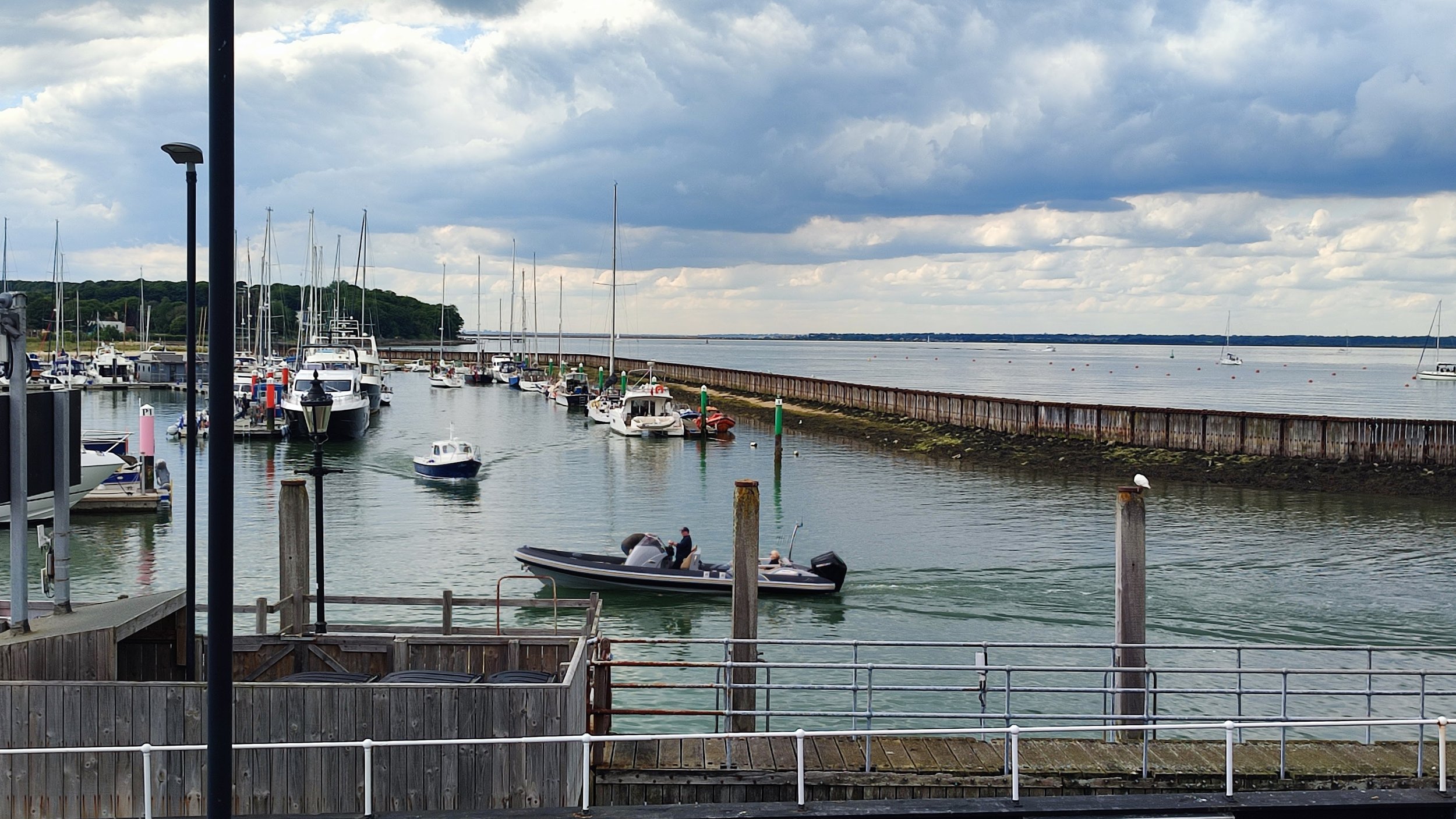
The Western Yar Estuary, complete with picturesque mill house, is on one side and The Solent and its beautiful little harbour on the other.
Owing to its extreme vulnerability, tragically it was attacked and burned by the French in 1377 and again in 1545. (This was the attack in which the Mary Rose was lost in the Battle of the Solent.Yarmouth has, in fact, risen like a phoenix from the ashes of the devastation of war not just once, but twice. As such, it has definitely earned its special place in this section.
Cowdray engraving of the French invasion 1545 shows Mary Rose
Yarmouth Castle (English Heritage)
Yarmouth Castle is a Tudor artillery fort built by Henry VIII in 1547 to protect this little harbour on the extreme West of the Island from further French attack.
It is a square castle which is less than 100 feet across, initially equipped with 15 artillery guns and a garrison of 20 men.
It was the first English fortification to feature an ‘arrowhead’ angle bastion, an innovative Italian design.
It was in fact the last of Henry’s coastal defences. The Castle saw military use through two World Wars.
If you climb the battlements, you can enjoy magnificent views of the sailing taking place in the Solent.
Yarmouth today
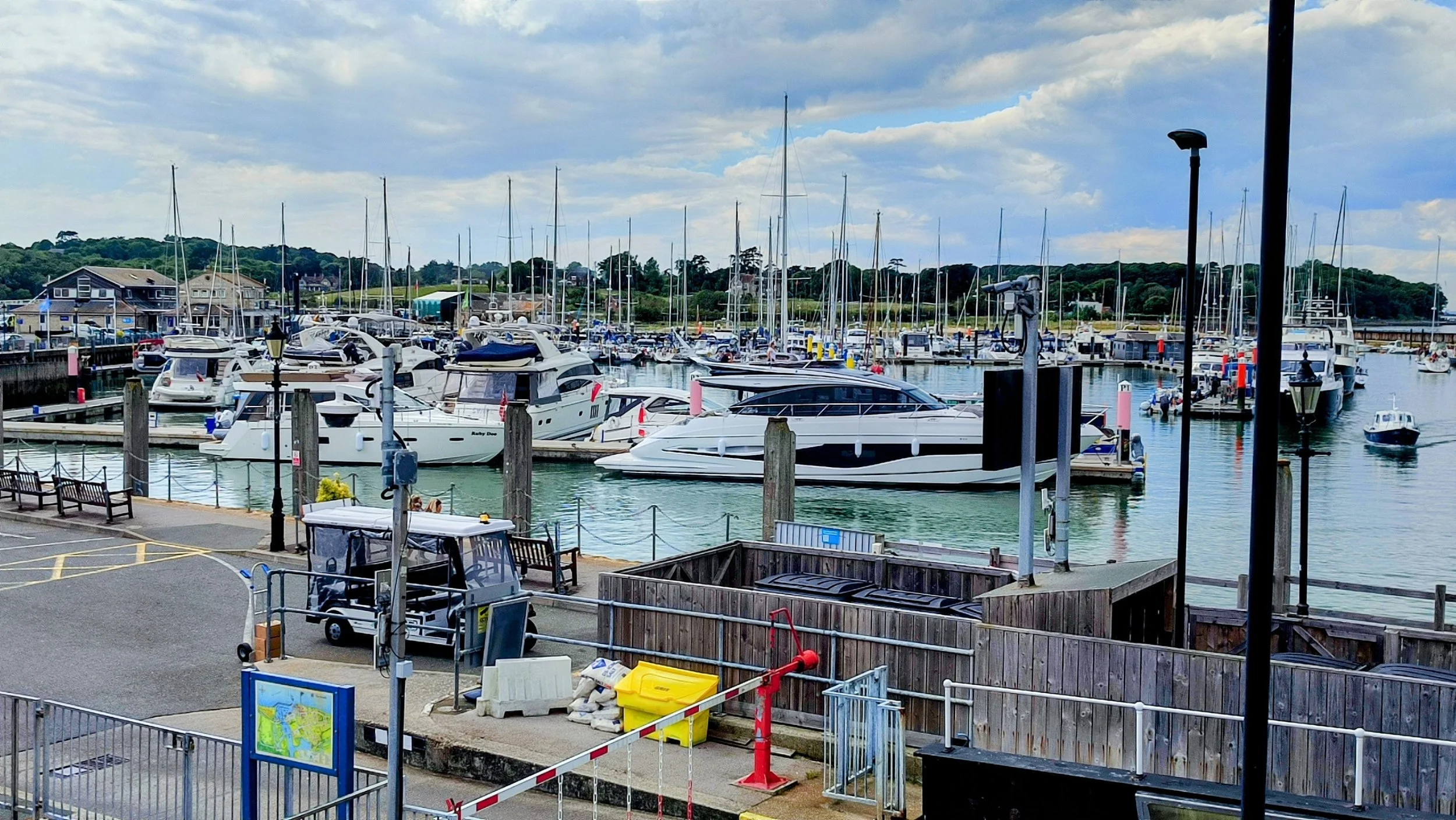
Yarmouth is the smallest town on the Isle of Wight and second smallest in the whole country. It is also the oldest town on the Island.
Its quaint old streets (laid out in a Norman grid system) are full of stylish and individualistic shops, cosy tea houses, restaurants and pubs, all brimming over with character, which ensure that the town is as much loved by locals as it is by tourists.
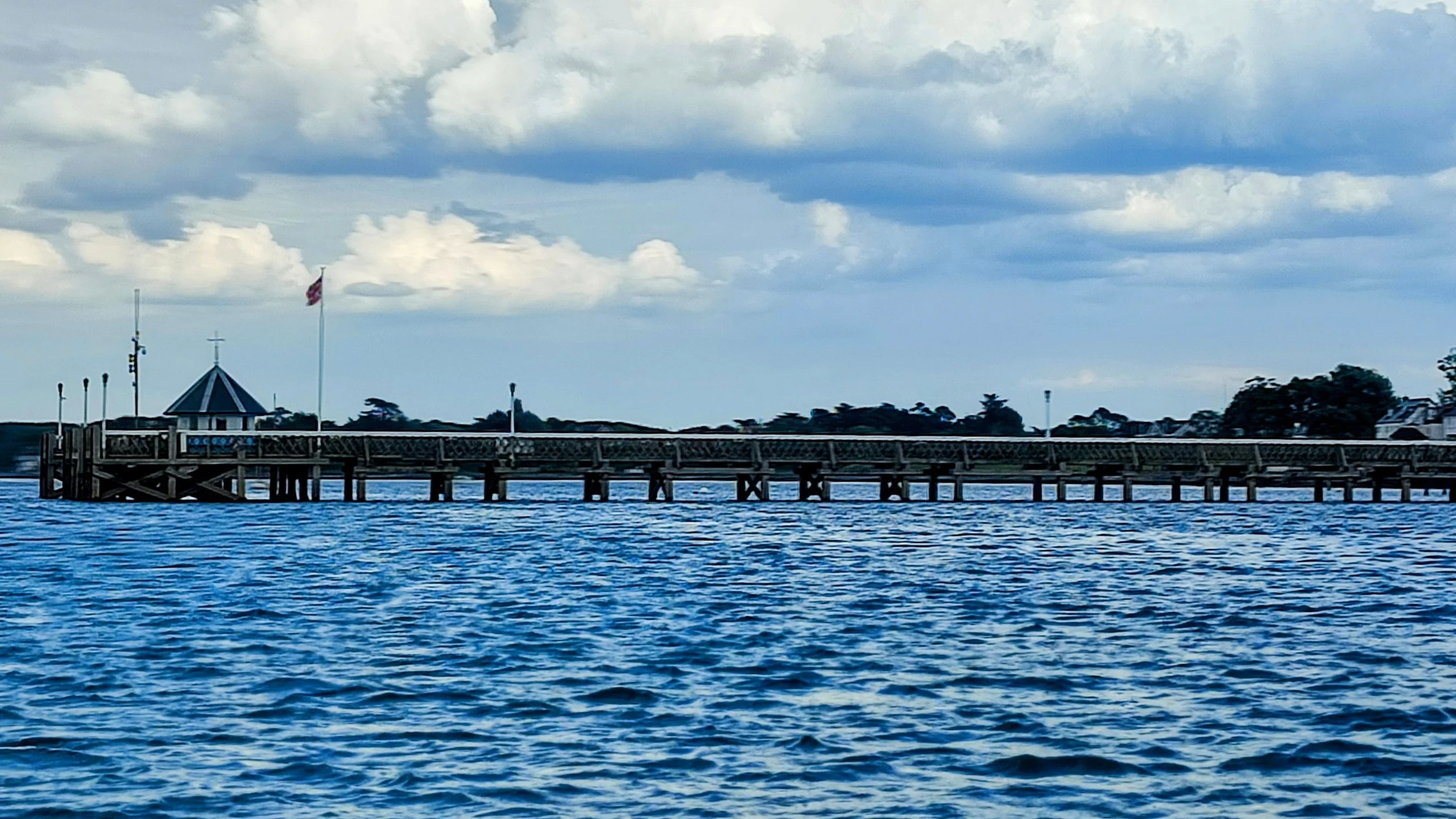
Its wooden Grade II listed pier (right) commands a magnificent view of the town’s lively shipping activity, including the comings and goings of the Lymington ferry. The pier is unique in that it is the only entirely wooden pier in the British Isles, built with timber piles and decking. It was opened in 1876 as a deep-water terminal for paddle steamers.
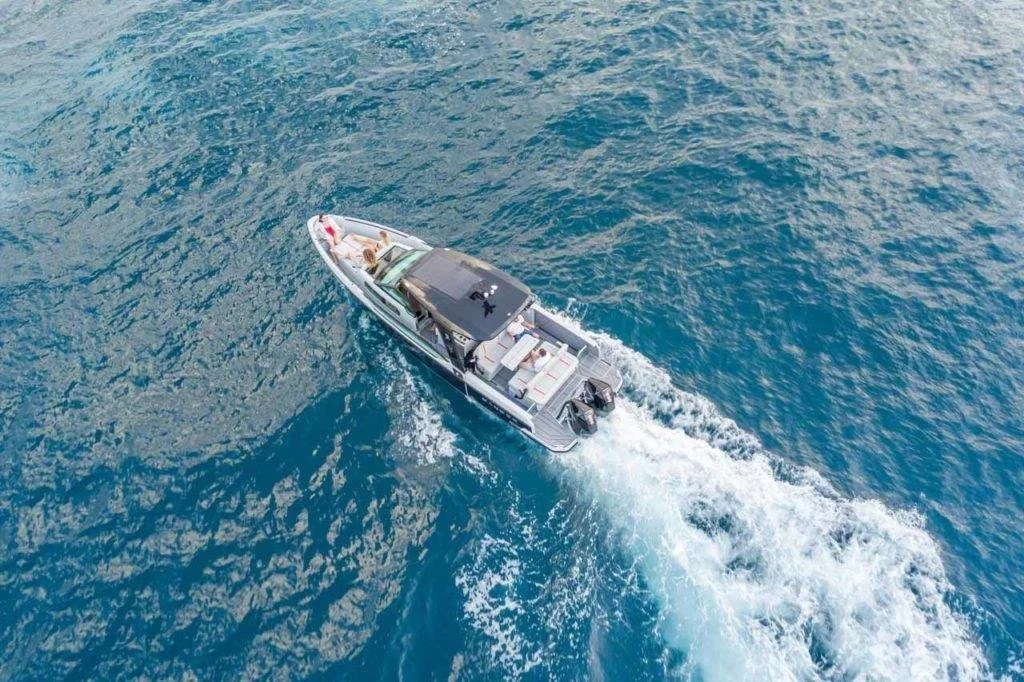
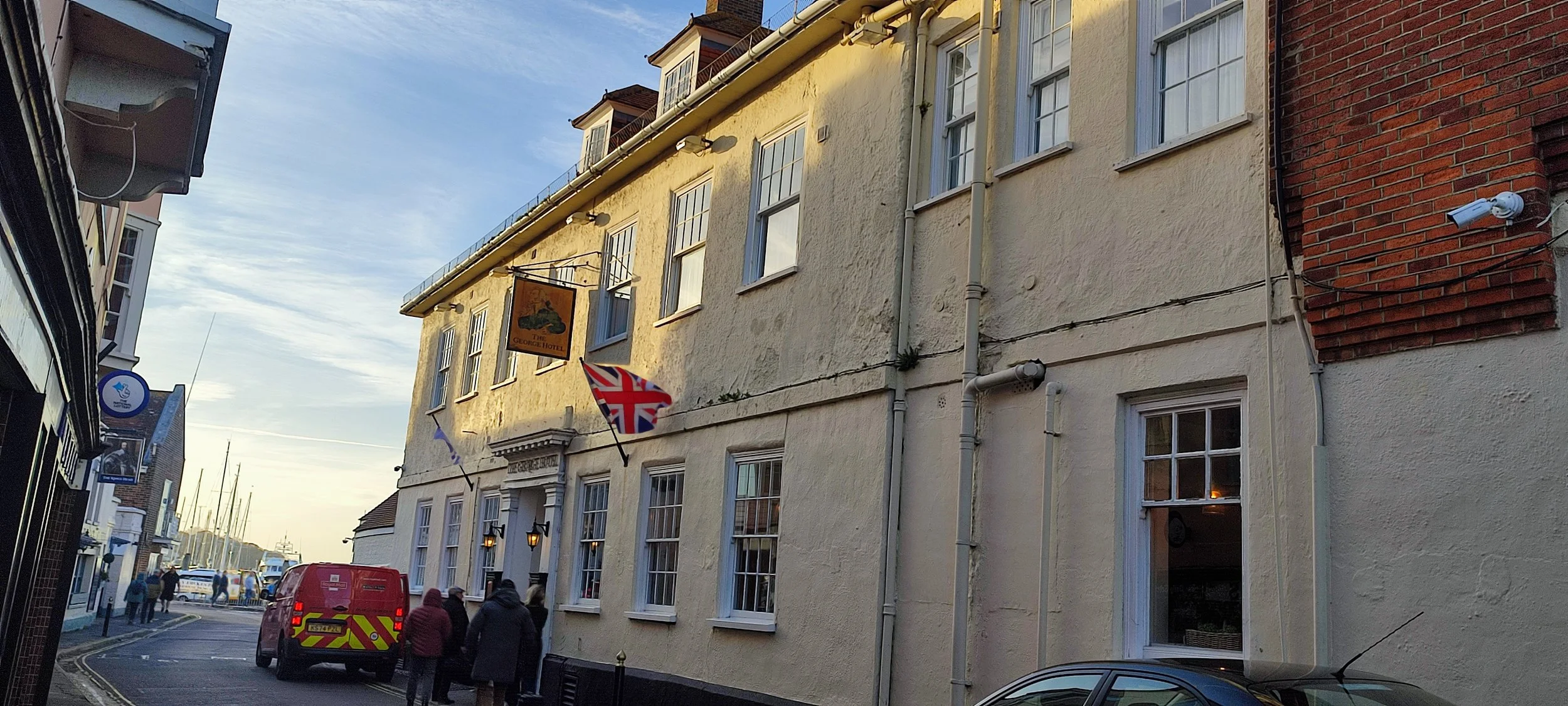
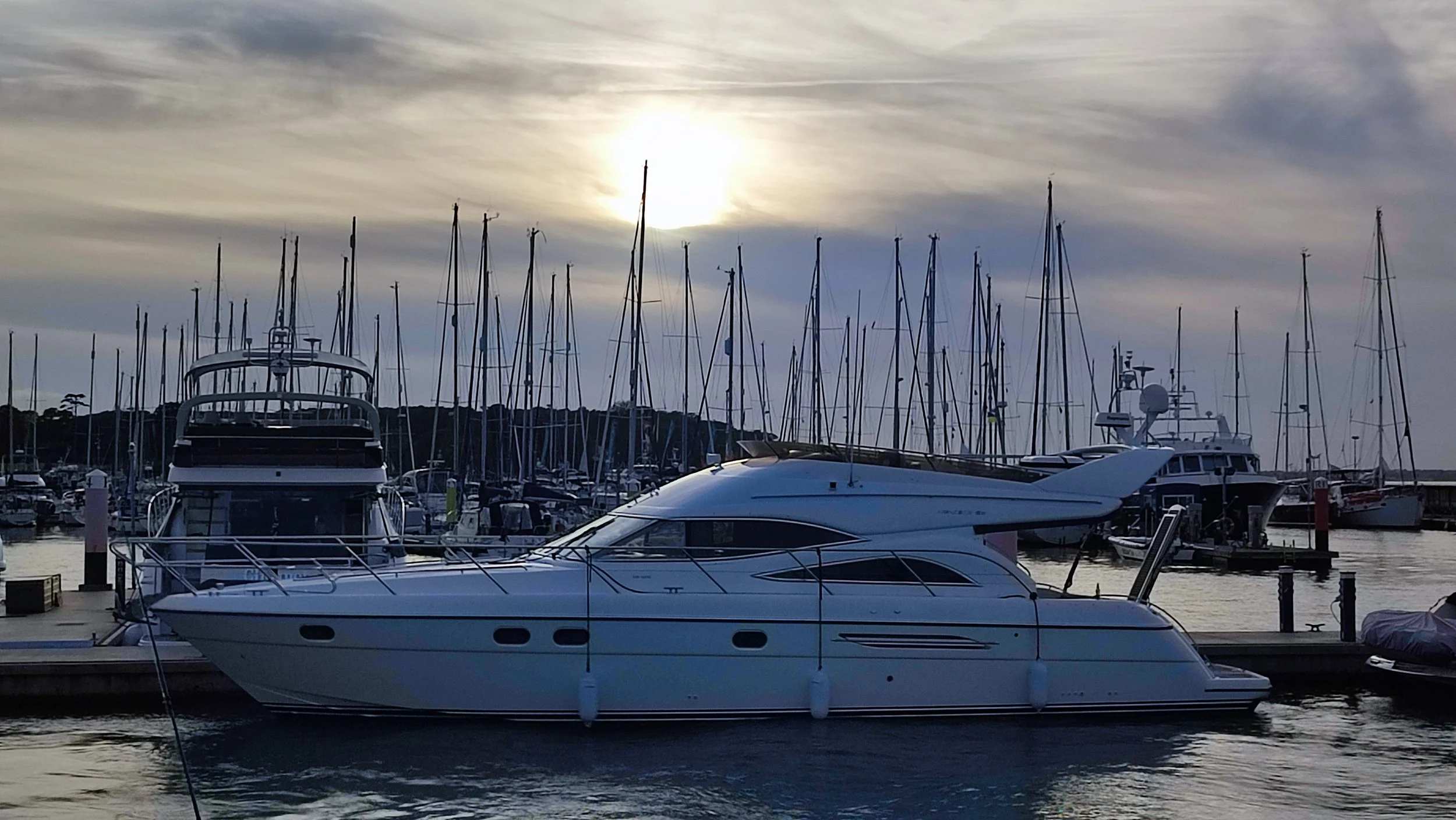
Next to Yarmouth Castle is what is now ‘The George Hotel’ (pictured right and bottom of page) – a superbly situated 3-star hotel with its enticing Italian-inspired beachfront garden, packed in the summer months with people enjoying not only its prime location but its delightful gastronomy. It also owns a luxurious powerboat (right) which we can arrange for you to hire if you wish to do so, whether residents or non-residents of the hotel.
At one time this was the home of Isle of Wight Governor Admiral Sir Robert Holmes and is where he famously entertained King Charles II.
If you are interested in the story of Robert Holmes, Yarmouth-based historian Kevin Shaw is able to deliver one of his many fascinating illustrated talks on the subject. Just ask us and we can arrange a talk (if your party consists of 10 people or over).
St. James’ Church
With pride of place overlooking The Square, historic St. James’ Church has a surprising statue inside which may or may not be displaying the wrong head!
This quaint church was built in the early 17th century after the previous one was destroyed.
We very much look forward to guiding you round Yarmouth!
WW2 History
The Isle of Wight inevitably suffered bombing during WW2, not only because of its very close proximity to the important mainland south coast ports of Southampton and Portsmouth (home of the British Navy), as has already been said, but also on account of its being near German-occupied France. The Island hosted observation stations, transmitters and the RAF radar station at Ventnor, and from 1943, another one on Culver Down (now gone). This was also home to a radio station that played a critical role in controlling D-Day operations and feeding intelligence traffic to Bletchley Park.
Many of our clients are interested in WW2 history and we have the perfect partners to work with you here. Tim Wander has already been mentioned regarding Northwood House, Cowes on our ‘Royalty, Racing & Rigging’ page. But here he is again with a different hat on, this time as Trustee and Project Manager of Bembridge Fort (Culver Cliff).
Tim is a historian and author of books too countless to mention, ‘Culver Cliff And The Isle of Wight at War’ being just one of them.
Tim Wander with WW2 indicator loops
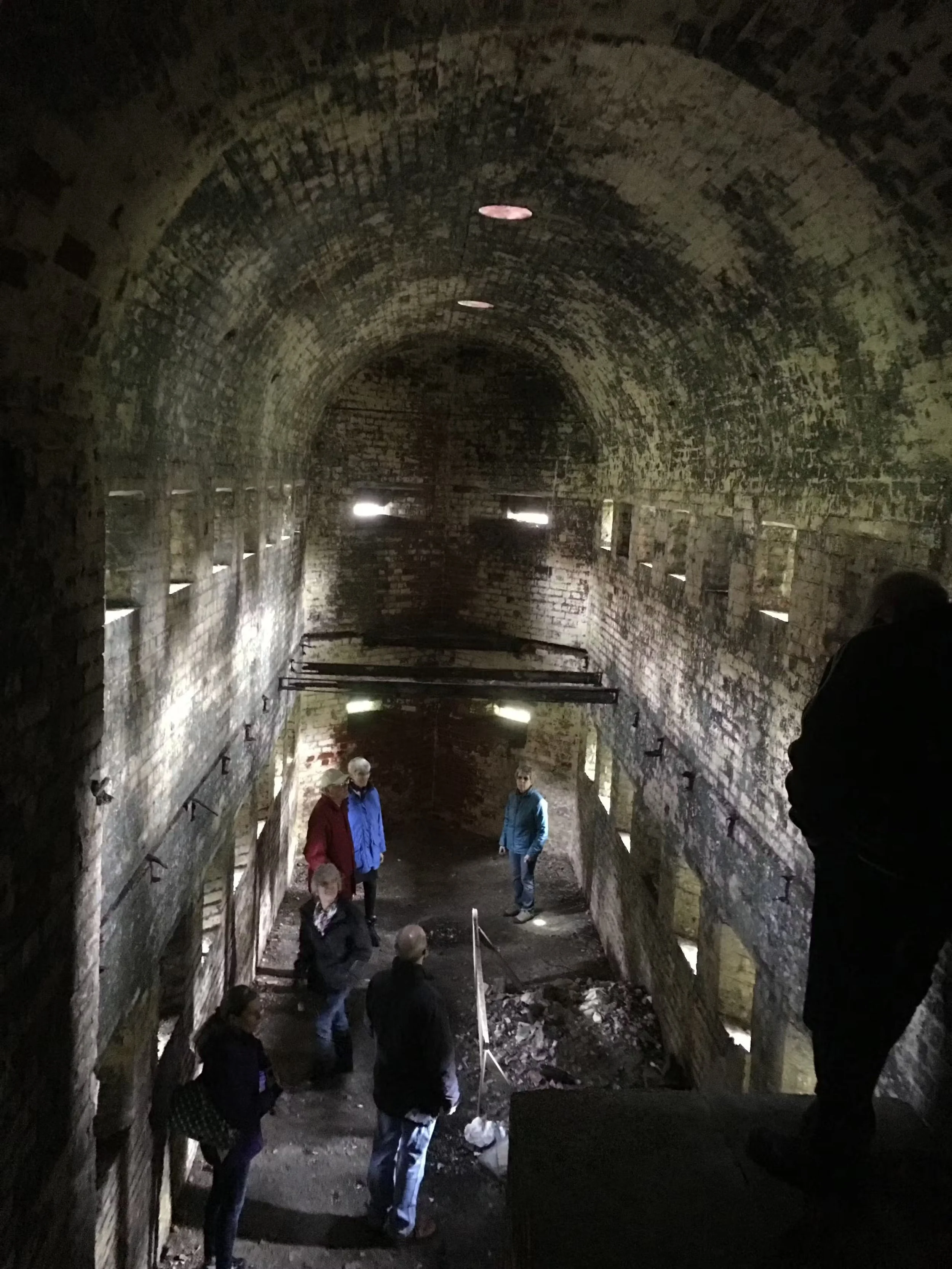
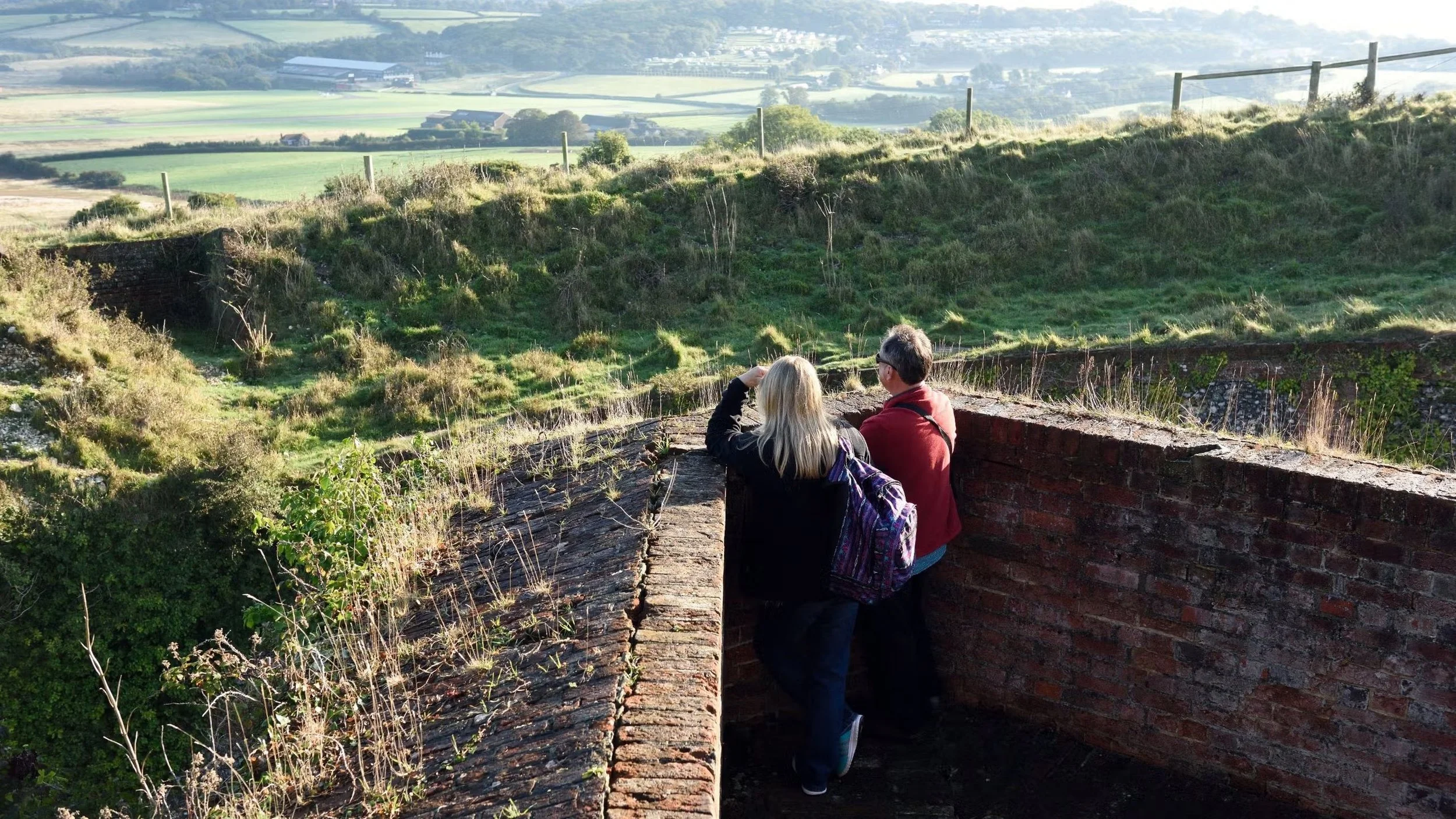
Bembridge Fort (East)
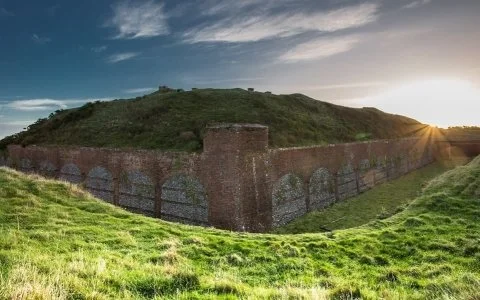
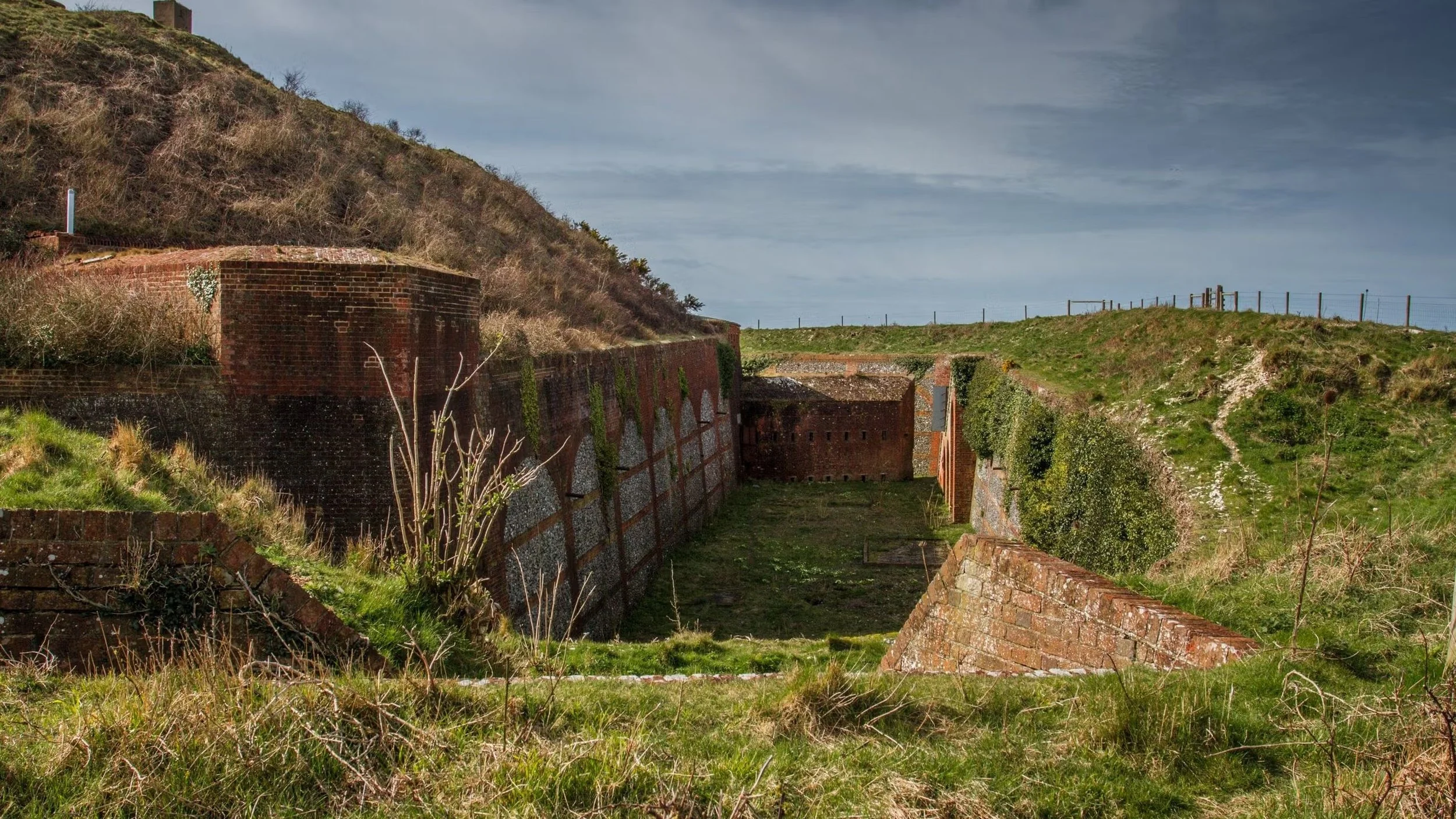
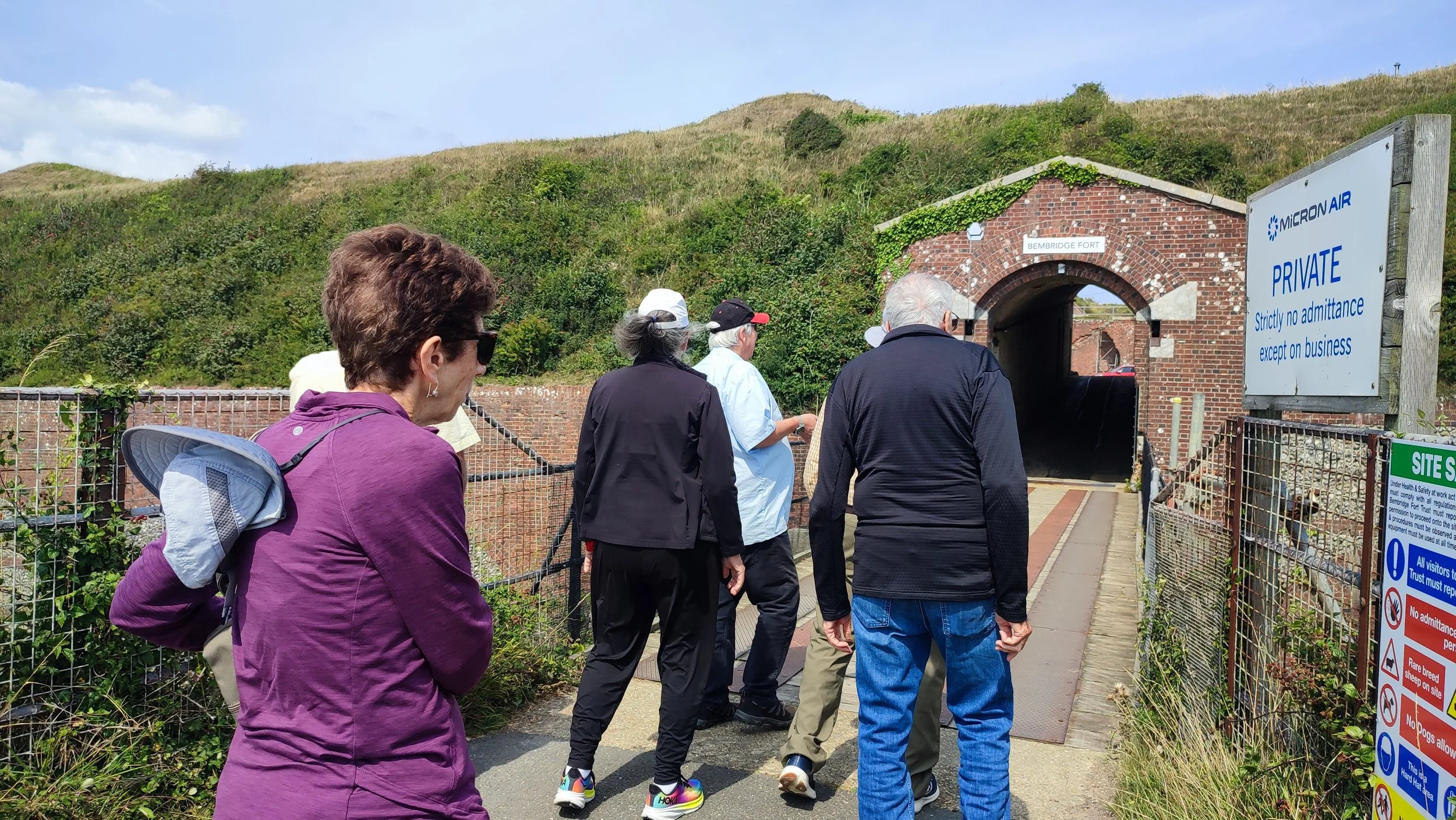
Built as one of 22 Victorian Palmerston Forts around the Island during the Second French Empire (1852- 1870), it was used again during both World Wars and even after that. From 1945 – 1956 it was used as a coastal watch radar site. As mentioned above, there is nobody better than Tim Wander, or the Fort’s Chairman David Reeves, to show you round and give you a riveting tour. We have taken several groups here who have proved hard to drag away!
More than just tours, talks and all manner of events can be laid on here for those of you who are interested. So – as always – please get in touch with us if you would like to include this place as a part of your Isle of Wight experience. If you are really keen to learn more on the role of the Island in either WW2 or indeed, Island defence way prior to this, you will seriously not want to miss out on a visit here!
There are numerous other places round the Island that Tim or one of his associates will be both happy and more than able to guide you in relation to WW2 history (the Needles Batteries to name another, and what remains of Yaverland Battery, near Sandown, one more).
Even Northwood House has its wartime stories to tell (wartime hospital for wounded soldiers for a time, the pathos of its broken war memorial etc. etc.)
But there are so many more...
If you are interested in a tour with Tim Wander to learn about The Isle of Wight at War– simply get in touch with us!
PLUTO (Pipelines Under the Ocean) - Sandown and Shanklin (South-East)
A major engineering achievement in WW2 and it happened right here on the Isle of Wight – namely building pipelines under the channel to carry fuel to the Allies on the beaches of Normandy.
An unqualified success? Well no…. but…. I think I should leave it up to Tim to tell you the story himself. Has he written a book on it? He sure has!
Visit Shanklin Chine and/or Sandown and Yaverland to do a site or beach wander with Tim to learn more and to see a section of exposed pipe inside the Chine.
Just contact us and we will arrange this visit for you!
A pluto pipeline valve being opened by two British Army officers
PLUTO pipes Rookley
Thorness pipes 2023
Marconi on the Isle of Wight
Speaking of the Needles, Marconi made pioneering experiments in establishing the world’s first permanent wireless station there (top left photo). Our heading above is the title of yet another of Tim’s books.
Tim is a world expert on Marconi, and anyone with an interest in Marconi’s work and association with the Isle of Wight will not want to miss out on a tour led by Tim. He will simply enthrall you with stories and the highest level of expert information that you could ever hope to receive.
Just get in touch with us and we will make the connection and get your tour arranged for you.
Our clients really can’t get enough of him!
If you are interested in a tour with Tim Wander to learn about Marconi on the Isle of Wight – simply get in touch with us!
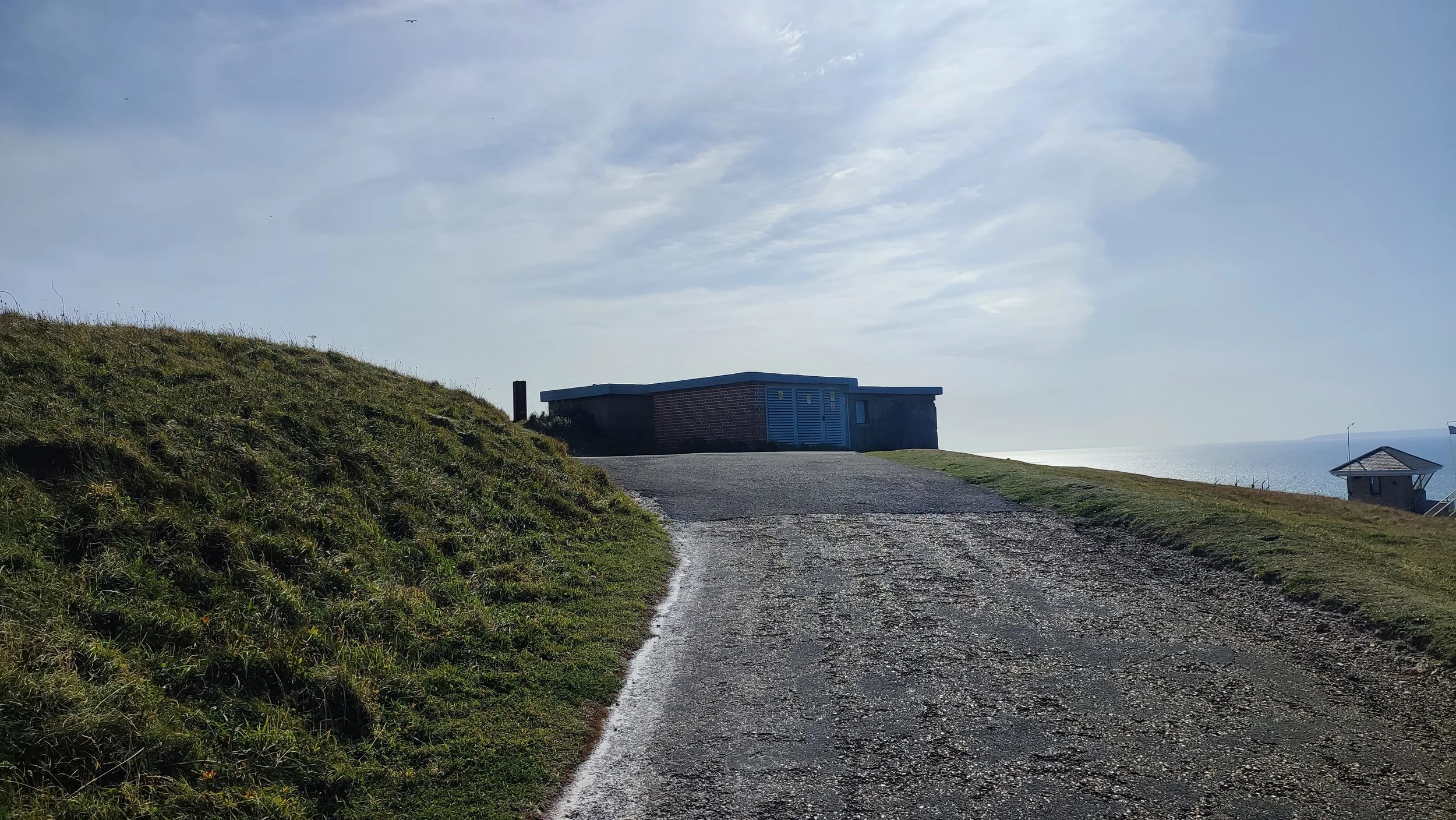
The Needles (West) – Defence and Space Rockets
Tim will also talk you through the space rocket testing work that was done at the nearby (now gone but partially recreated) New Battery site.
Top Secret work was carried out here in the 1950s – 70s for the two Island-built space rockets, Black Knight and Black Arrow (which launched Prospero, Britain’s first satellite) before they were launched in Woomera, Australia.
You may also have the possibility of including a visit to the Old Battery (National Trust – entrance fee applies) built in fear of a French attack.
Admiral Lord Nelson sails from Portsmouth for the last time
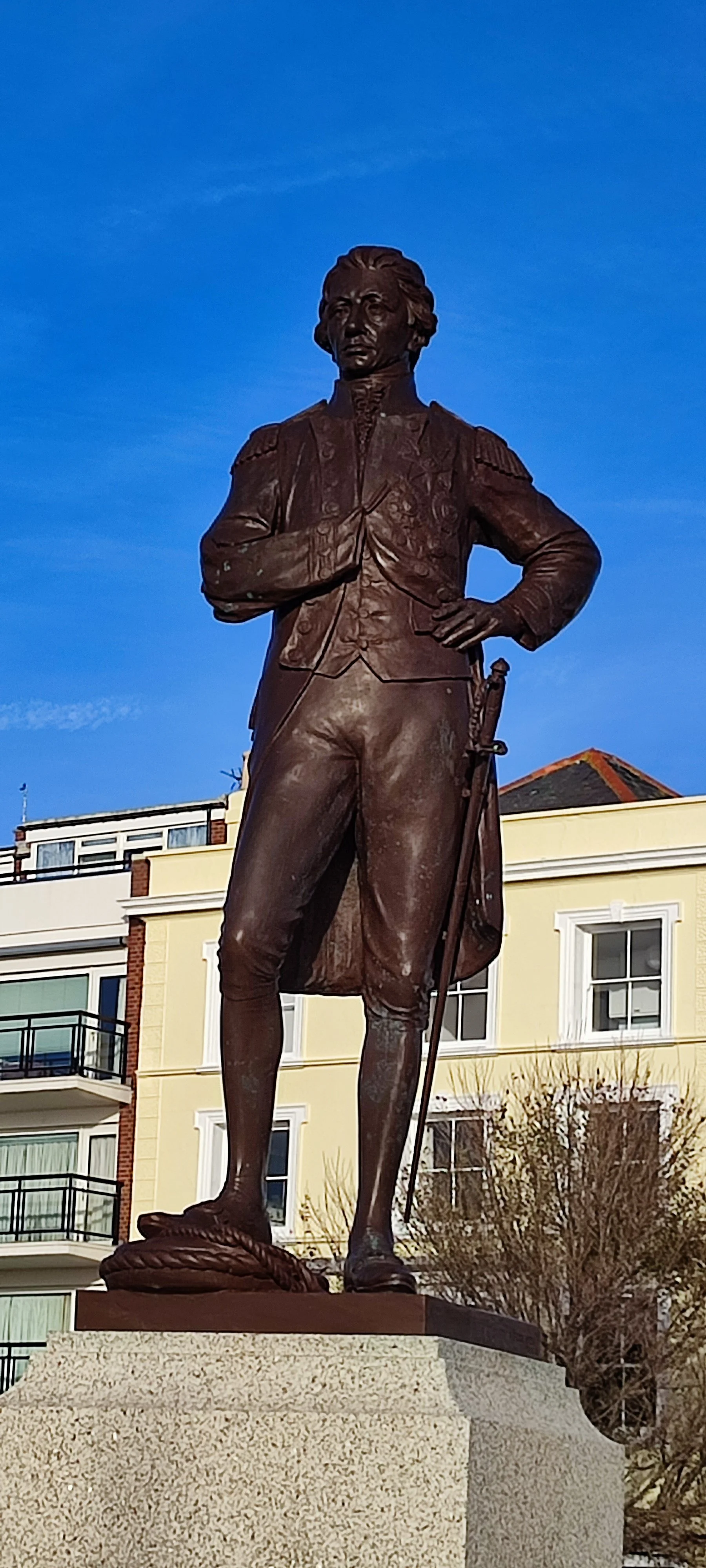
And finally (as relates to our list here – the possibilities here on the Island are endless!) especially for those of you who have reached us via Portsmouth – let’s spare a thought for Admiral Lord Nelson as he left for Trafalgar on his flagship ‘Victory’ on September 14,1805 from Portsmouth (Spithead).
Please note - we will show you both the departure spot and take you to visit Victory (plus the Mary Rose if you wish) should you choose to take a tour of Portsmouth with us).
For details, please see our Portsmouth page in the Travel Information section.
Nelson’s last glimpse of British soil was St. Helens (East Wight)
This is, however, a beautiful enough spot to visit just on its own merit, however – with this additional piece of information, it rather makes it a must for anyone with even the slightest interest in Nelson!
It goes without saying that we will be more than happy to include a little visit here on your tour for you to see it. We think that you won’t fail to be moved by the beauty and history of St. Helens. We also feel that Nelson is a fitting character with whom to end this section.
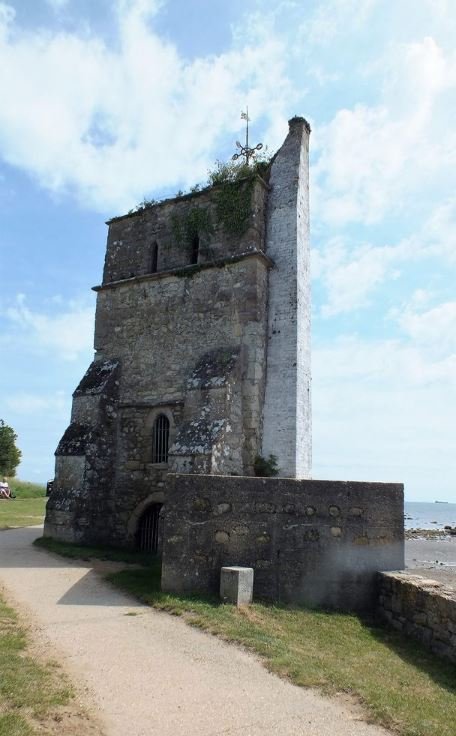
St. Helens church Duver
Suggestions of where to eat, drink and stay
These are possibly in addition to what you will find on my page of that name.
However, as we are talking about Carisbrooke and Newport – it might be nice to make a few suggestions there. There are so many MORE to choose from – but for Carisbrooke, we can strongly recommend Valentino’s – a lovely Italian restaurant.
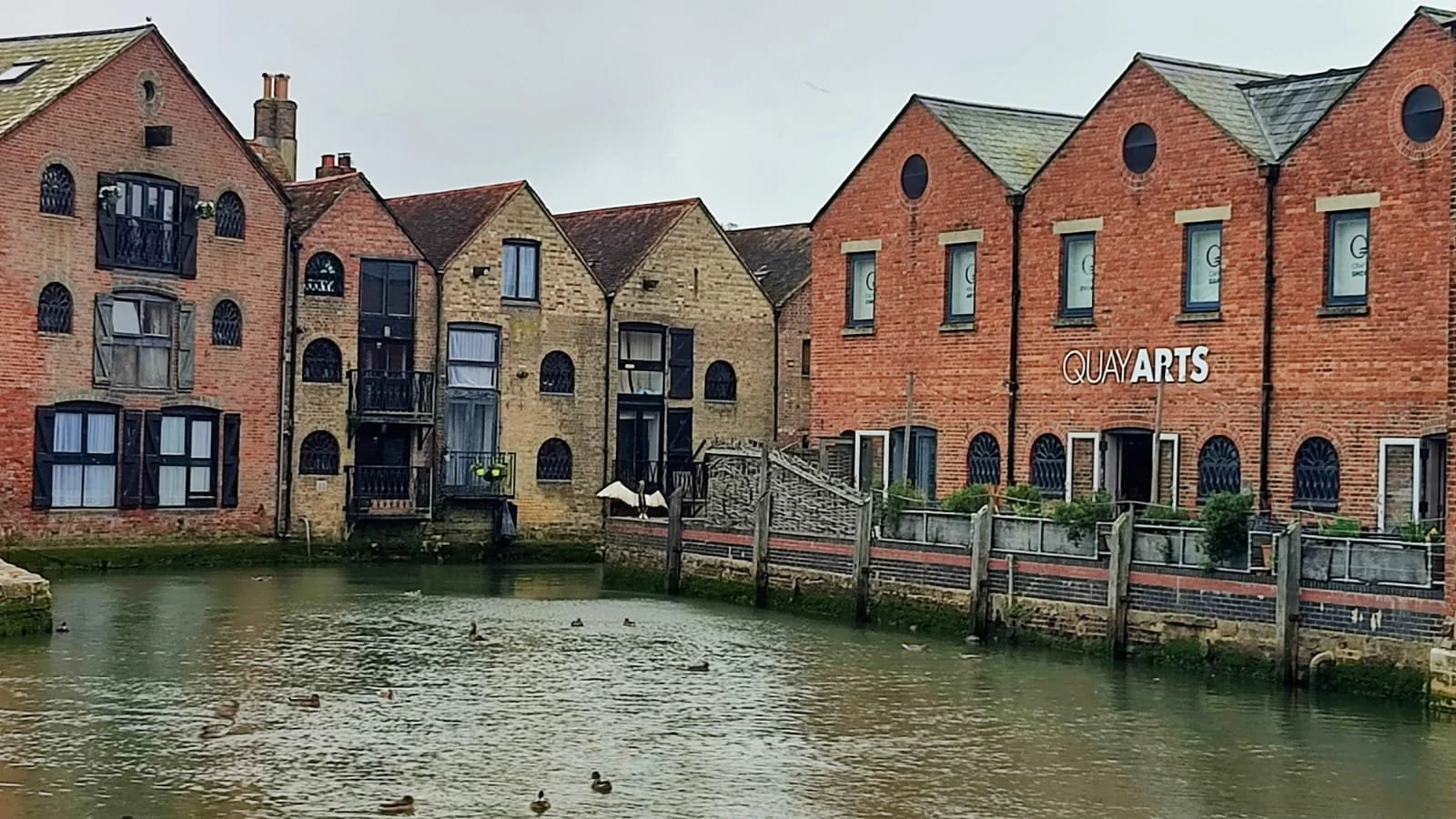
And if we want to keep it to restaurants, in Newport we highly recommend both Burr’s and Hewitts. If it’s a café with atmosphere – then we can’t recommend Quay Arts more highly.
If it’s Culver Down – then we can’t say other than The Culver Haven Inn.
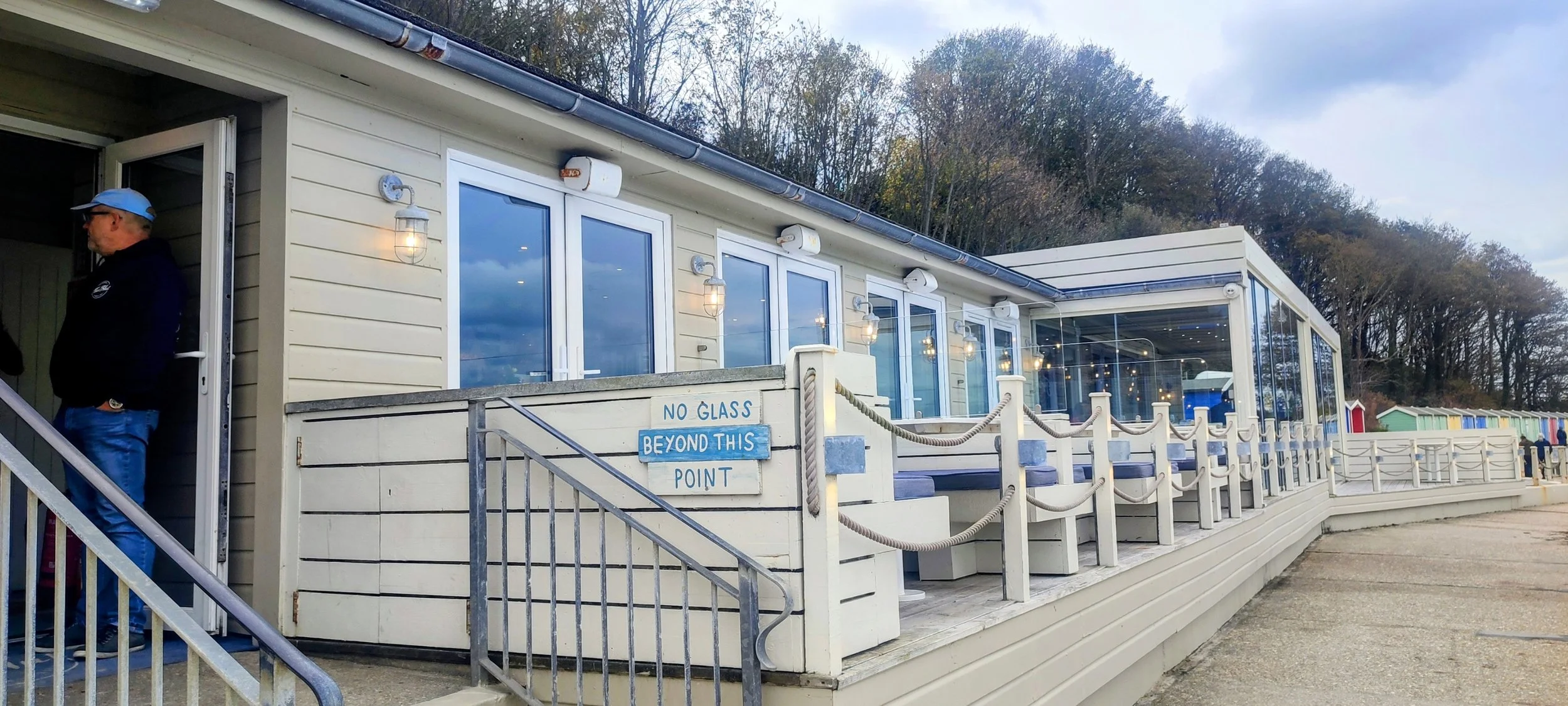
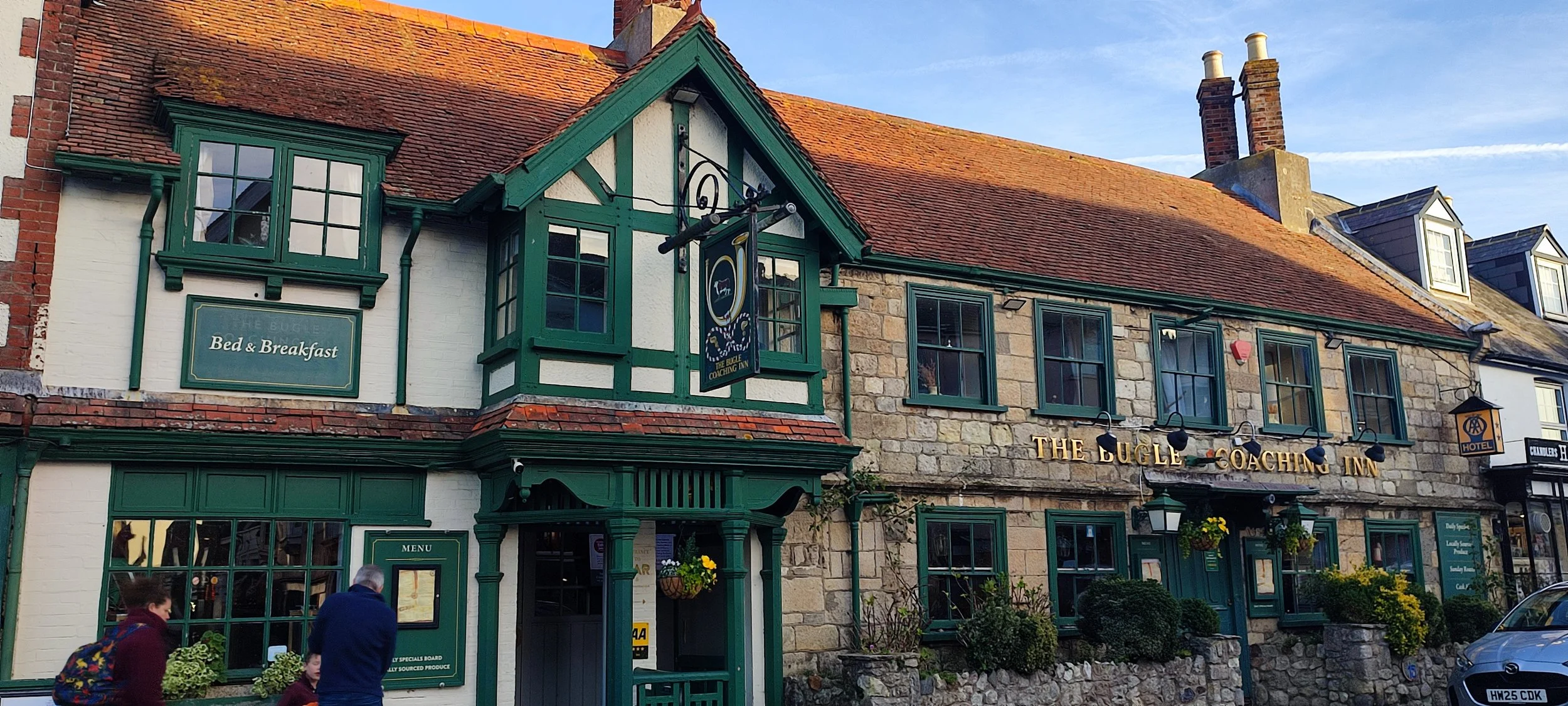
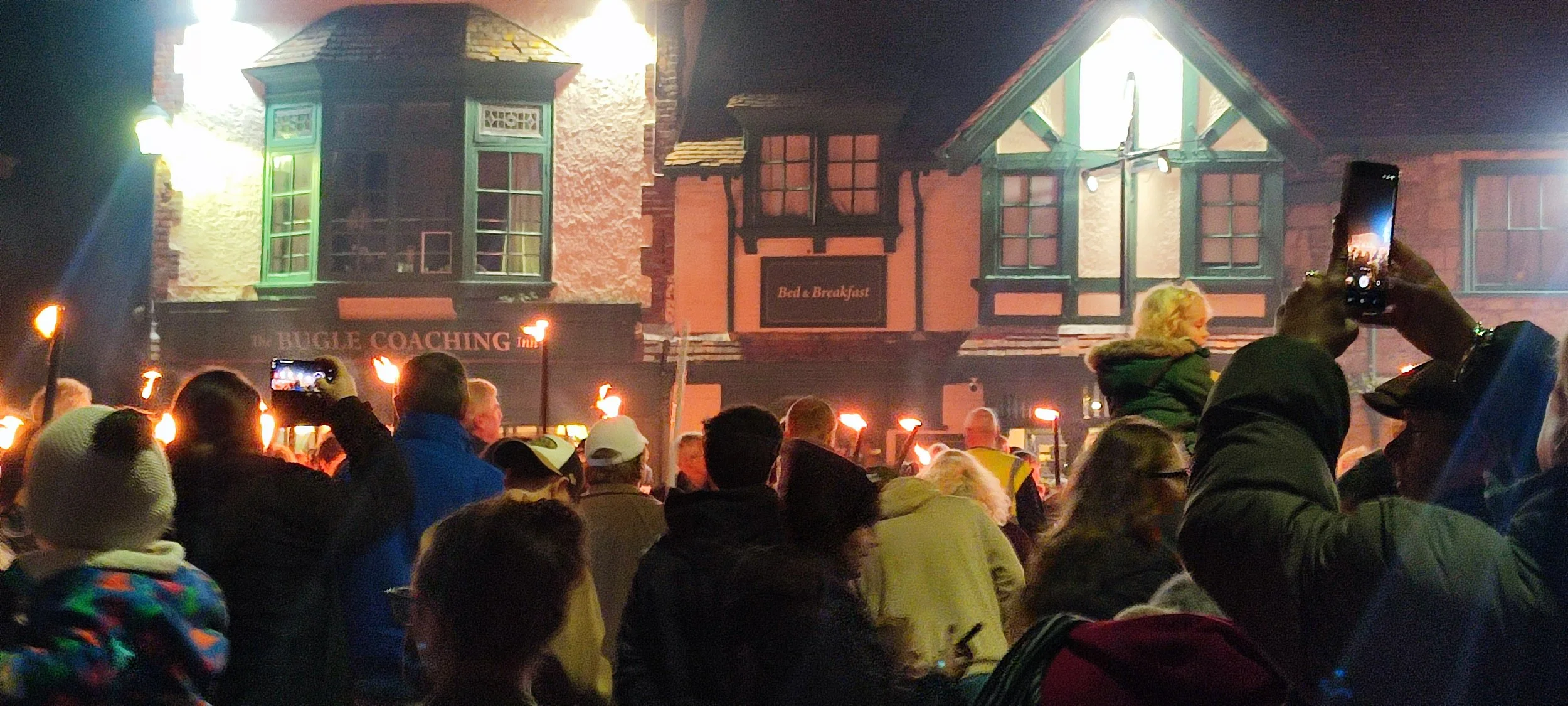
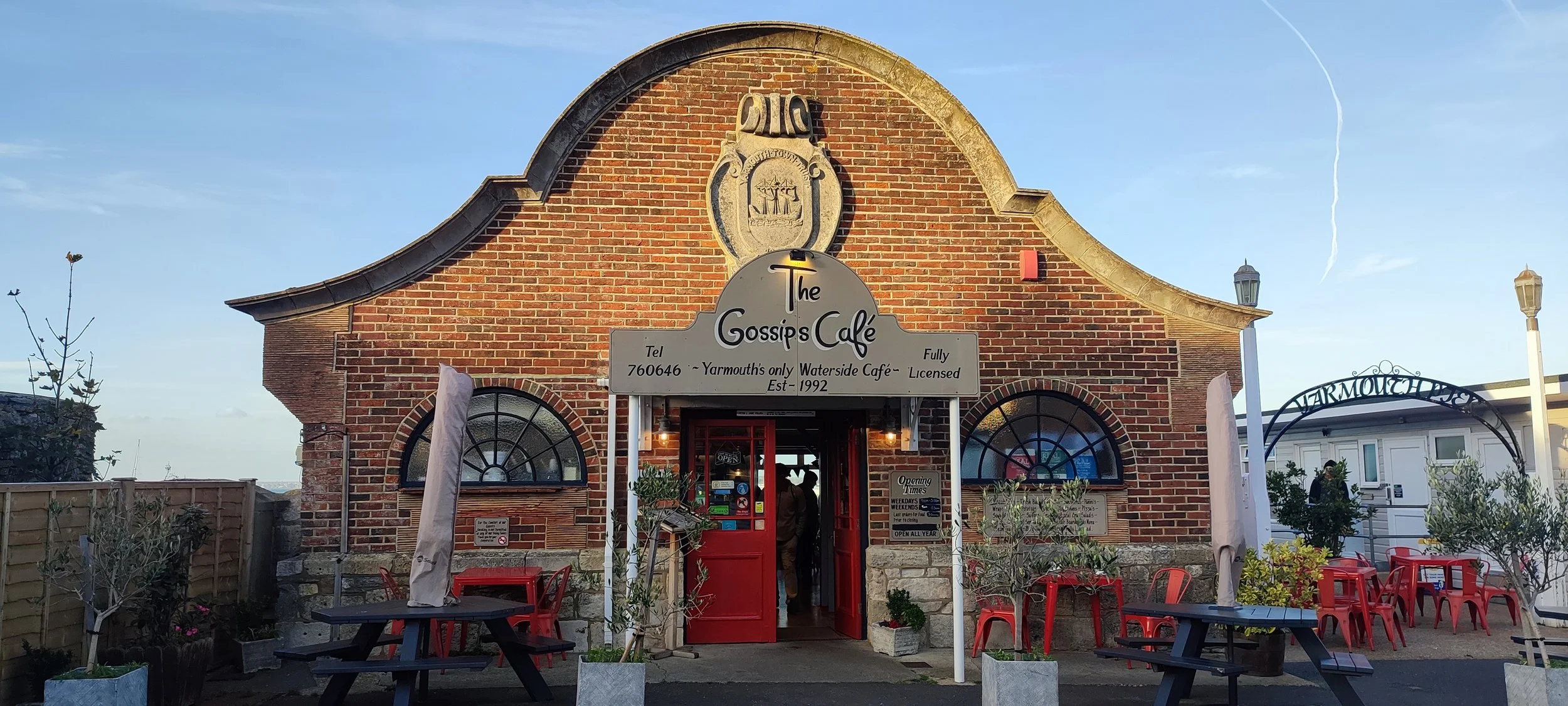
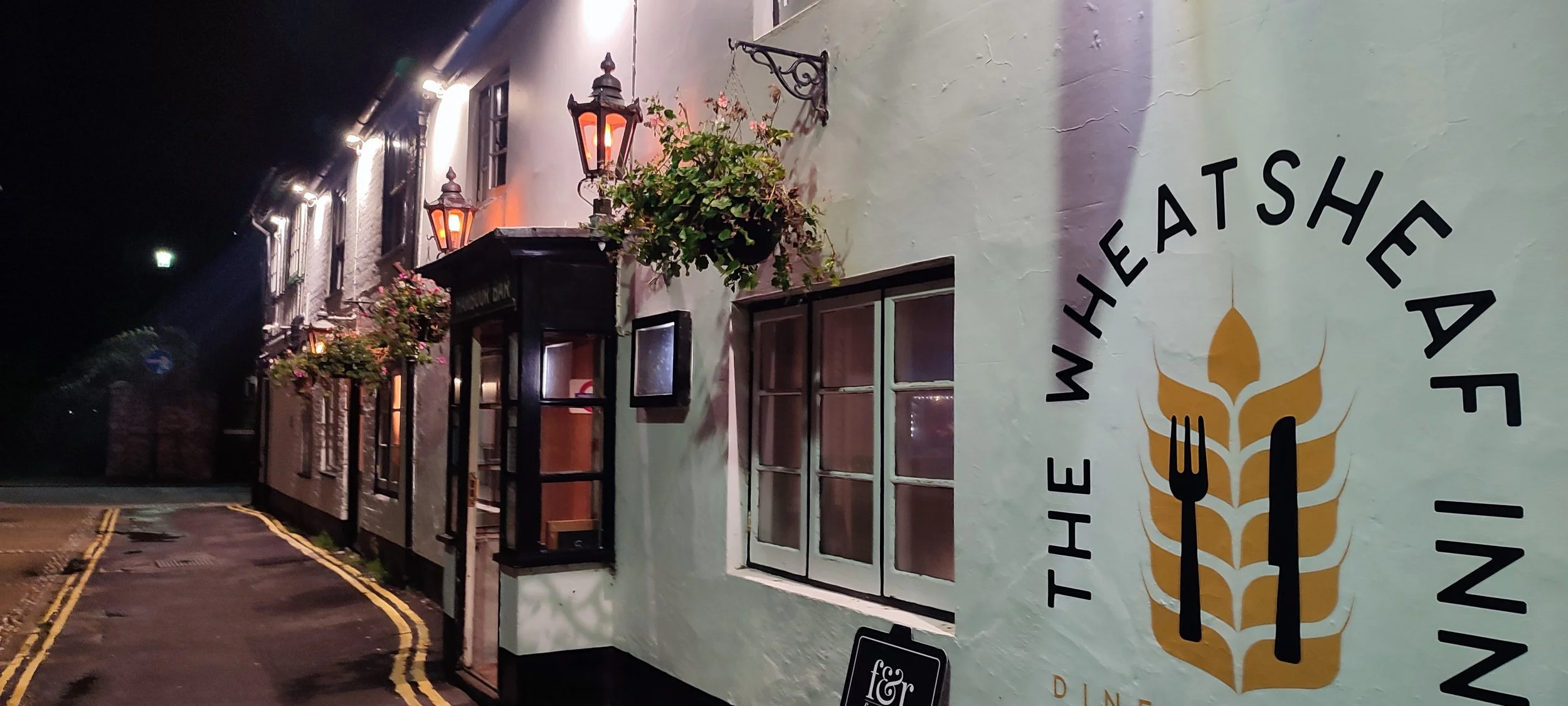
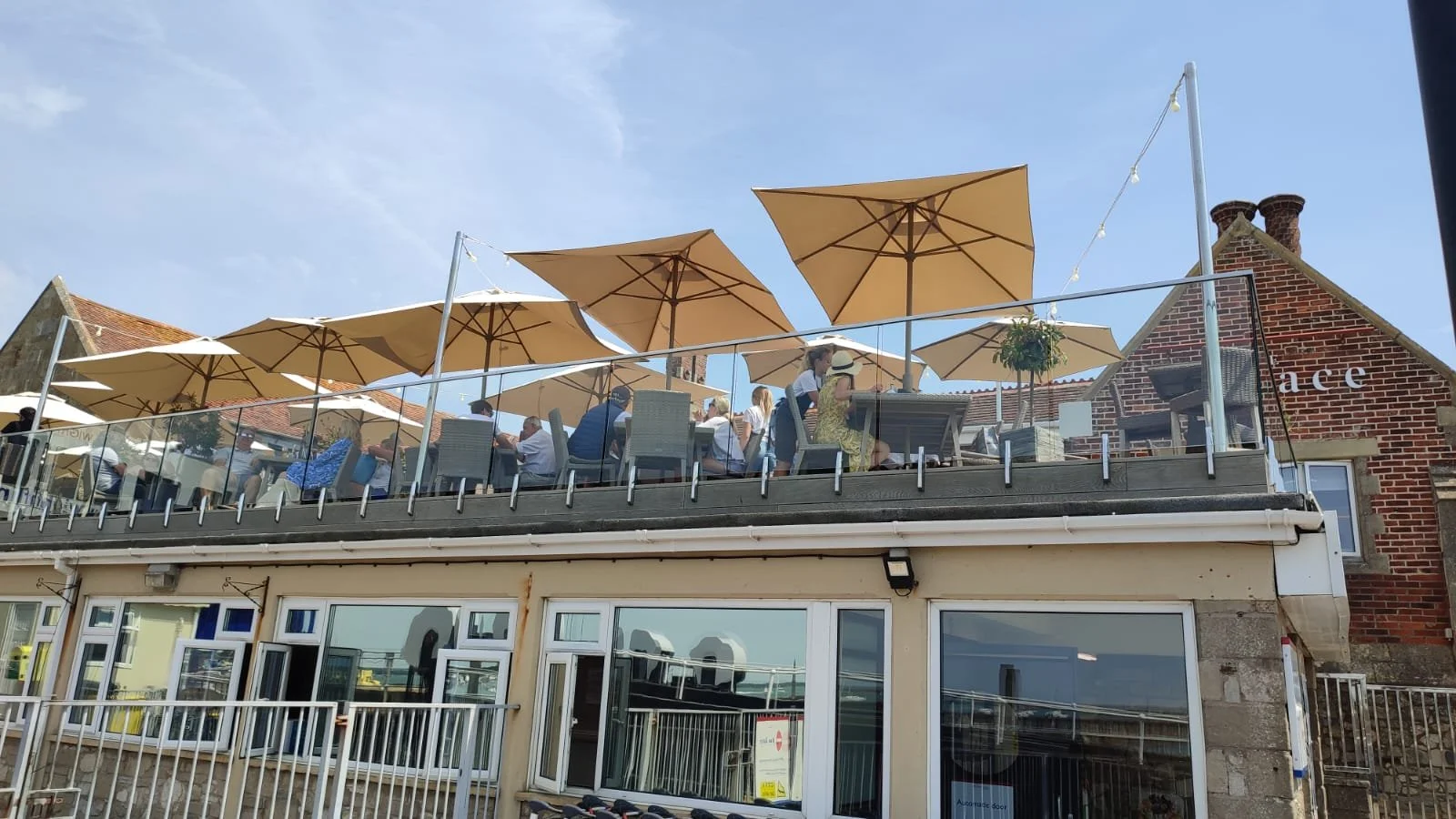
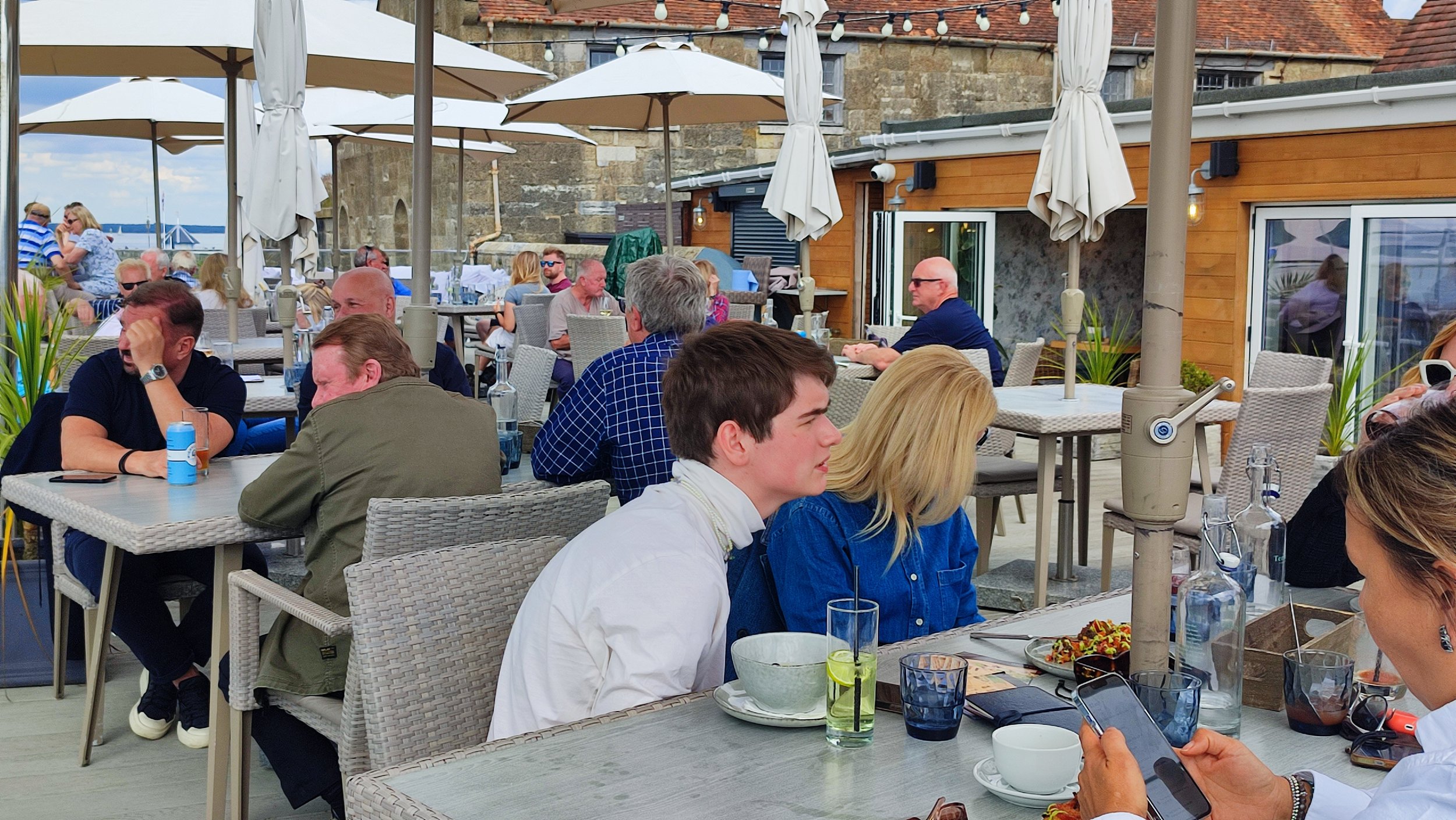
And if you are looking in Yarmouth, then we have quite a lot of recommendations with photographs – so I will just include those. Sorry if Yarmouth is getting star treatment – perhaps that’s just because it’s very close to home for us!
As is The Hut – if you fancy The Hut – you will find a fuller description and photographs on our ‘Eat, Drink & Stay’ page.




An Island fashioned by harmony and strife
Across centuries of conflict and calm, the Isle of Wight has been shaped by life-changing events and by histories that still linger in its landscape.
If these stories have intrigued you, we would love to create an unhurried, insightful and personally meaningful Isle of Wight experience for you.