
Spiritual & Artistic Wight
Myth, Meaning and Atmosphere
An island full of spirits?
There are many versions as to how and when the Isle of Wight got its name. These range from it being before in pre-Roman times, to be at some point after they had left.
One of the versions (not necessarily the strongest contender), is that it has its origin in the old Germanic word ’Wicht’, meaning a supernatural being or a ‘spirit’.
This rather captures my own imagination – whether it is true or not. The Island is a magical place – or at least it feels that way – so why not imagine it as full of spirits?
From the factual to the mystical
There is a clear air of mystery for those who are tuned into it and local mythology and folklore only serves to bear this out.
Island writers and poets have certainly bought into its spiritual side.
What is meant by ‘spiritual’ is obviously neither quantifiable nor precisely definable and so will be experienced by different people in different ways.
Different things to different people
For some, it may have an association with certain buildings (be they religious or secular), but just as often it will be associated with open spaces and areas of beauty and tranquility – perhaps by the sea, in the hills or in a beautiful garden.
The Isle of Wight has them all in abundance and so you will be somewhat spoiled for choice!
We are therefore just putting out a few options – almost as a way of including unmissable places that don’t necessarily fit in well within the other headings!
Wellness
What better location to indulge in this than here on our glorious Island! We have a lot of wellness tricks up our sleeve for you to indulge in – just talk to us and we will put together your perfect package! From Island-specific relaxing spa treatments of various lengths and descriptions at different venues (e.g. at the original Liz Earle store in Ryde, East Wight), right through to sessions of beach yoga (on best West Wight beaches) with ‘Balance and Glo’ (pictured below), with whom we collaborate to bring you a slightly more active, but equally exclusive experience.
Mindfulness
You may already be familiar with this practice or it may be something complete new to you - either way, now could be the time to give it a go! Our partner Susann Herrmann would be more than delighted to meet you. She can offer you an introductory session of 90 minutes or 2 hours which we feel sure you will enjoy and if you do and feel you would like to continue… there are ways and means!
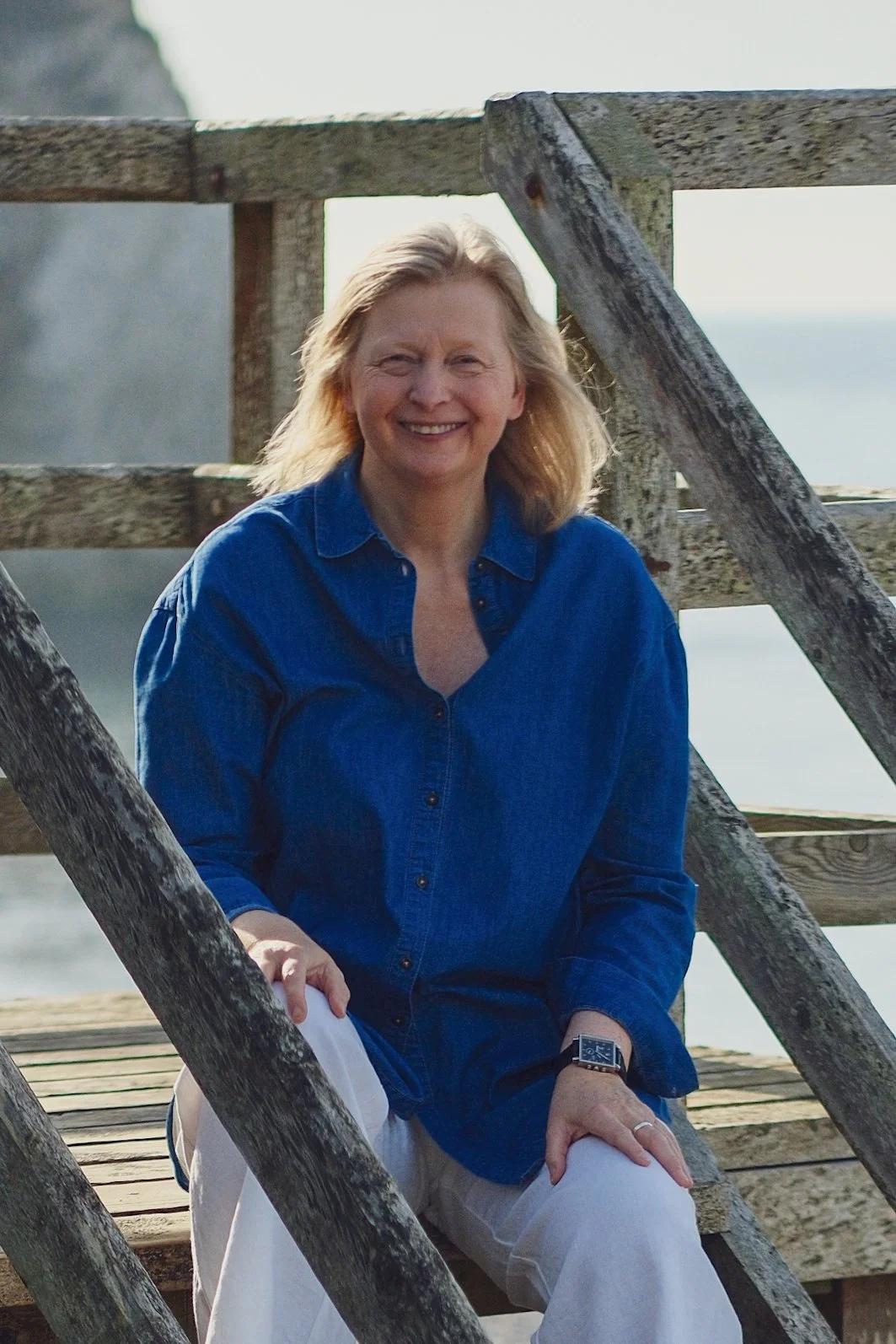
A message from Susann:
“As a clinical and occupational psychologist, I work with a coaching approach and framework rooted in the teachings of secular mindfulness and Zen Buddhism. It is an honour for me to guide people and to work with the uniqueness of the individual in either private or group sessions, providing practical and accessible support in understanding and embodying how to respond appropriately to oneself, to others and to whatever faces us.
Together we can explore and expand the perspectives you may have of yourself and the wider world, to help you engage and take part in life in entirely new ways. If you are interested in reducing conflict within and around you and feeding your emotional, relational and spiritual life, I would love to work with you.”
Quarr Abbey
Ryde – North-East Wight
A truly spiritual place
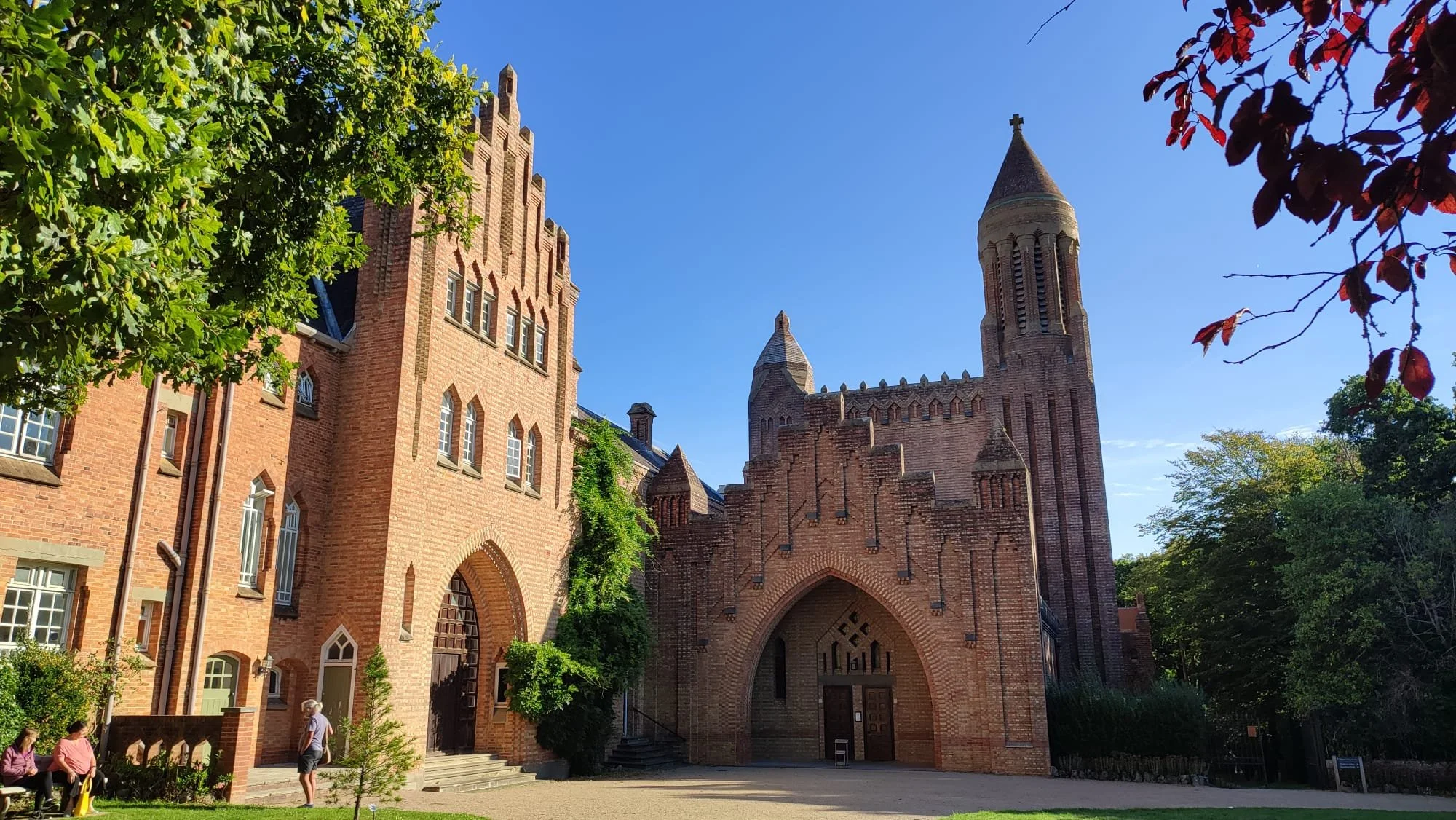
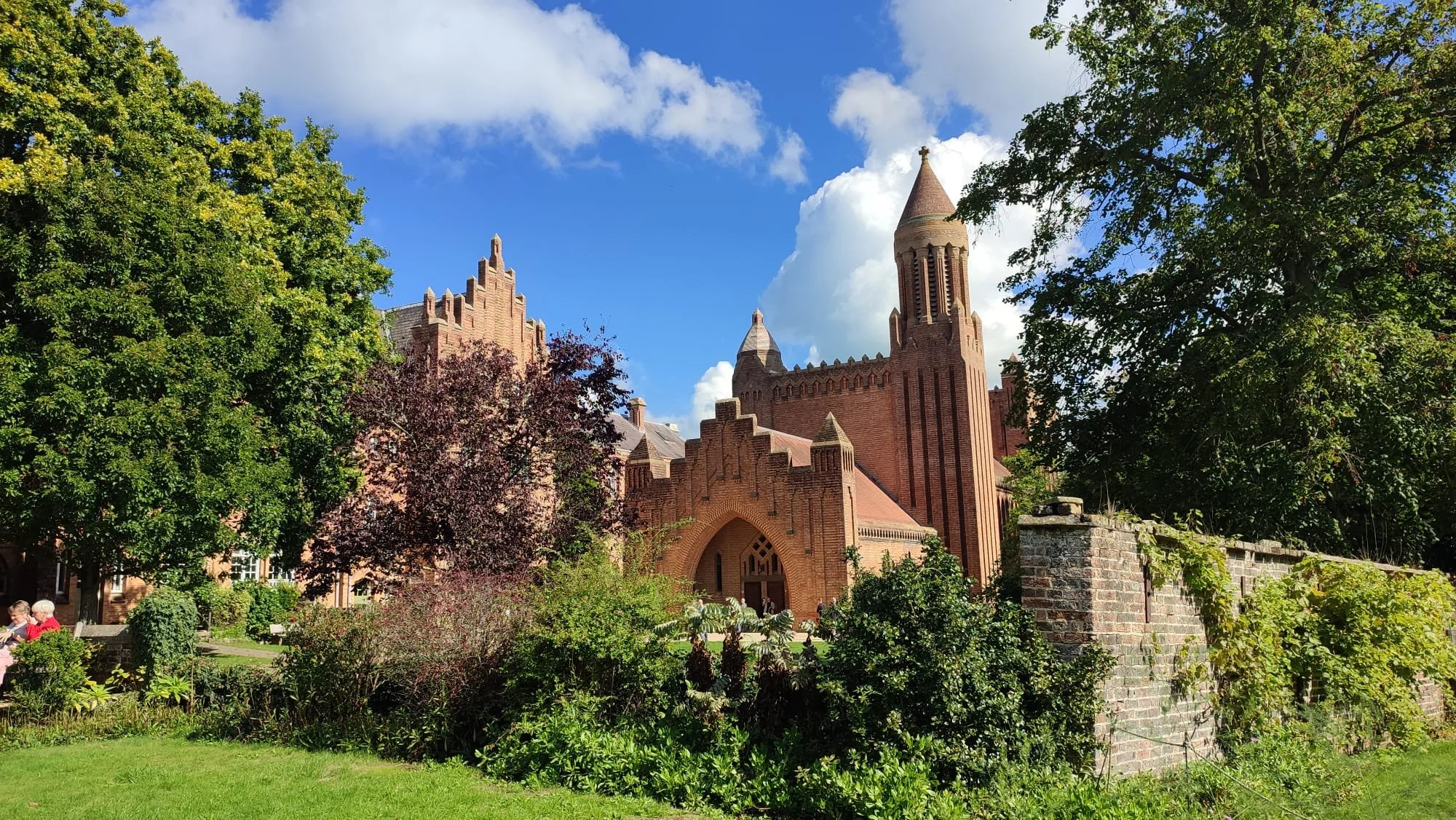
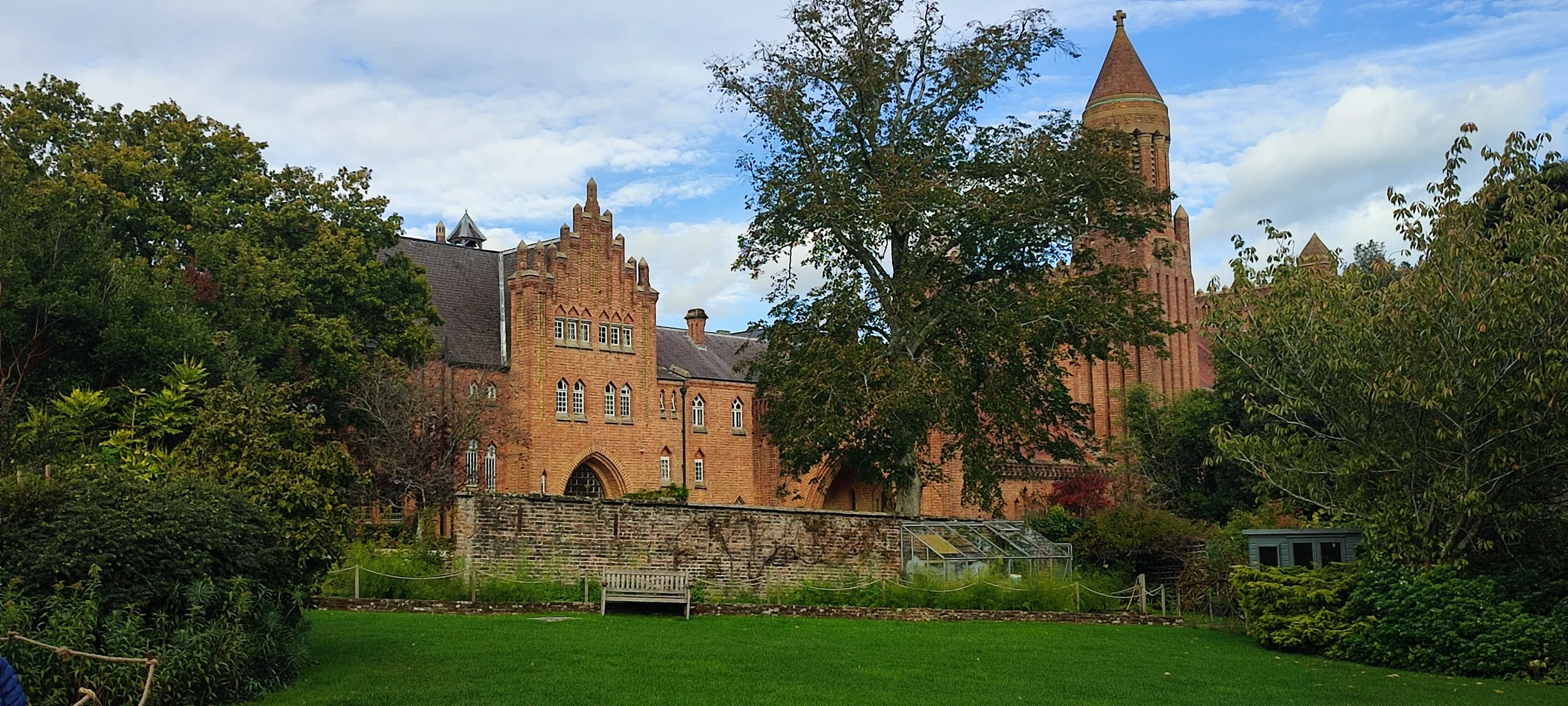
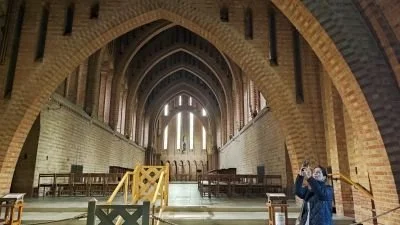
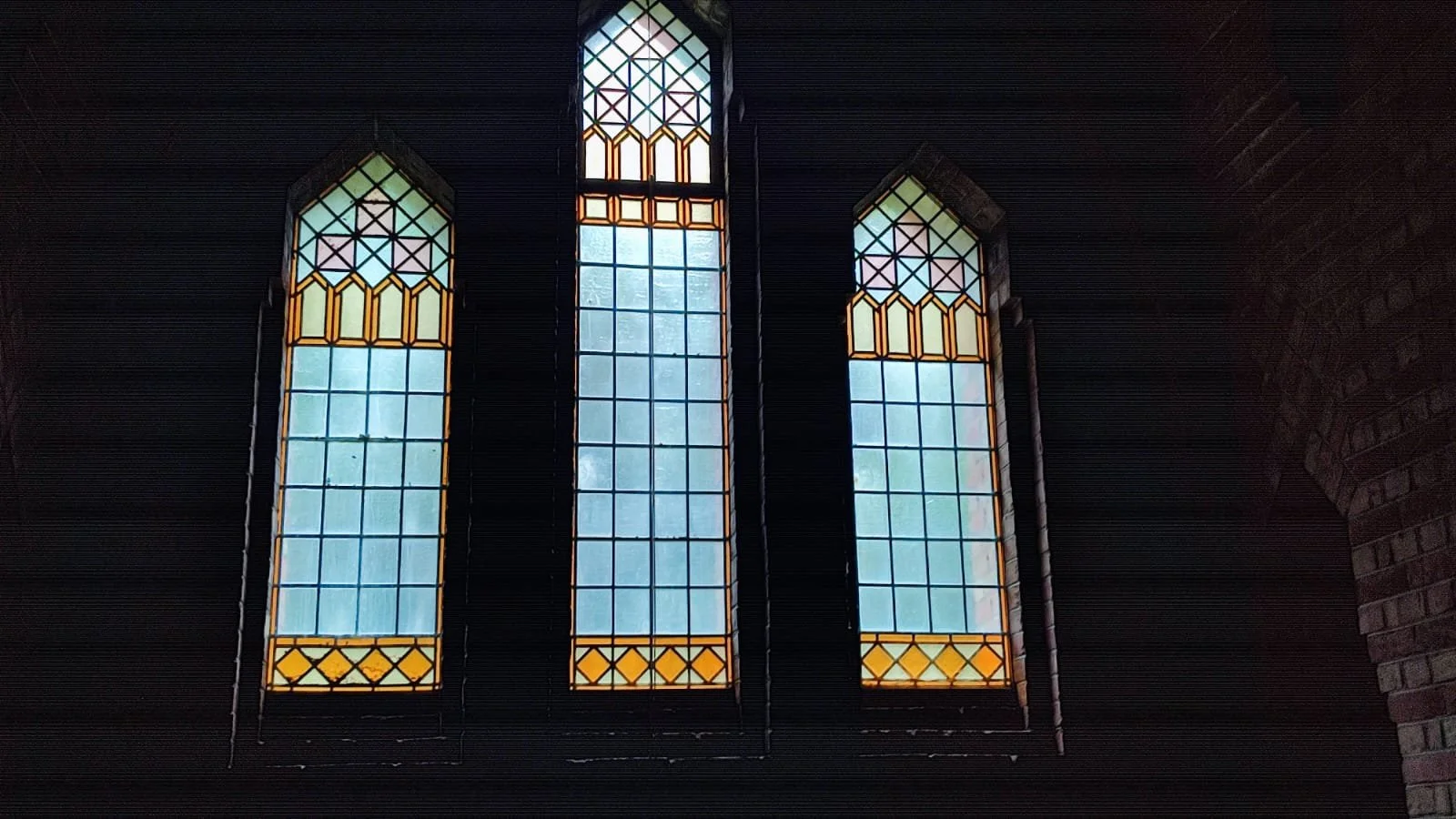
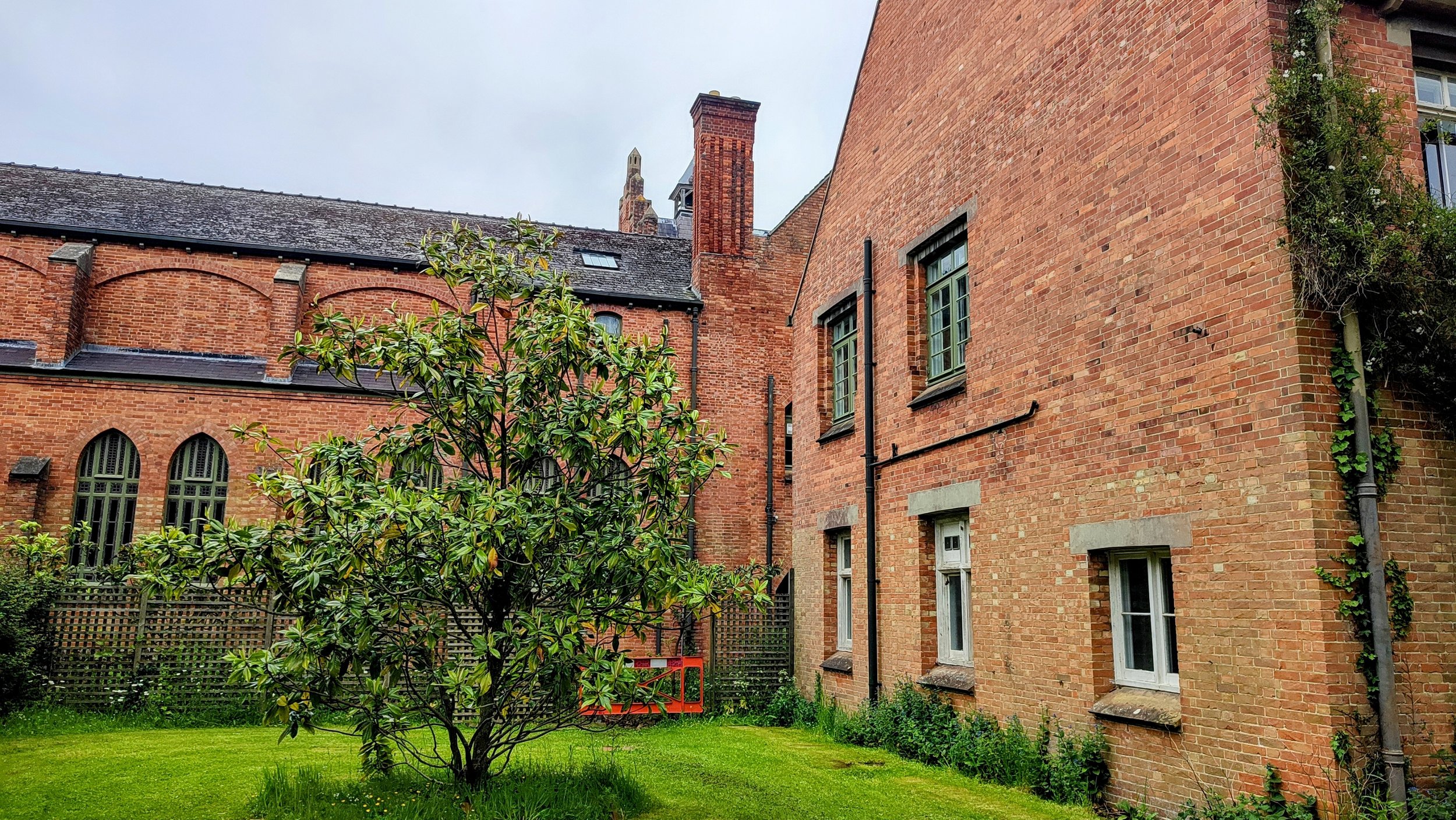
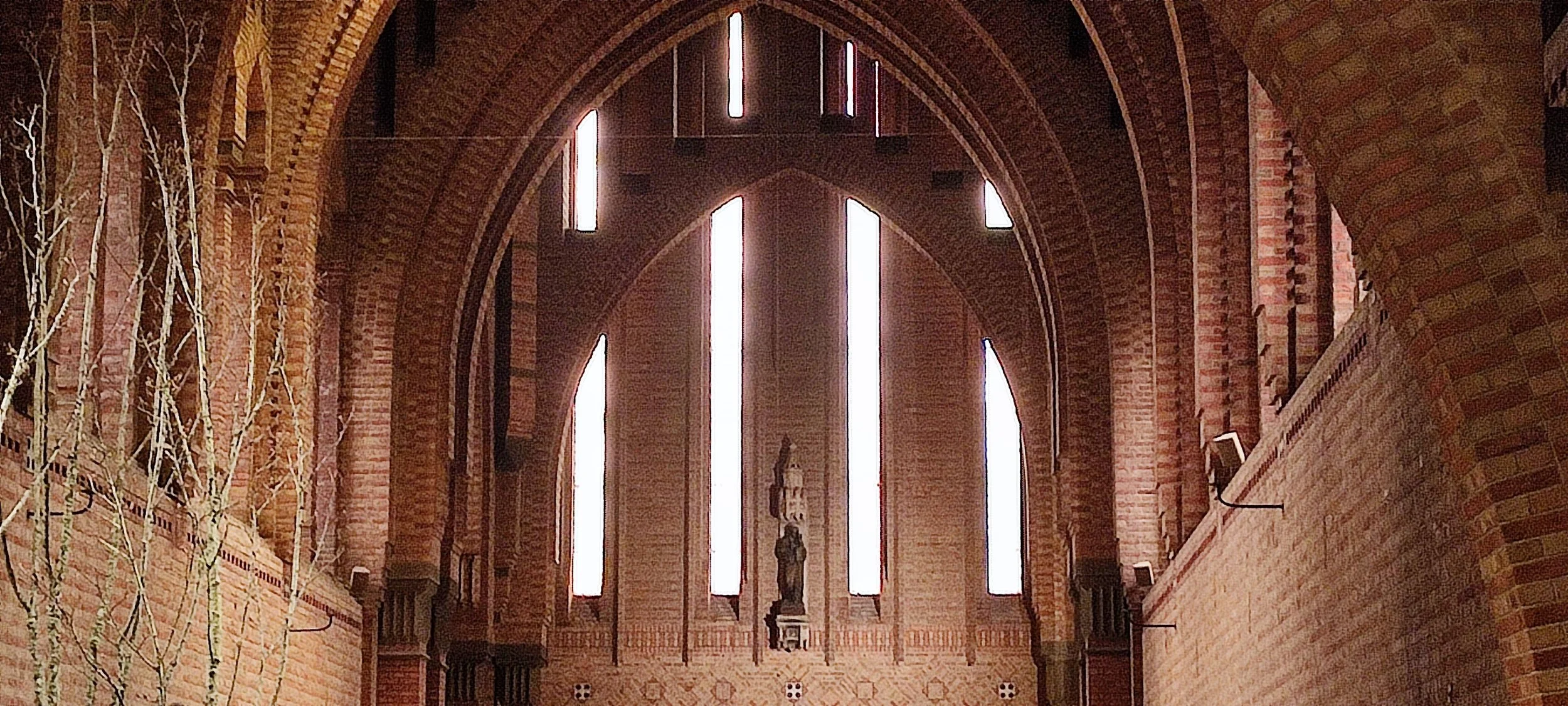
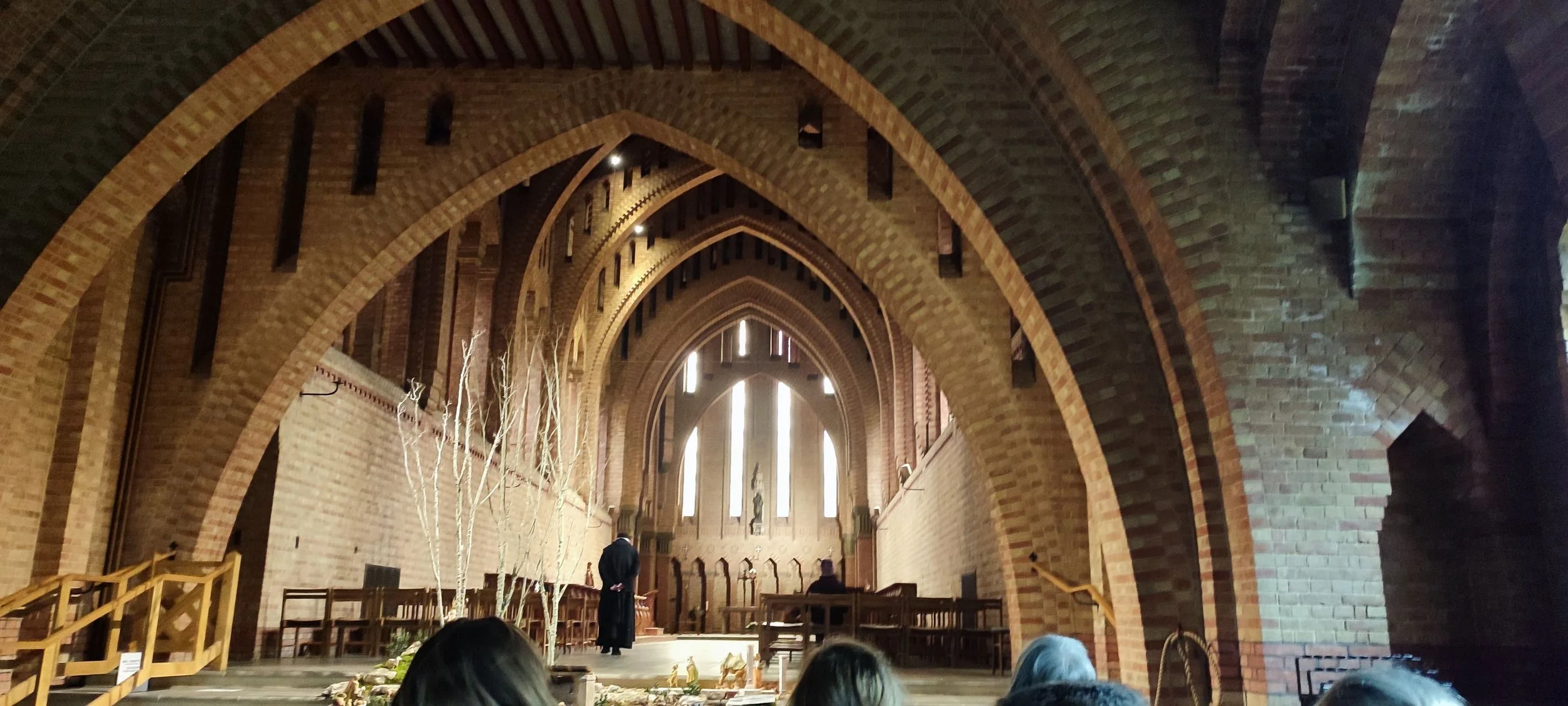
A stunning Benedictine Monastery (Catholic), built of red Belgian bricks between 1906 -1914 by French monk-architect Dom Bellot. This was his first major work and it was heavily influenced by his love of the Moorish style of architecture he had encountered in Spain. If you love architecture, you are sure to adore his breathtaking creation.
Paul Bellot himself was trained at the Ecole des Beaux Arts in Paris. Later in life he went on to build many more churches both in Europe and North America, but he always considered the Sanctuary tower at Quarr Abbey to be his finest achievement.
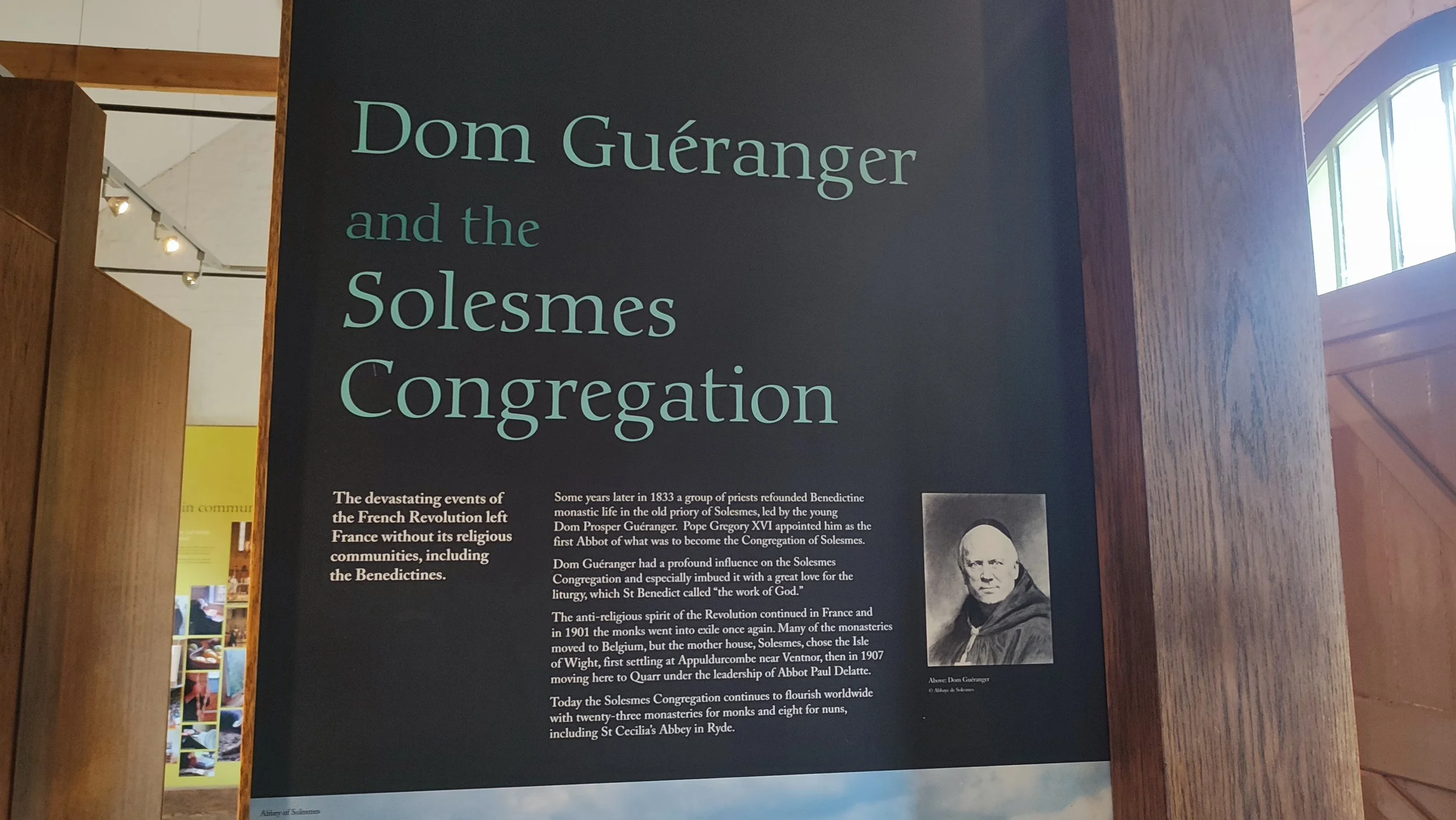
The former Benedictine French order of Solesmes
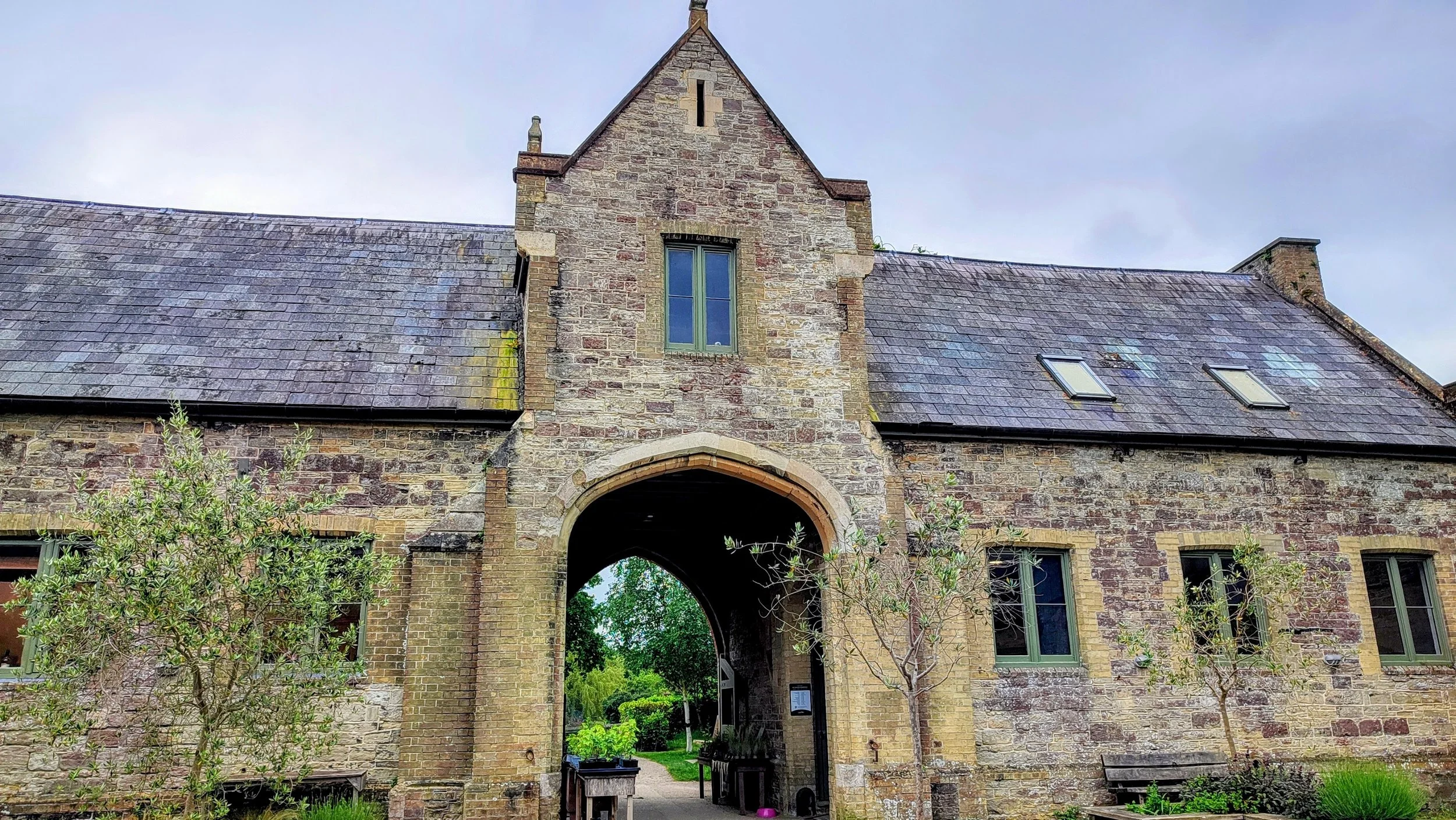
Driven out of France in 1901 because of anti-clerical laws, monks from Solesmes fled to the Isle of Wight (initially to Appuldurcombe House). At the beginning, they believed their stay here would be temporary, but when they realised they wouldn’t be able to return, they decided to build a permanent home of their own on the Island, which was finished and consecrated in 1912. Today their numbers are very small – only eleven monks currently residing in the Abbey. Notwithstanding, they are very active, both inside the walls of the Abbey itself and within the wider community. They are very much open to visitors, and you will be made to feel extremely welcome here.
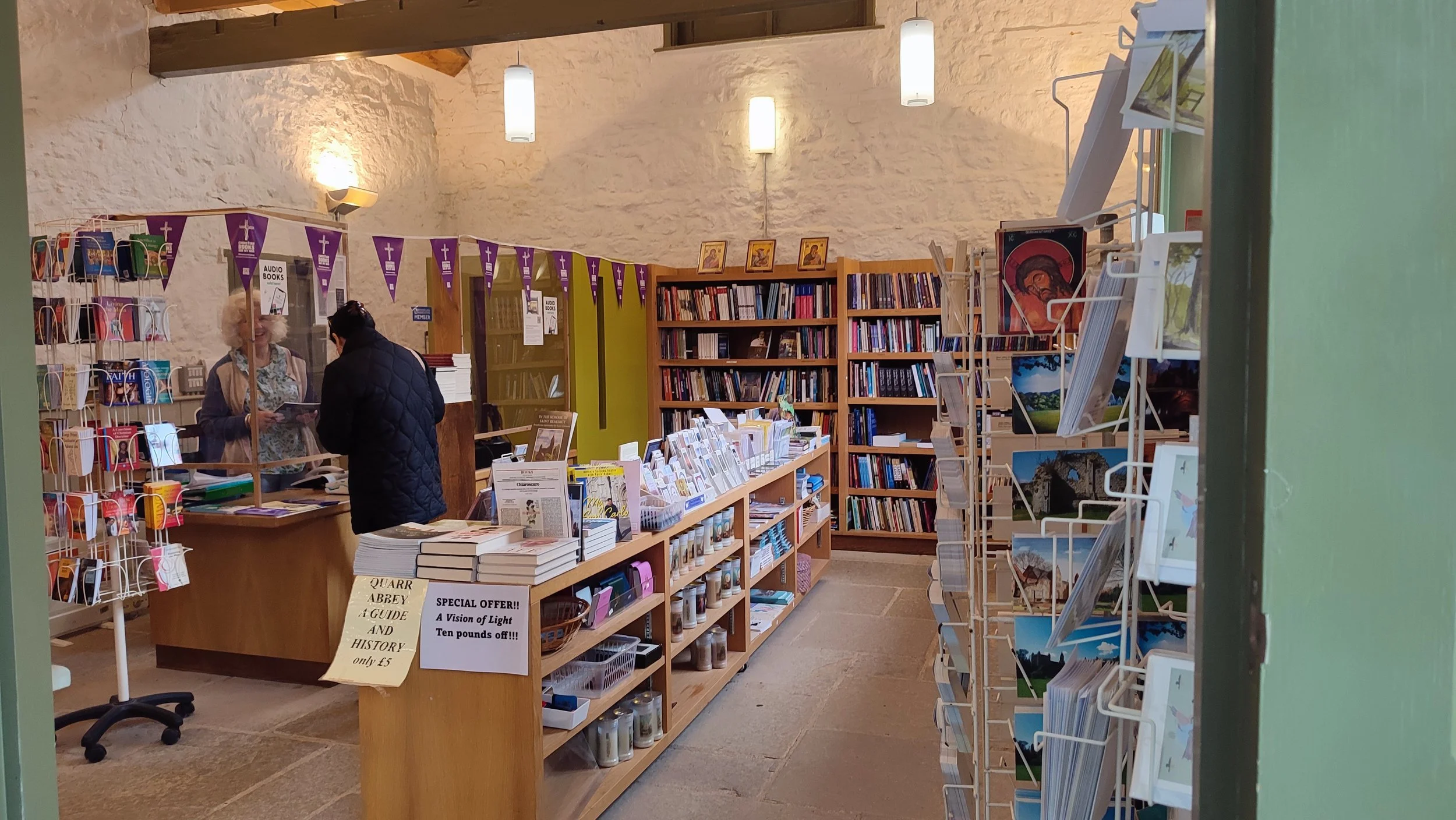
They also have a book shop, a heritage centre, an art exhibition gallery and last but not least - adorable pigs!
Many of you might love their popular tearoom best of all, packed as it is with a wonderful array of locally sourced refreshments and a well-stocked shop oozing local produce (including their own label beer and other home-sourced items!).
The Medieval Cistercian Monastery of 1132
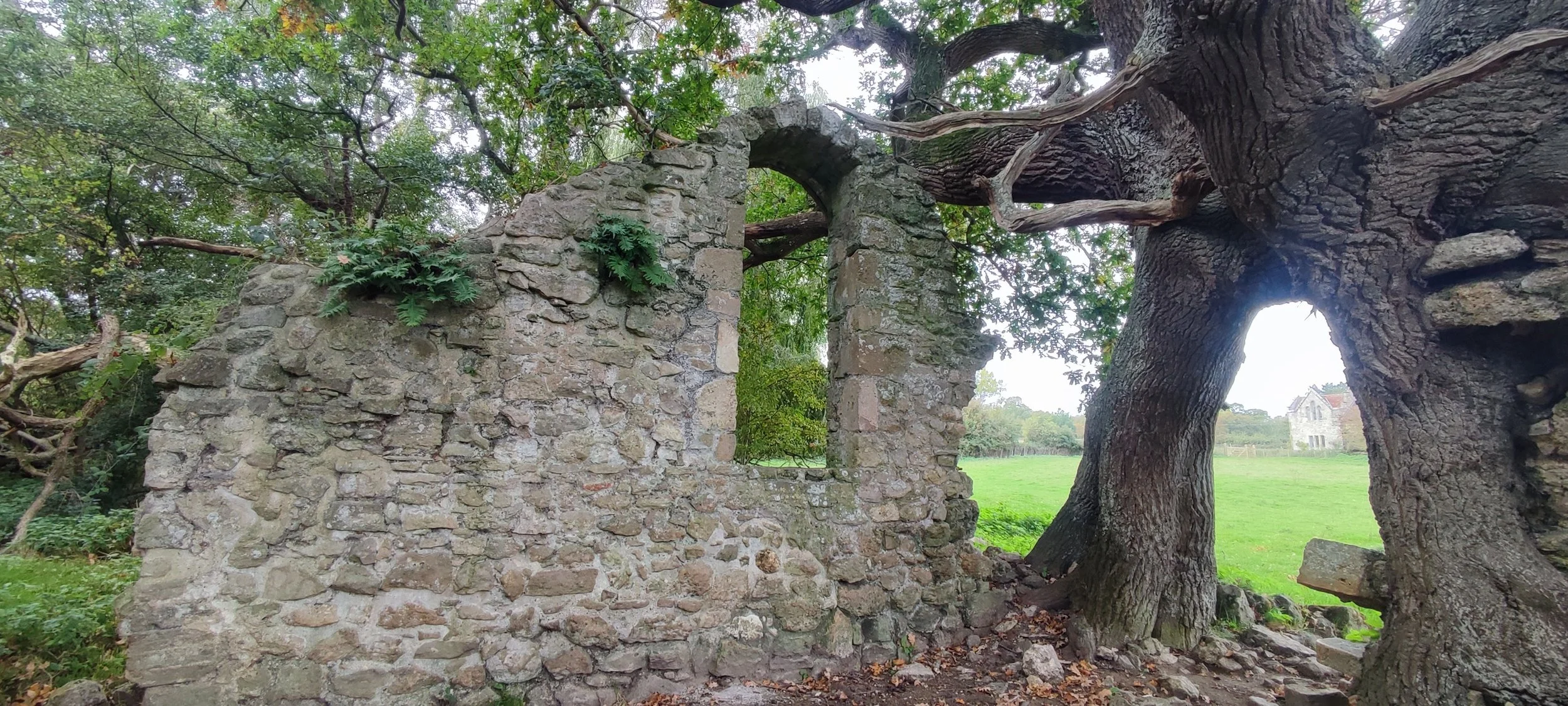
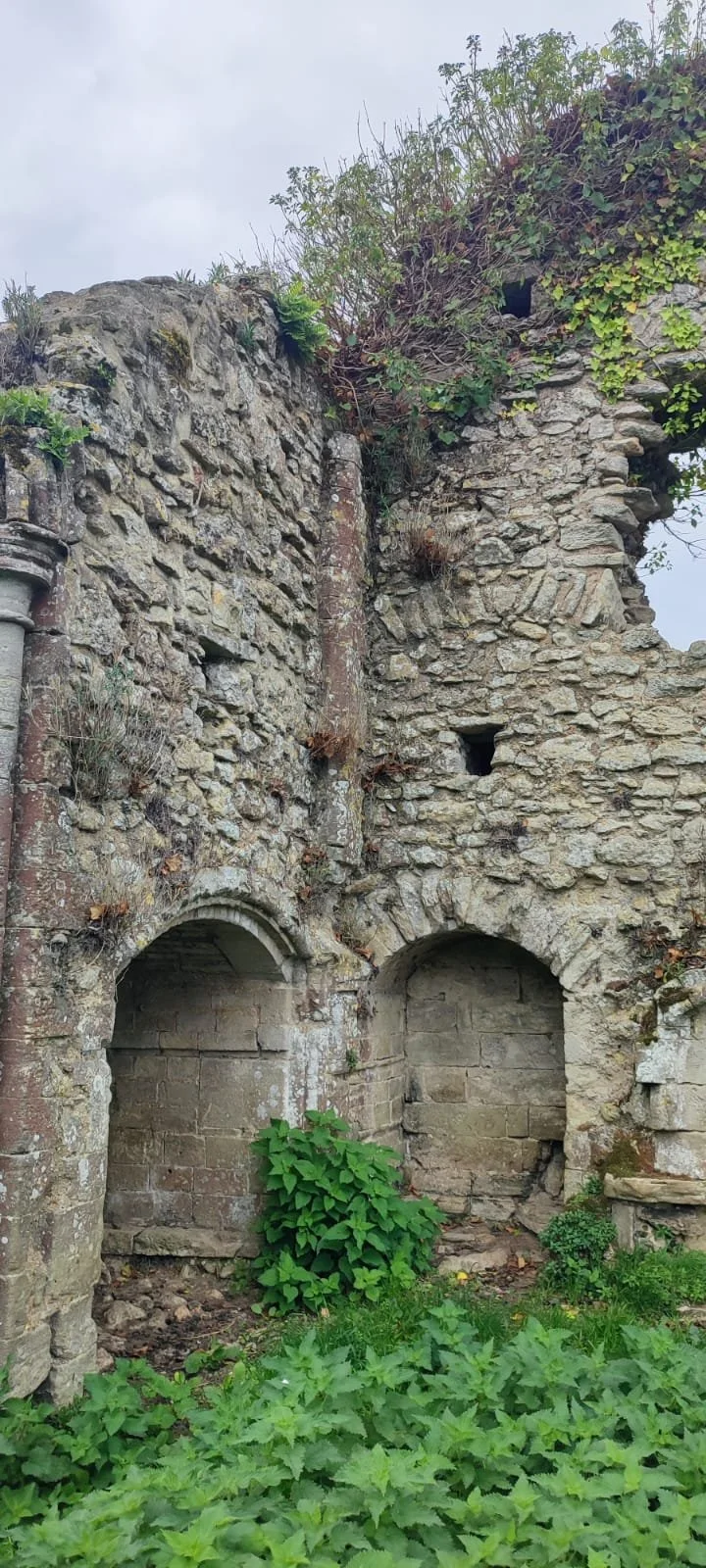
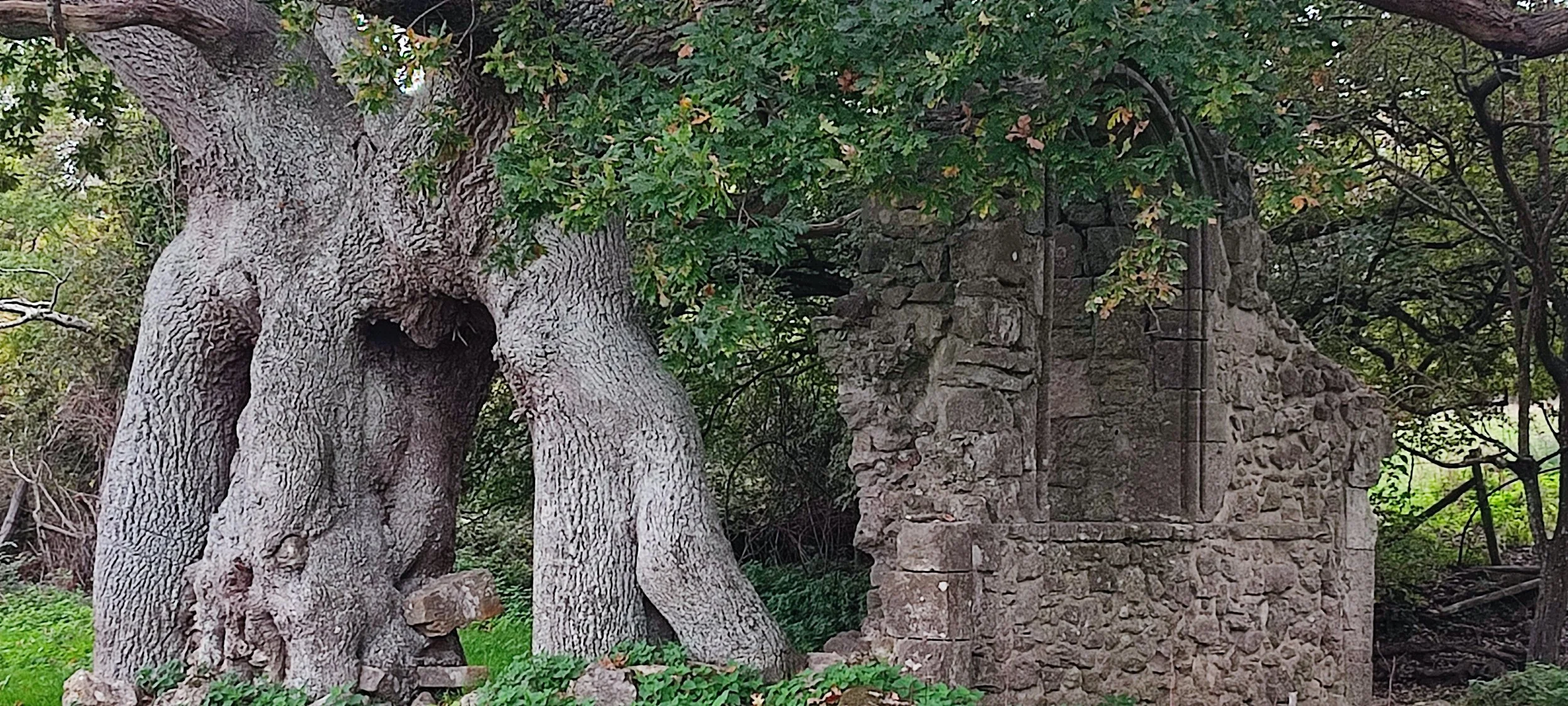
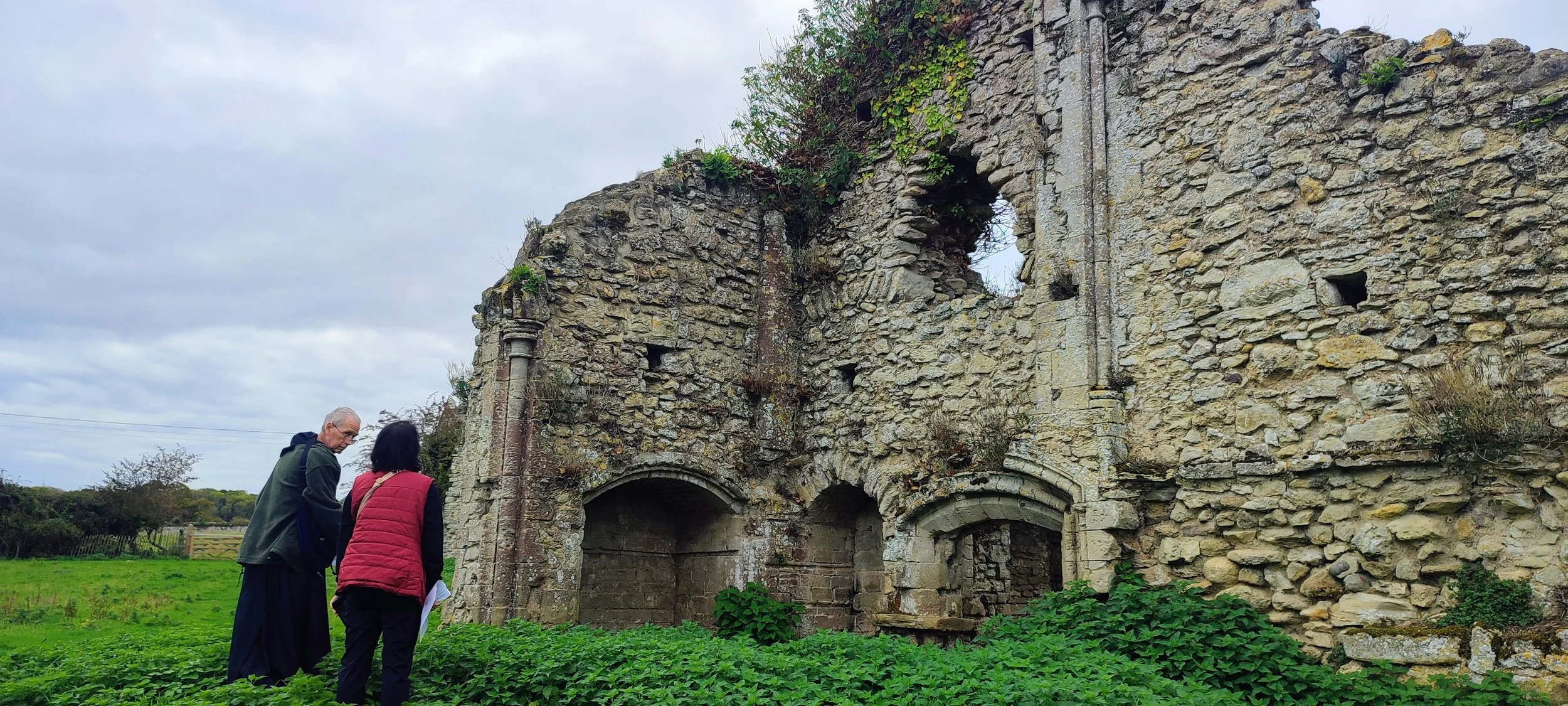
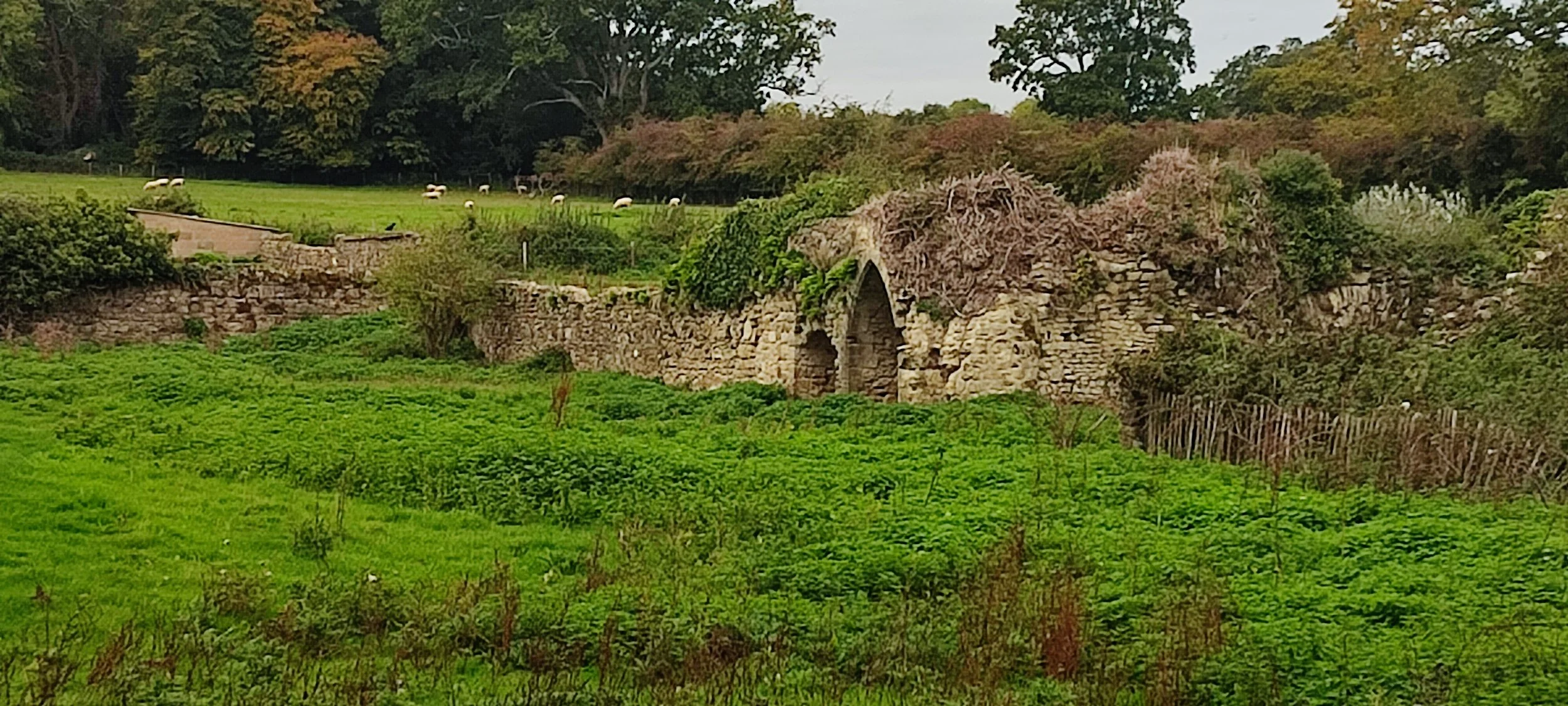
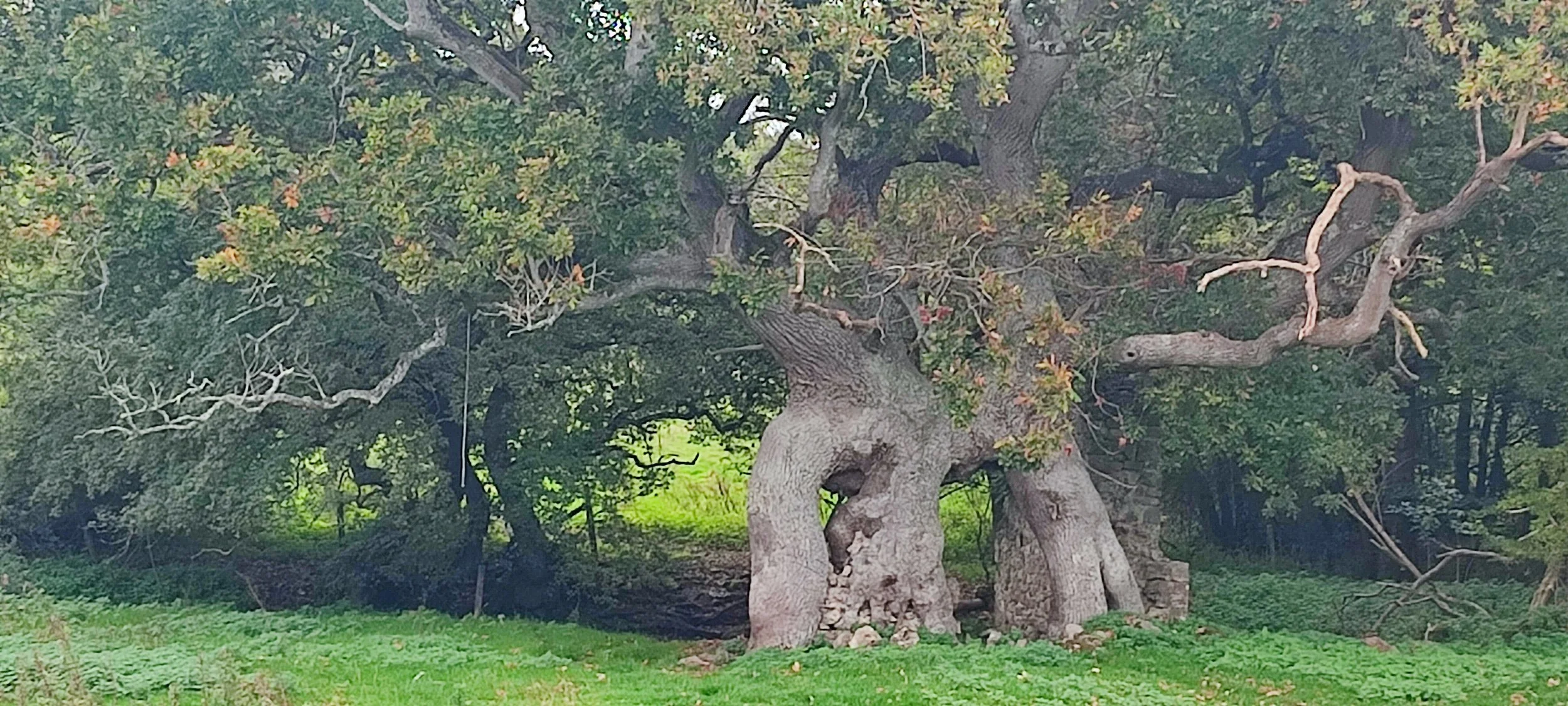
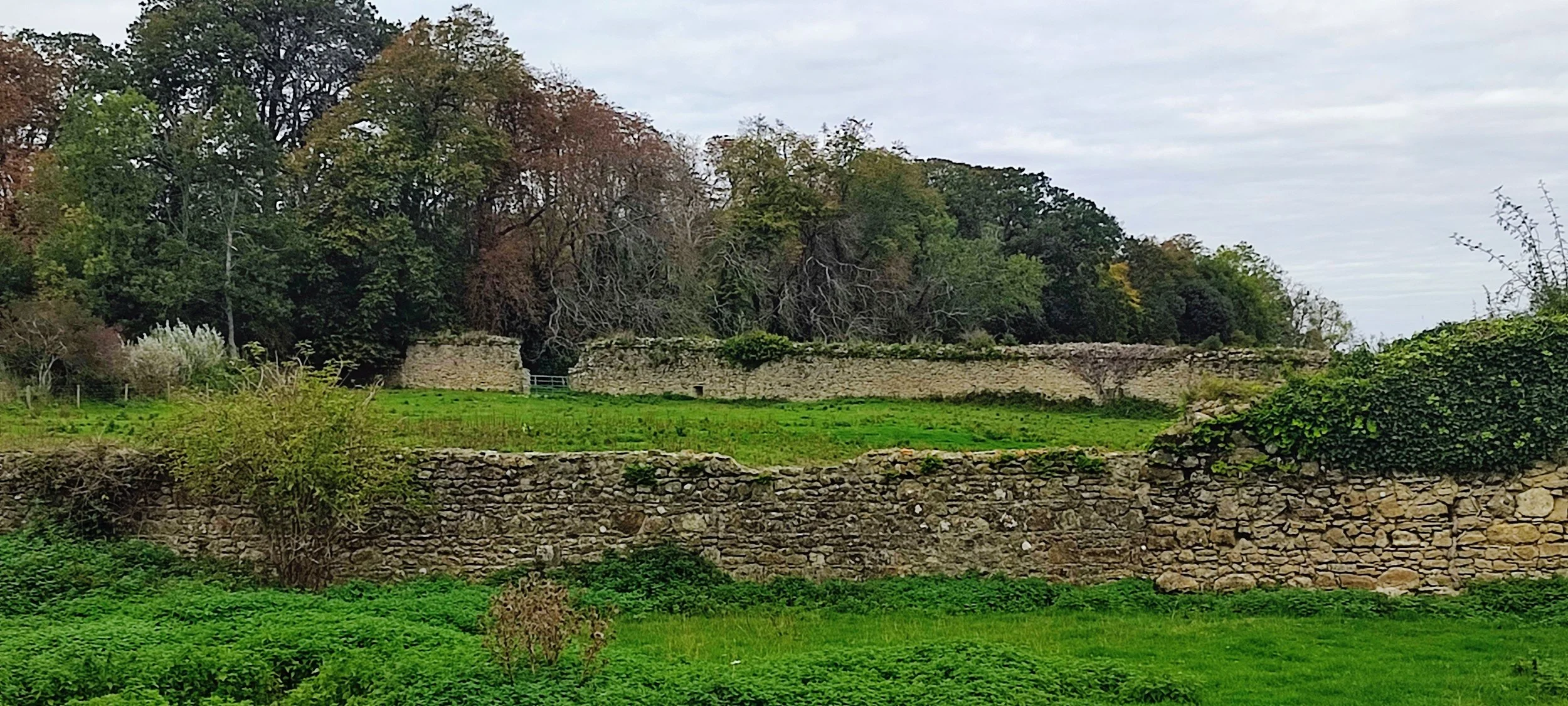
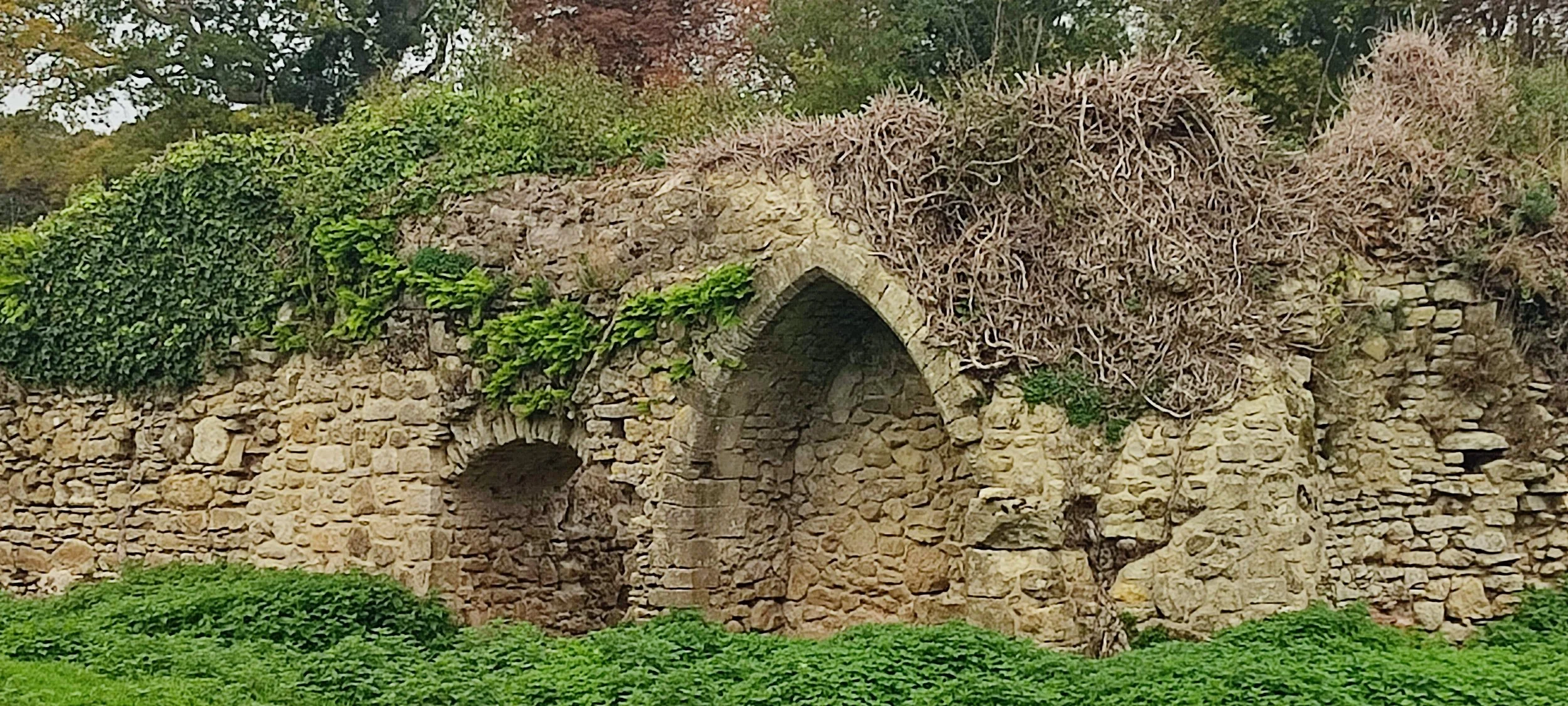
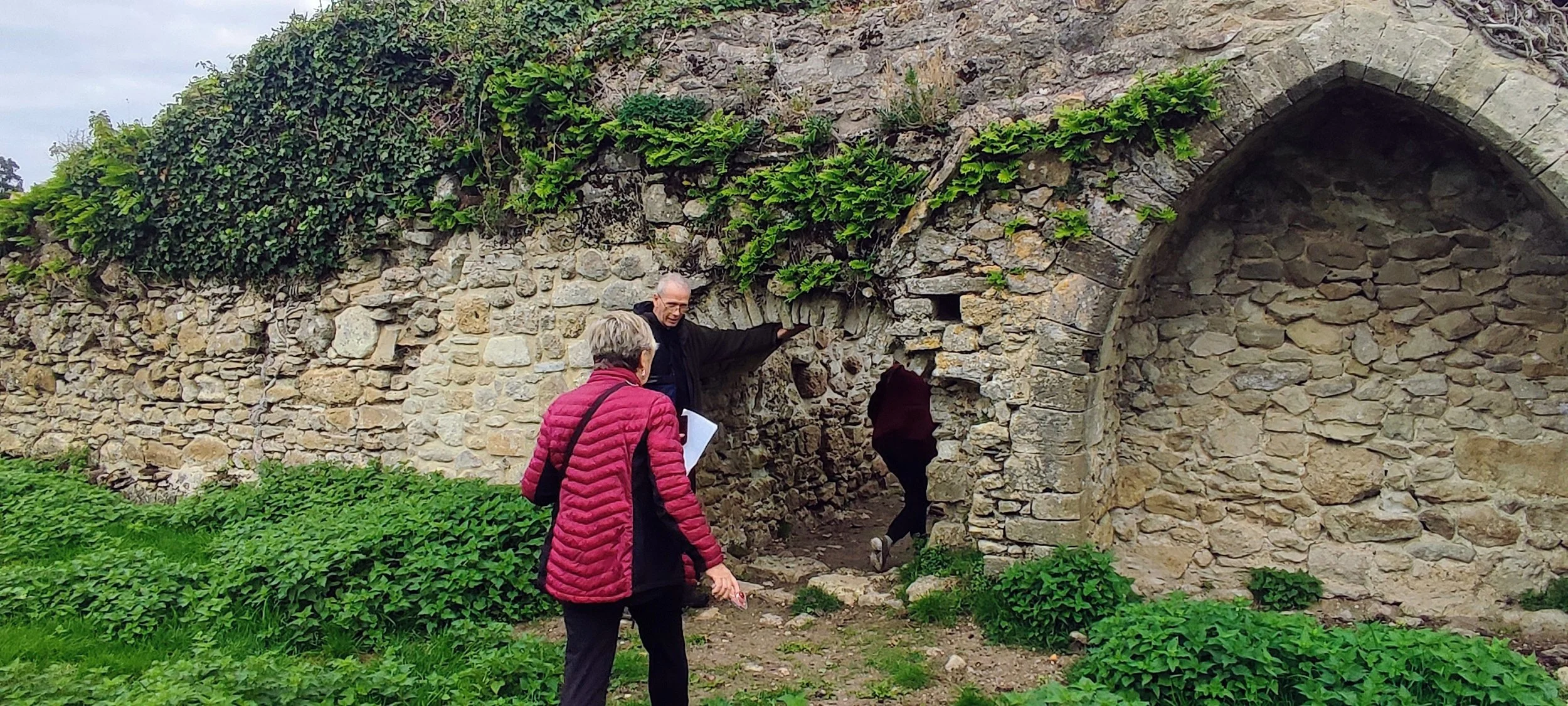
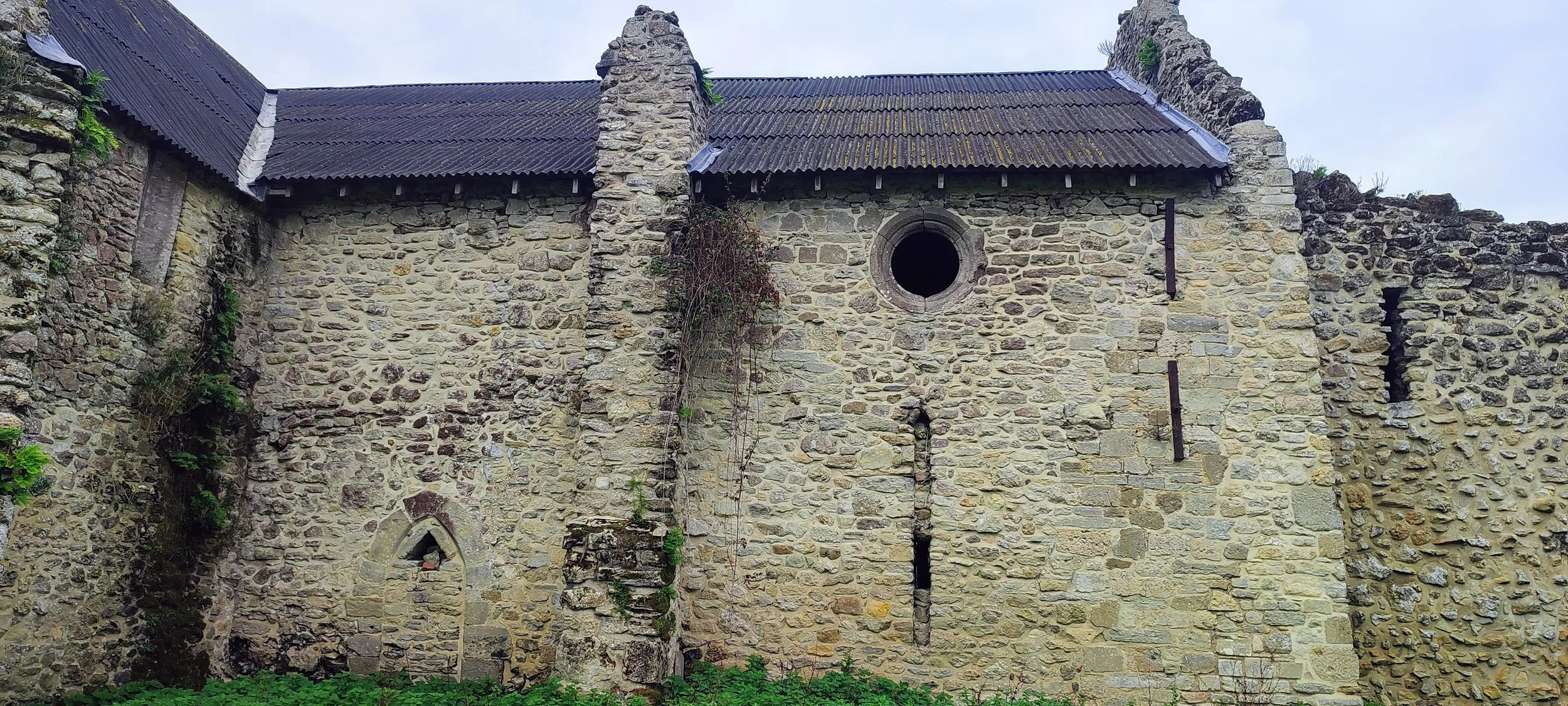
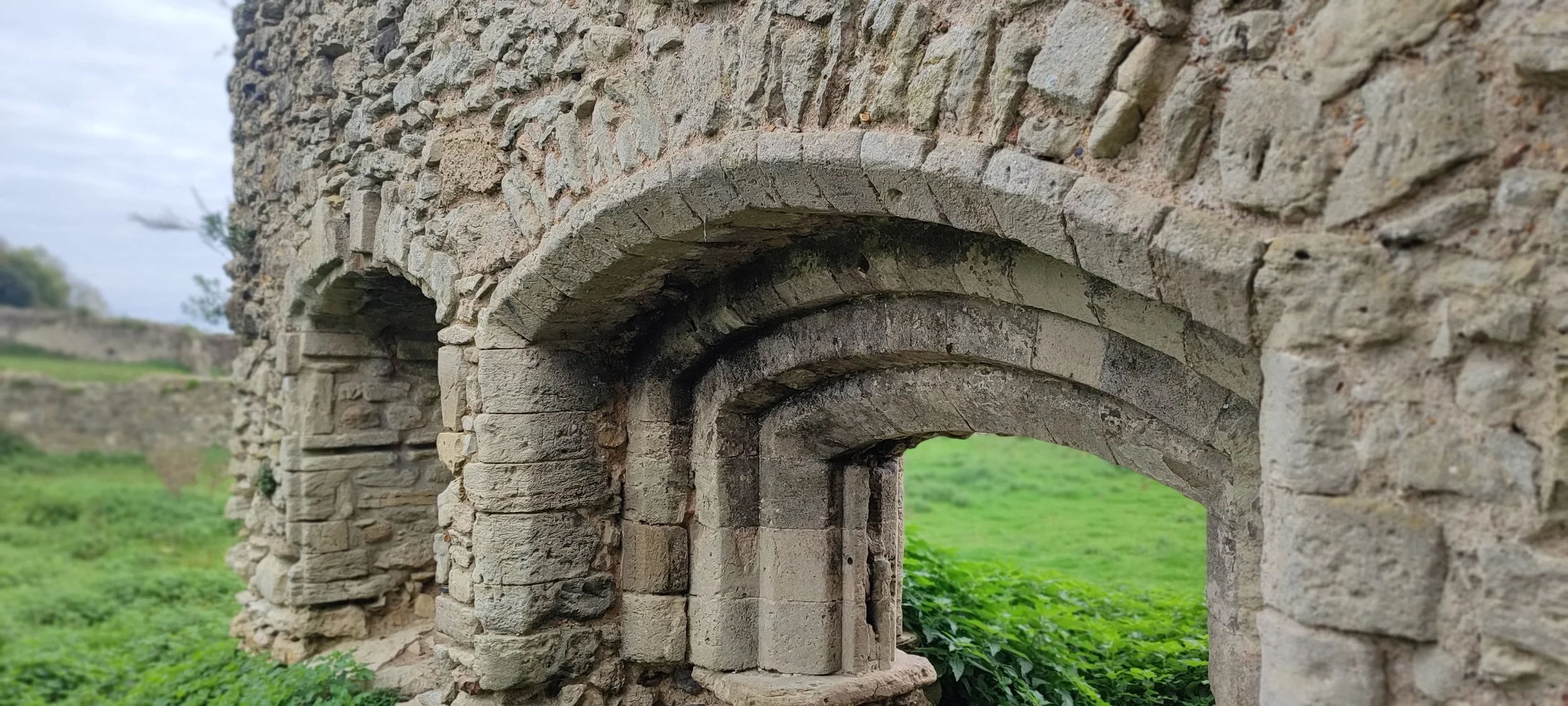
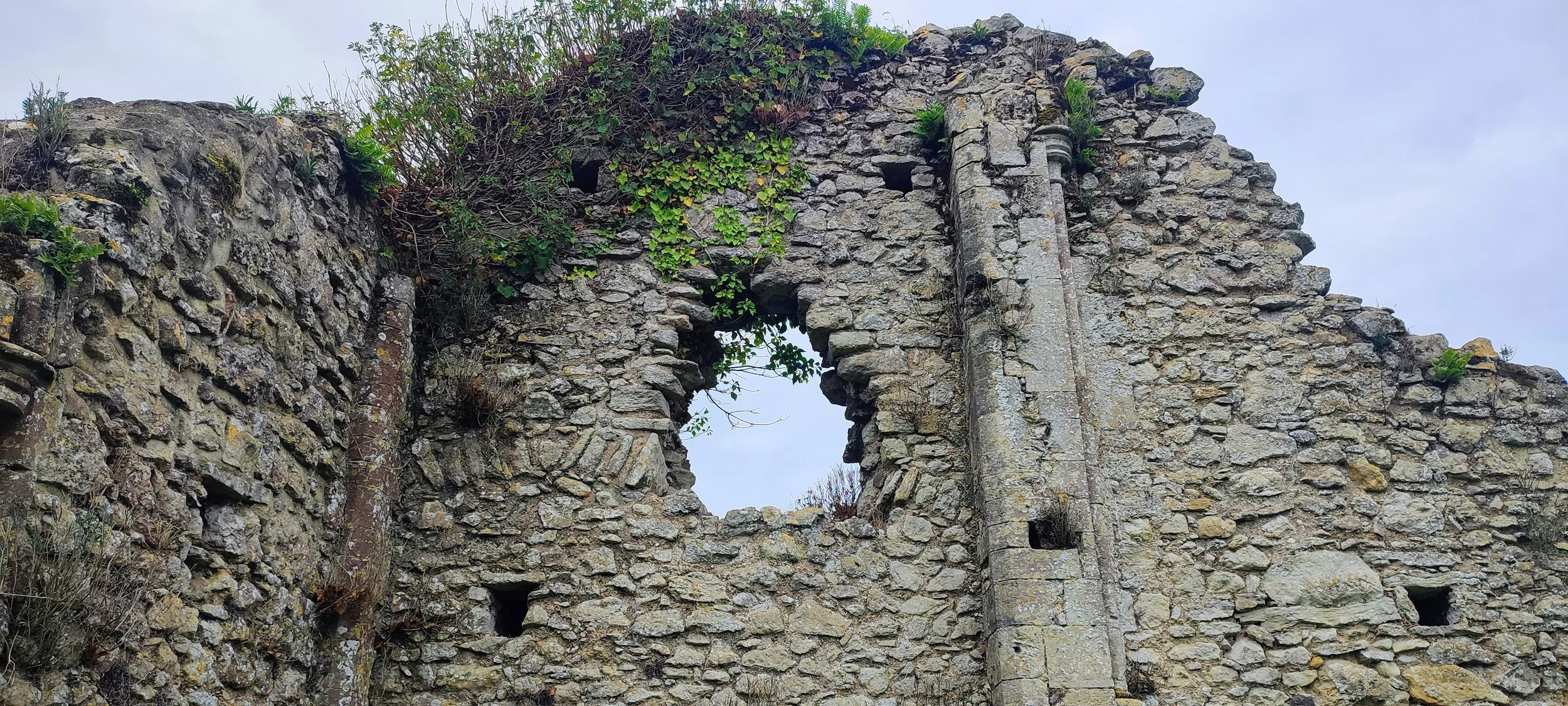
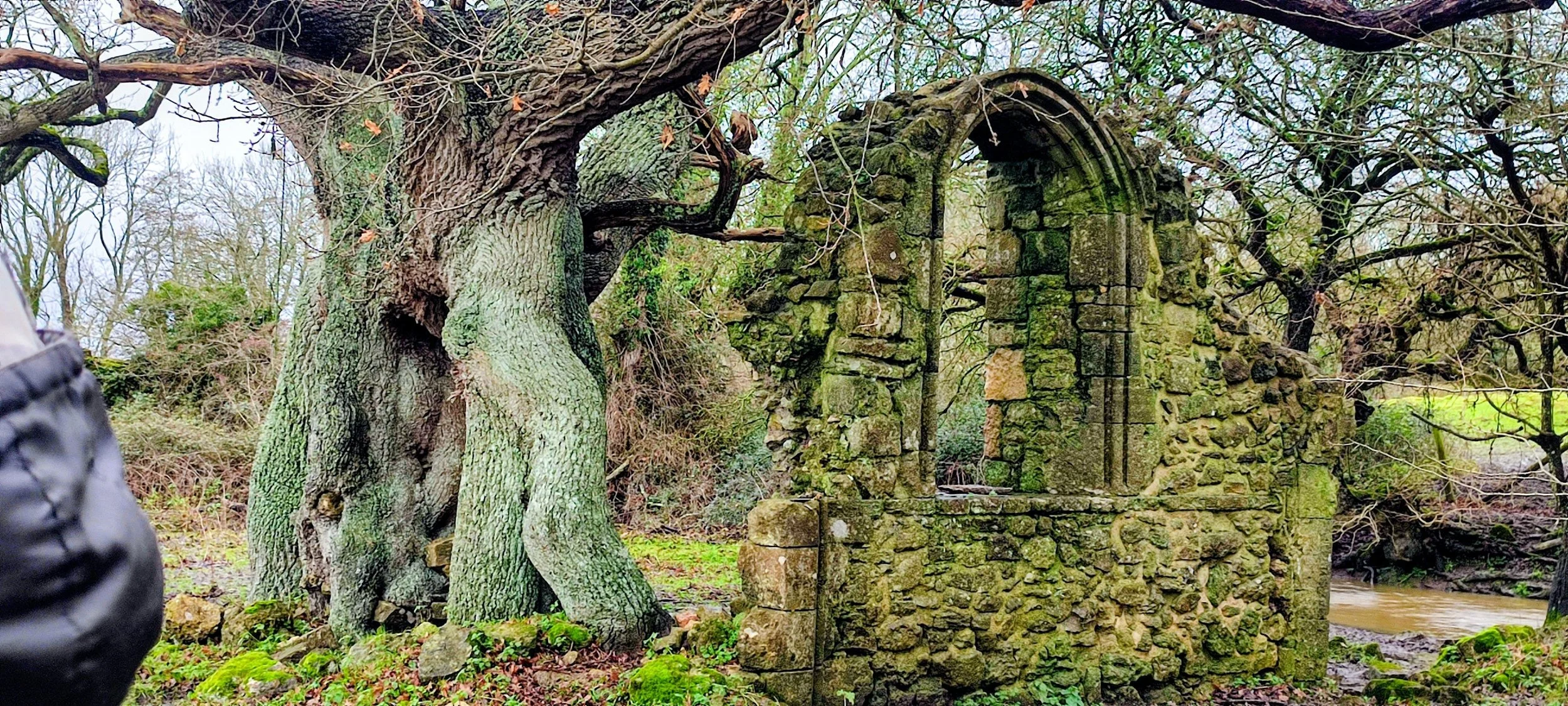
Next to the present-day monastery lie the ruins of a much older one – also belonging to an exiled French order which was founded by Baldwin de Redvers, who is buried among the ancient ruins of Quarr along with his wife. He later became Lord of the Island and Earl of Devon and with him, he brought monks from Savigny Abbey in Normandy, France. This medieval Abbey of Quarr was dissolved by Henry VIII in 1536.
You can see parts of these ruins from the pathway, but we can arrange an exclusive ‘behind the scenes’ tour for you, led by one of the monks and/or an archeological expert. Just speak to us and we will share more information with you.
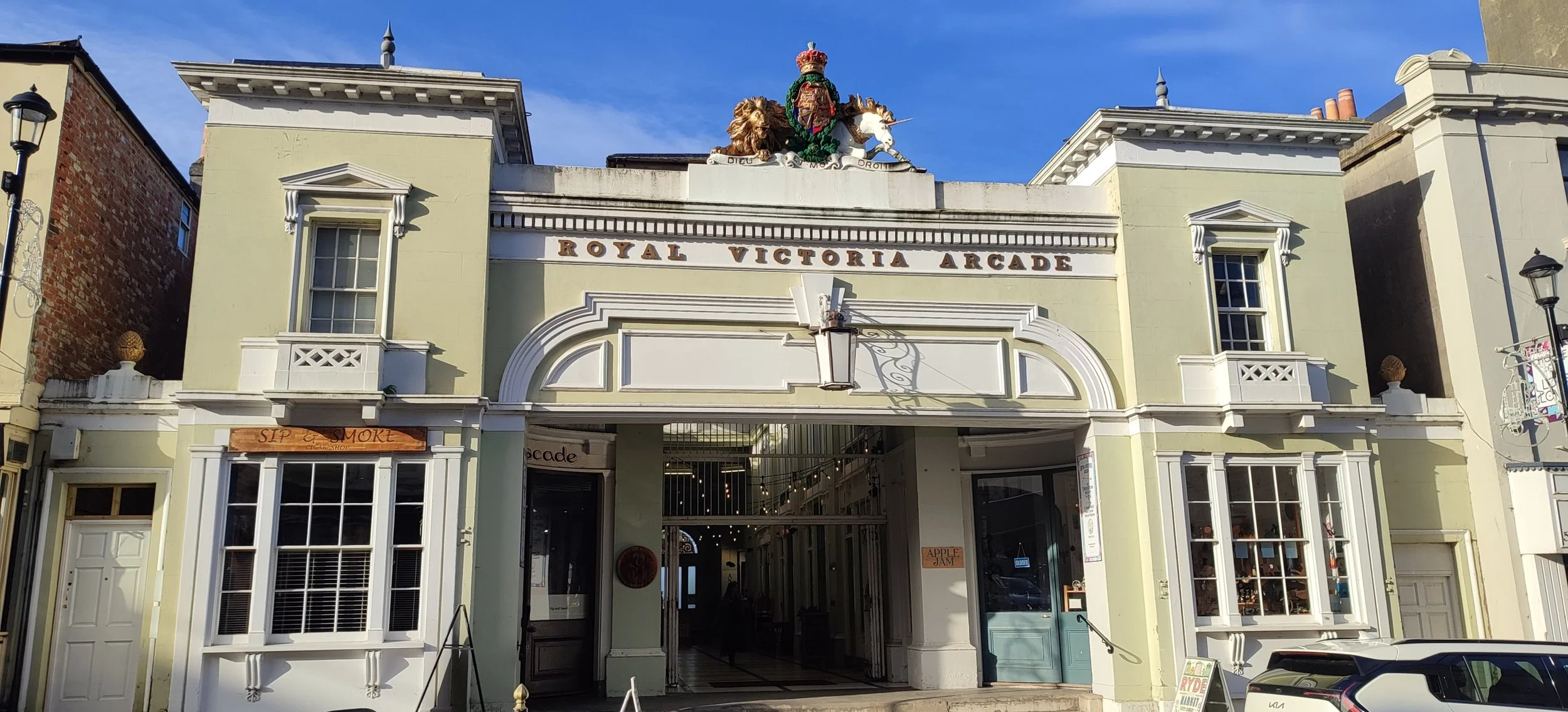
A short drive or interesting walk into the town of Ryde
A quick drive from here into the town of Ryde or, if you would rather combine this with some exercise, it’s a pleasant walk of around 45 minutes.
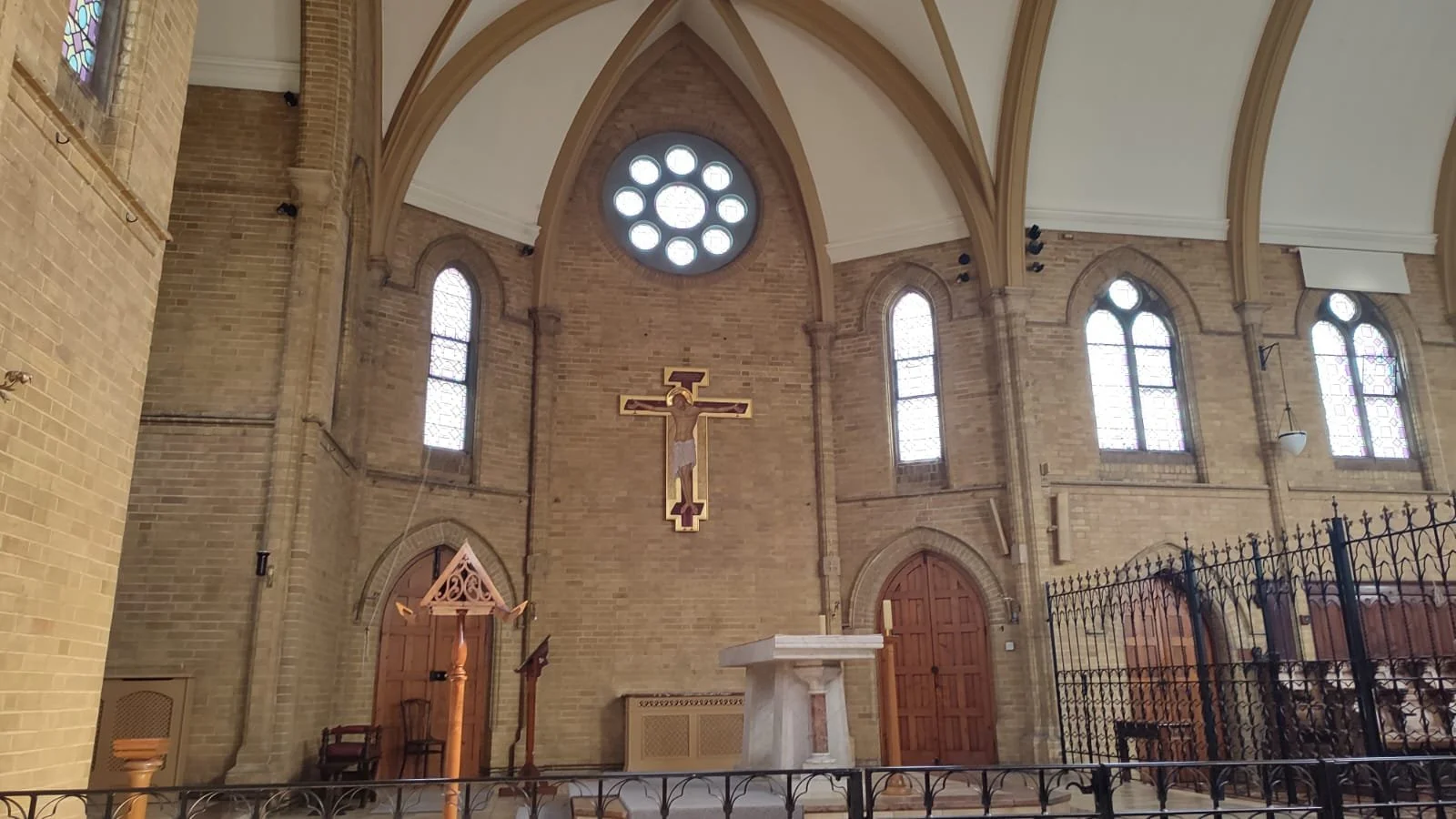
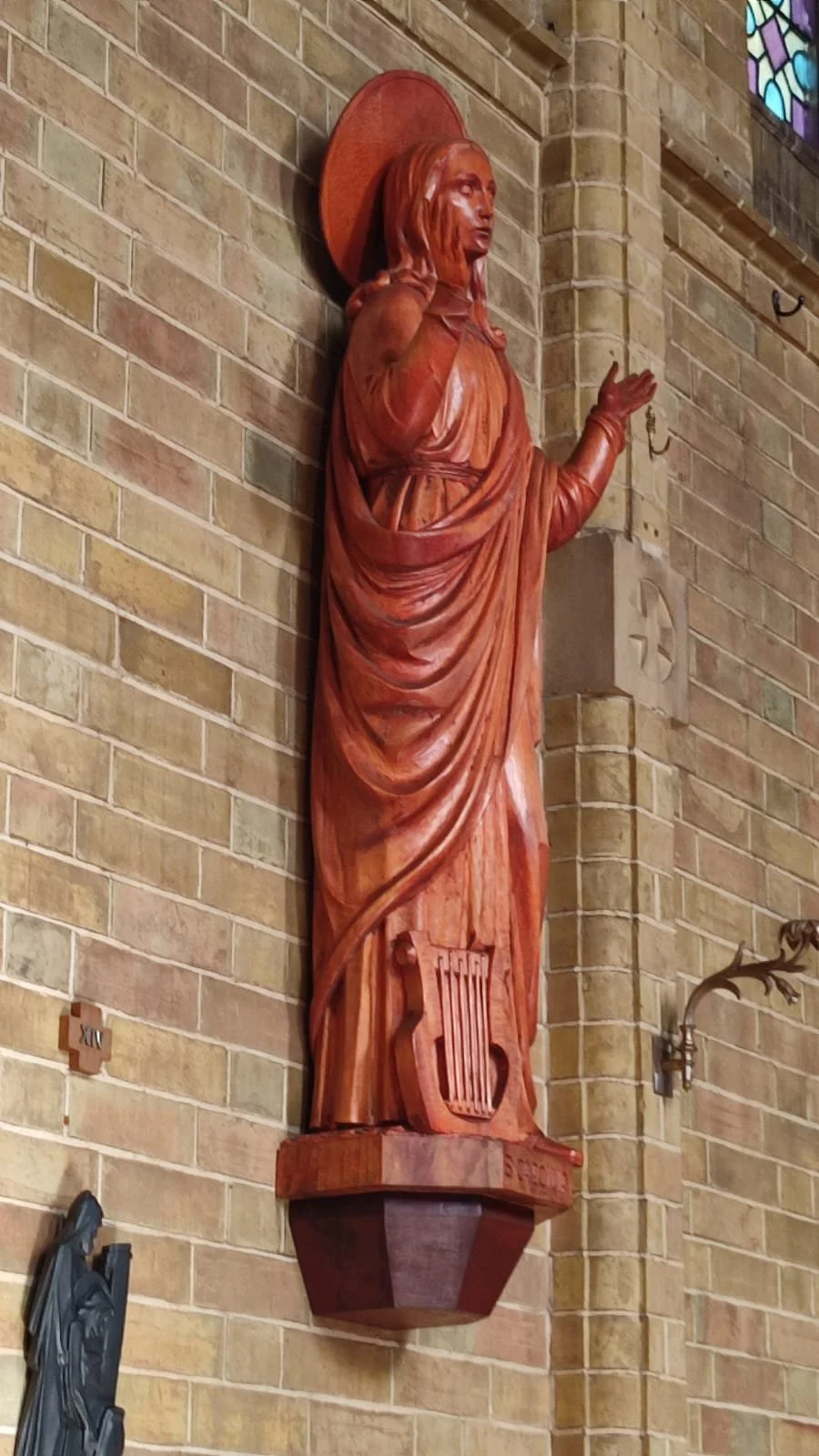
Their sisters at St. Cecilia’s
Their sister convent St. Cecilia’s Abbey (formerly Appley House) is located in Appley, Ryde. They too were first housed elsewhere, in their case, Northwood House, Cowes. They completed their move from there in 1905. The nuns here are more numerous than at Quarr – but the convent isn’t quite as accessible to visitors, as they are slightly more contemplative. However, St. Cecilia’s is open to the public for prayer and all are welcome to join their 9.30 a.m. Mass – at which you will be able to hear the nuns’ wonderful Gregorian chanting (without actually seeing the nuns).
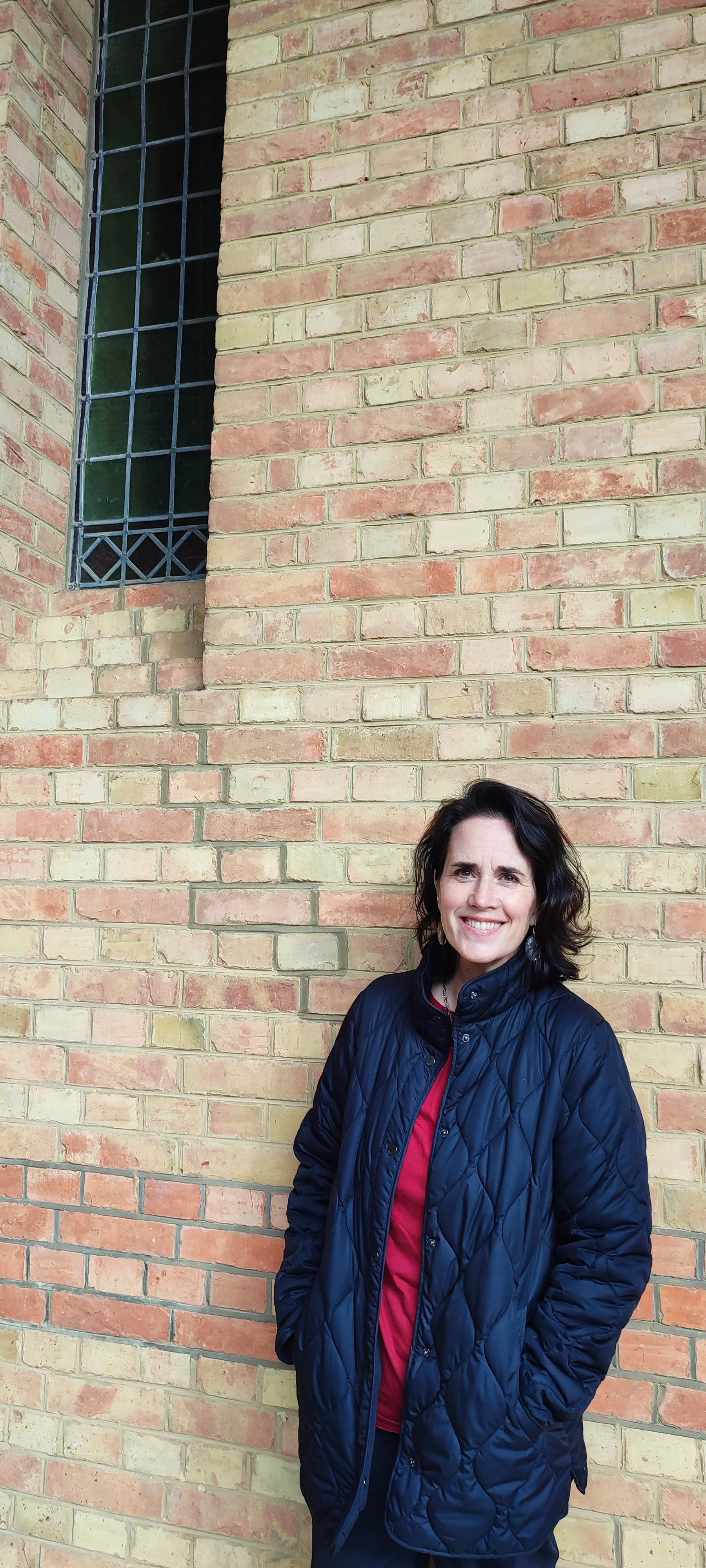
Amy Harmon at Quarr Abbey
Meet our client Amy Harmon
A New York Times best-selling author
Amy was a client of ours last year and again this. She lives in Utah in the United States and has written about 20 books – all of them hugely successful.
She recently felt compelled to visit the Isle of Wight and write a novel here – having no idea where this compelling force came from. And so she contacted me last year to take her round the Island for three days – to get a real feel for the place and seek inspiration.
On reaching Quarr Abbey, she immediately knew that she had found what she was looking for and it was love at first sight!
She has now just returned home after her second visit before finishing writing the book. She and her mother spent a couple of weeks in the Abbey’s 19th century holiday cottage, adjacent to the ruins. You too can rent this place if you would like to!
She was able to consolidate the findings of her first visit and I took her to revisit certain places and introduce her to some people who were able to be extremely helpful (which turned out to be a two-way experience).
No spoilers as to the subject matter of the book but suffice it to say, Amy manages to combine both the old and the new abbeys in an enthralling way – it will make a riveting read!
Oh – and mystery solved regarding her pull towards the Island. She has since discovered that back in the 1700s – two of her ancestors married here on the Island in the beautiful village church of Shorwell.
We would love to have the opportunity to also show you around this magical place and allow you to feel the same sense of awe and wonder that Amy did!
Places of Spirit and Beauty
-
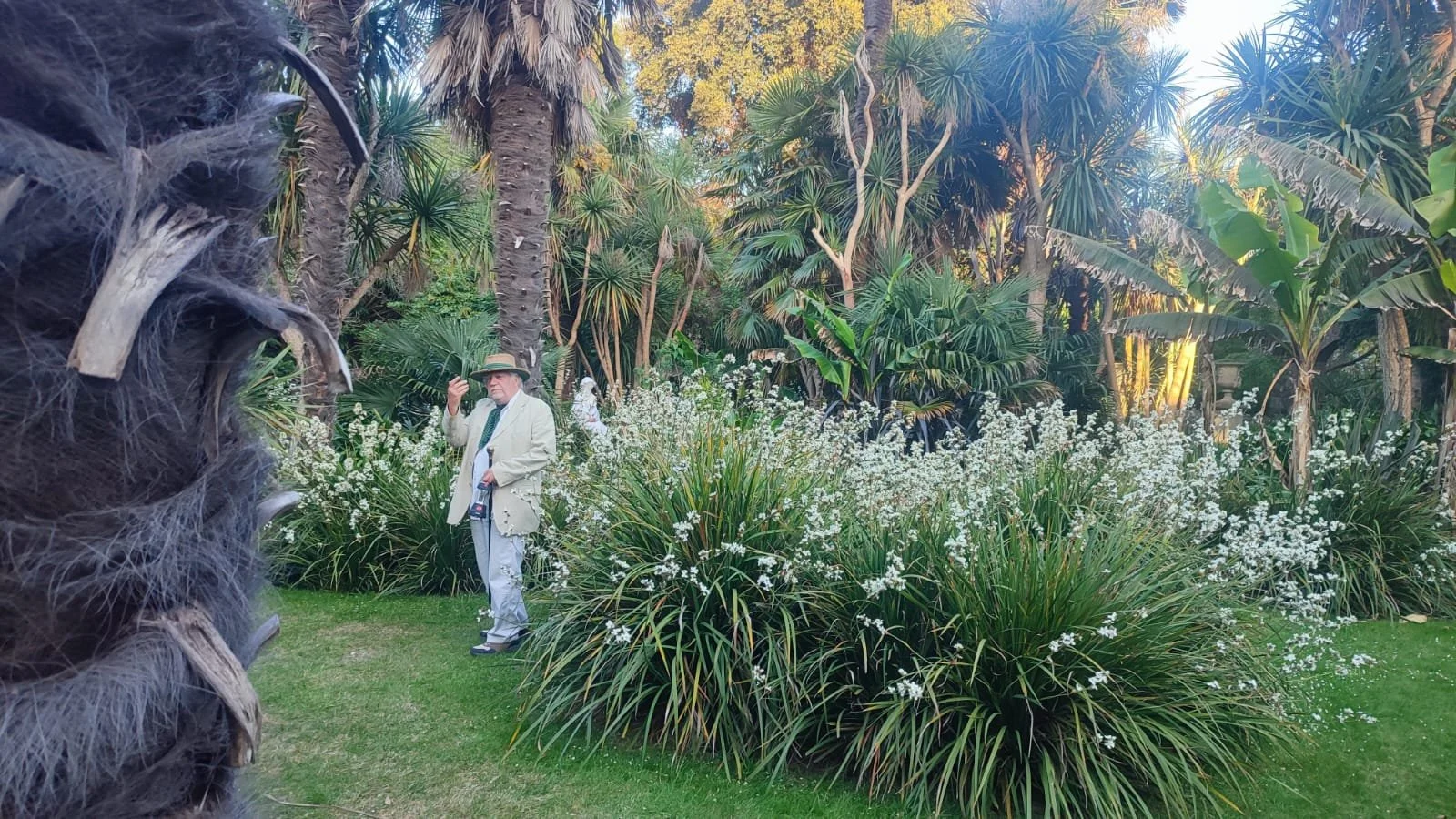
Island Ghost Tours
…with our Island expert
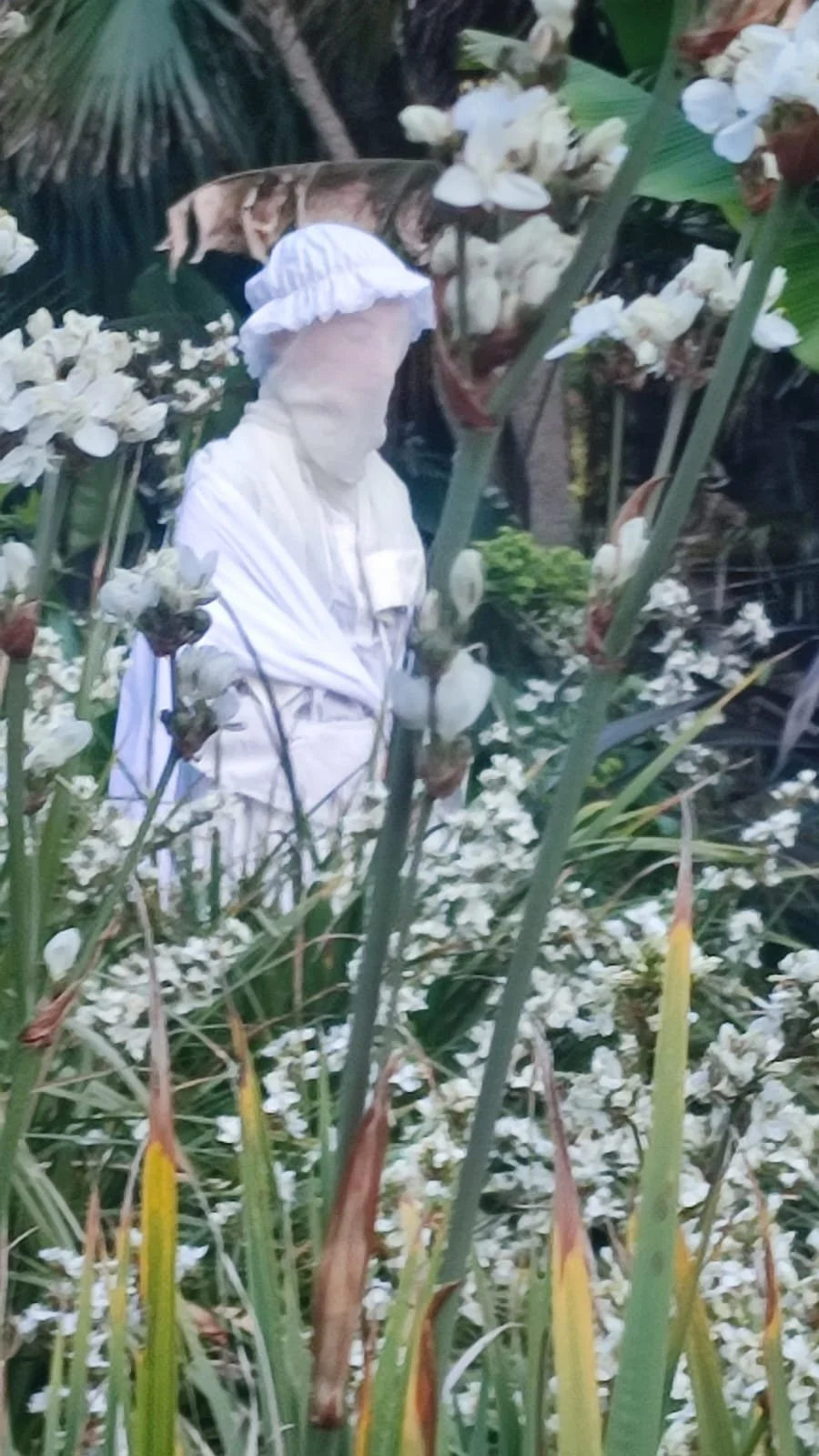
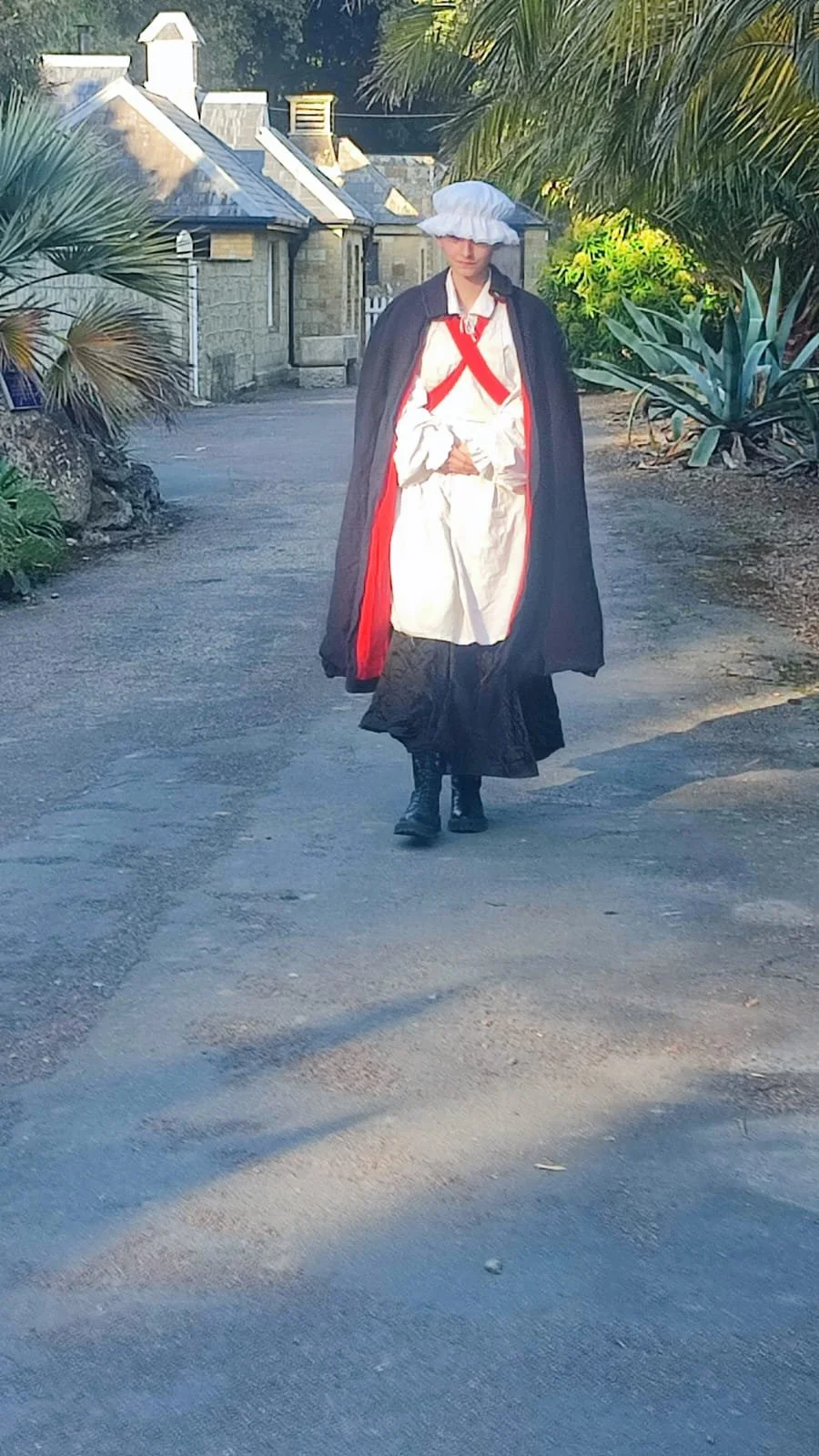
There are ghost tours and ghost tours. Many are intended to thrill and scare. That is NOT the kind that we are offering. Our partner Marc Tuckey and his team lead tours all over the Island and you will have a lot to choose from. We will liaise with you as to which tour will best suit you personally and fit in well with your itinerary. He is an Island historian who is both highly entertaining and informative. He will introduce you to many Island characters – both real and fictional and the inclusion of some Island folklore will be a given. Will you see a ghost? Well, you just might – that’s if you are open to the idea but they certainly won’t be of the scary variety.
You will meet Marc again on our ‘Gardens & Villages’ page. Simply contact us and we will talk you through all the options and take things from there.
-
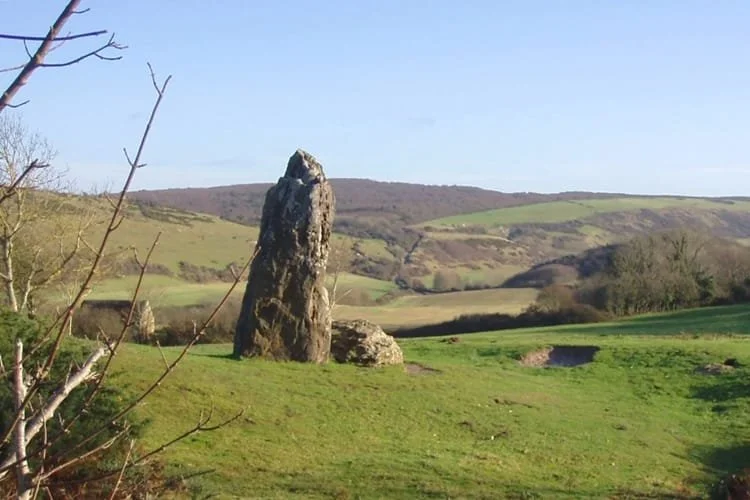
The Longstone
Back of the Wight’ – South-West
As local legend has it, St. Catherine and the devil had a competition to determine who would control the Isle of Wight. This would be decided by throwing a stone from the nearby St. Catherine’s Down and whoever’s stone reached the furthest would be the winner. Sure enough, St. Catherine won! The devil’s smaller stone stands next to it.
The stone marks the entrance to a Neolithic long barrow – where the dead were once buried. People almost certainly worshipped the sun and moon here, making this an incredibly old site of huge spiritual significance to many. Even today, some locals still gather to celebrate the solstices and equinoxes and other occasions besides.
4,000 years after it was built (i.e. in Saxon times), ‘mootstones’ were places where people would meet and where judicial and administrative affairs were carried out.
The Longstone was probably used as a ‘mootstone’ (which gave its name to the village of Mottistone). The Stone is situated in a magnificent area of rolling downlands and is reached via an off the beaten track pathway from the village of Mottistone itself. This is a wonderful walk but not too far for those of you who don’t have time or aren’t able to do a longer one – we can thoroughly recommend this!
It is also right next to Mottistone Manor – which we recommend you might well like to combine with your walk up to the Longstone. Immediately opposite is the church of St. Peter and Paul – also well worth a visit. If you combine this with a stop at the nearby Sun Inn for refreshmment then continue on to St. Catherine’s Oratory – (also taking a peep at the beautiful St. Catherine’s lighthouse) you will indeed have an idyllic stand-alone tour in itself – combining beautiful land- and seascapes!
-
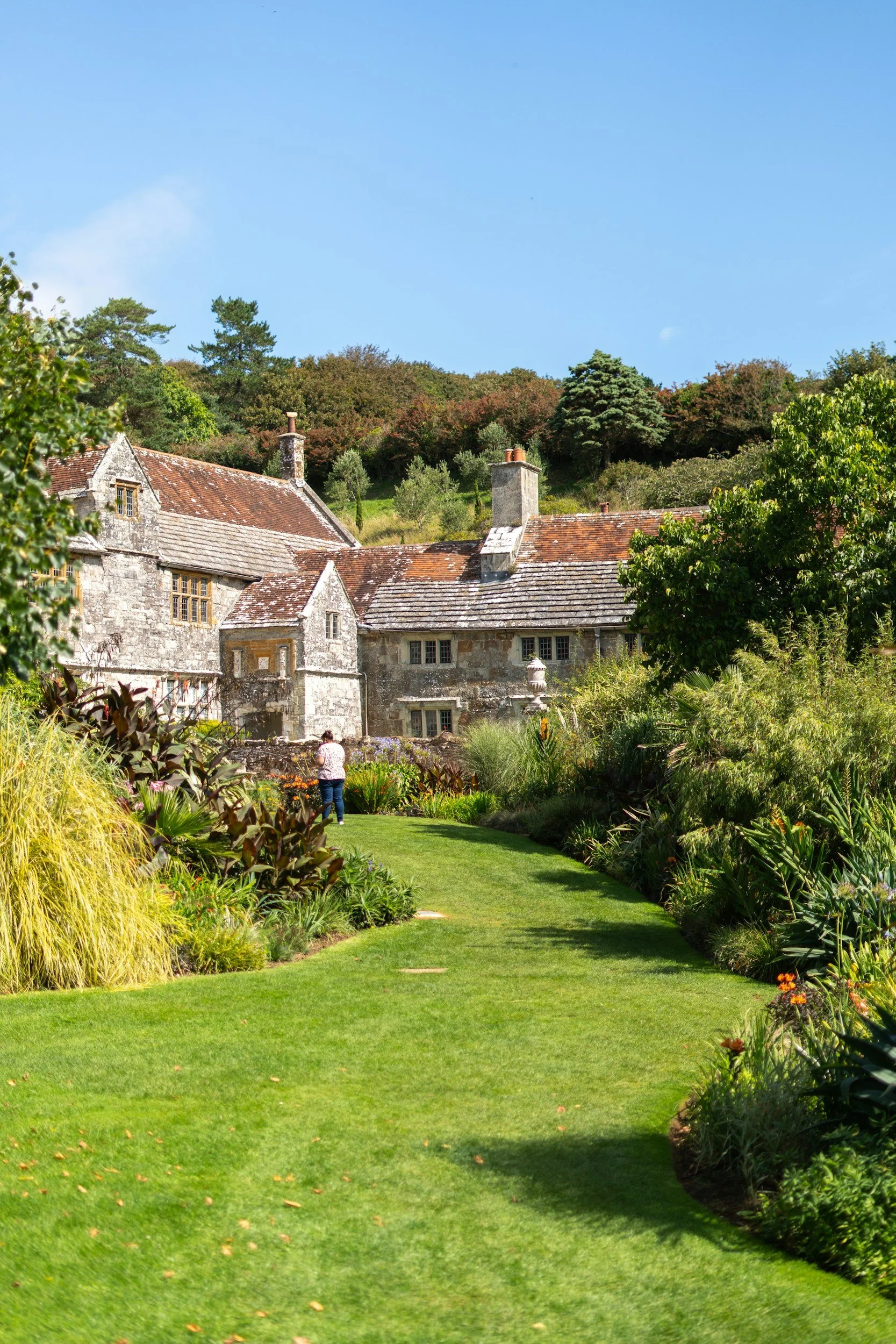
Mottistone (Manor & Church)
South-West
Mottistone Manor (National Trust) is a listed building which was mentioned as far back as 1086 in the Domesday Book.
The house has been added to over time but the main part of it is 15th century.It isn’t generally open to the public but is best known for its Gardens. It has been home to the well-known Seely family for generations.
The most well-known member of the family was Jack Seely, friend of Winston Churchill, and famous as much as anything else for going both TO WWI and returning FROM it on his beloved horse Warrior.
Today, clients are also very much interested in the fact that Benedict Cumberbatch and wife Sophie Hunter (a descendent of the Seely family) held their wedding reception here in 2015.
St. Peter and St. Paul Church, where the Cumberbatch wedding took place, is a grade I medieval listed building dating from the 12th century although much of the present one is from the 15th. Its chancel was reroofed in 1862 using timbers from the Bermudan barque ‘Cedrene’ which was wrecked nearby when it was only 16 days old! It was later restored by the Victorians in 1863.
-
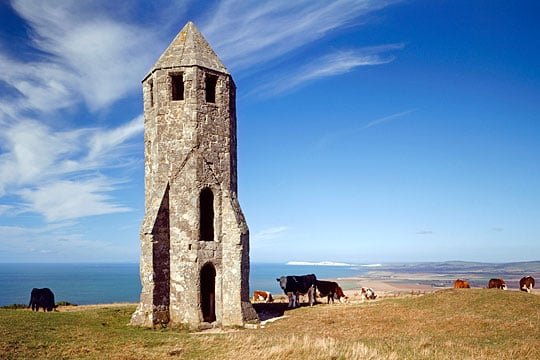
St. Catherine’s Oratory
South-East
Known by locals affectionately as ‘the Pepperpot’ – because this is what it resembles! One of the oldest monuments on the Island, it stands on one of the highest parts of it.
The area was once the site of a prehistoric burial mound and of a small medieval oratory (chapel), the west tower of which is thought to have been used as a lighthouse.
It seems that it was erected by Walter de Godeton, a local landowner who was punished by the Church for stealing wine from a shipwreck of 1314 in the nearby Chale Bay. The ship was laden with wine heading for a monastery in Picardy.
The building of the oratory (and lighthouse) was an act of penance to avoid excommunication from the Church.
The light was maintained by a priest who had to pray for souls lost at sea.This practice seemingly continued until the dissolution of the monasteries and Reformation in the 16th century.
-
St. Catherine’s Lighthouse
South-East
This beautiful white lighthouse was built in 1838 to replace the Oratory and guide ships into the English Channel. Although the building of a lighthouse was attempted in 1785, the project was abandoned due to frequent fog. The fog also affected the initial building of the current one – requiring the tower to be lowered in 1875, as it was too high and the light couldn’t be seen in foggy conditions. The lighthouse was automated in 1997. It is situated on St. Catherine’s Point at the southernmost tip of the Island. Its tower has 94 steps leading to the lantern.
-
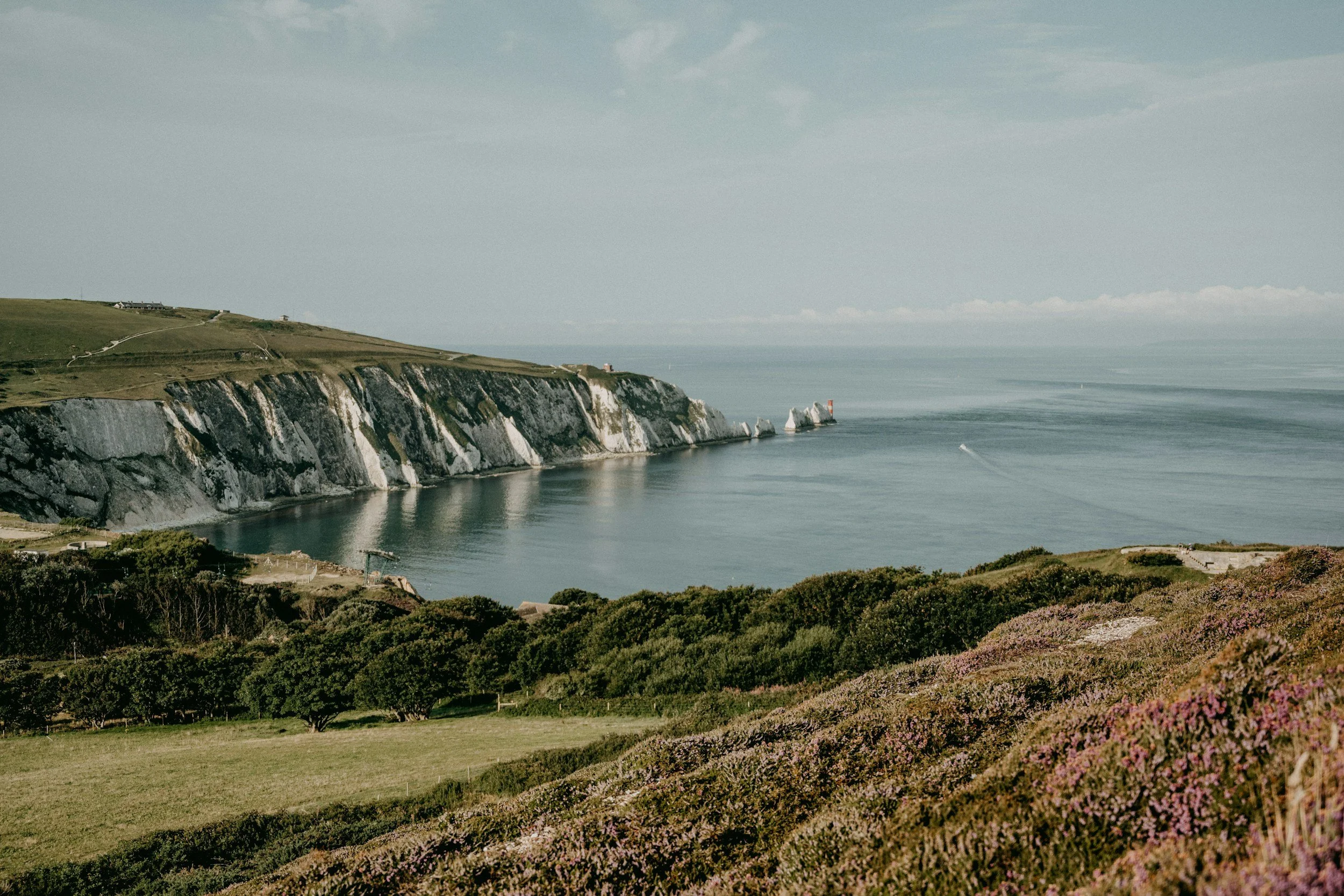
Headon Warren
West
Headon Warren is an area of national maritime importance, located at the extreme western tip of the Island.
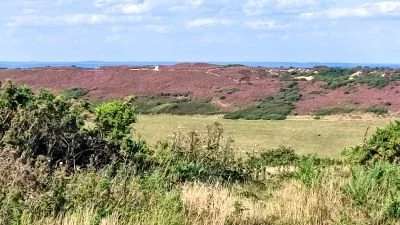
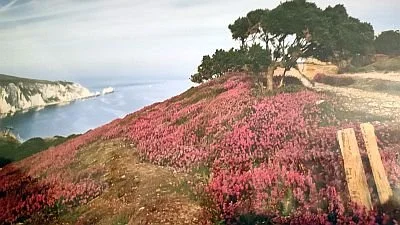
It is at its most spectacular when covered with its extensive heather bloom in late summer and autumn.
The combination of heather and gorse provide not only spectacular colour but also a rich habitat for rare species of wildlife.The area also affords the most breathtaking views of the Needles rocks and lighthouse that you could imagine!
The whole experience of walking up there and descending down to Alum Bay is simply stunning.Nowhere better springs to mind for those seeking the opportunity to truly feel at one with nature.
As for its history, in Neolithic times, namely 5,000 years ago, trees were cleared to allow the grazing of sheep and cattle.
In the 15th century, rabbits were farmed here for their fur and for food. Now rabbits are allowed to graze the site as part of its management plan.A Bronze Age barrow, 3,500 years old, was excavated in the 13th century during the reign of Henry III.
It had been believed that a local chieftain was buried inside, with jewellery, ornaments and weapons, but nothing was found during the excavation. -
Christian Pilgrimage
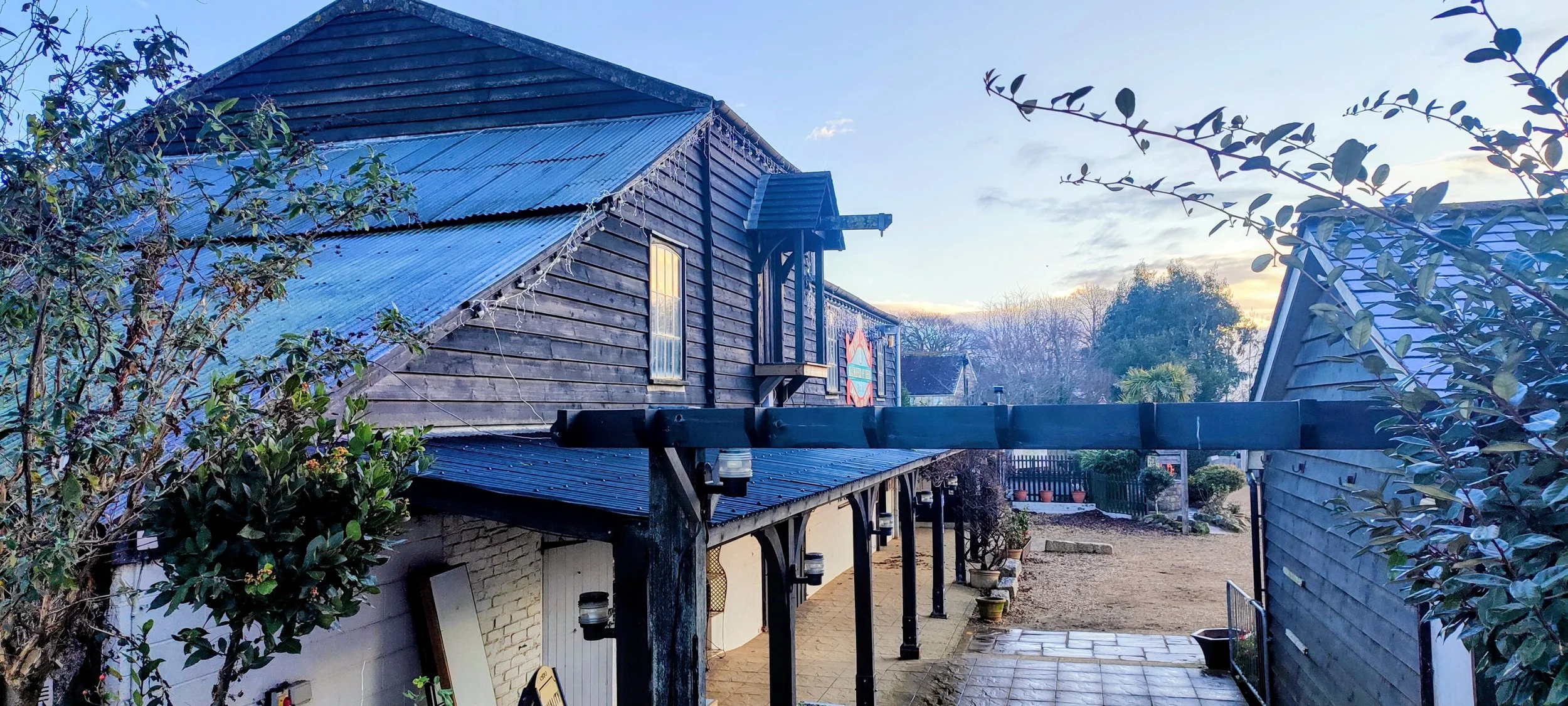
The Dairyman’s Daughter and Little Jane of Brading – the Isle of Wight as a site of Christian pilgrimage (Central)
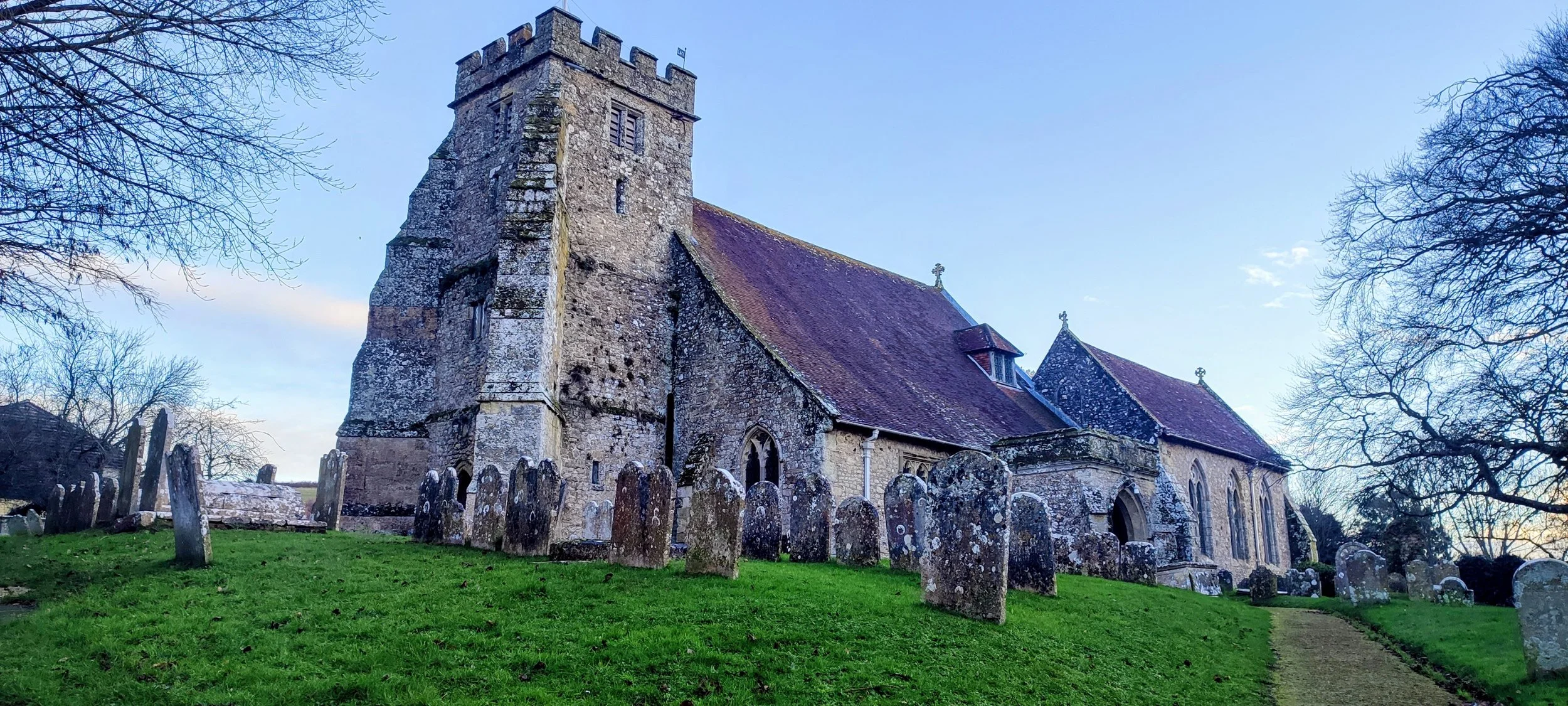
Elizabeth Wallbridge (The Dairyman’s Daughter) was born in 1771 and grew up and died in the small village of Arreton.
The Reverend Legh Richmond was a religious writer and curate of the church at Brading. He was inspired to write a book about her and she in turn became an inspiration to others.
She came from a poor but upright family had seemingly led a somewhat wilful life up until the age of 26 but ‘found religion’ after listening to a particular sermon.
Thereafter she became a devout Biblical student, all the more so after becoming sick, eventually dying at the age of 31.It was his discussions with her leading up to her death that prompted him to write the book in 1828.
14 years later, its circulation exceeded four million copies written in 19 languages.This led many to make a pilgrimage to her grave, including Queen Victoria.
If visiting her grave in the churchyard of St. George’s is of interest to you, it is immediately next to Arreton Barns – a place where you can visit several local craft shops.
There is also a nice pub there to take some refreshment called, unsurprisingly, ‘The Dairyman’s Daughter’.Richmond also writes about ‘Little Jane’ – in his book entitled ‘Annals of the Poor’.
Jane Squibb was born into poverty and attended his Bible classes in St. Mary’s Church, Brading starting around 1797.
She too became increasingly religious – inspired by the inscription on a tombstone in the churchyard.
She too became severely ill at the mere age of 14 and the reverend gentleman also visiting her at her bedside for a long while until her own premature death in 1799.As with Elizabeth not so very long before, he was more than impressed by her piety and religious understanding.
If you wish, you can look at both her grave and pretty thatched cottage (a Grade II listed building) in the attractive village of Brading.
-
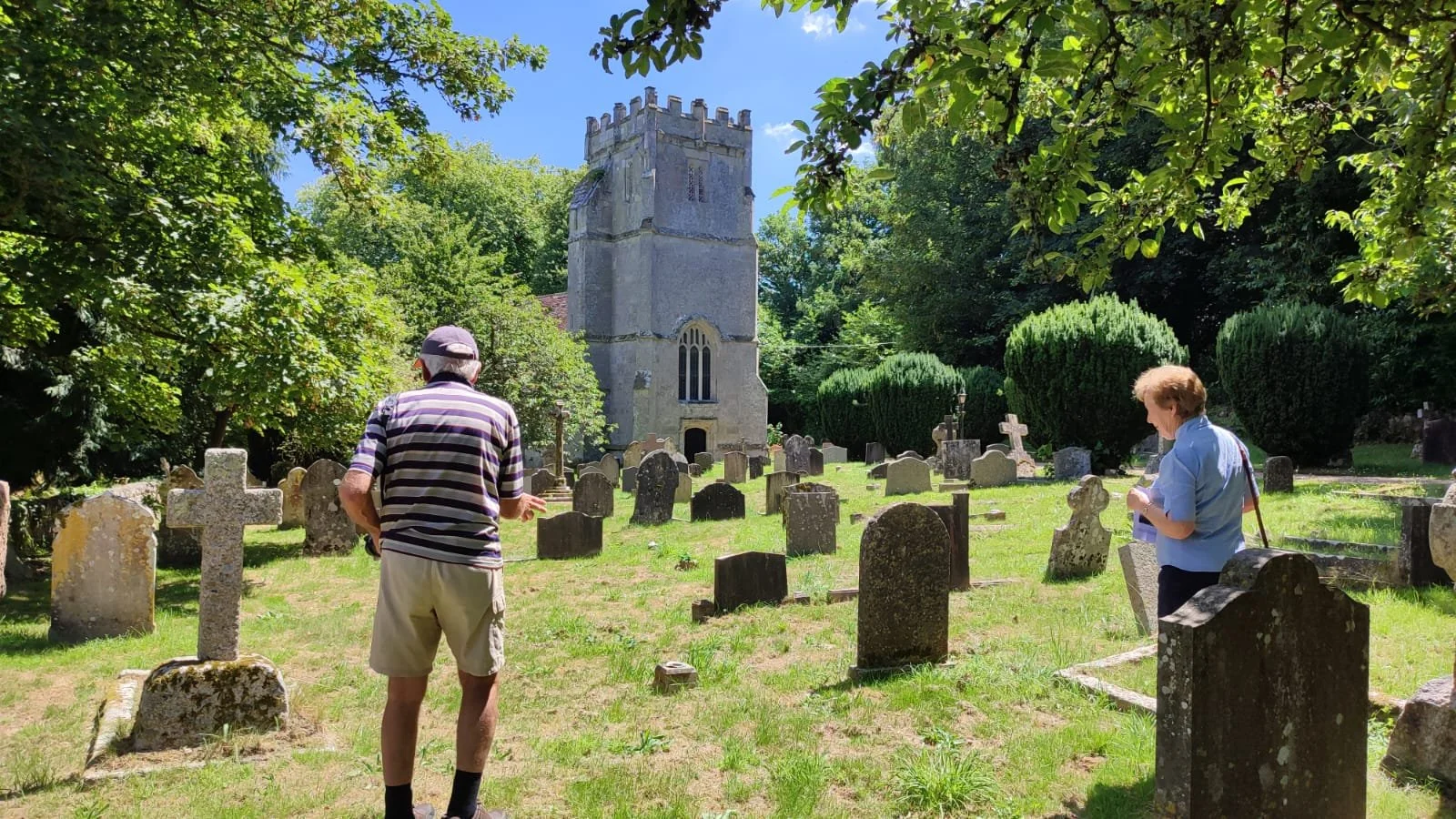
St. Olaves (Gatcombe)
This is a lovely church in a beautiful setting.
Strangely, several of our clients have visited this place with me when tracing their family history.
This particular area – full as it is of beautiful old farmhouses, has proved to be the end of the line for quite a few of our clients’ ancestry searches.We have brought both Australian and American clients here.
On this photograph, two of our clients are searching the headstones to find their own ancestors. Were they successful? Yes, they were!Meanwhile, inside the church – something very mysterious and fascinating once happened – or did it?
True, we now know it to be a fabricated story – but this makes it none the less appealing and wonderfully constructed and is very much part of Island folklore.
Are we going to tell you the story here? Of course not!
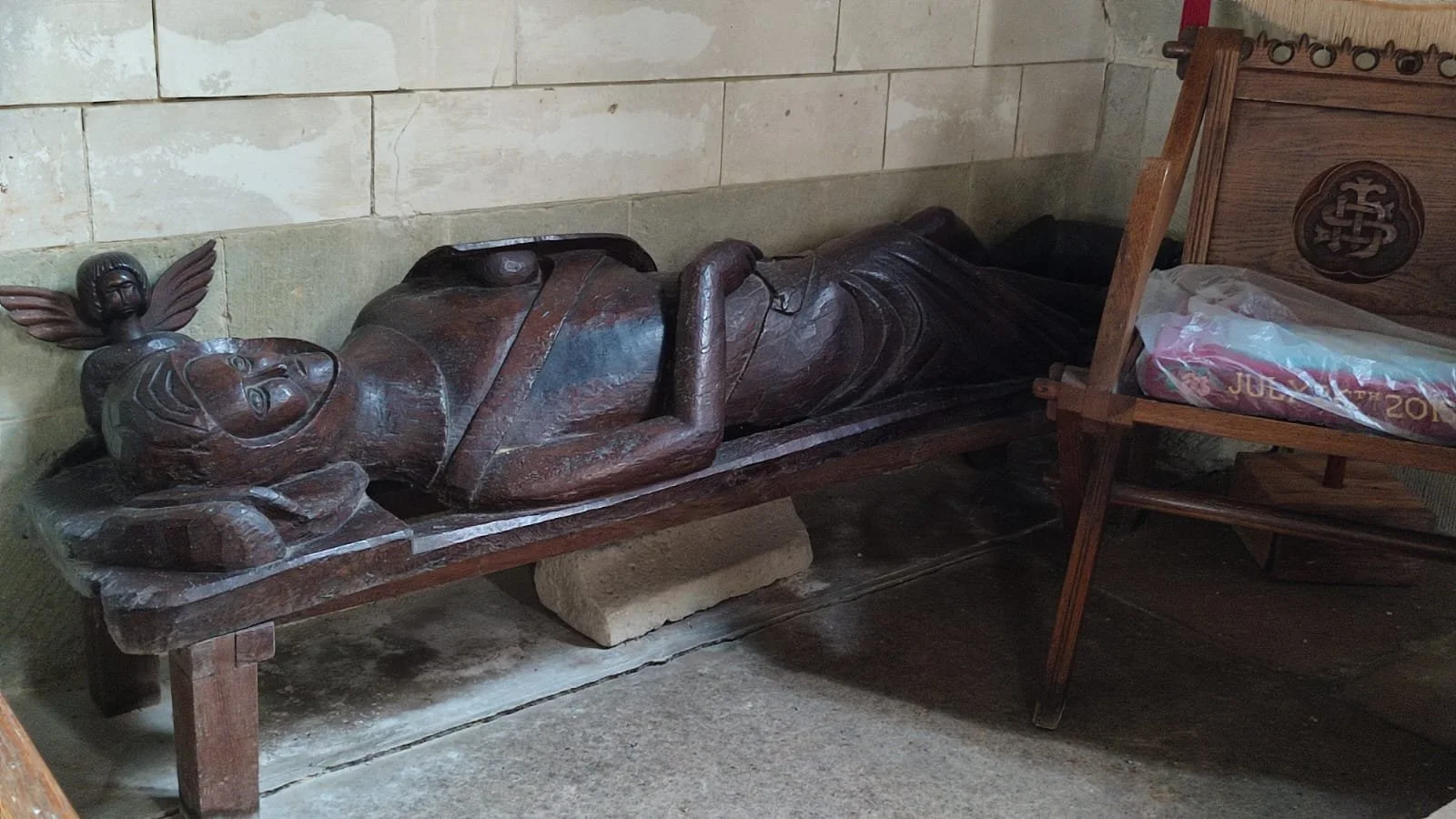
Come and hear it for yourselves from us where it took place.It involves a 14th century knight and a beautiful 19th century girl – oh, and a horse. And that’s as much as you are going to get for now!
-
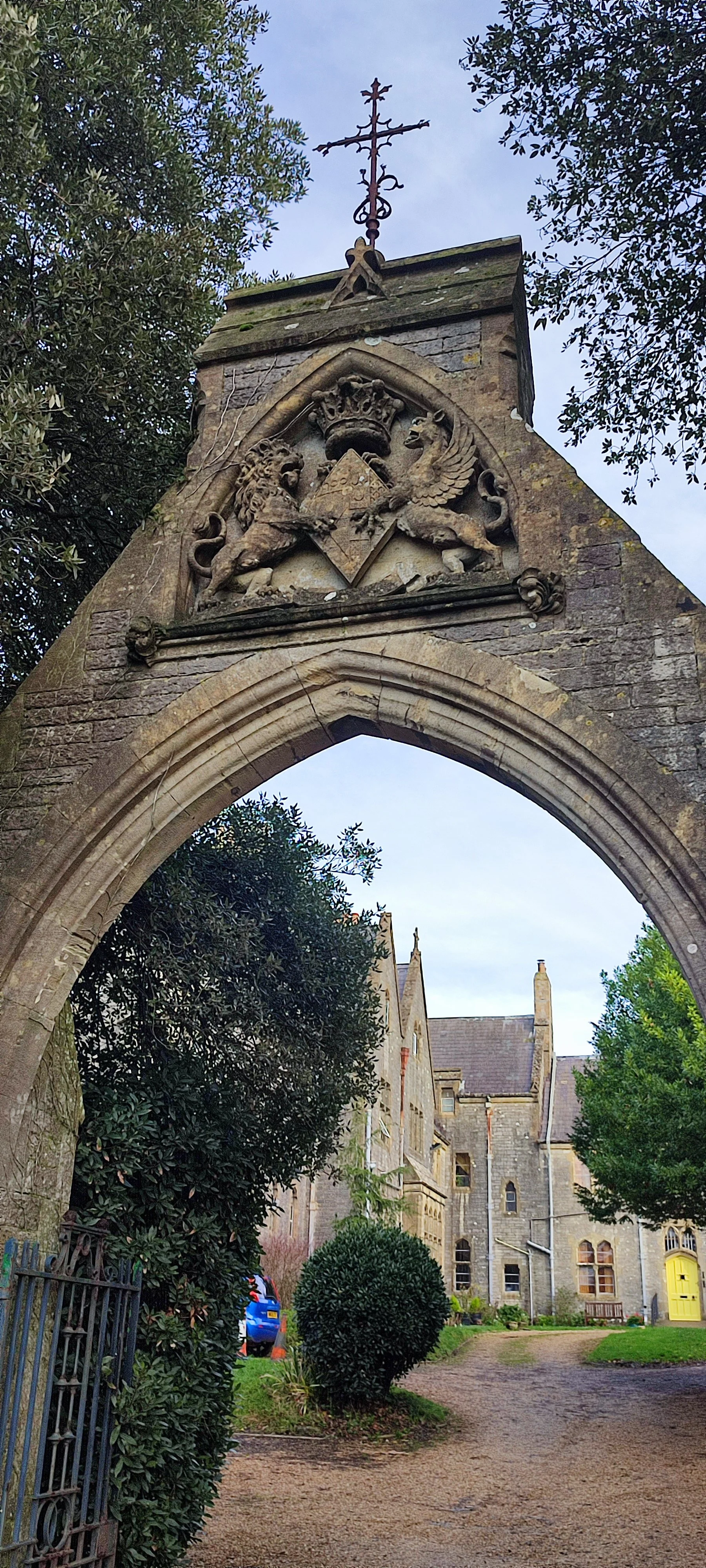
Carisbrooke Priory
Central
This was originally the home of an order of Dominican nuns who belonged to the Order of Preachers, founded in southern France by the Spaniard Dominic of Guzman at the beginning of the 13th century.
It was then called St. Dominic’s Priory.In 1865 it became the home of the Lady Countess of Clare, a devout Catholic convert.
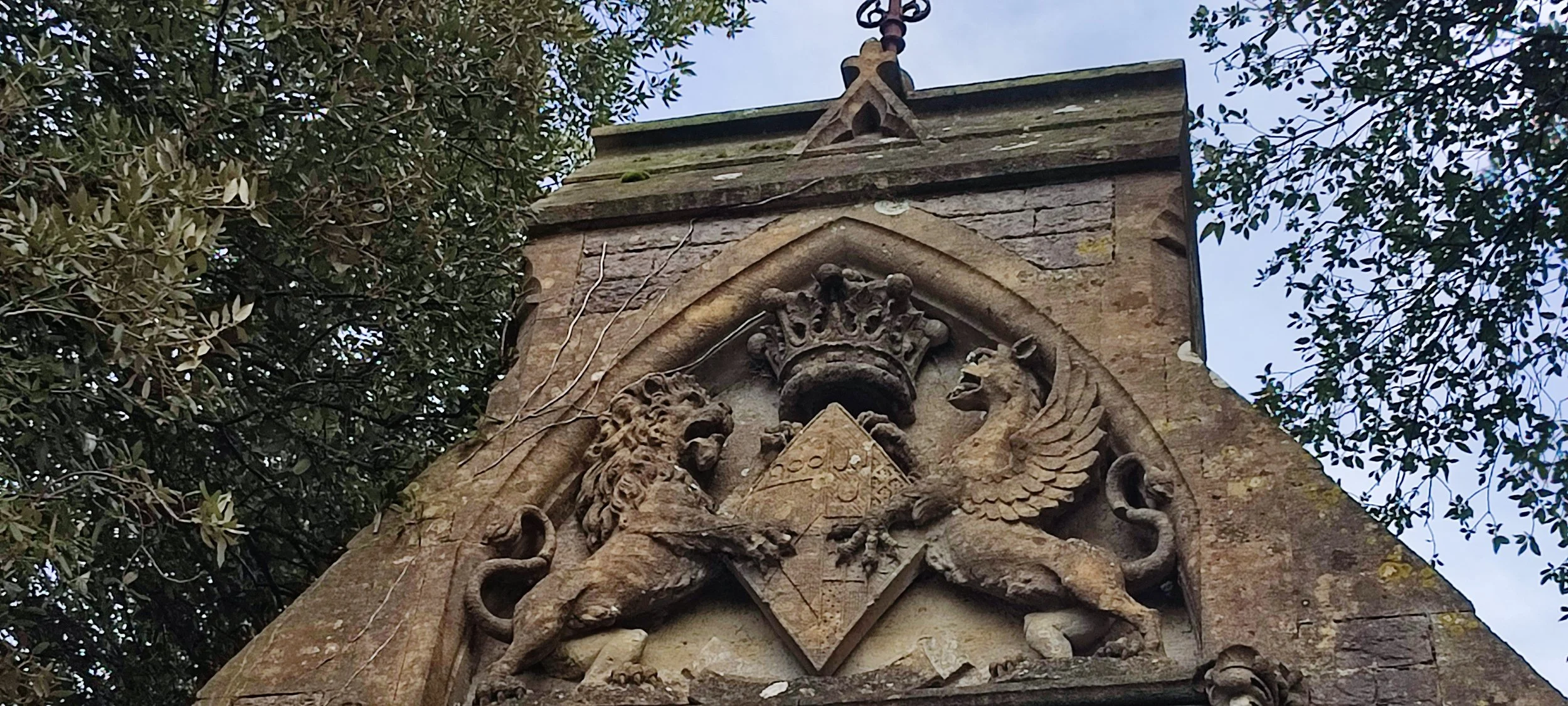
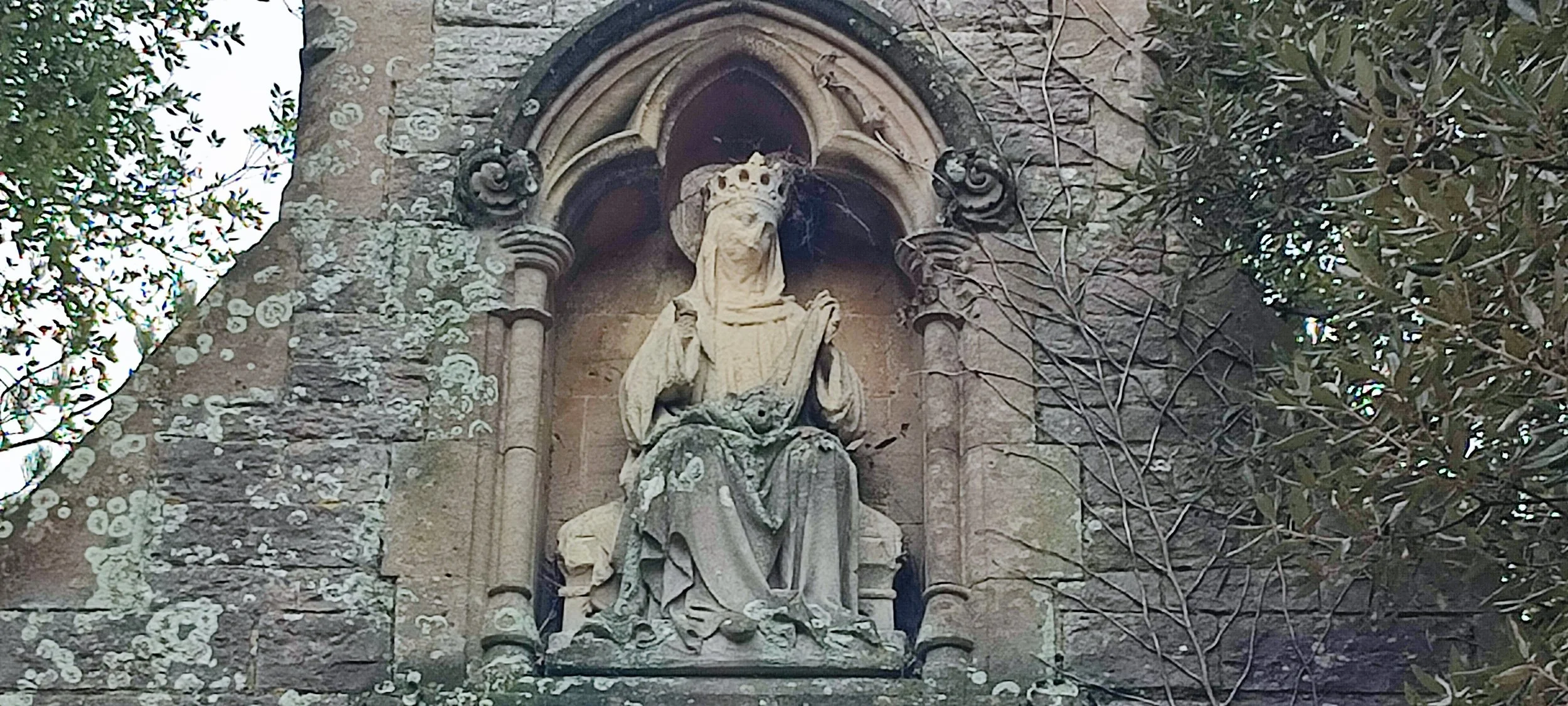
The Priory has a distinctly Pugin-influenced style with a heavy Gothic style and many of its features, both those of the main building and also its gateway have contributed to its Grade II listing.
Queen Victoria herself counts among the visitors to the Priory.
It is now a registered charity and can be visited and admired, including its simple but wonderful coffee shop.
Its garden is also truly beautiful and the whole place exudes peace and yes, spirituality.If you walk to the bottom of the garden you will find the nuns’ cemetery – again, simple but somehow awe-inspiring.
We will be very happy to take you there to show you this wonderful place – one which is often overlooked.
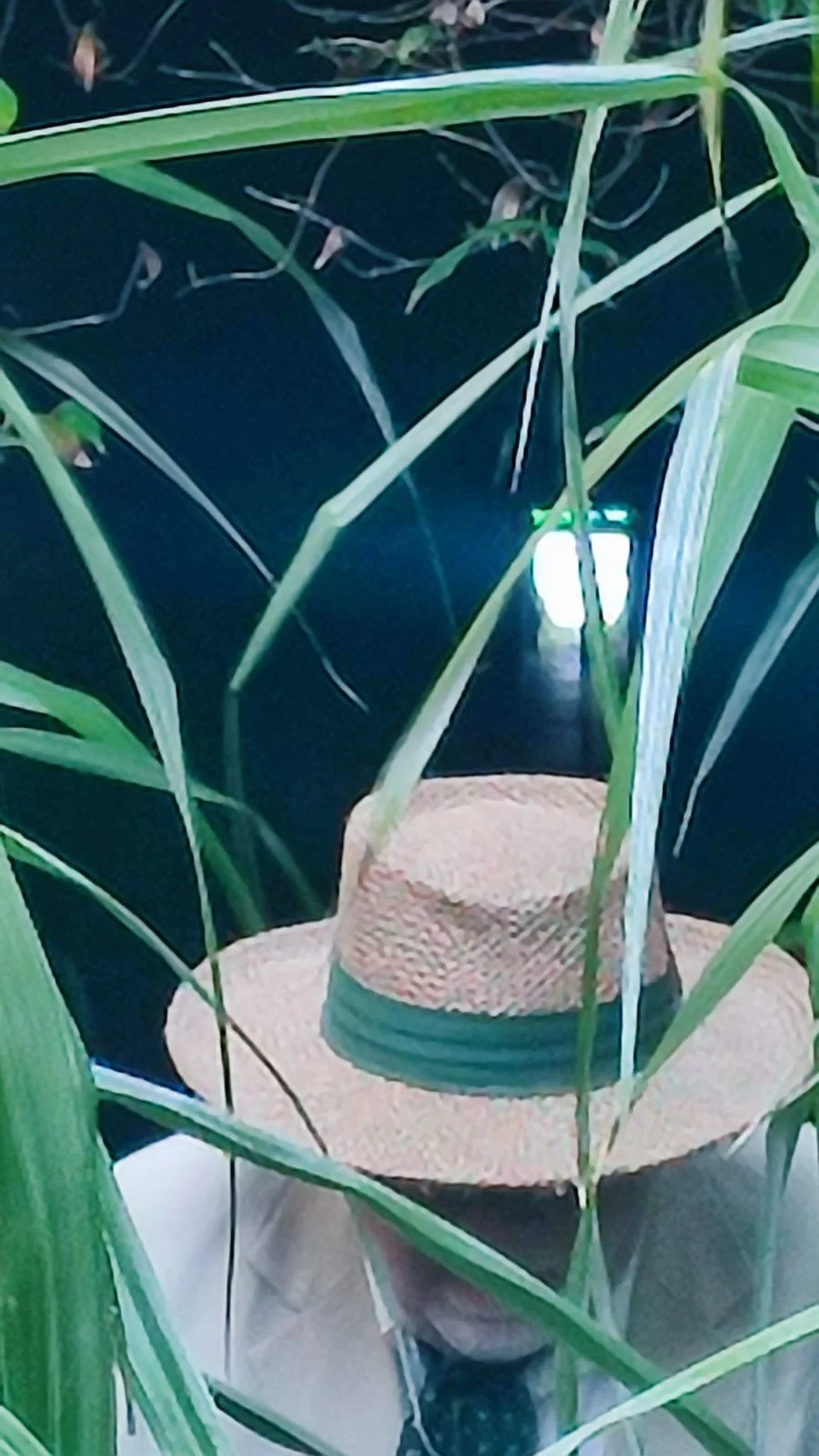
Marc Tuckey emerges from underground tunnel
Ghost tours
Ghost of Victorian nurse at the old Chest Hospital
Headon Warren heather-01
Headon Warren heather-02
Dairyman 's Daughter - the church where she is buried
Carisbrooke Priory-01
Carisbrooke Priory-02
Our Mysterious Knight

St Peter and St. Paul church, Mottistone

Luxury Retail Therapy and Creative Artistic Experiences –
Isle of Wight Guided Tours style…
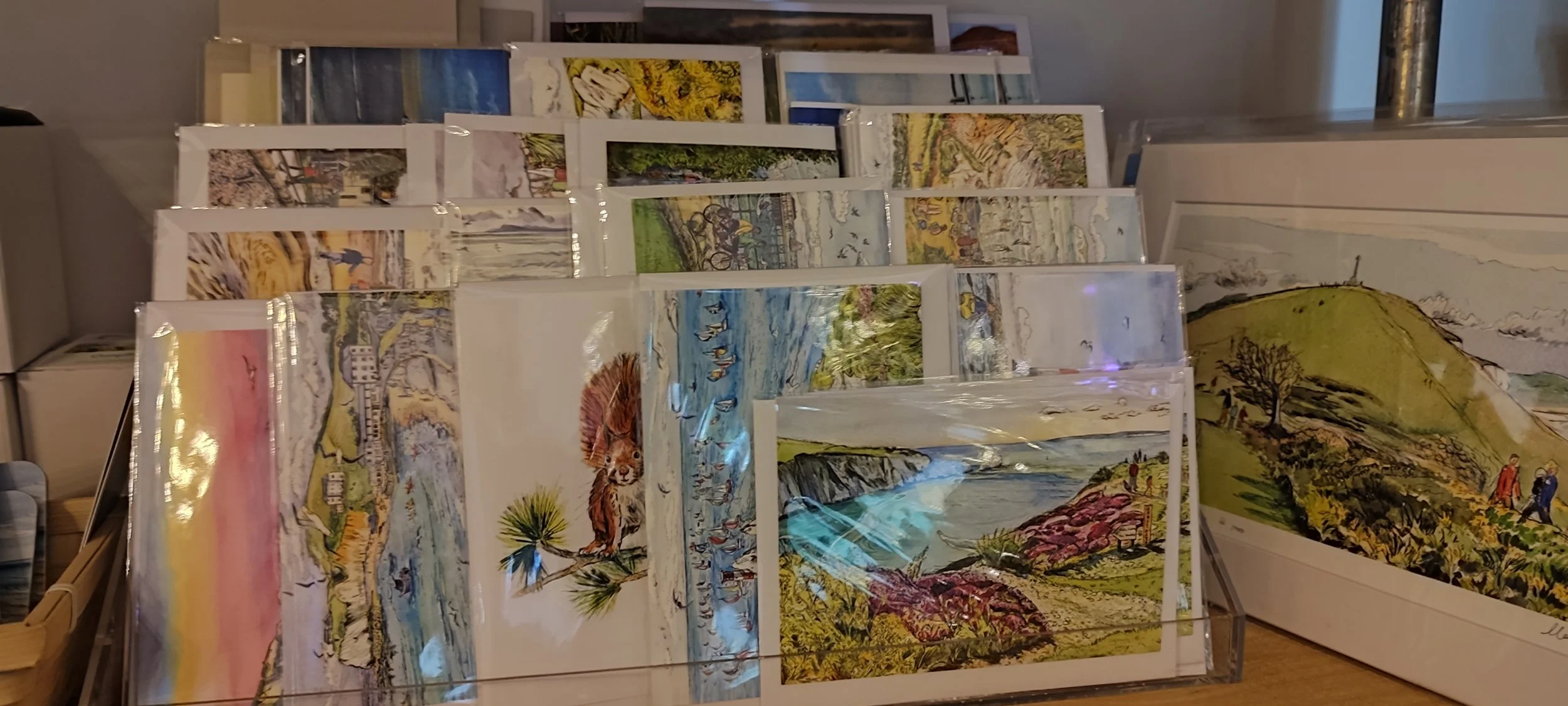
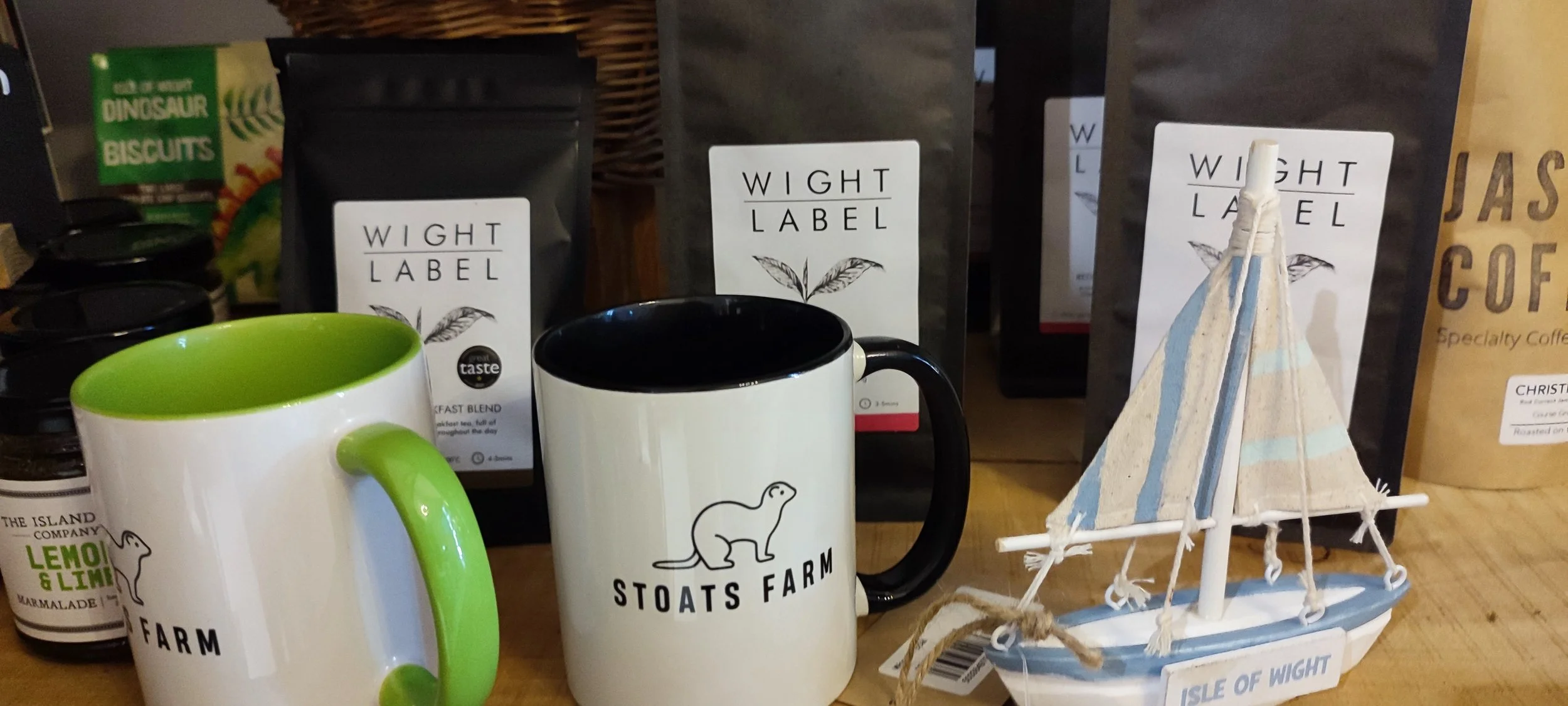
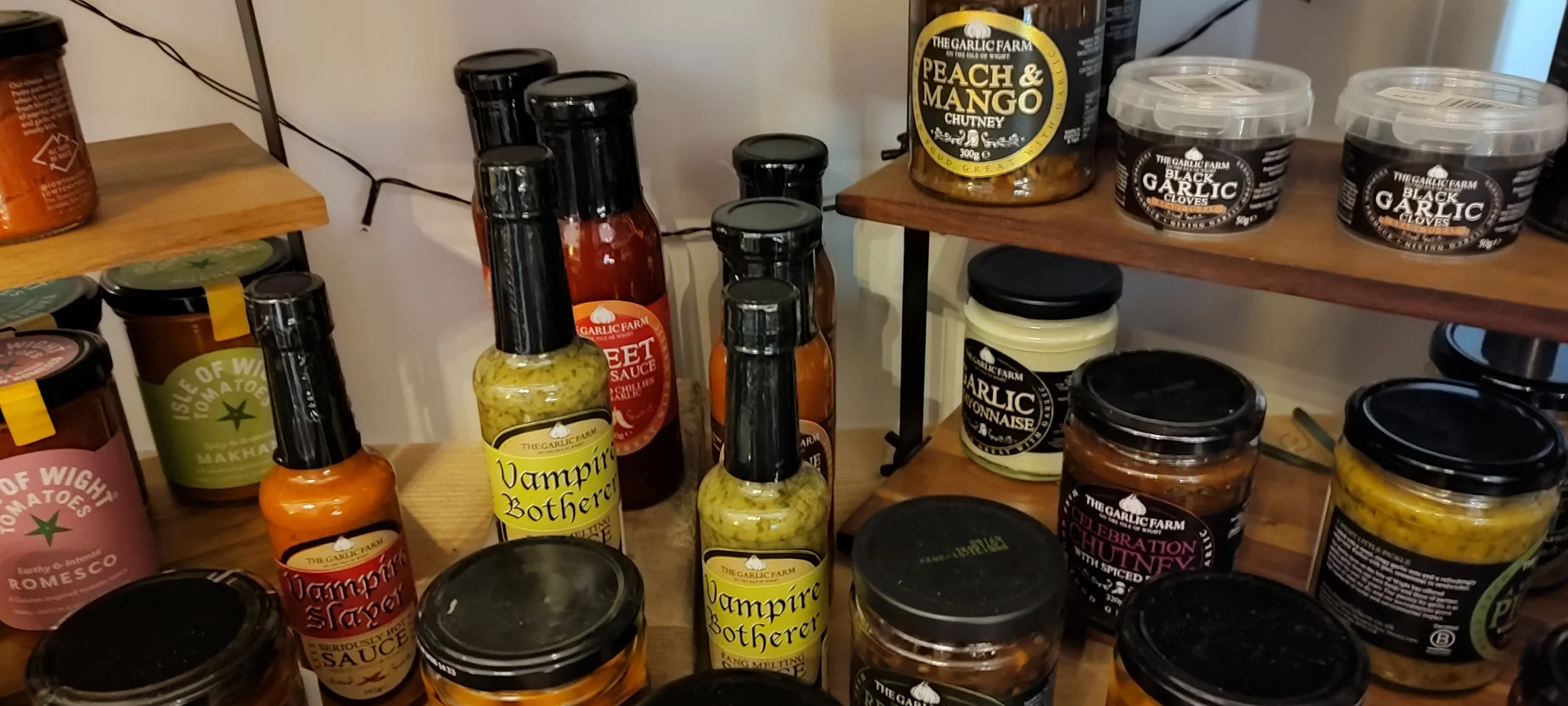
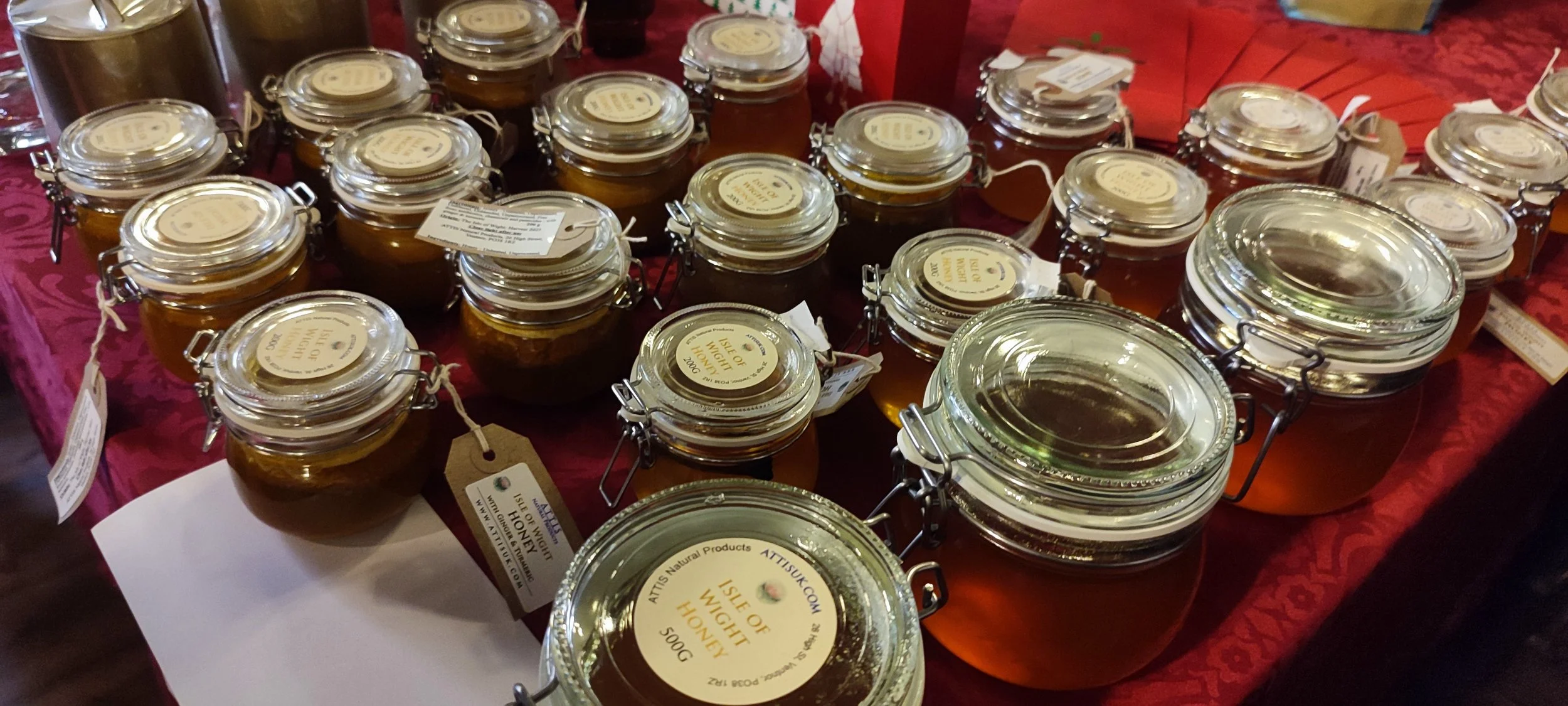
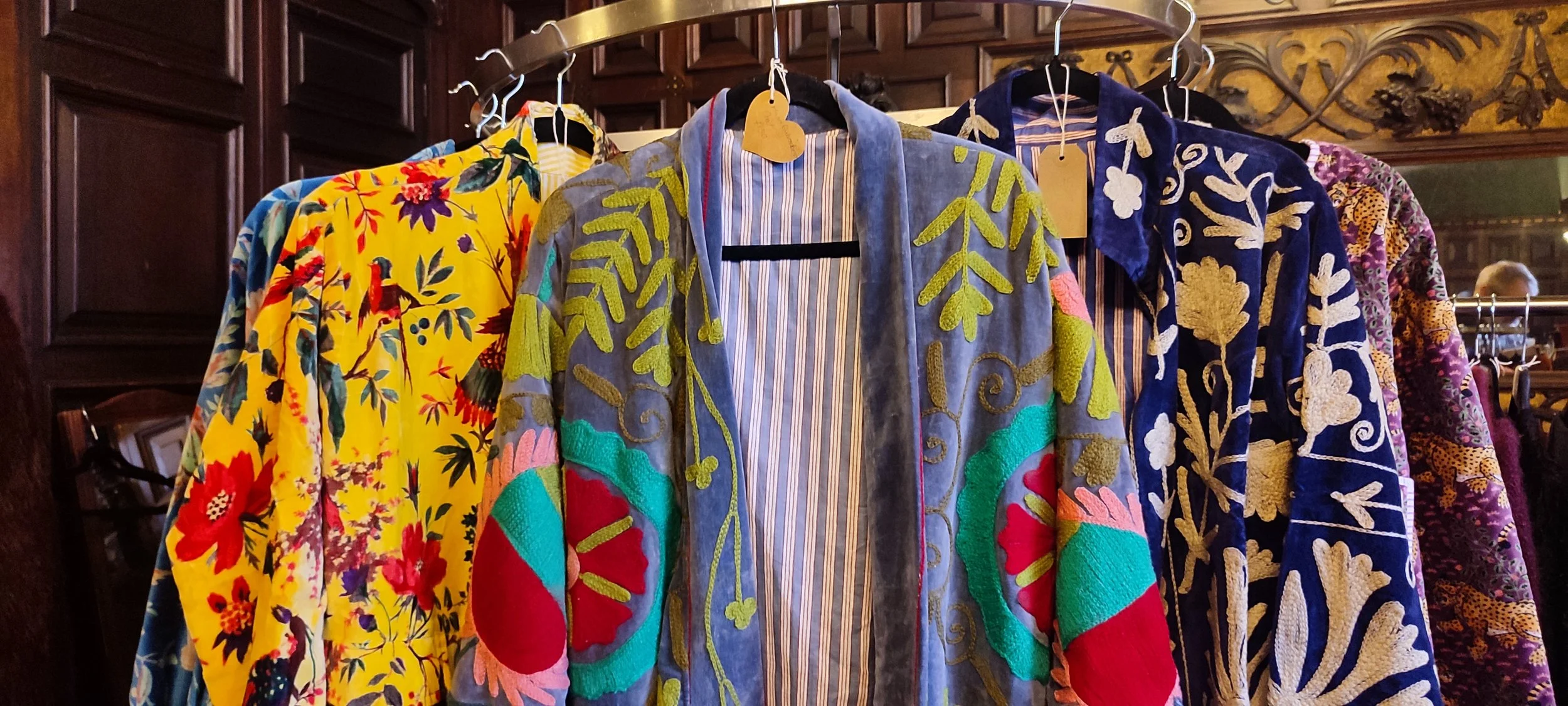
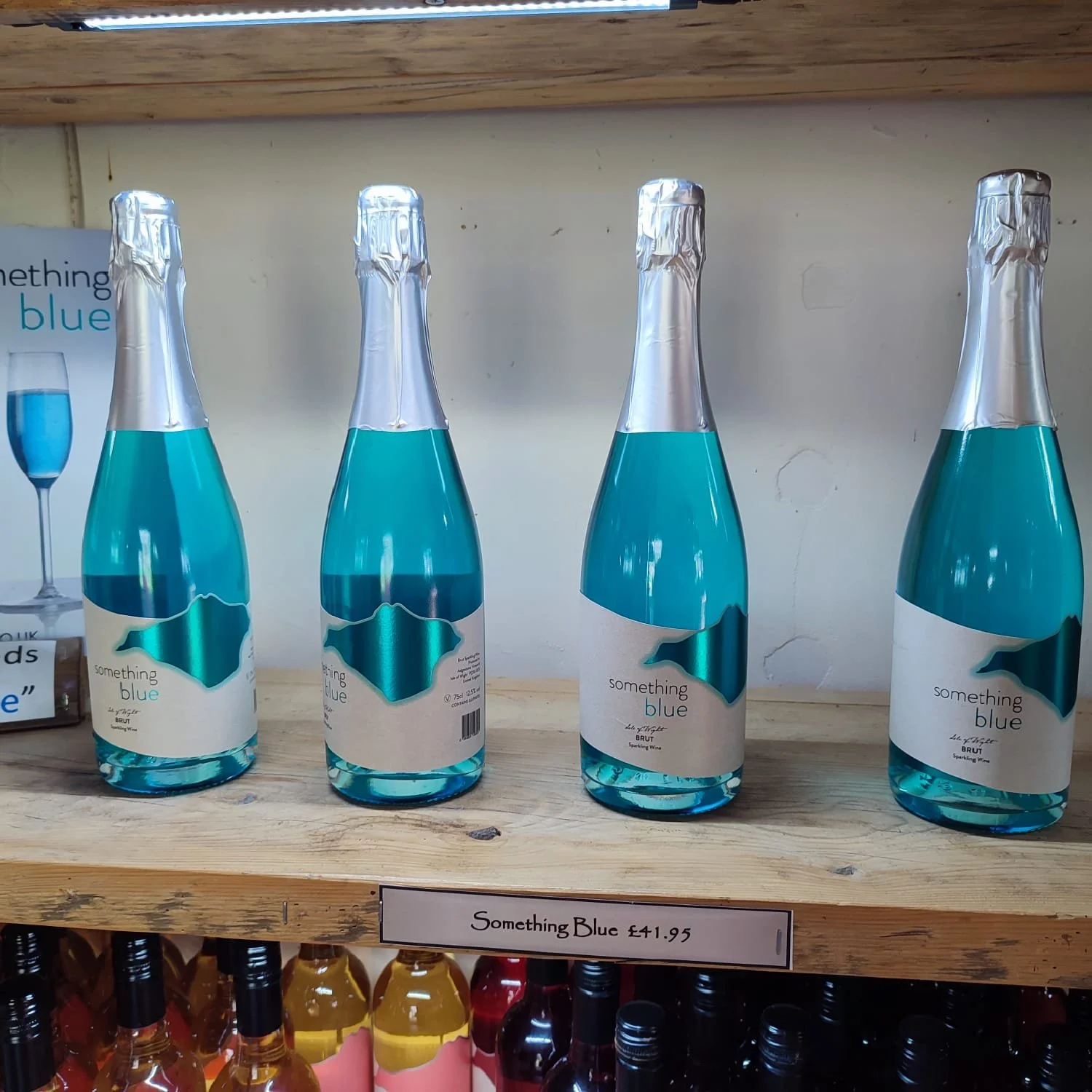
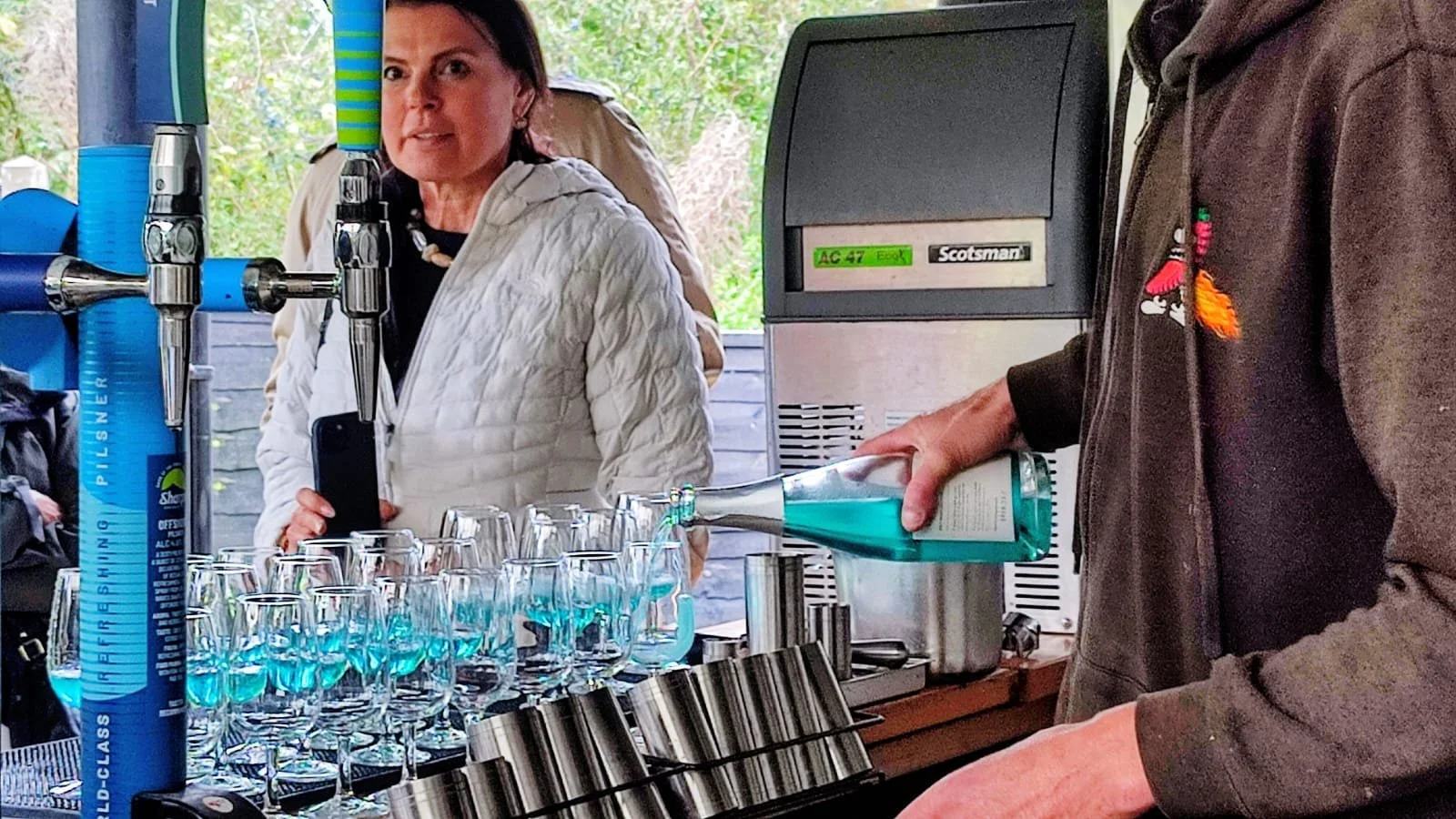
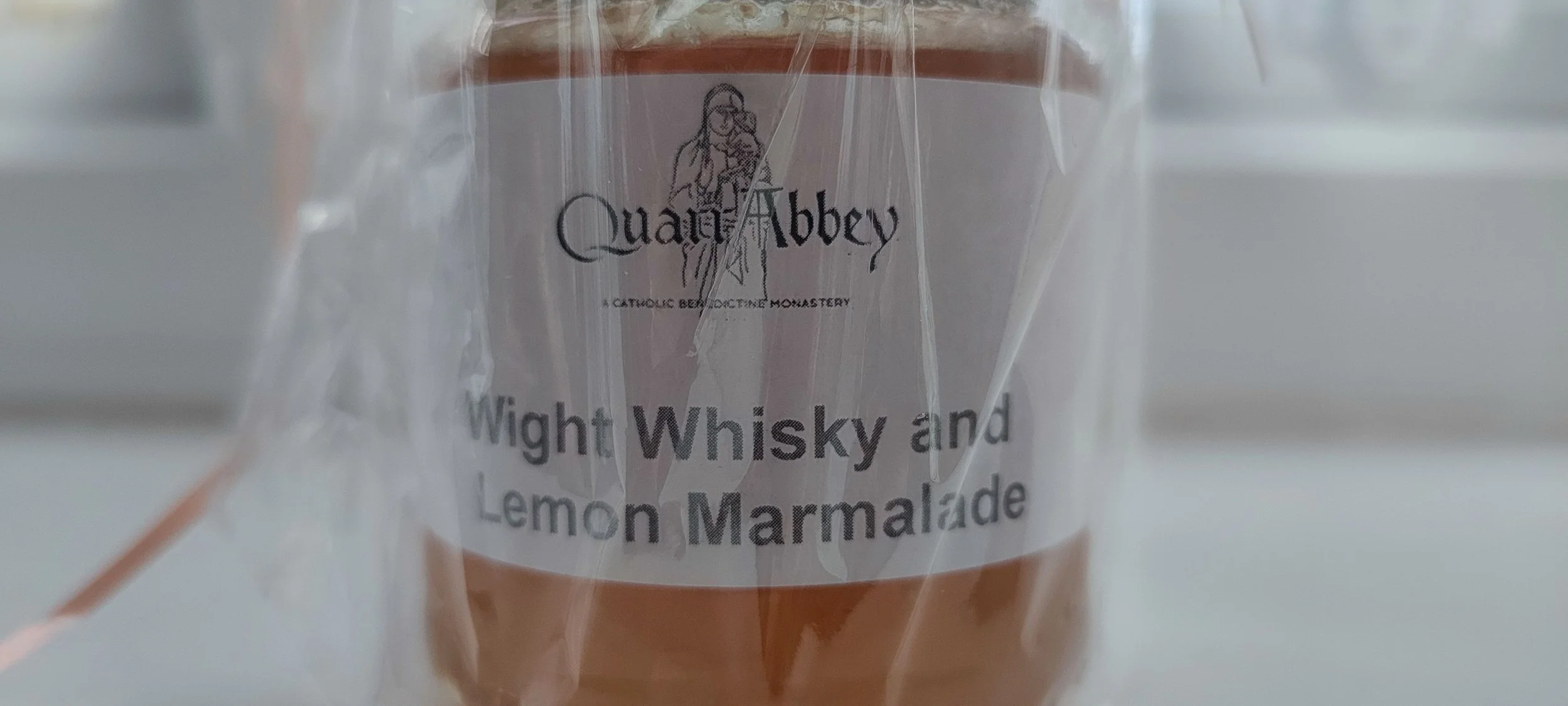
Retail therapy of an artistic nature
Allow us to be your very own personal shoppers – whether taking you to small and beautiful shops or to the creators direct, possibly in studios or galleries or maybe even in their own homes.
One regret that clients sometimes have – let’s put it right!
We know that if there is one thing our clients sometimes lament it’s their lack of time for shopping. So, if you know already know of something you are looking for, why not let us in on the secret early and hopefully we can then set up some visits ahead of time in readiness for your visit.
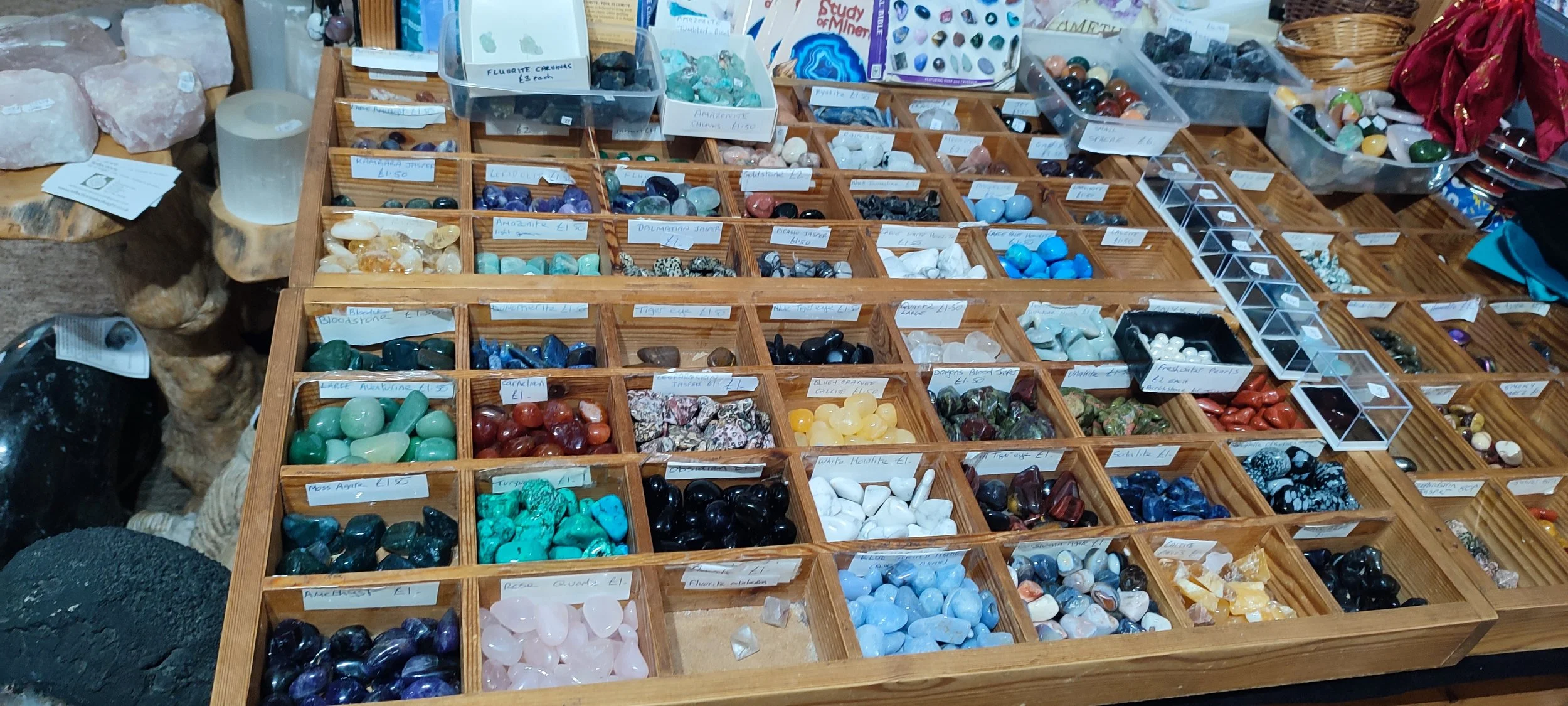
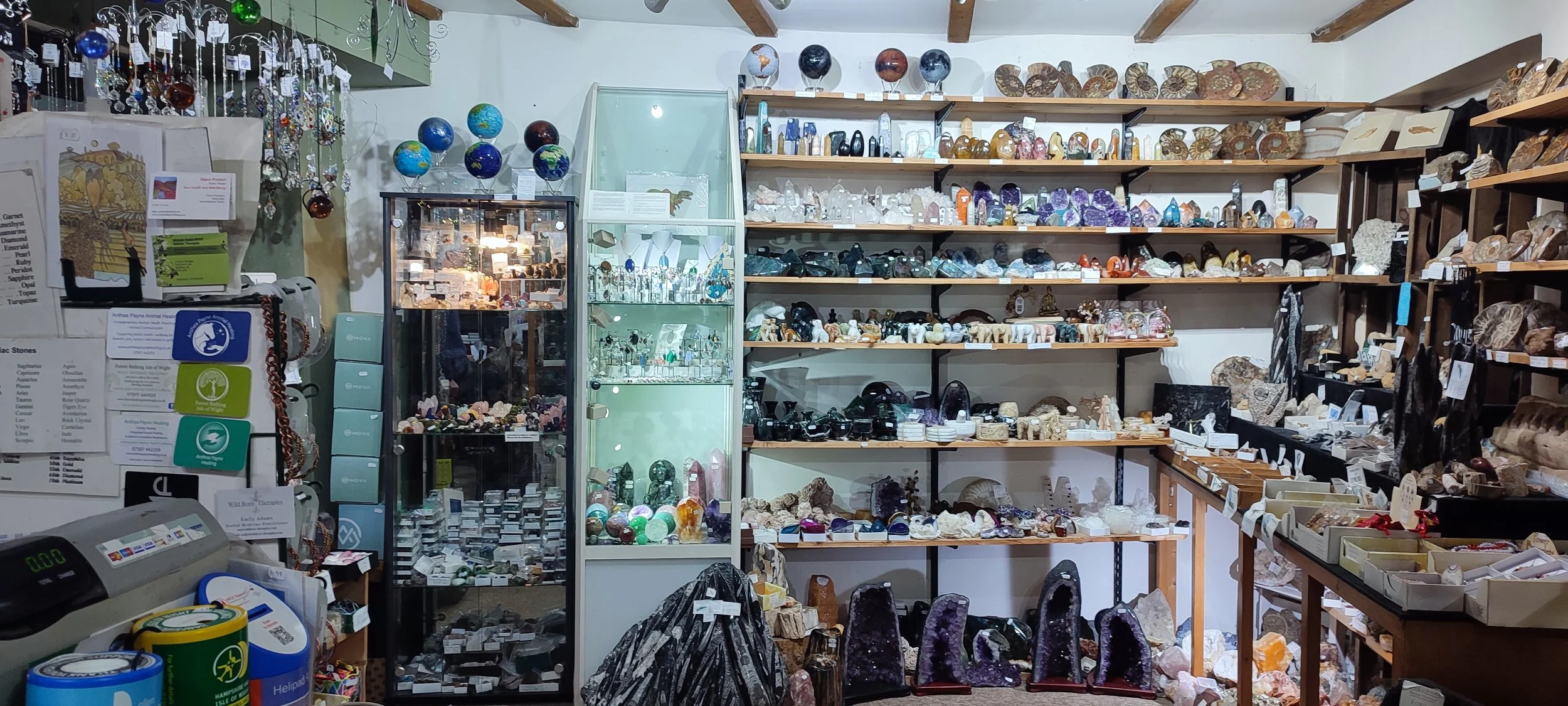
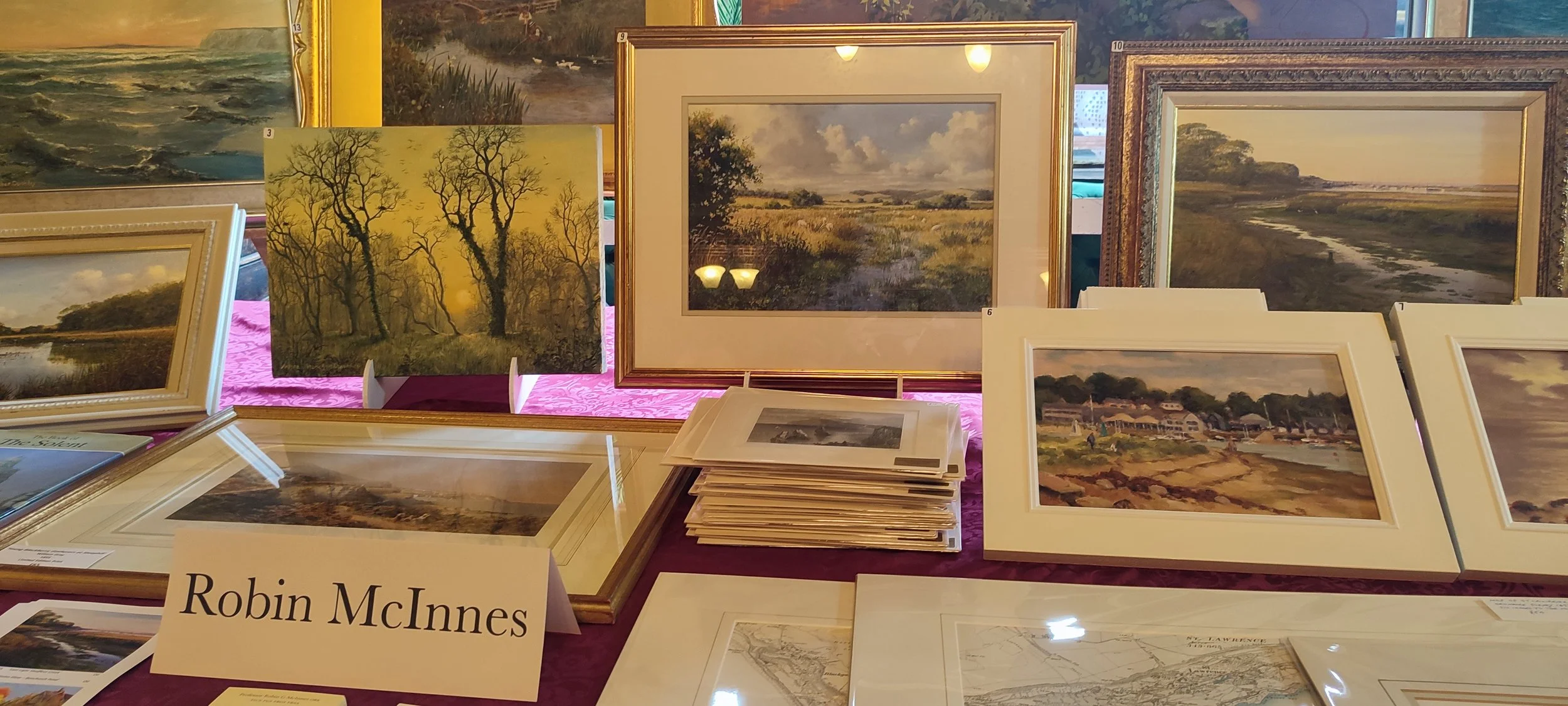
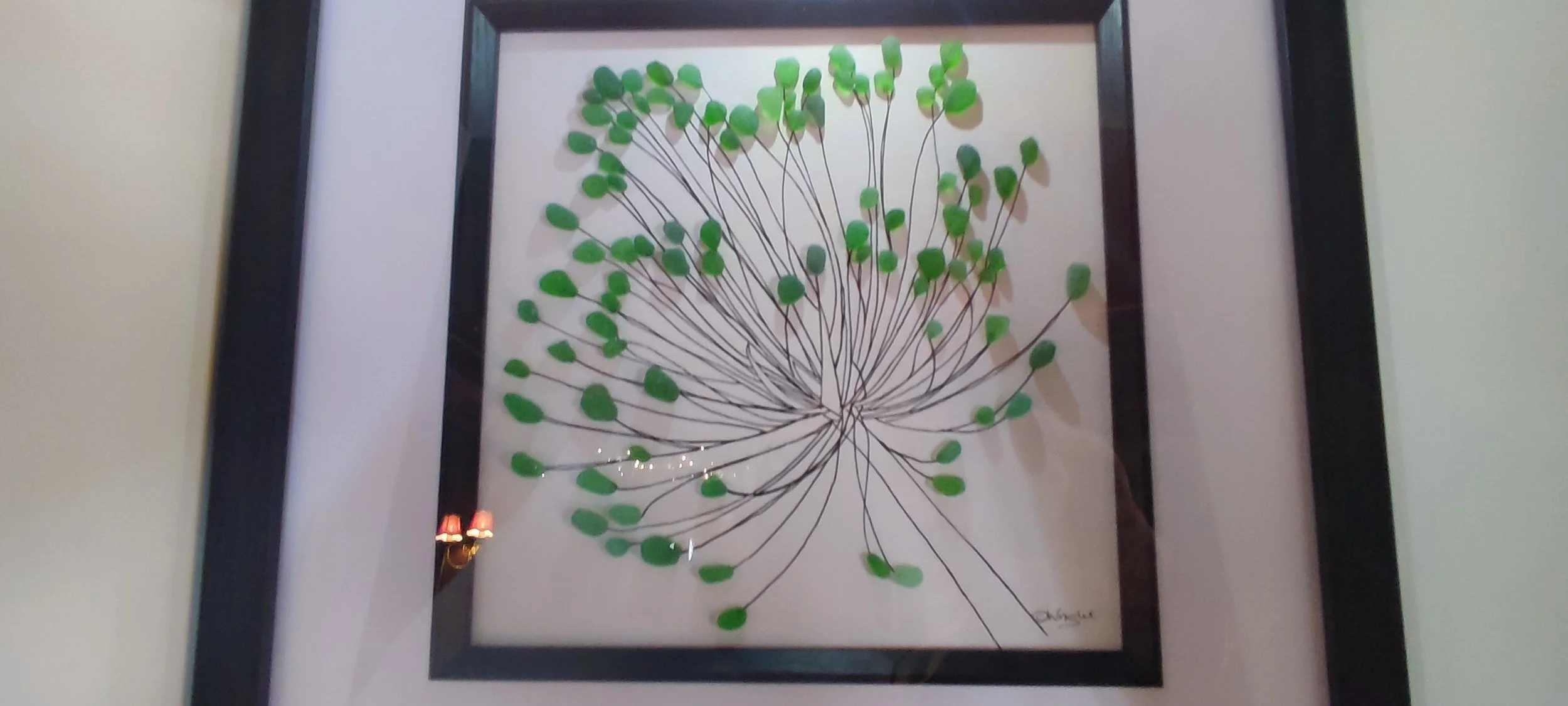
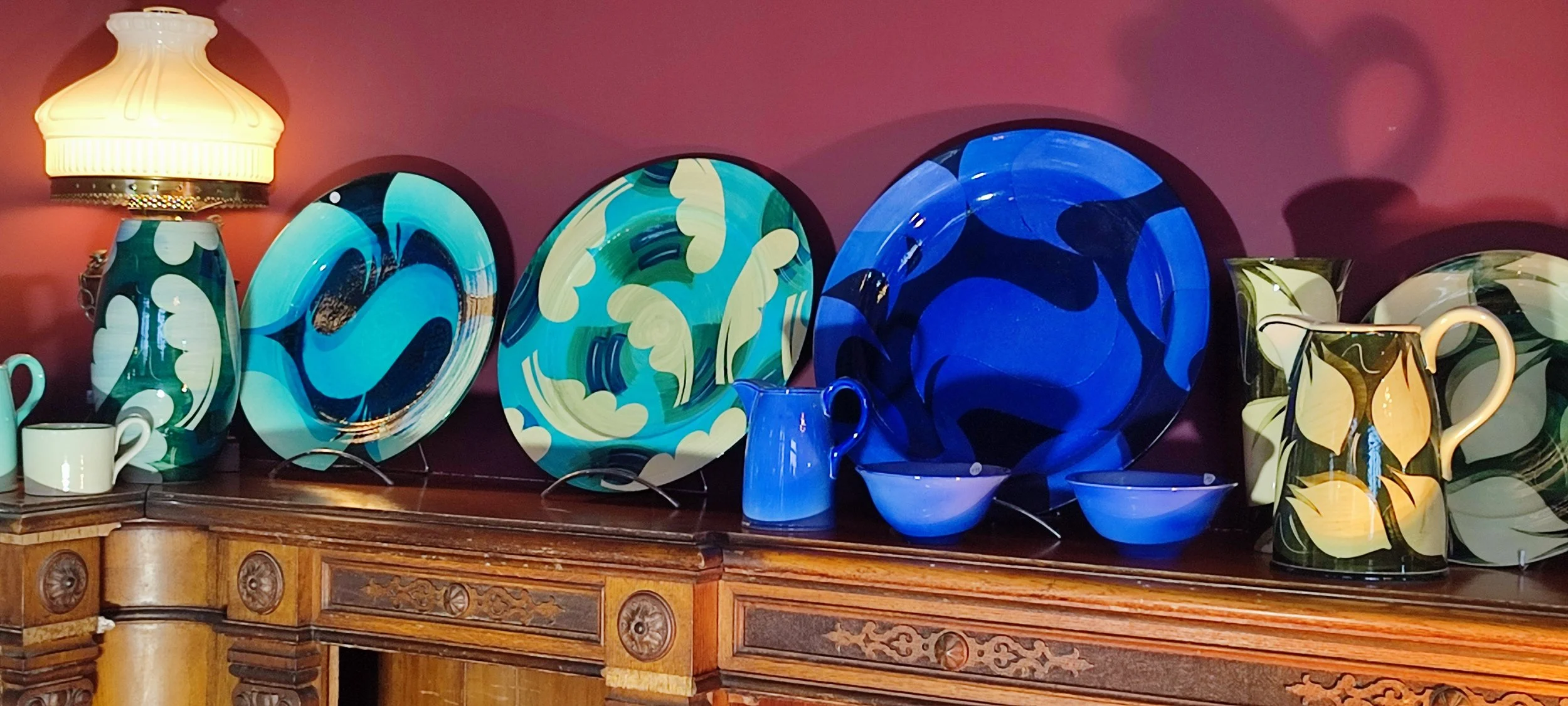
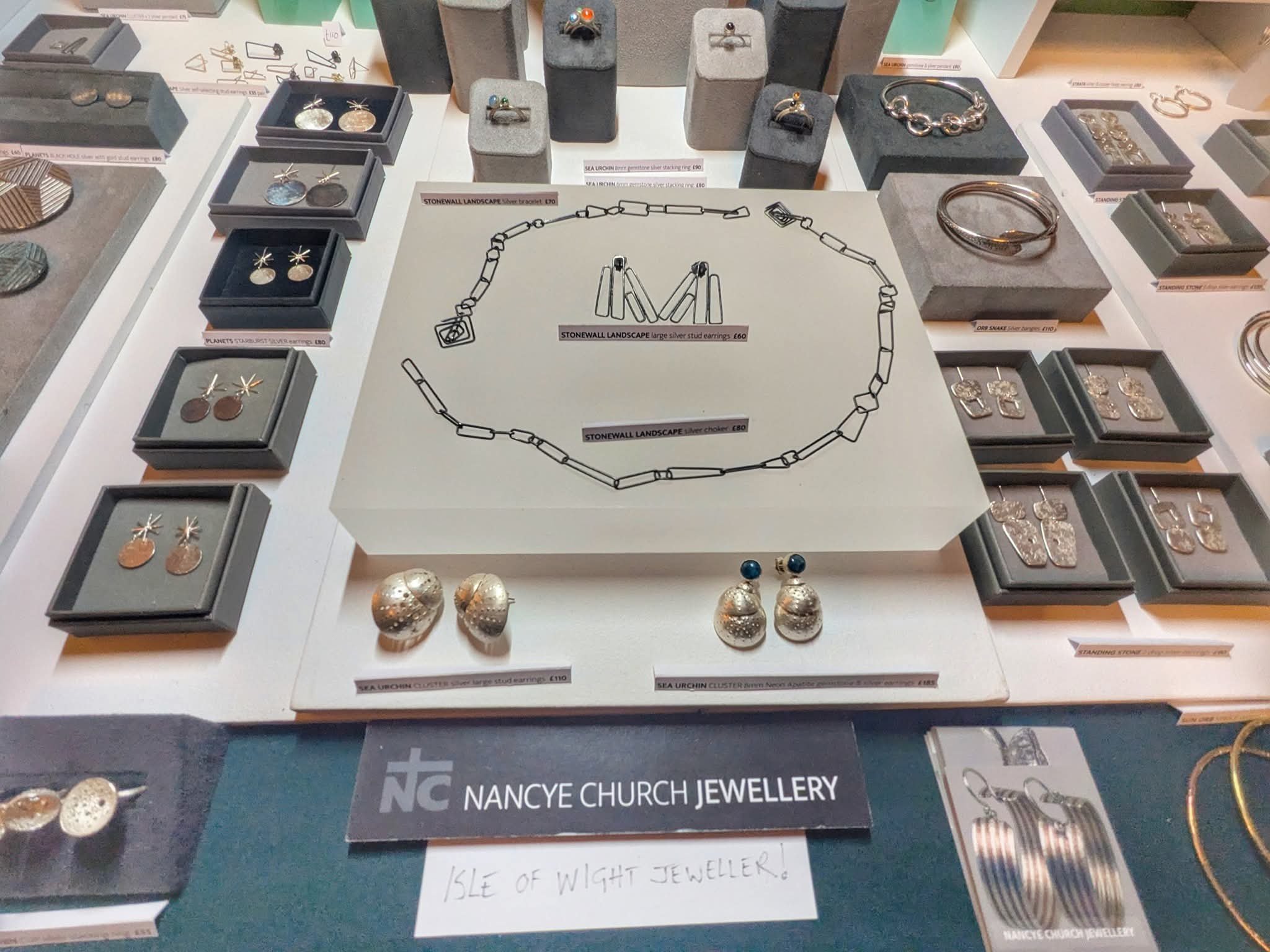
Hidden gems
We have so many places up our sleeve and know so many people who make wonderful things, be they quirky or traditional, that we can’t wait to hear from you how we can be of assistance! Everything we will show you will be Island-made (or at the very least, inspired) and moreover, made with love and passion, both for the product and the Island itself. Goes without saying, this means that being environmentally friendly will always be at the forefront of the creators’ minds.
Continuing a historical trend
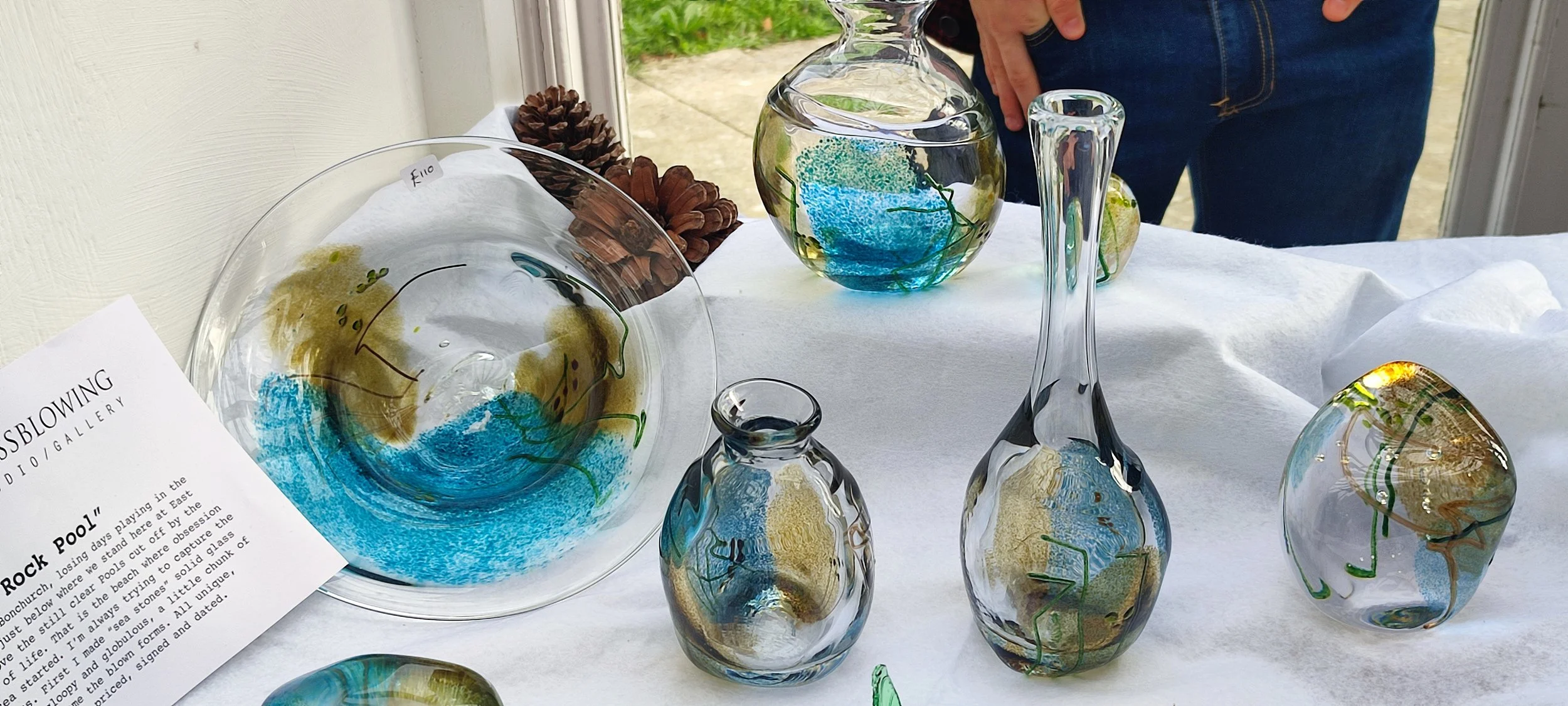
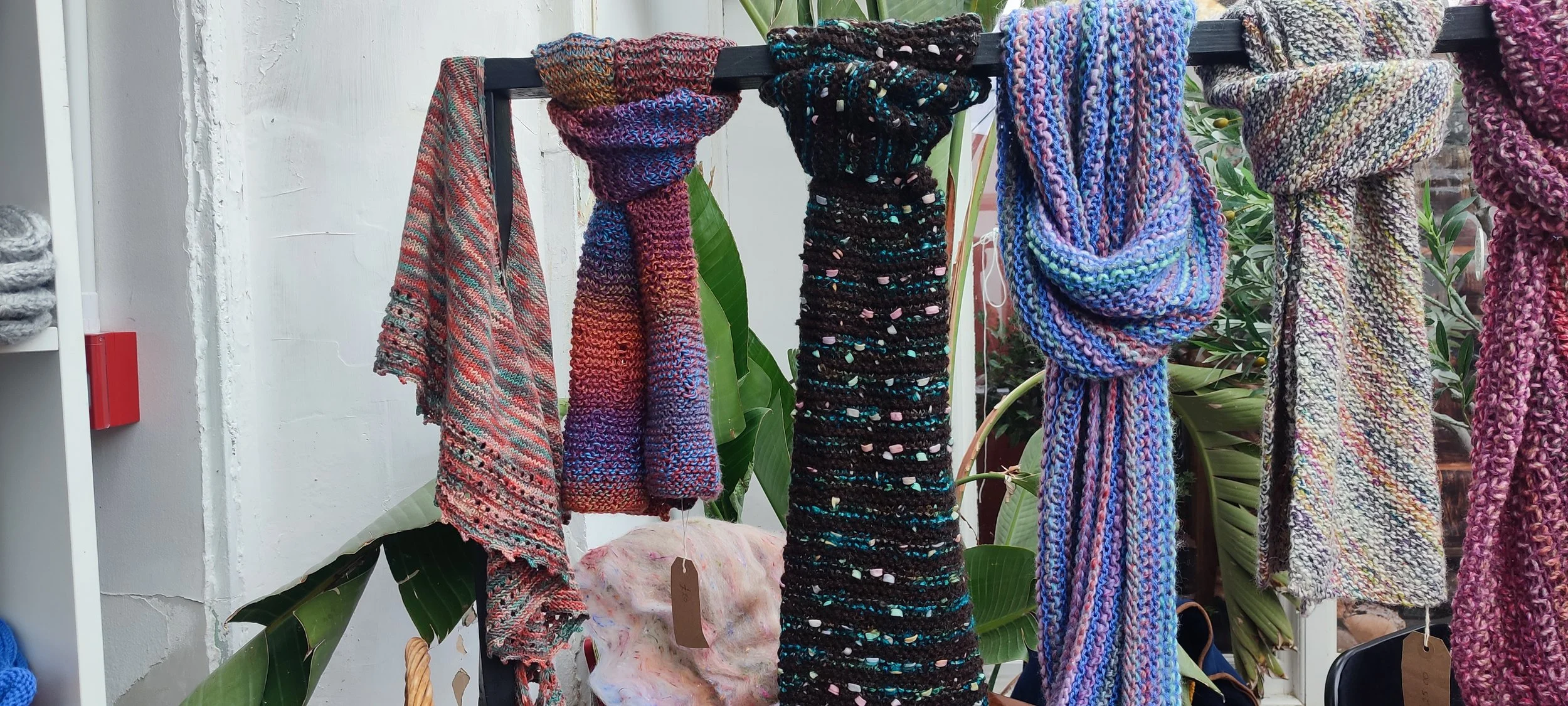
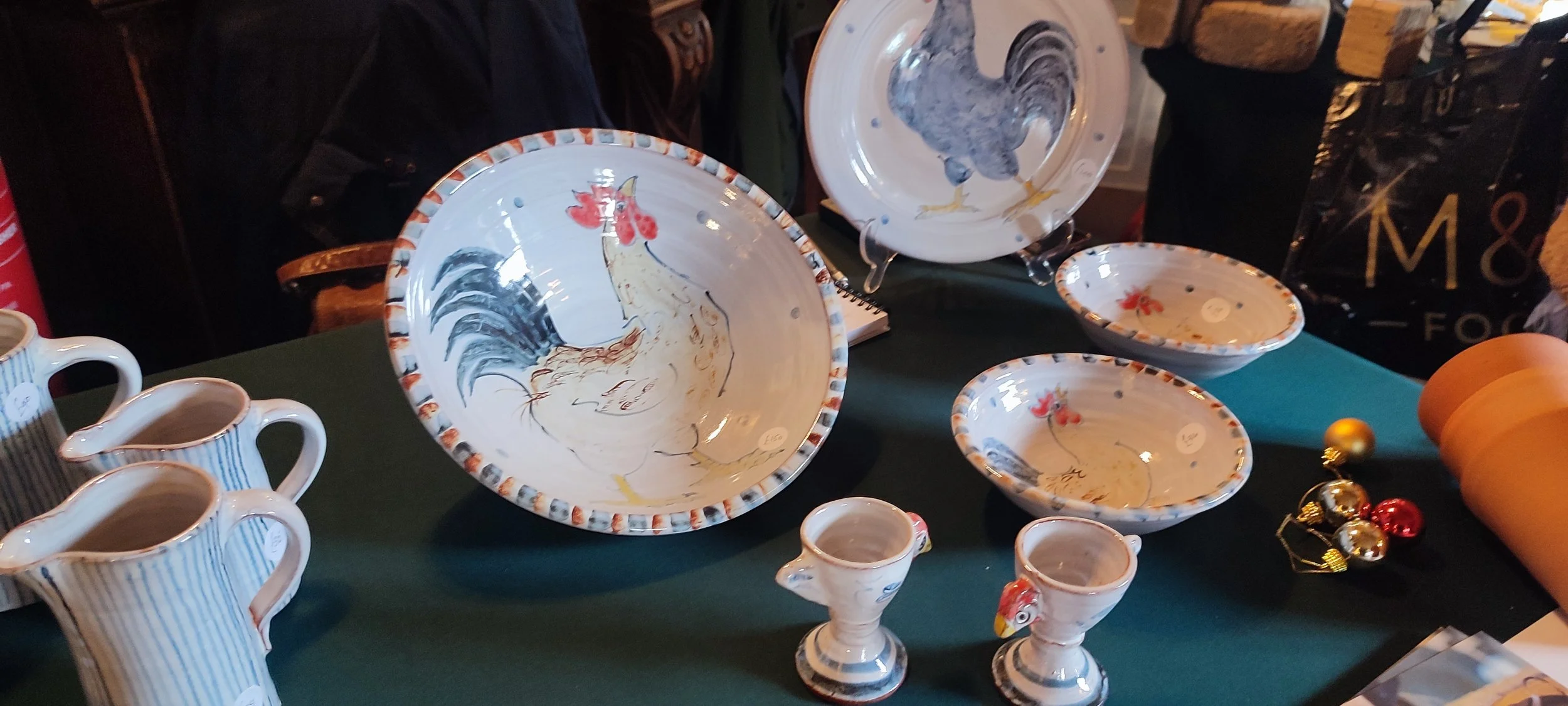
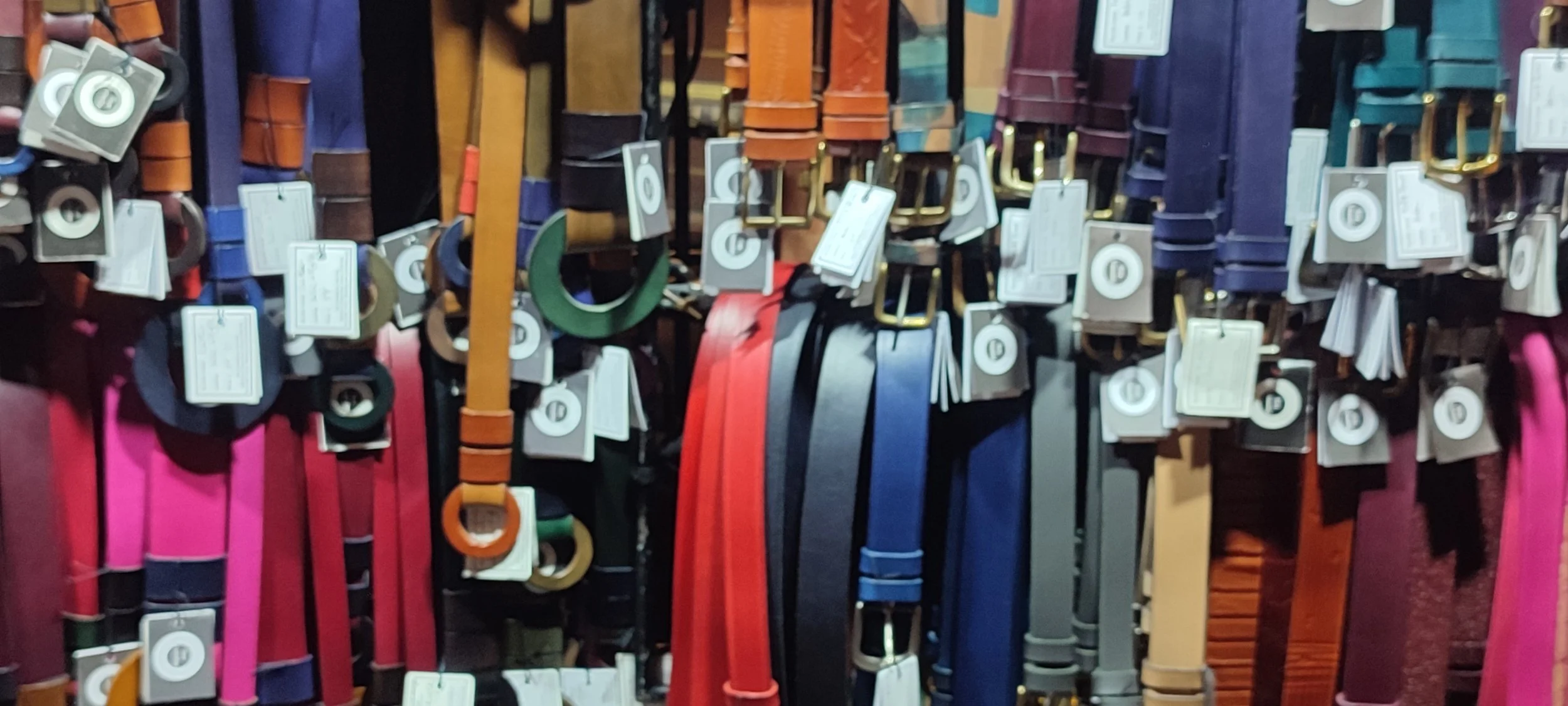
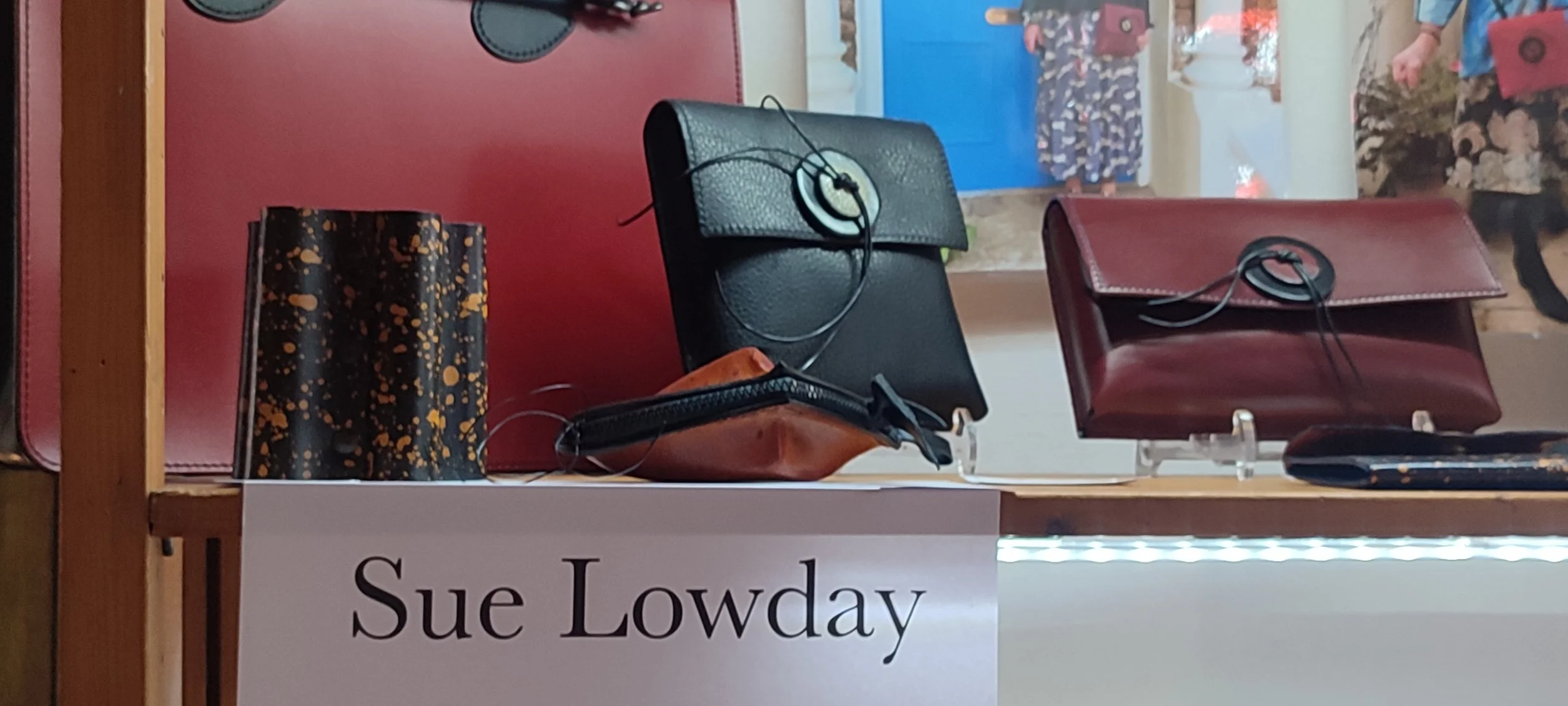
Throughout history the Island has been known for making lovely things which were often smuggled across to France and replaced with a boat load of cognac for the homeward run! Items made of wool, leather, pottery, glass and jewellery etc. etc. The Island is still renowned for many of these products today!
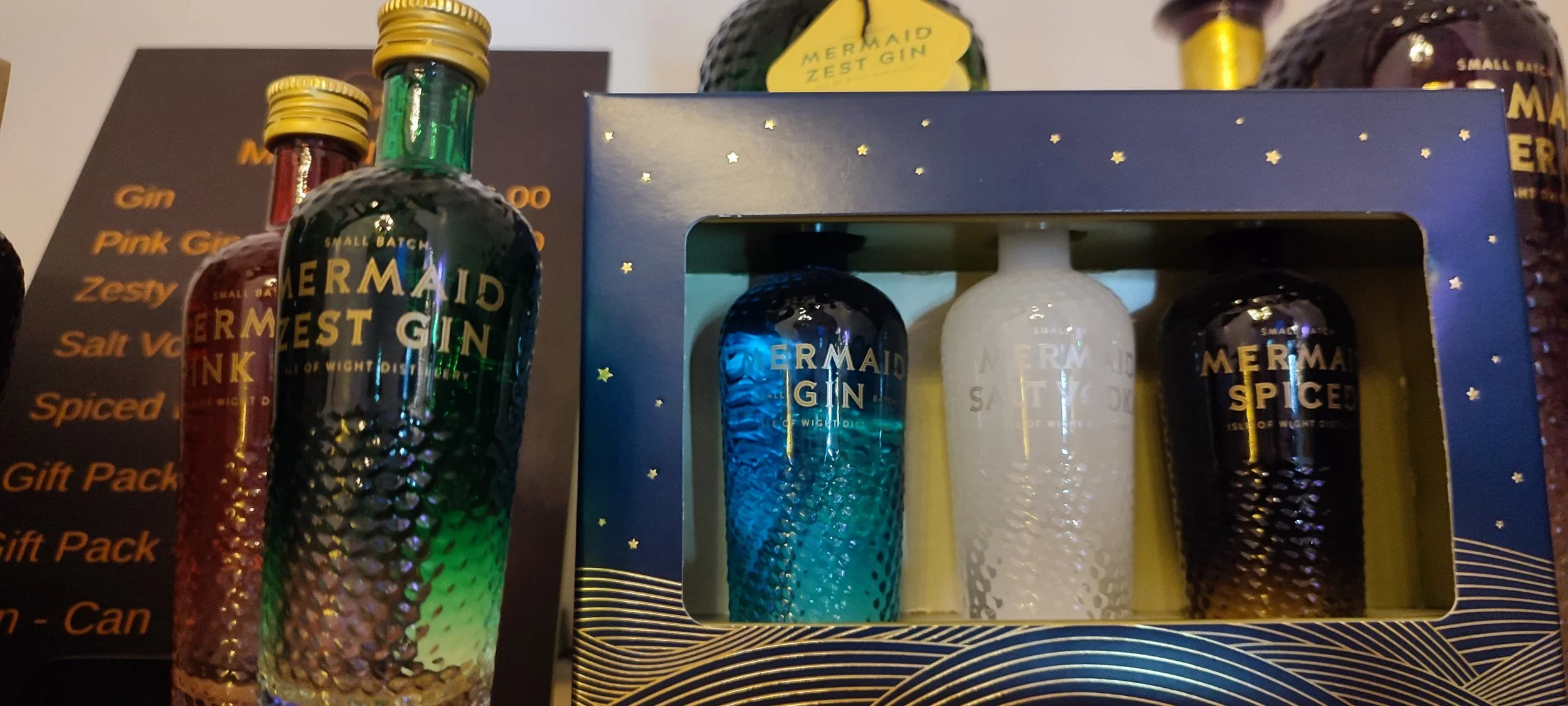
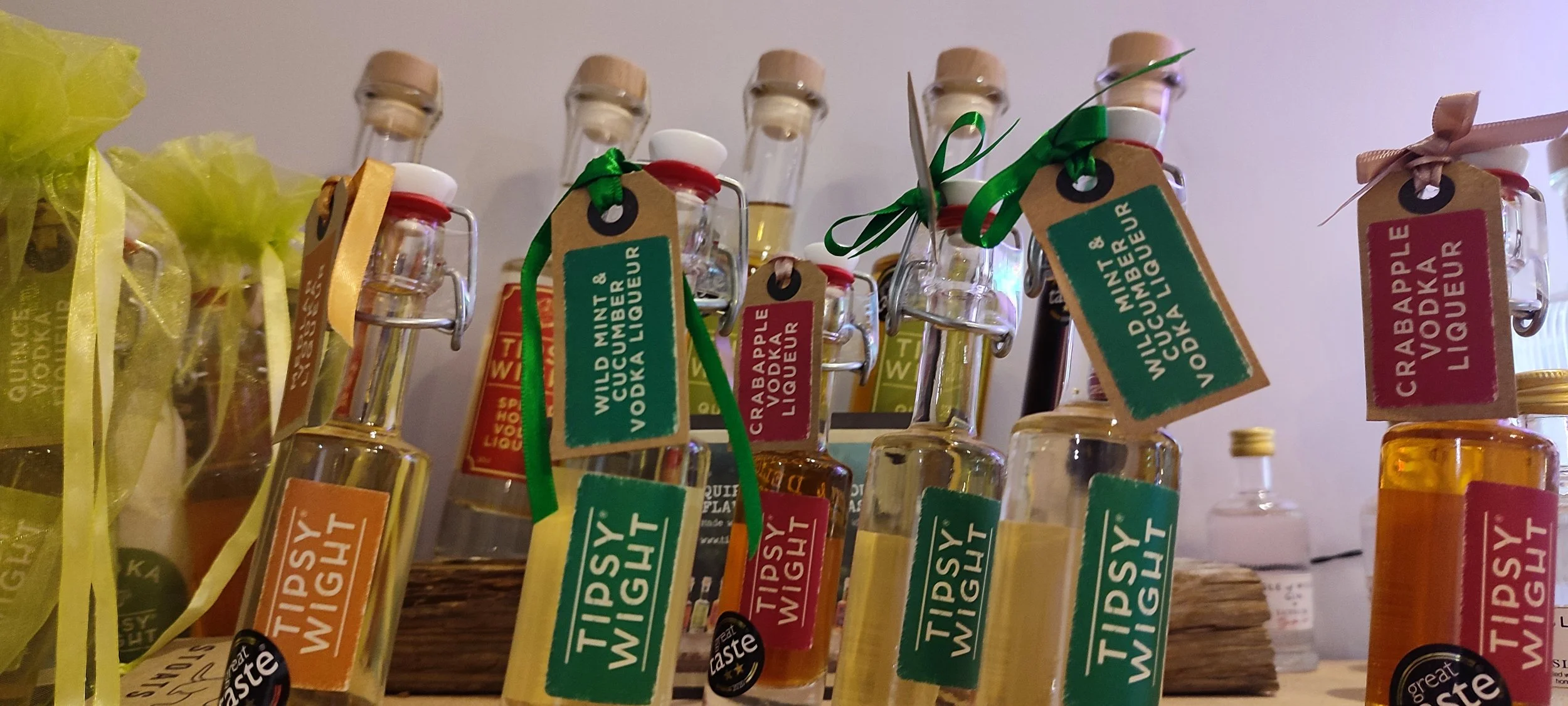
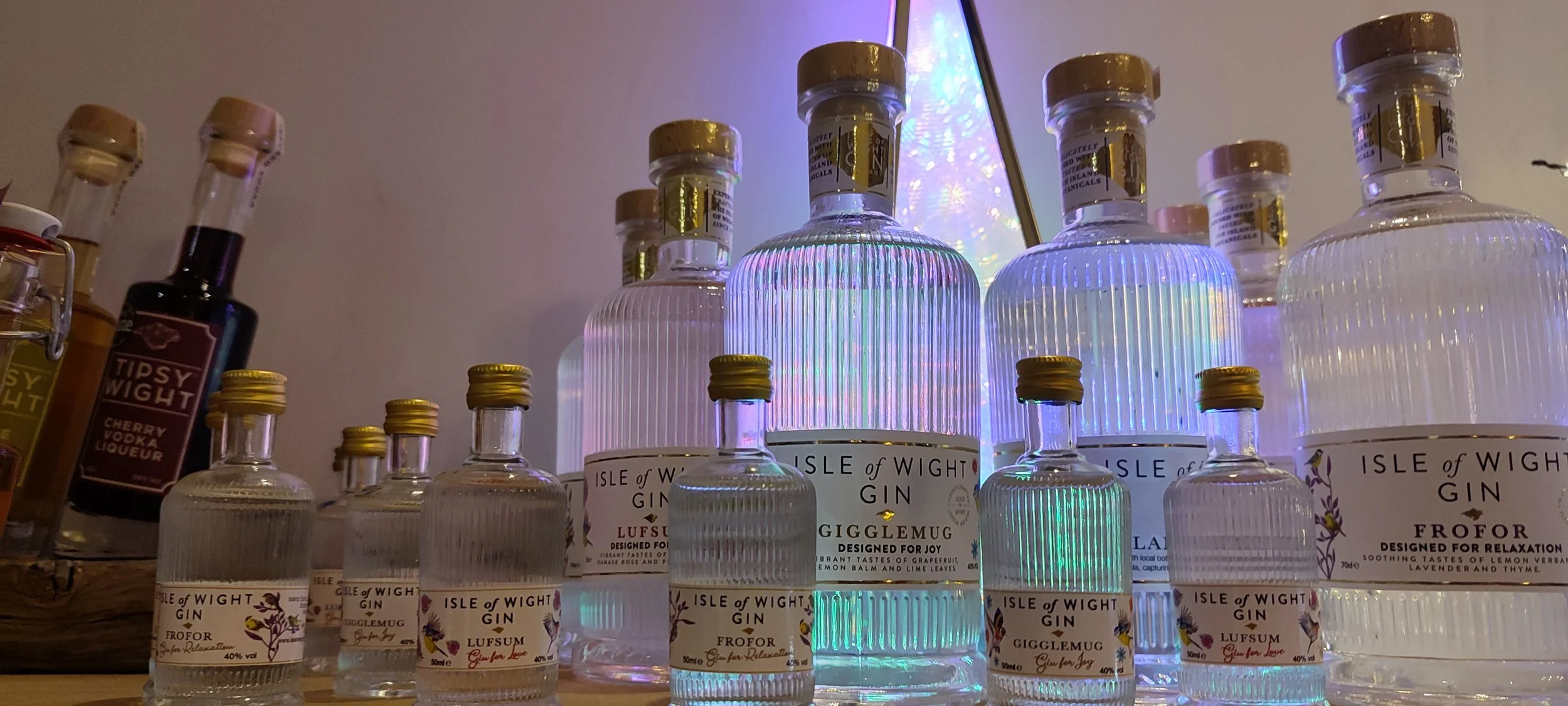
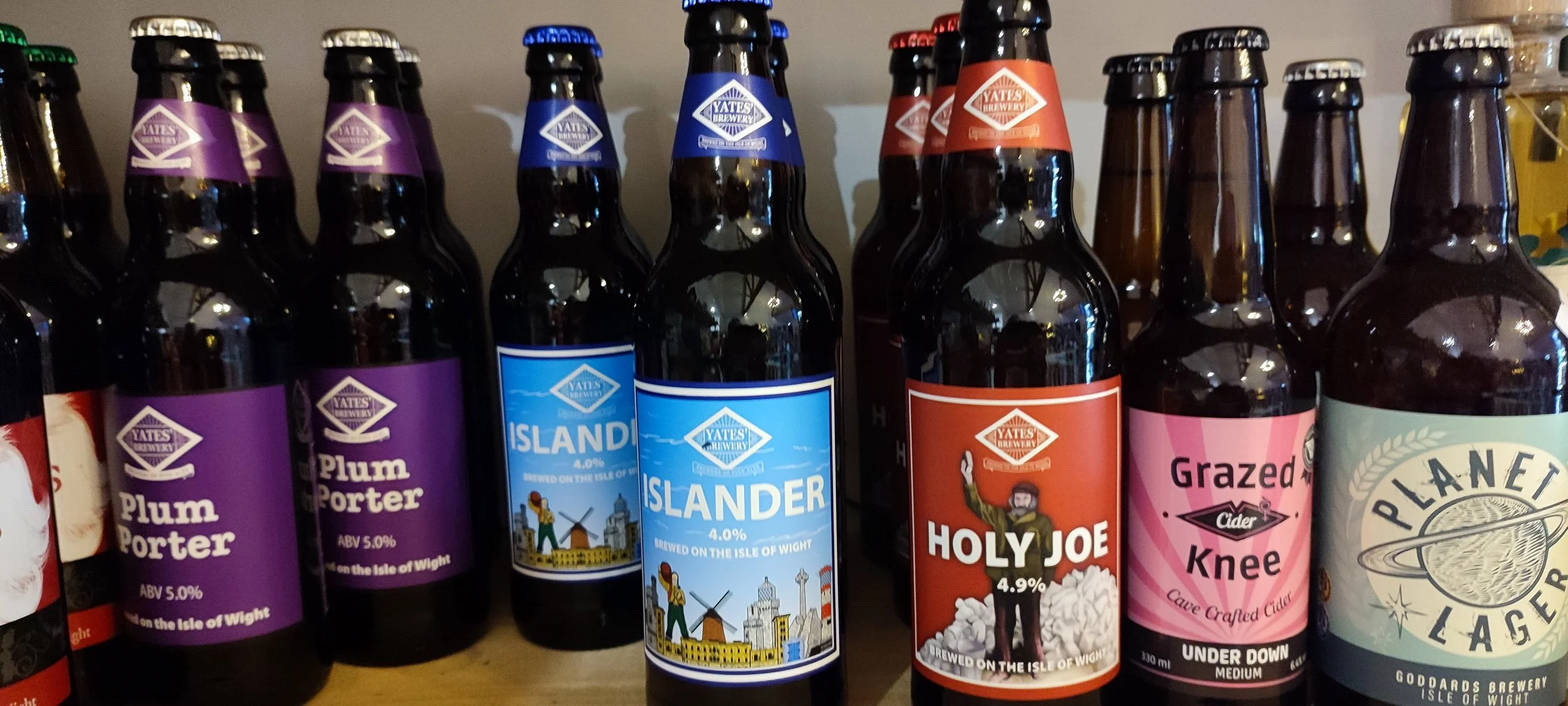
We can now also add to the list some amazing skincare and beauty products – to say nothing of food and drink items. And let’s not forget the incredible painters and photographers here that magnificently capture the Island for themselves (and for you, if you buy their work). These are just a handful of suggestions – but there are many more.
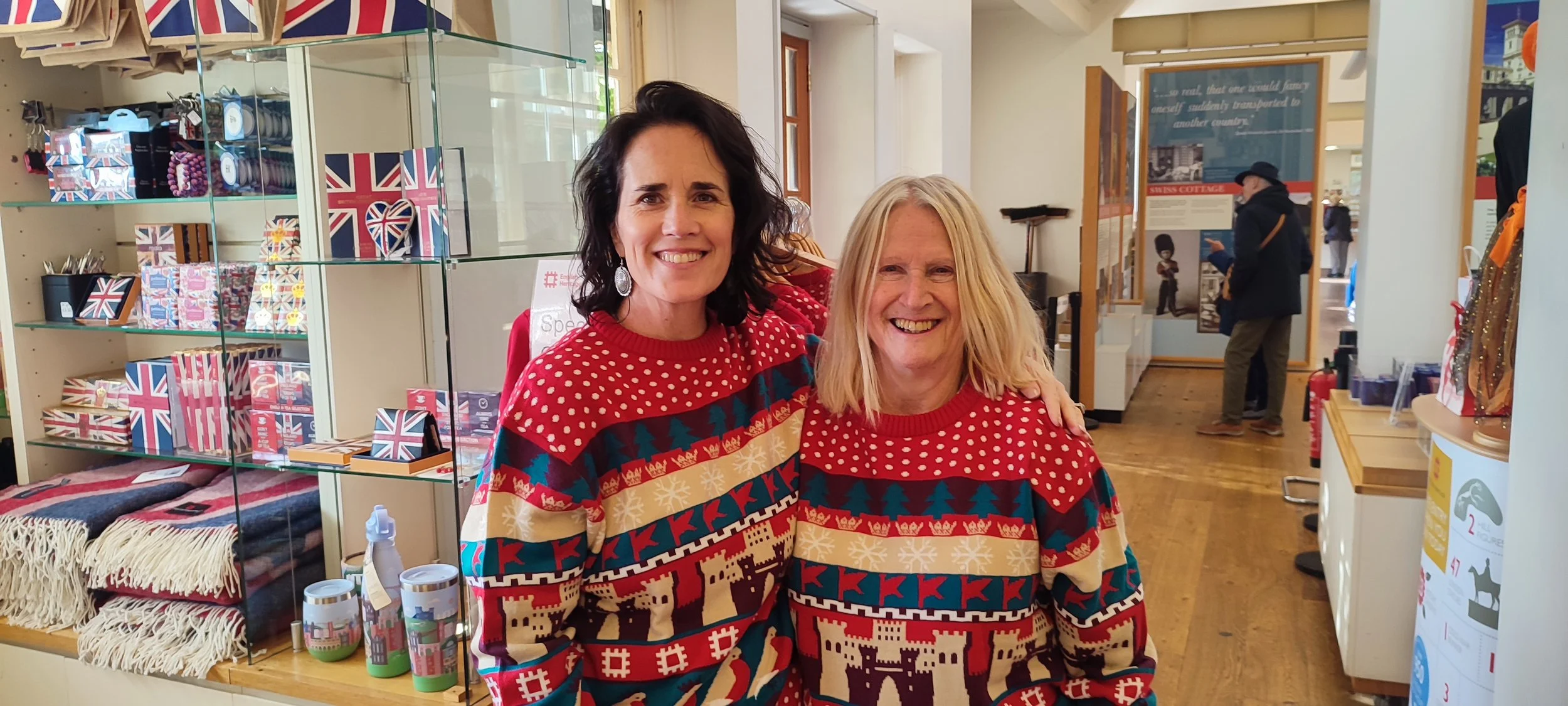
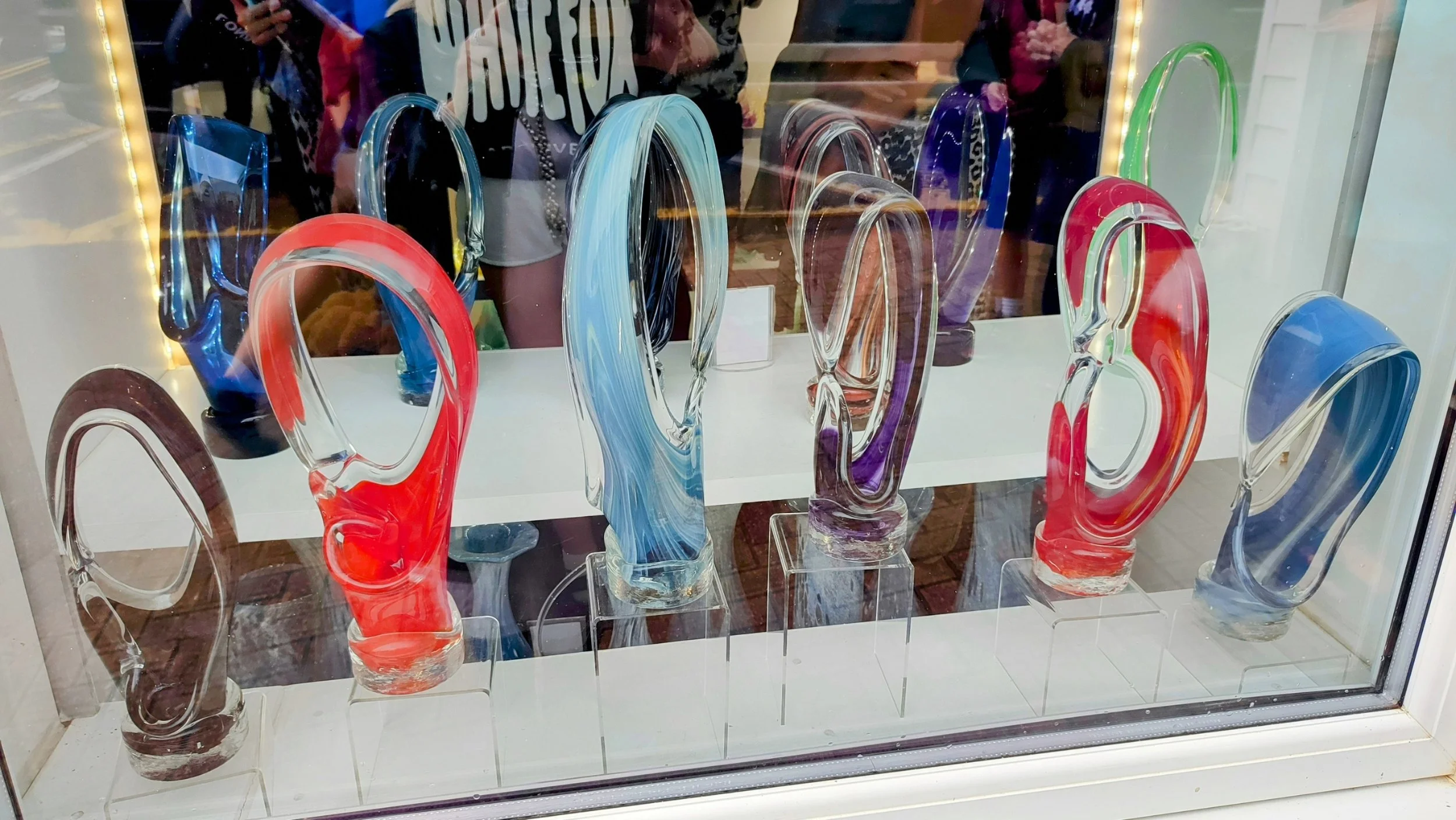
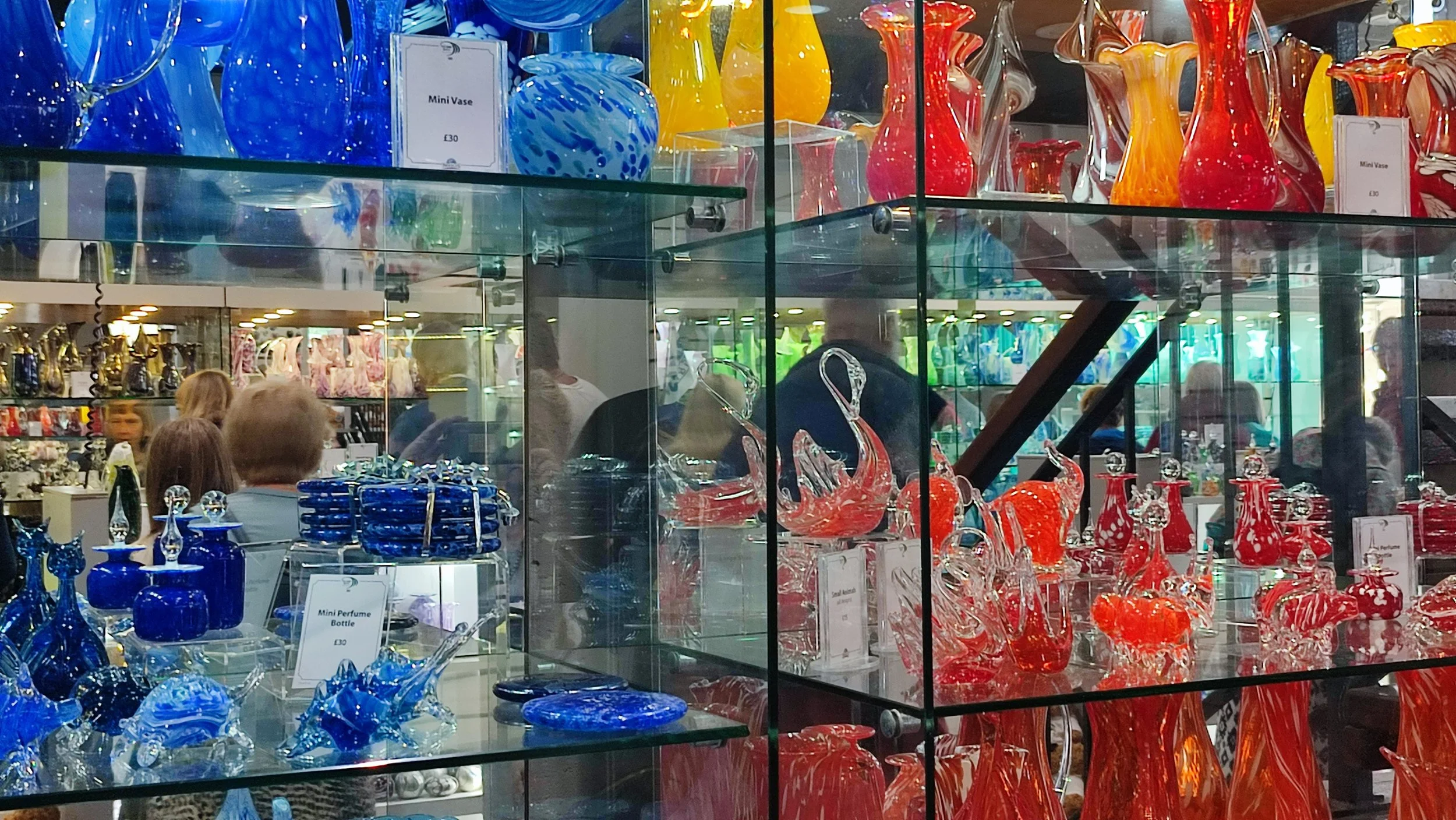
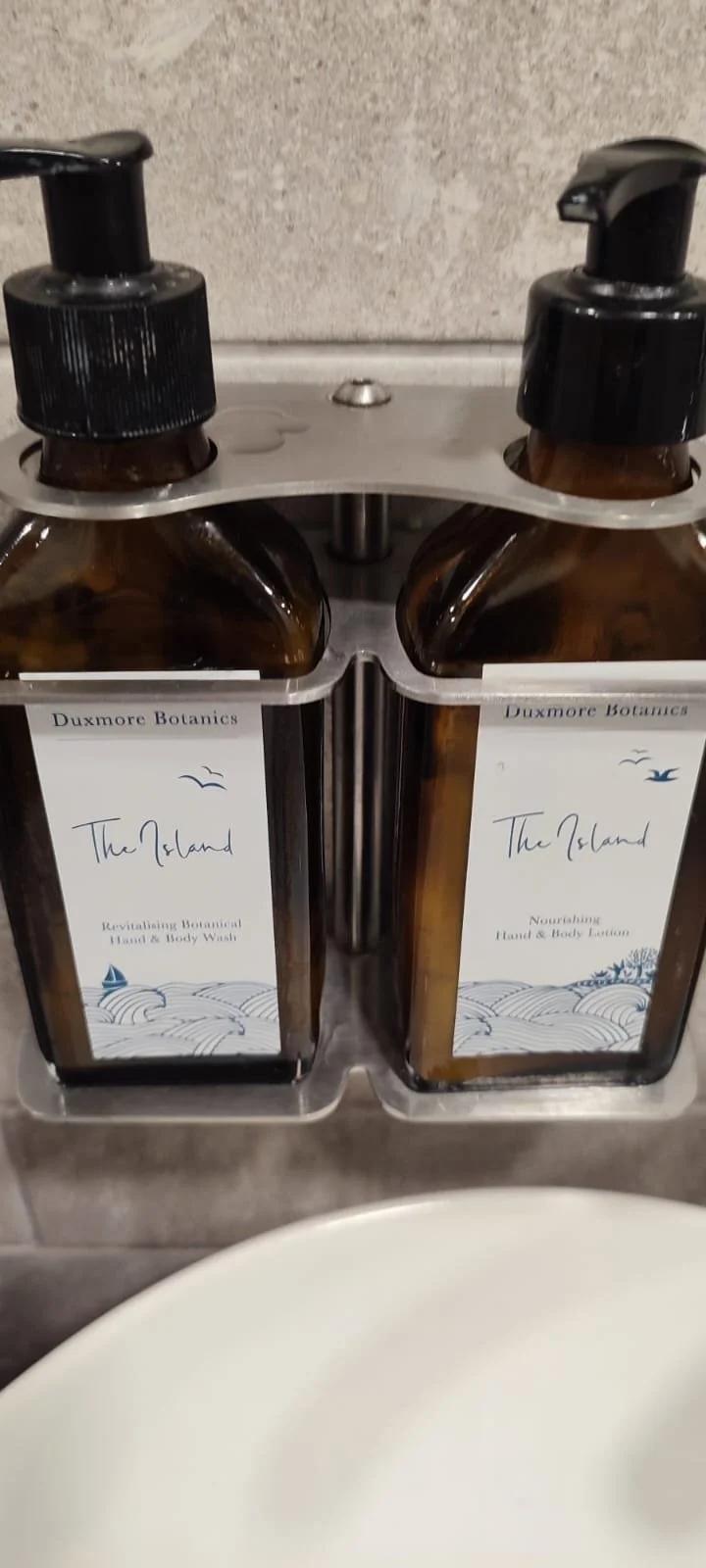
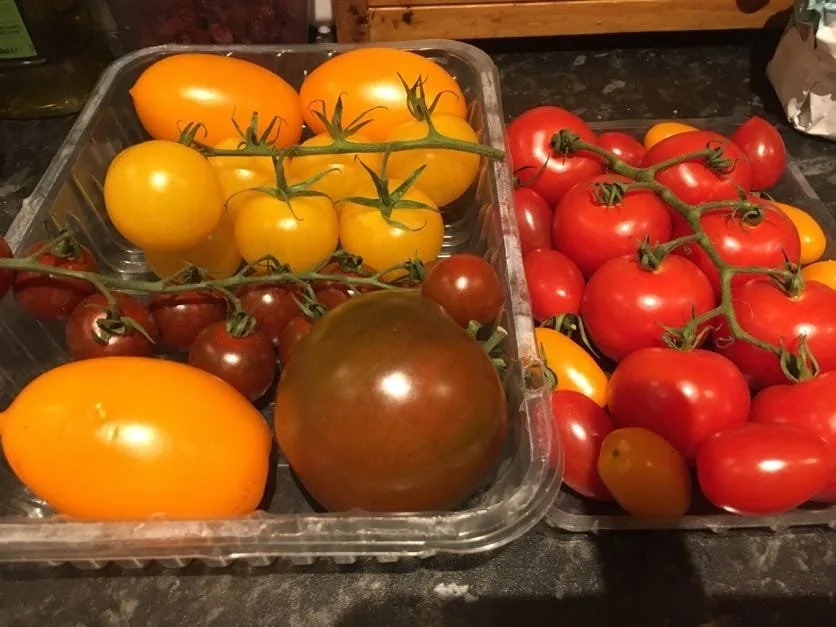
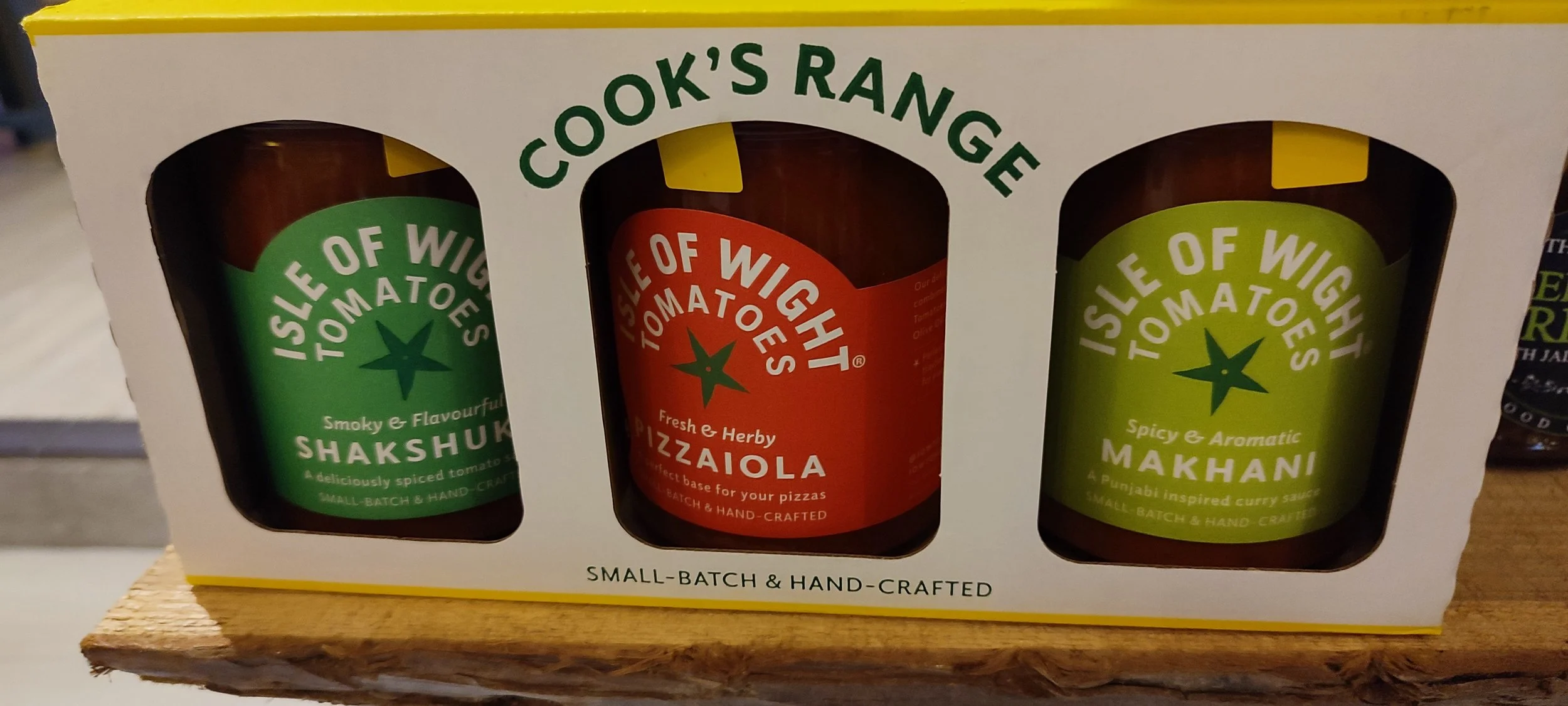
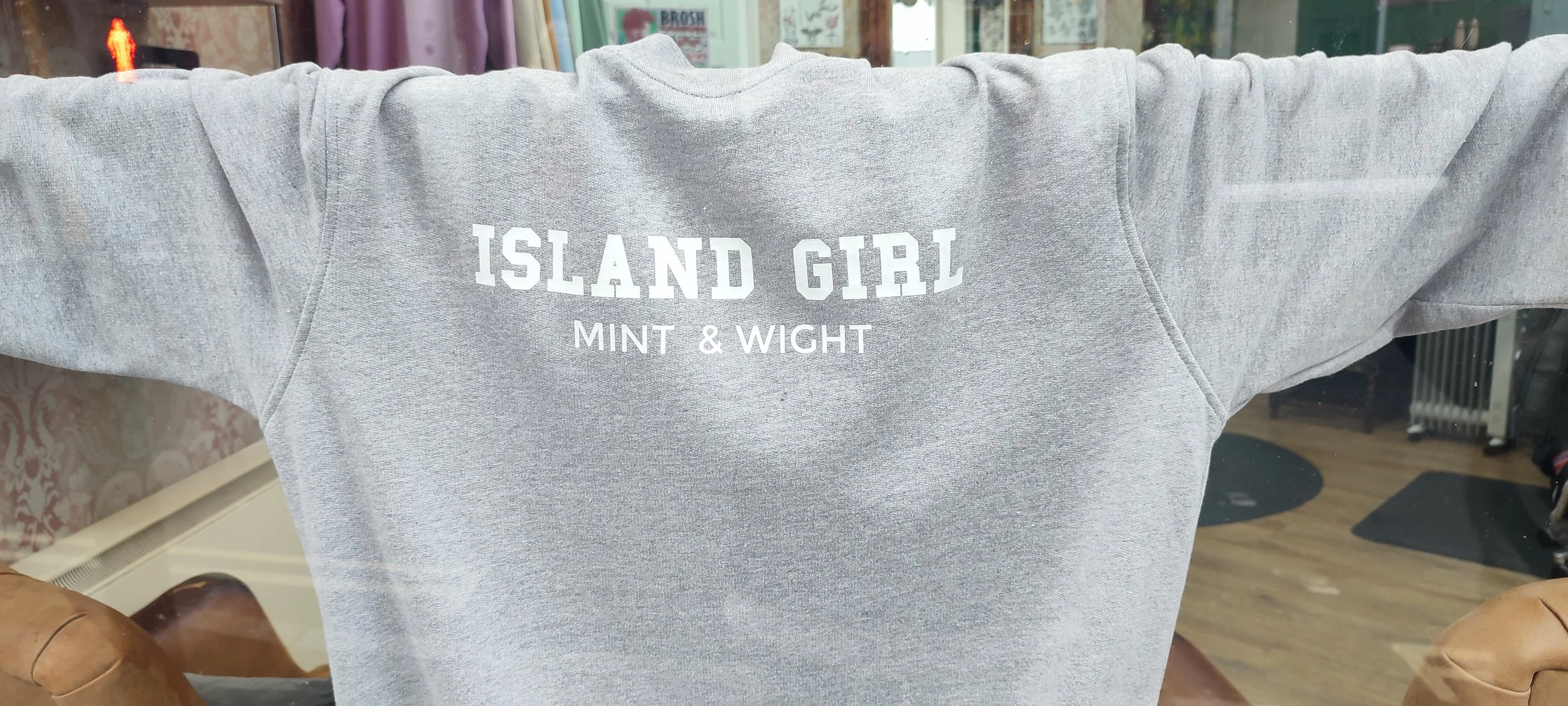
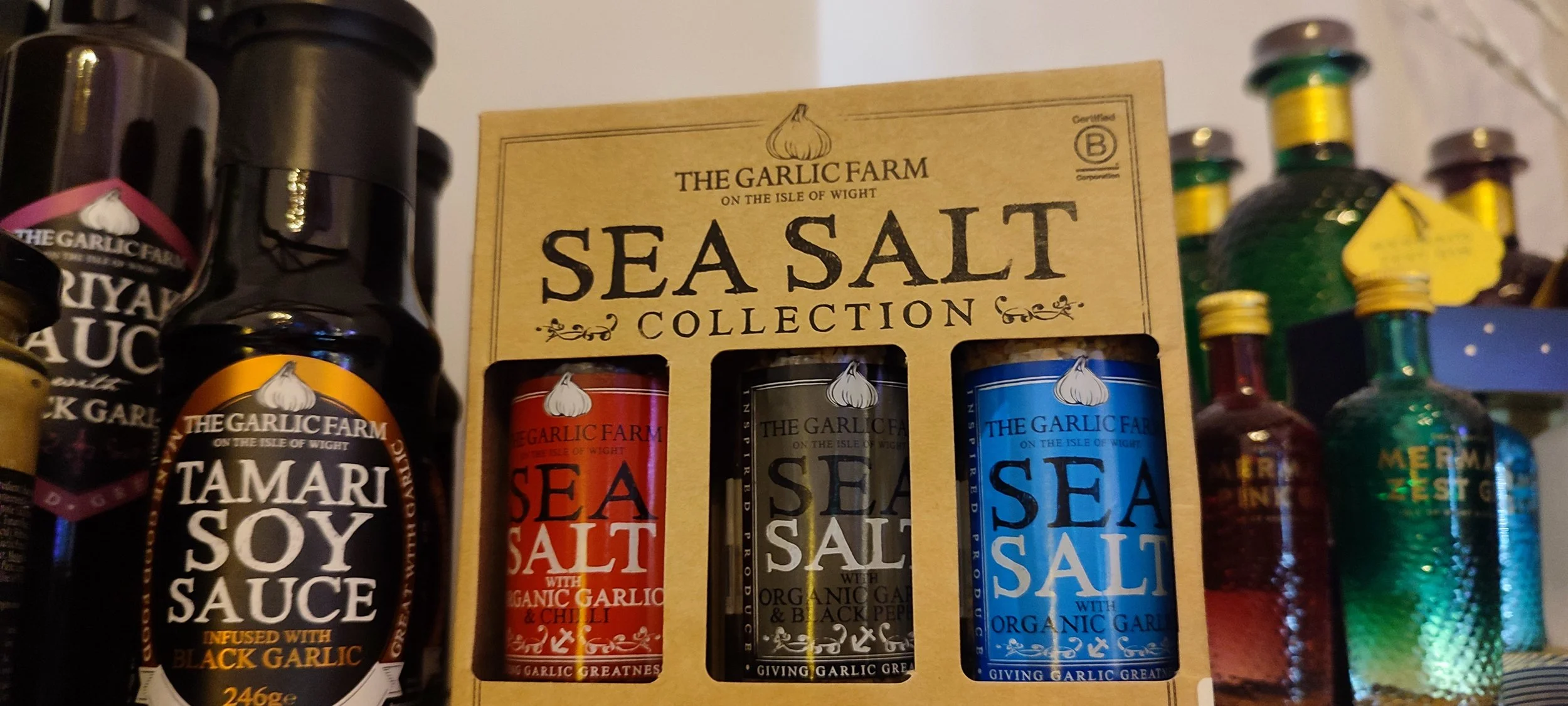
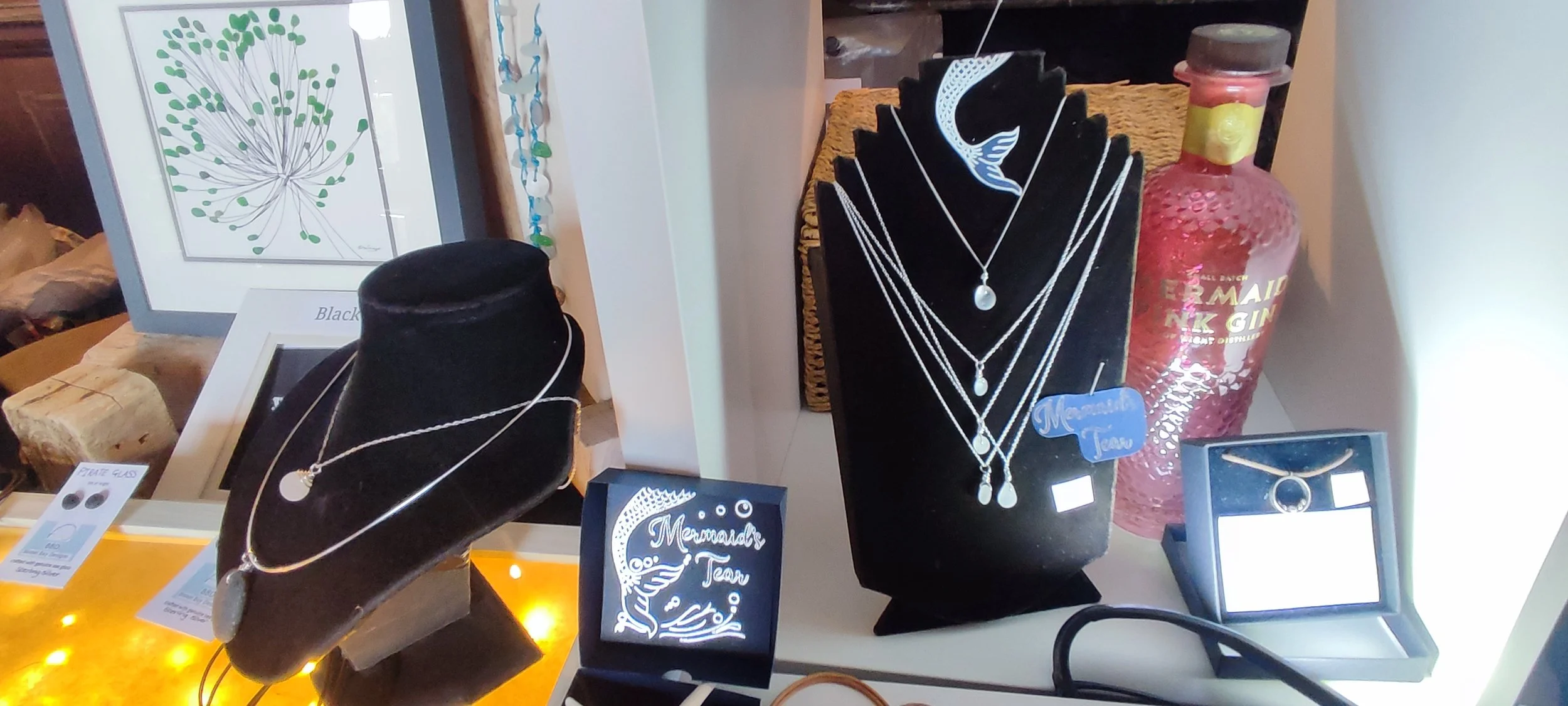
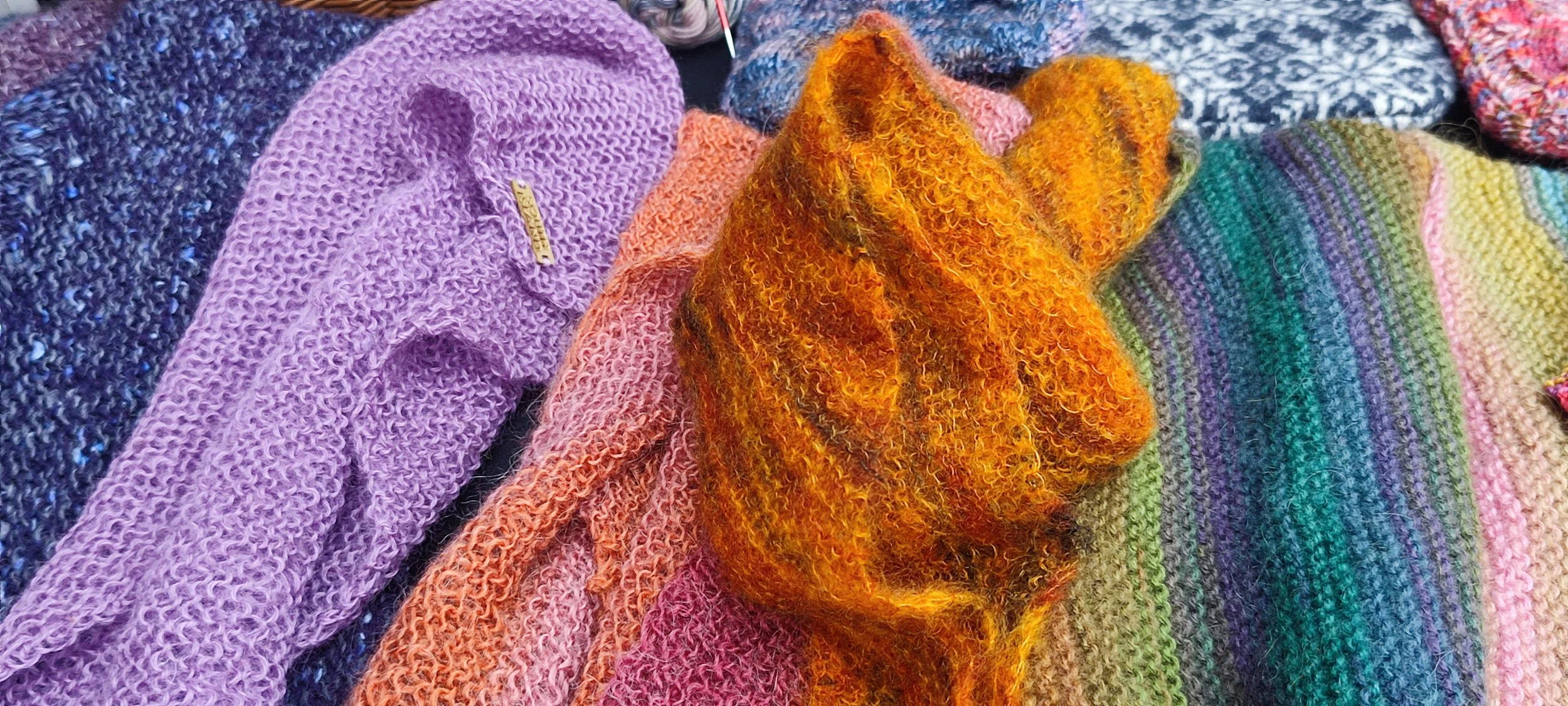
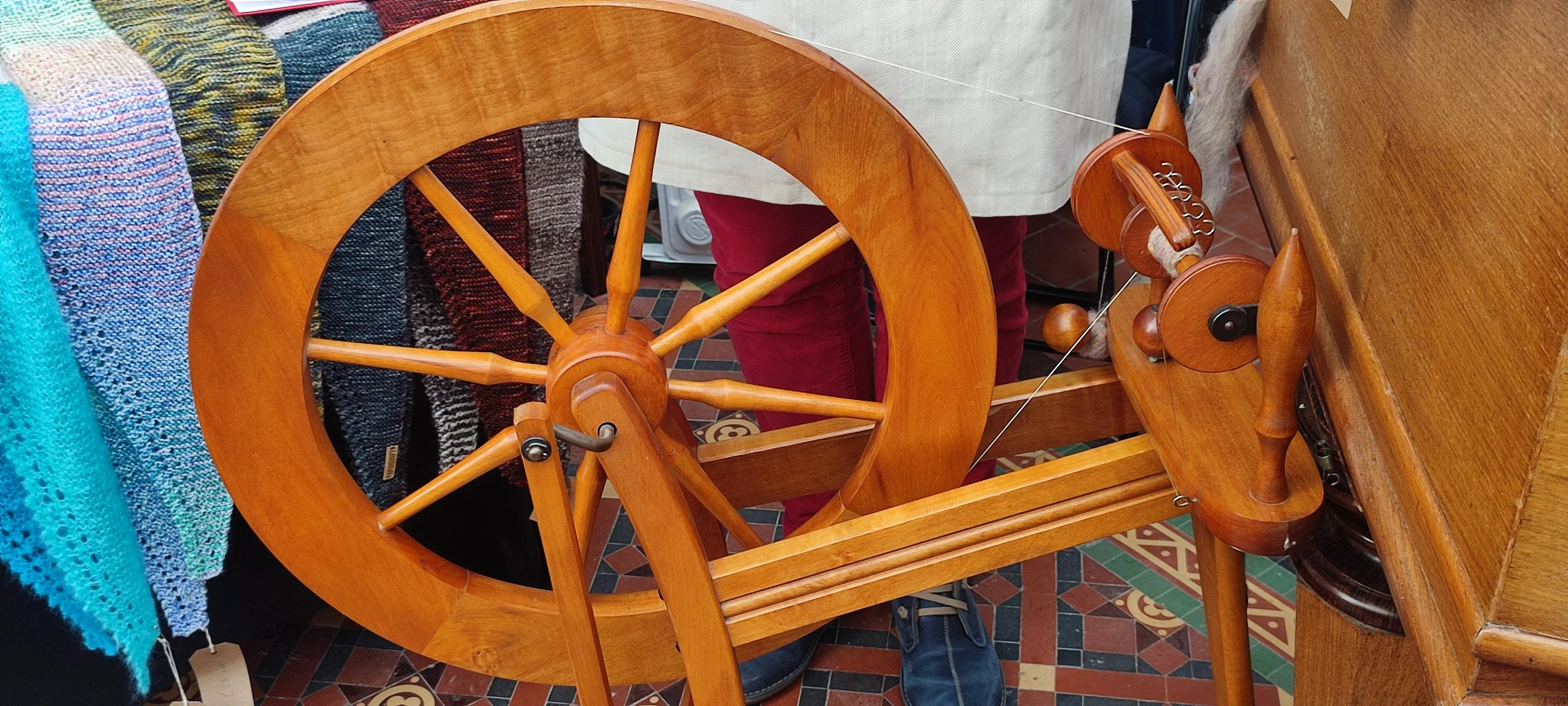
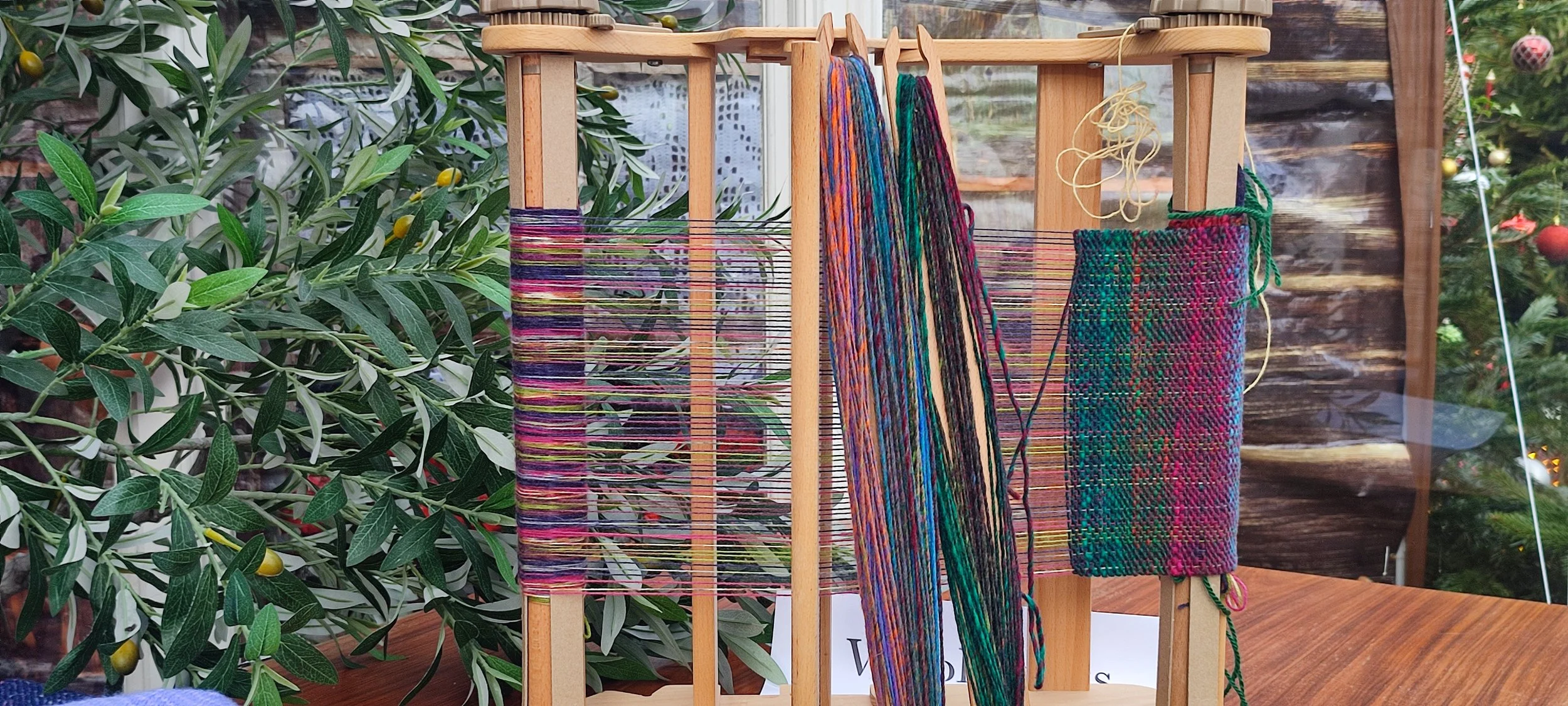
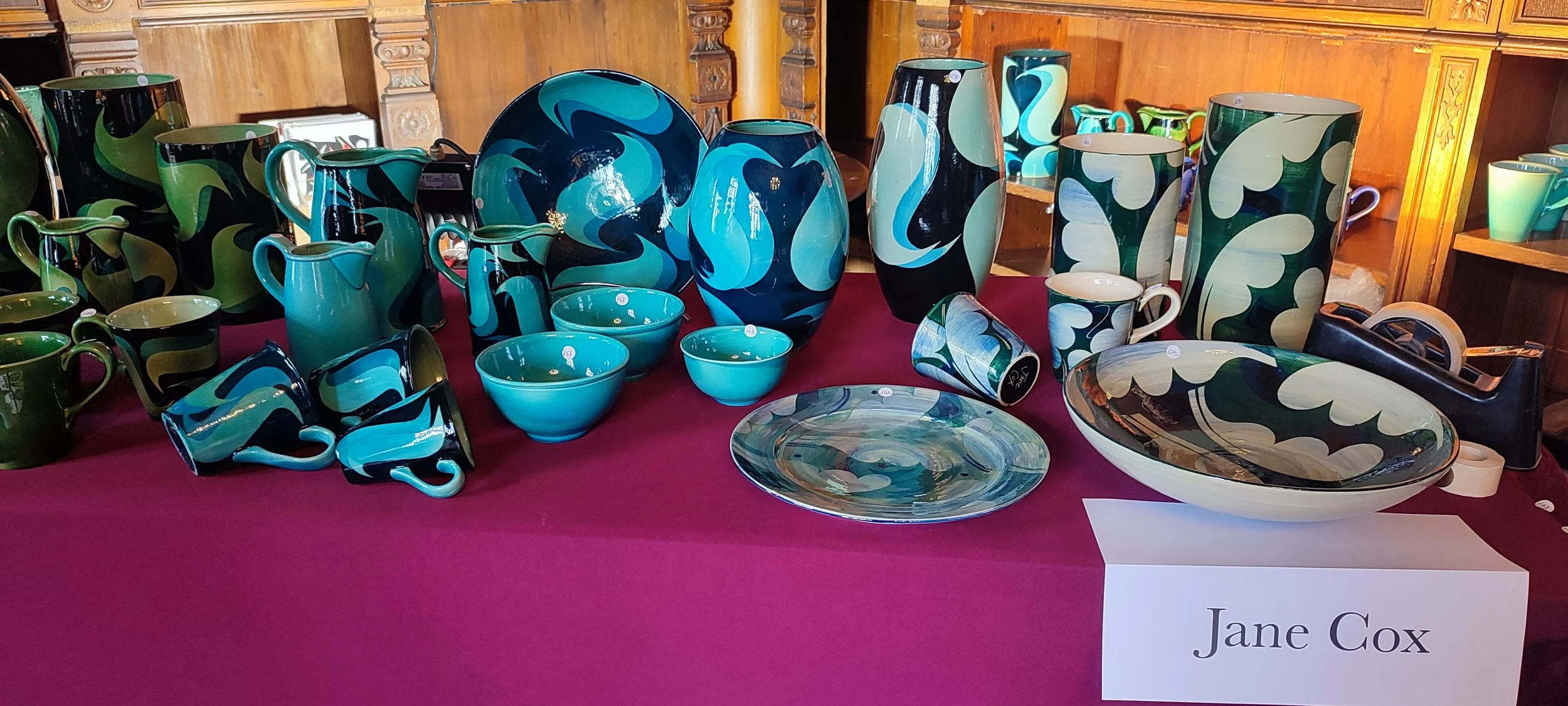
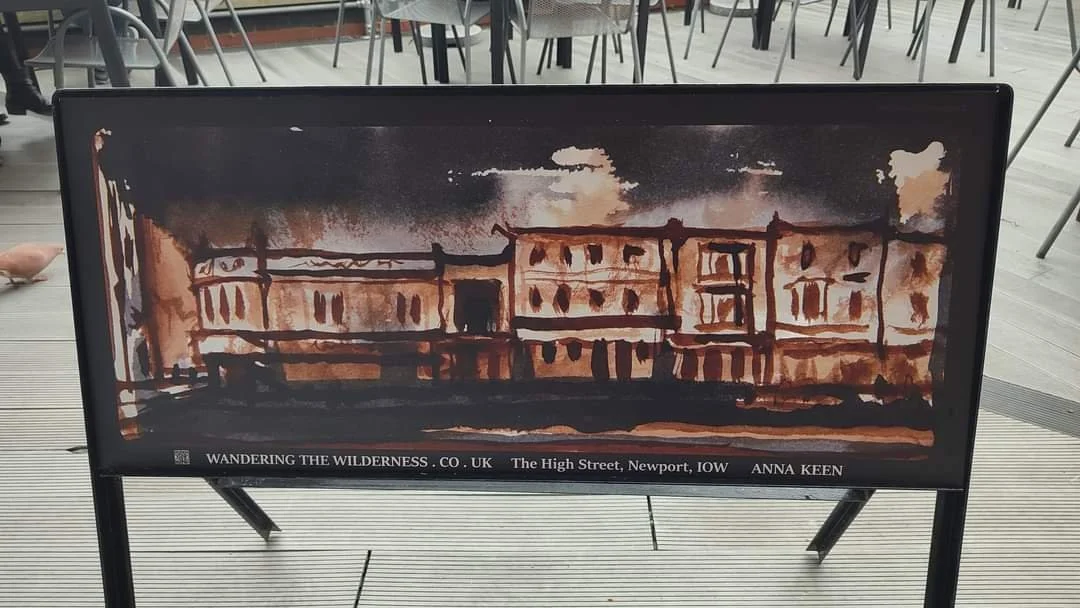
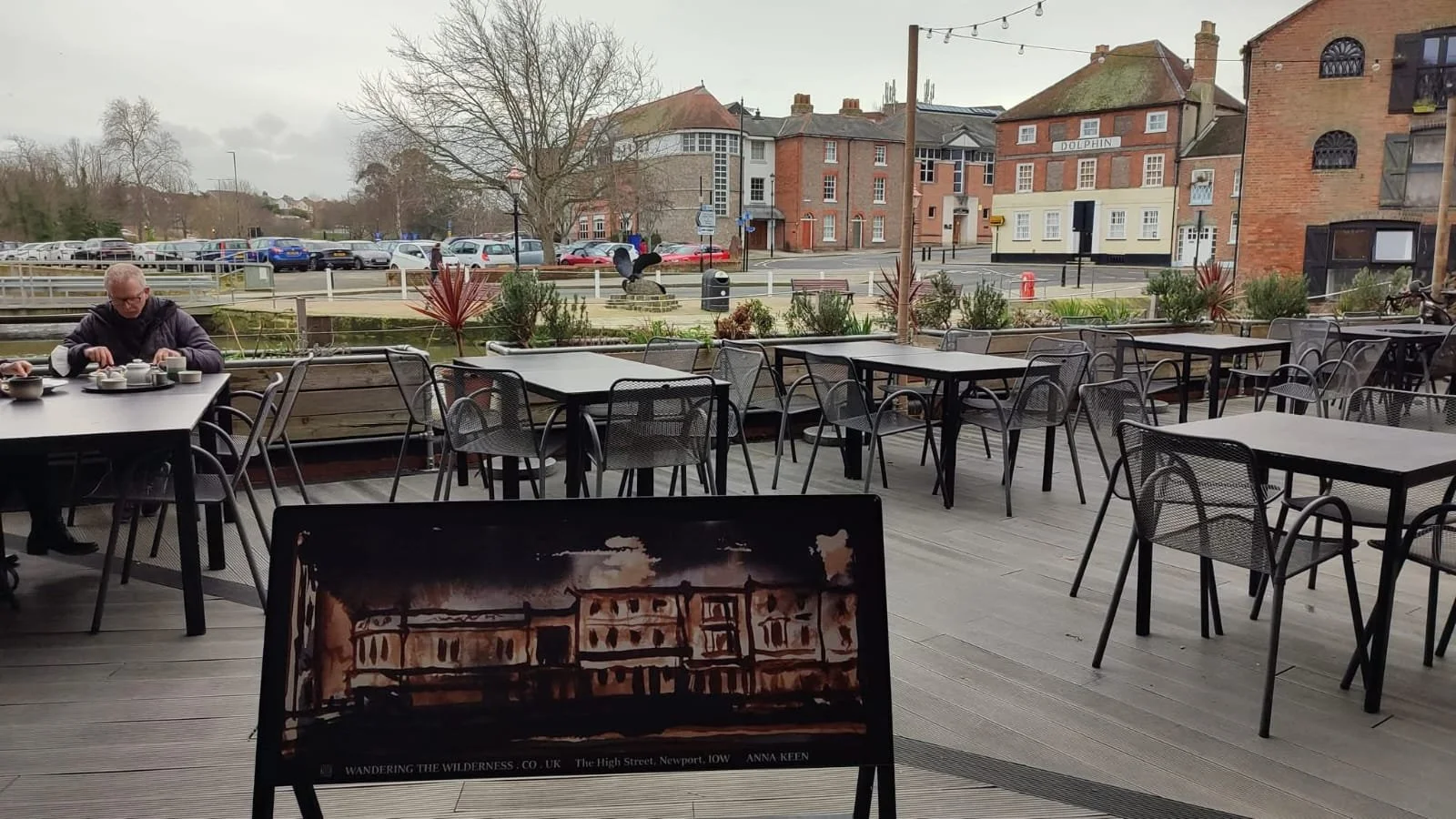
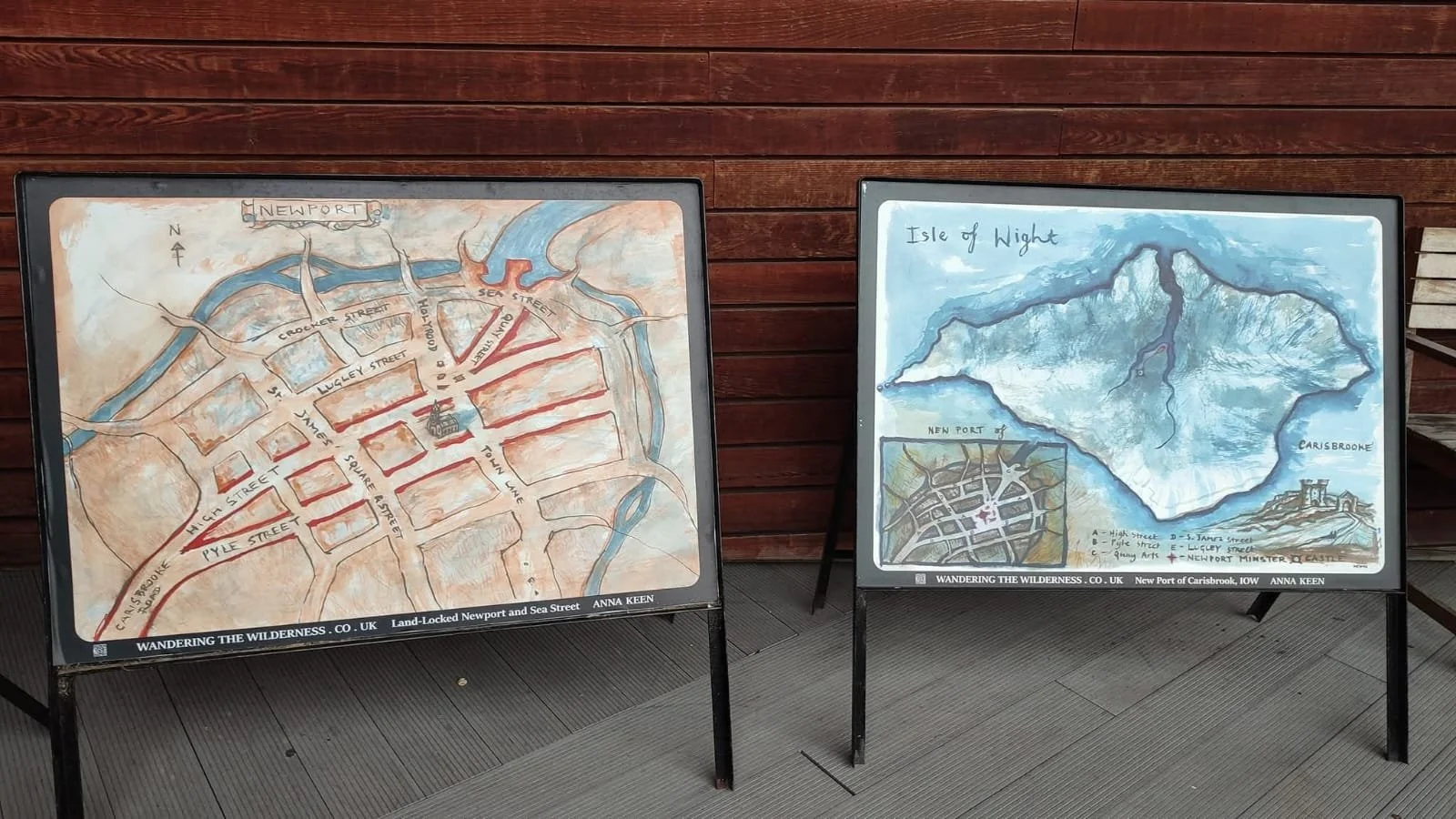
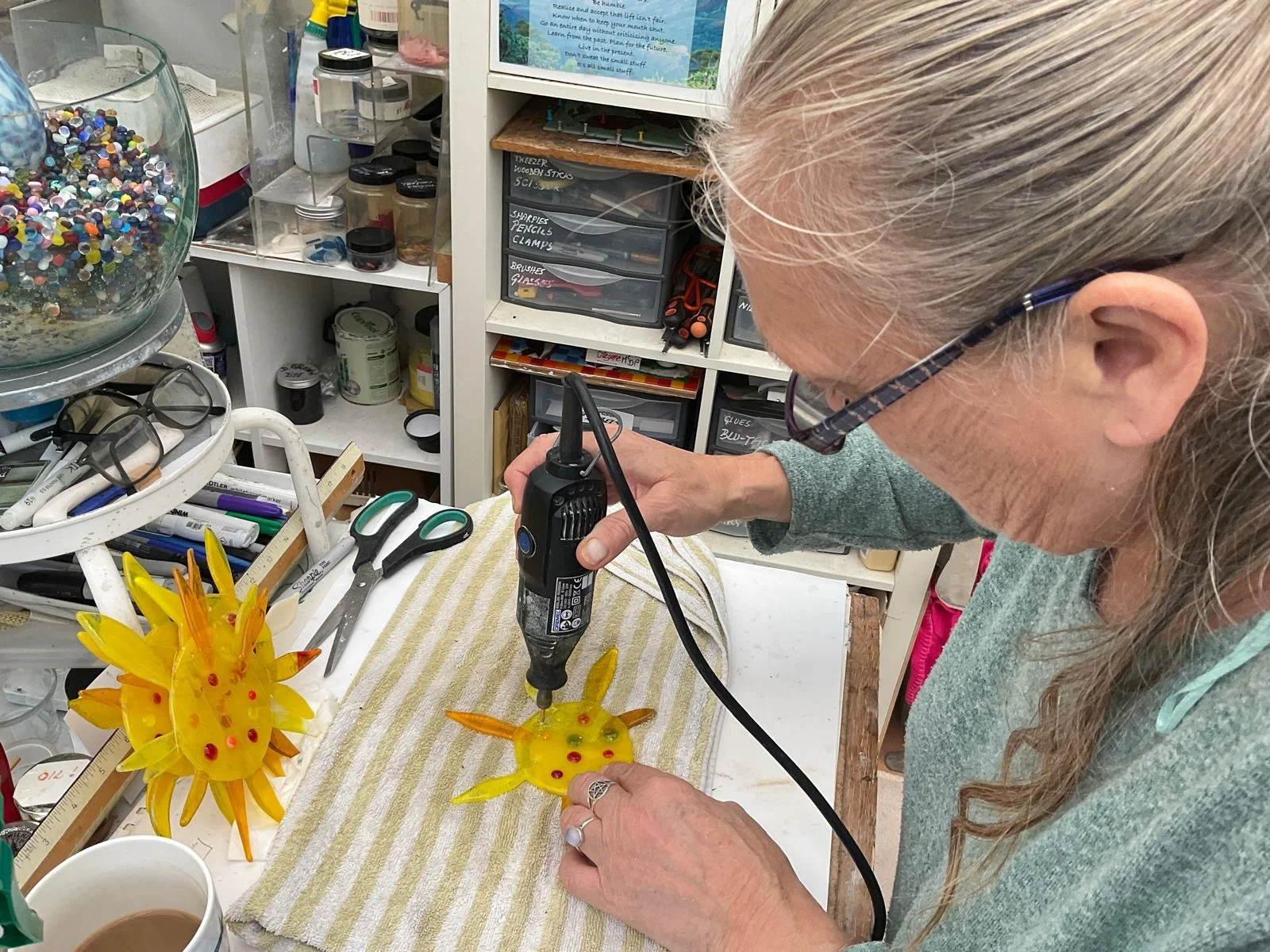
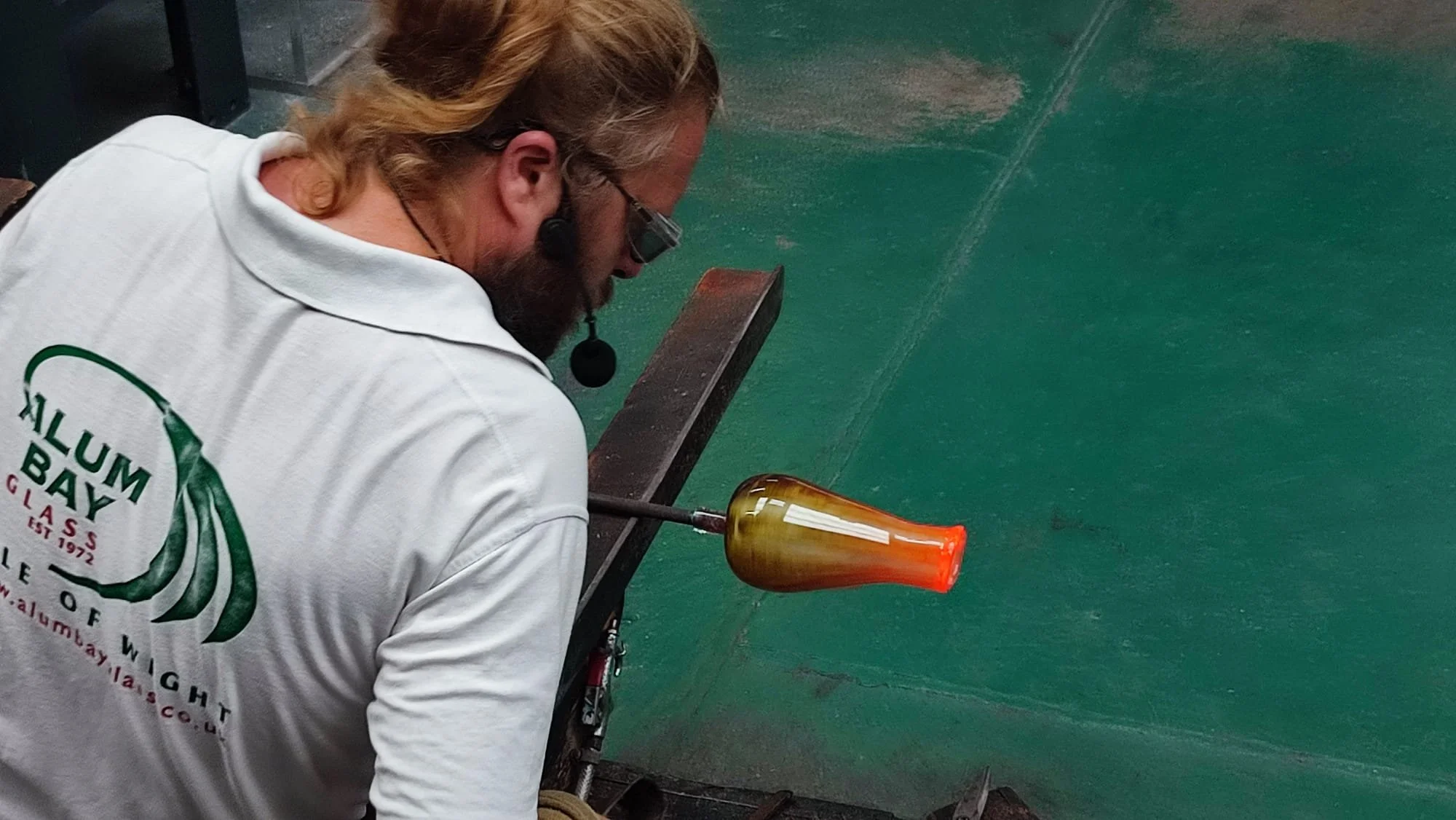
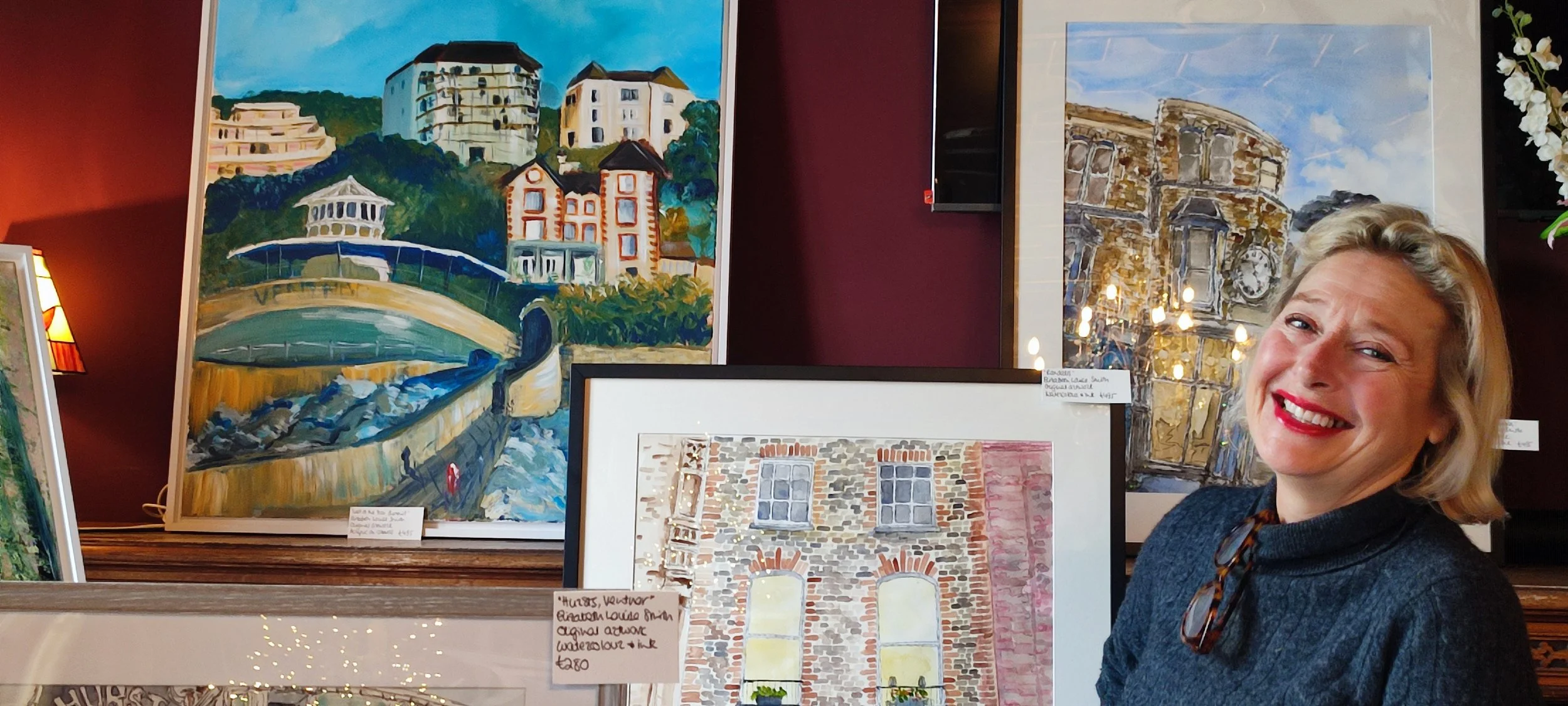
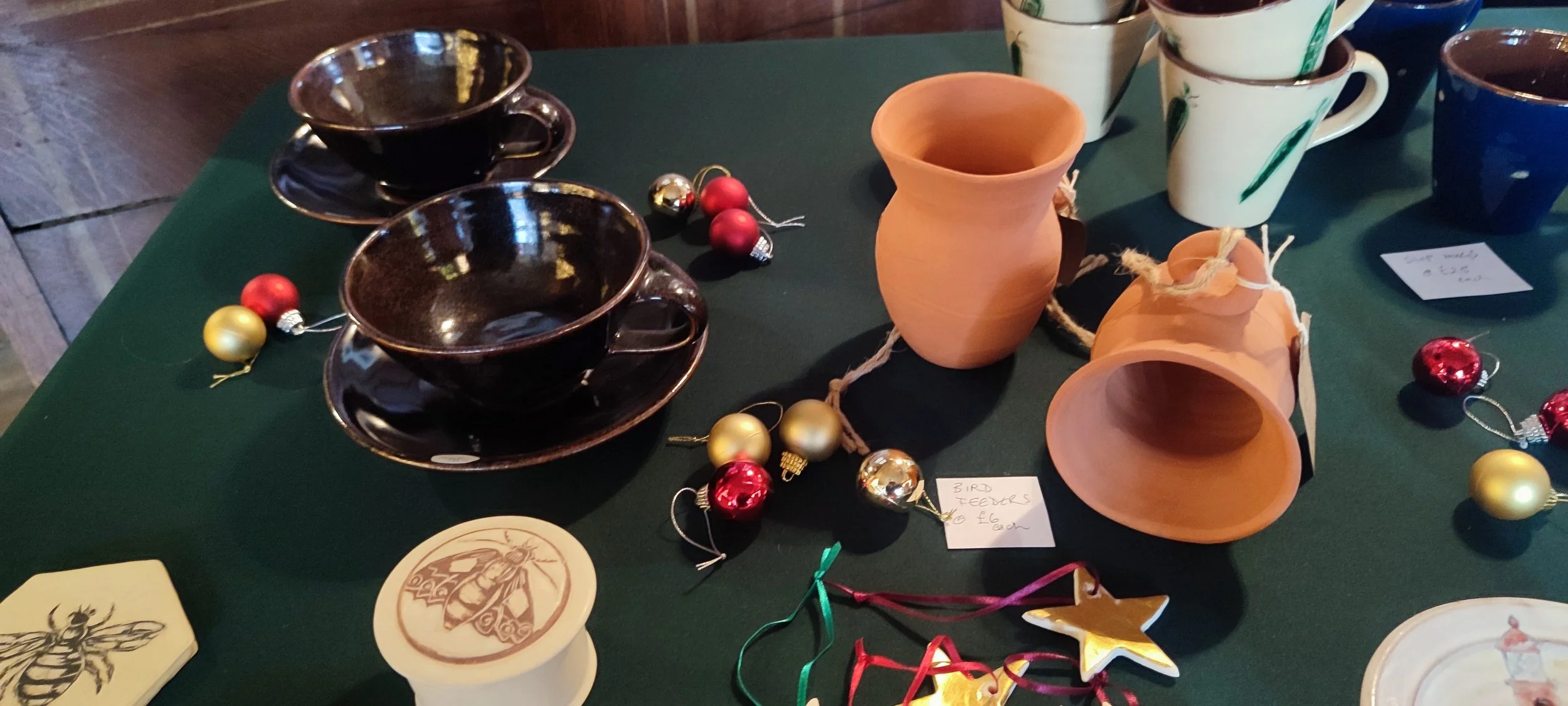
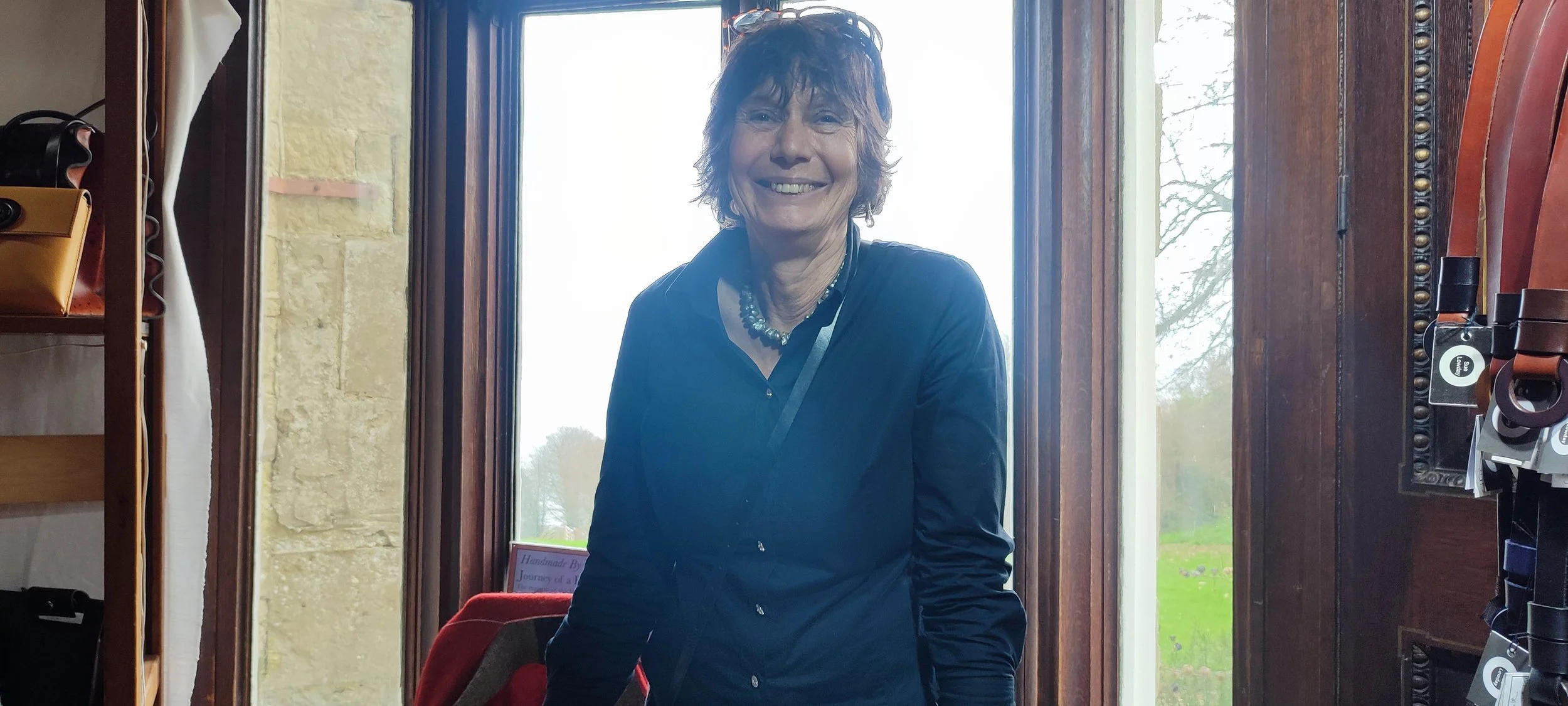
Included in the 2 sets of photos you will find: fossils, food and drink, glassware, pottery, painting and photography, ceramics, jewellery and leather, wooden and woollen goods and skin care products.
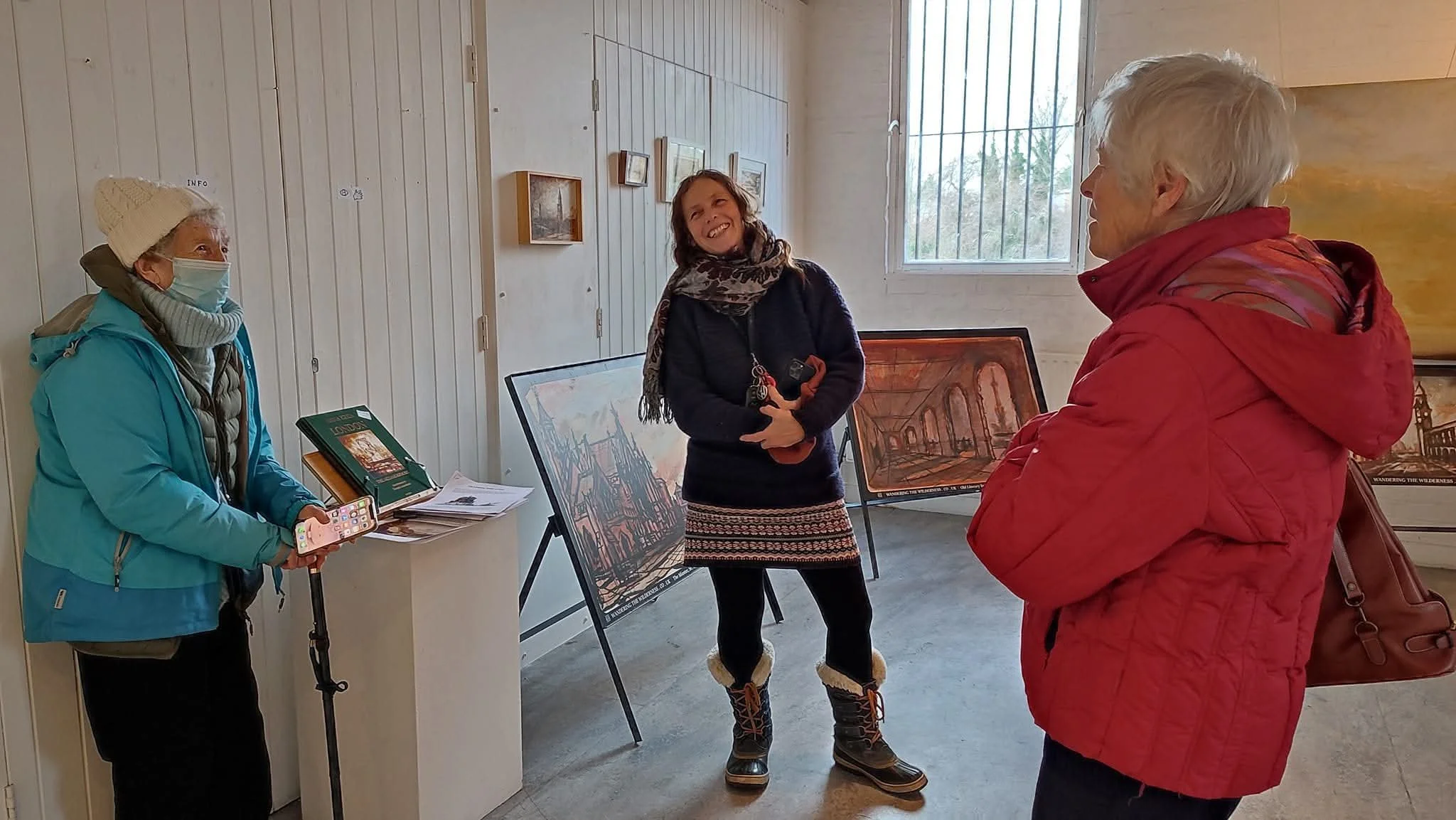
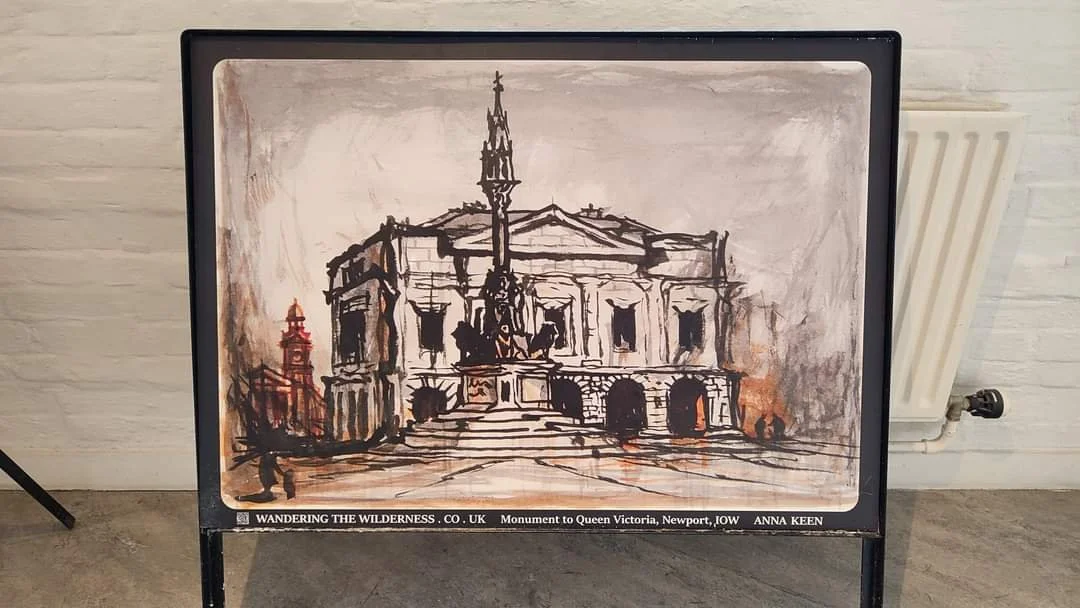
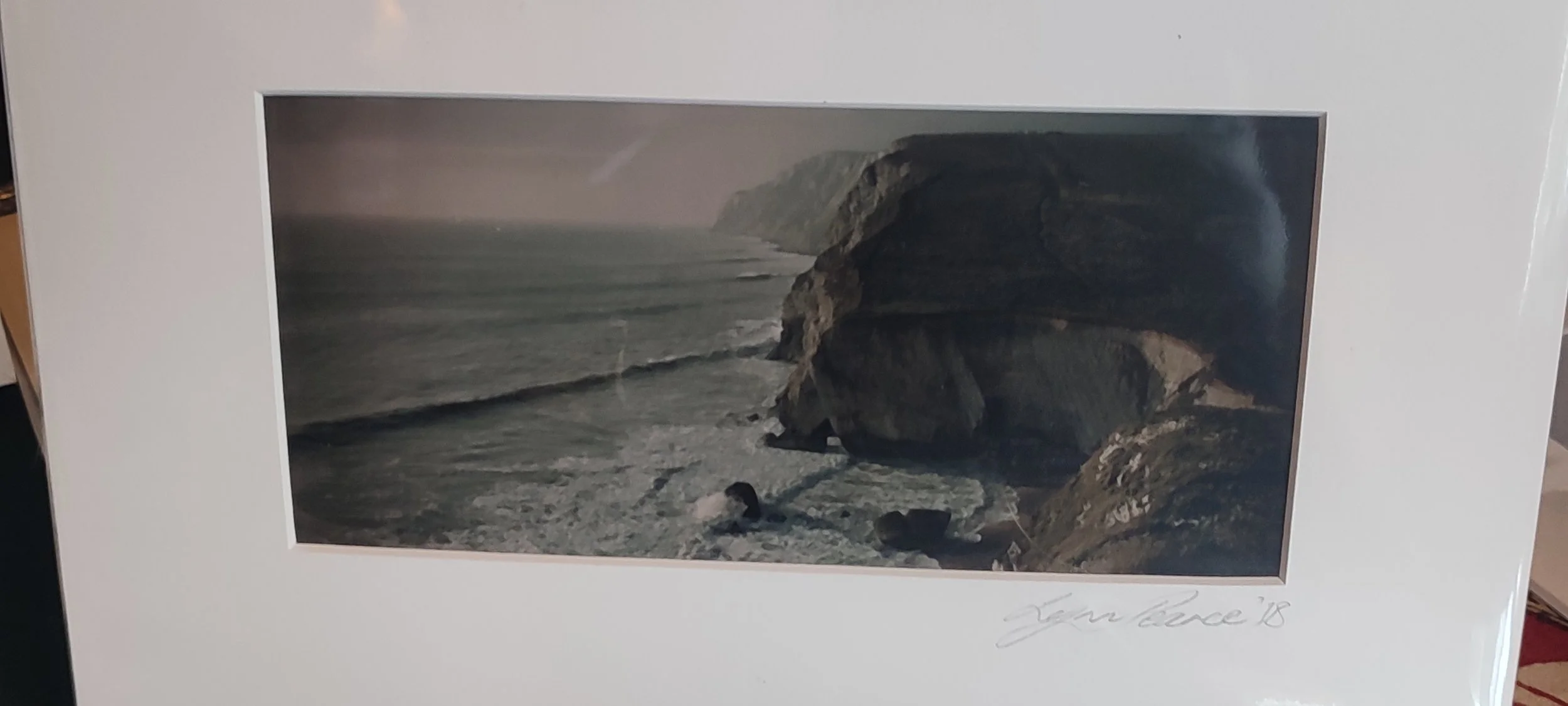
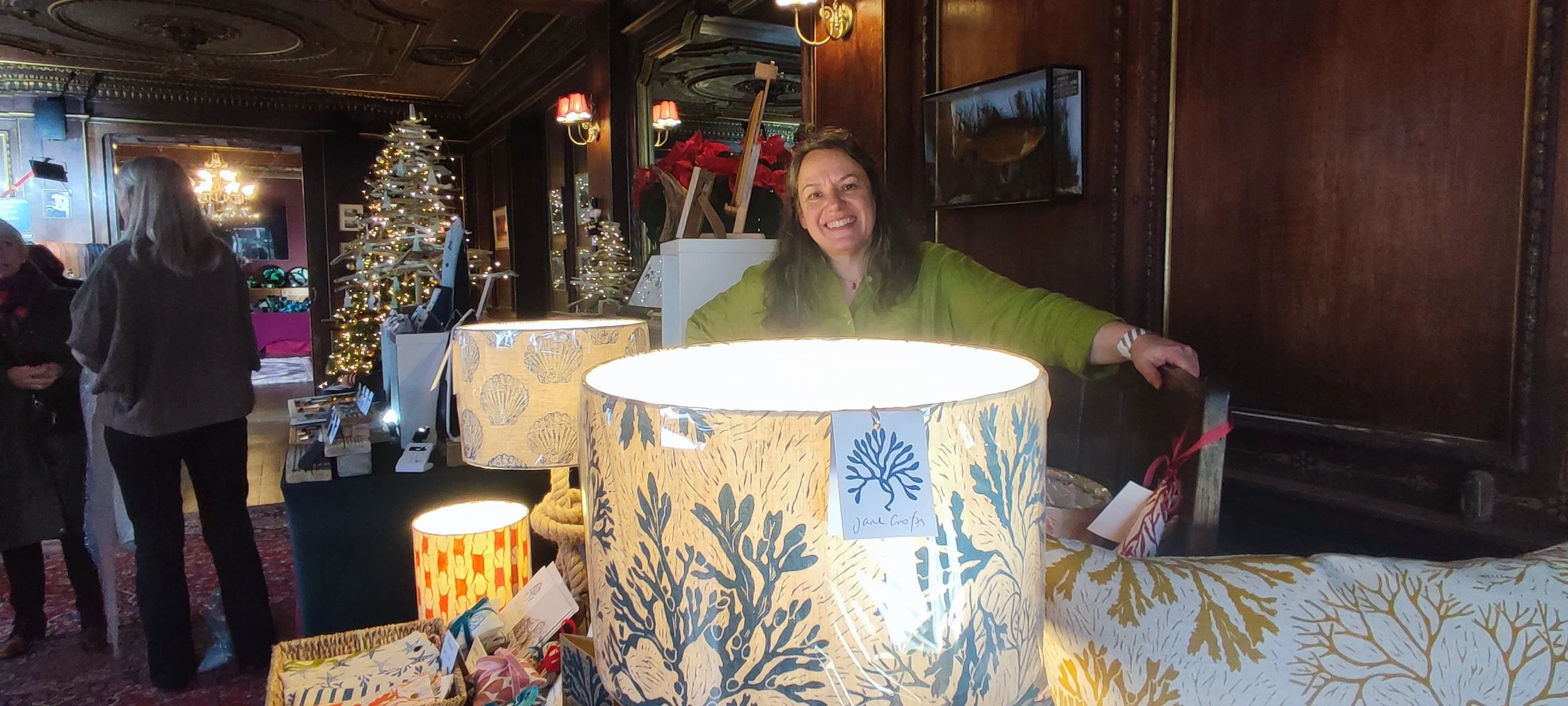
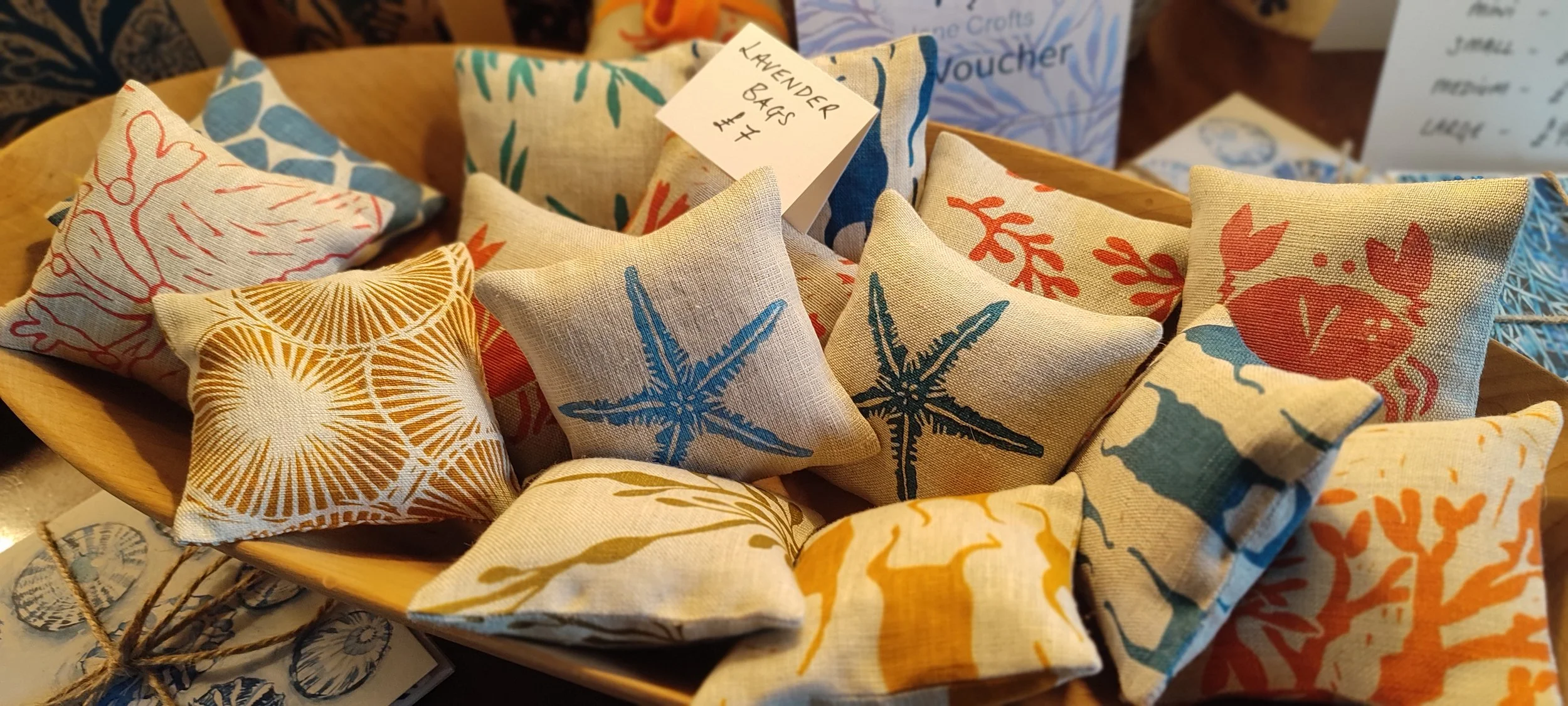
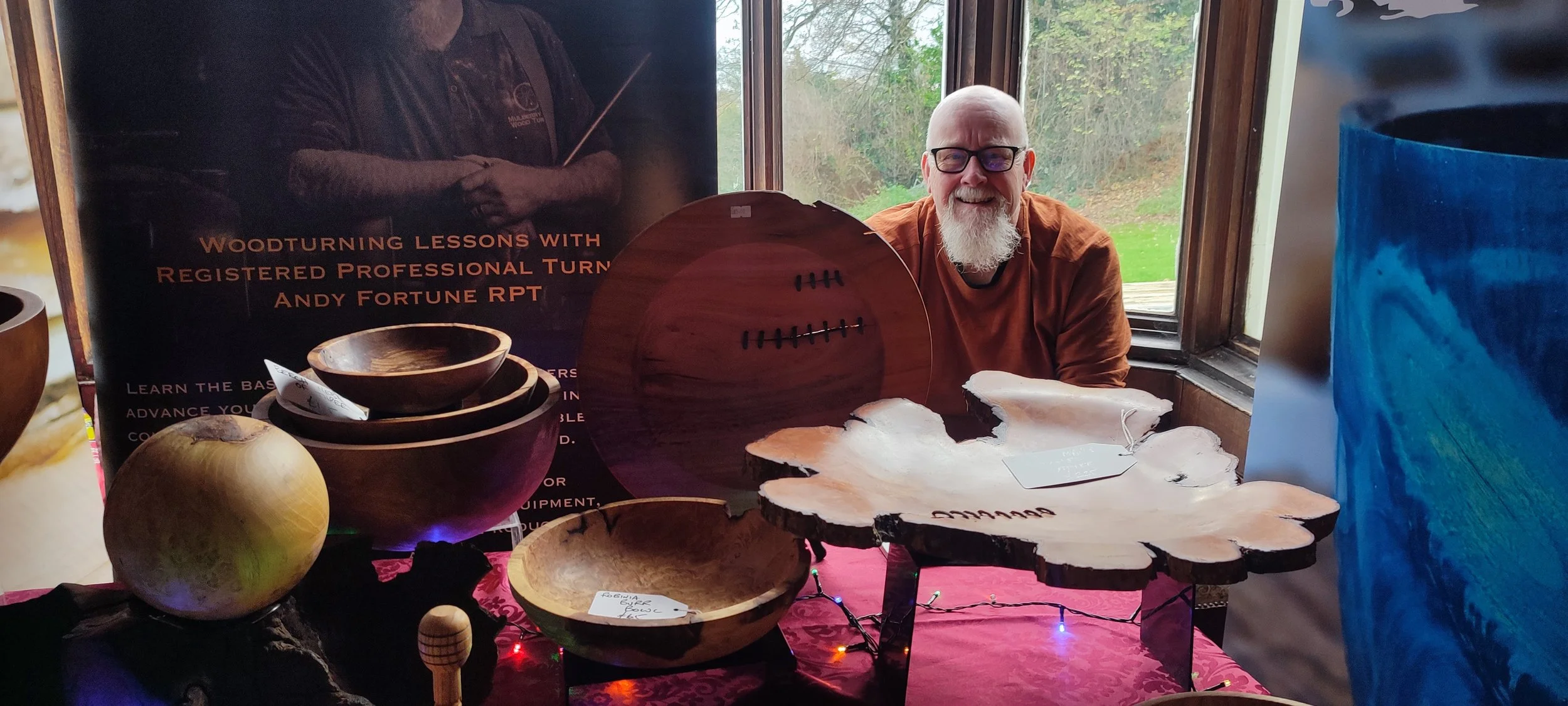
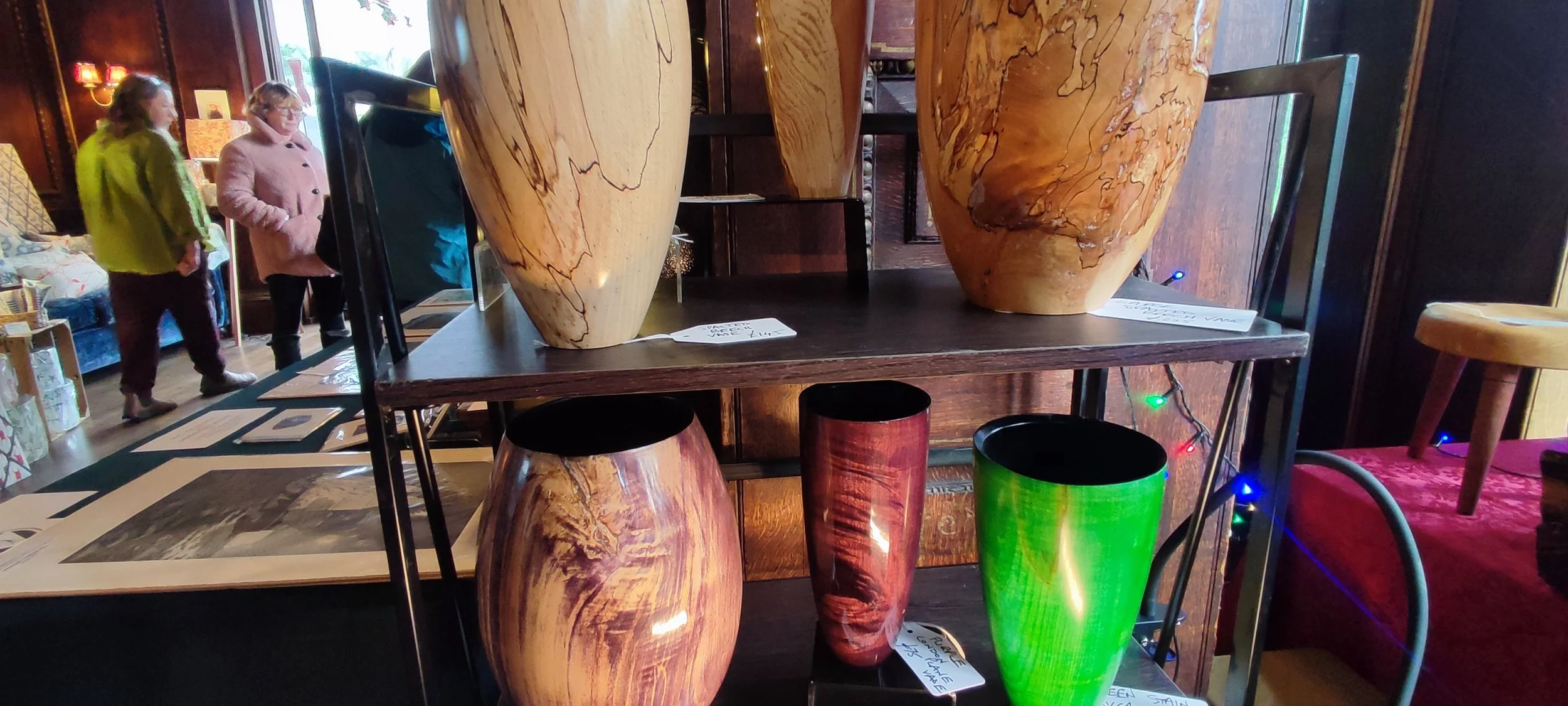
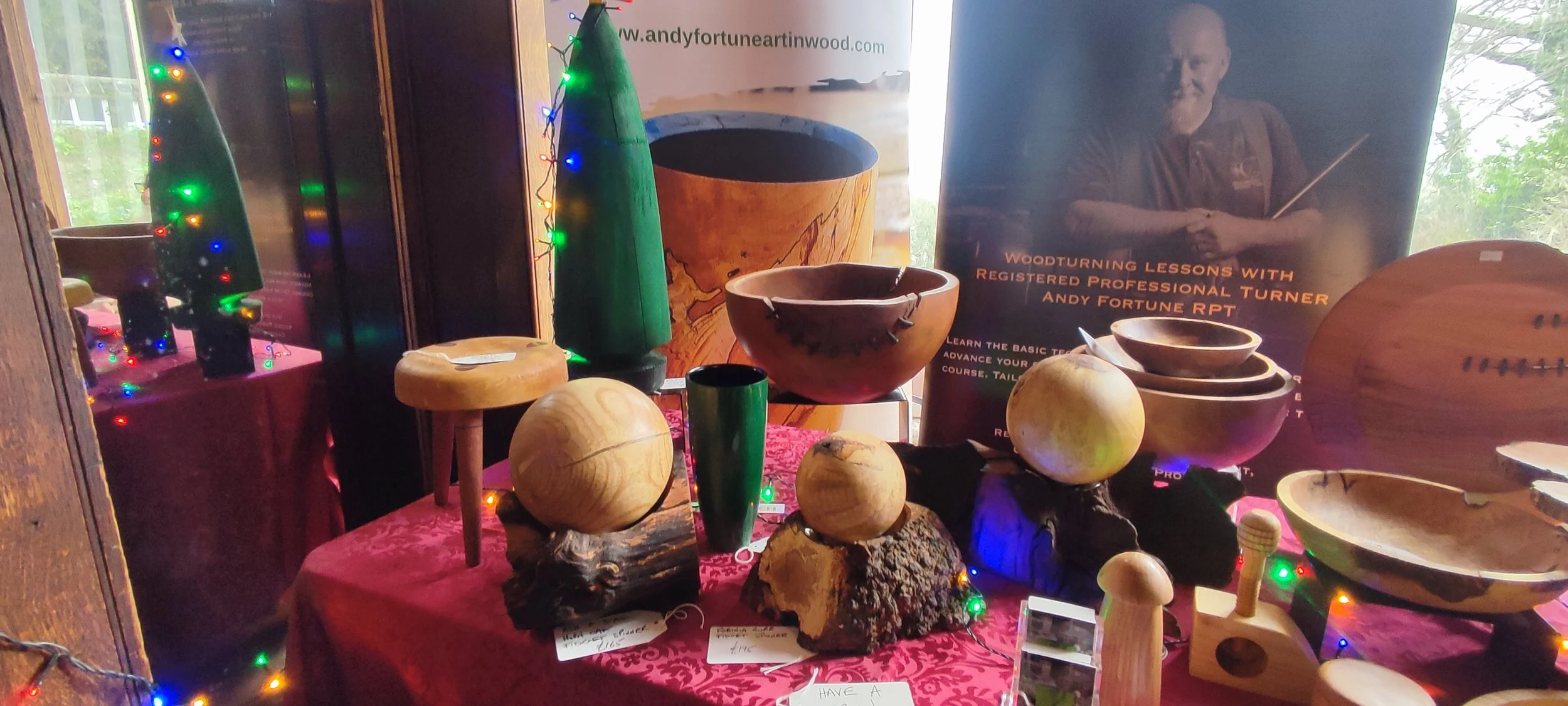
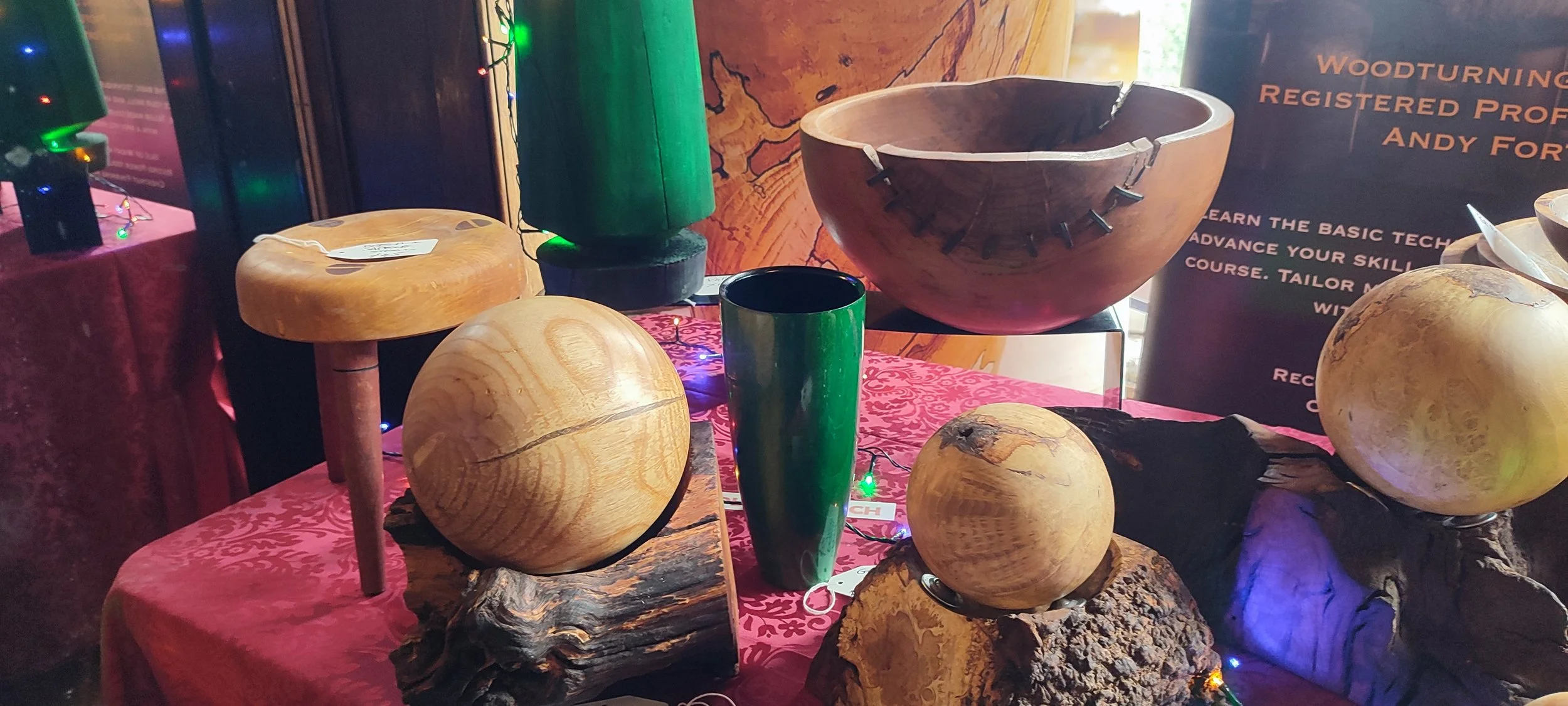
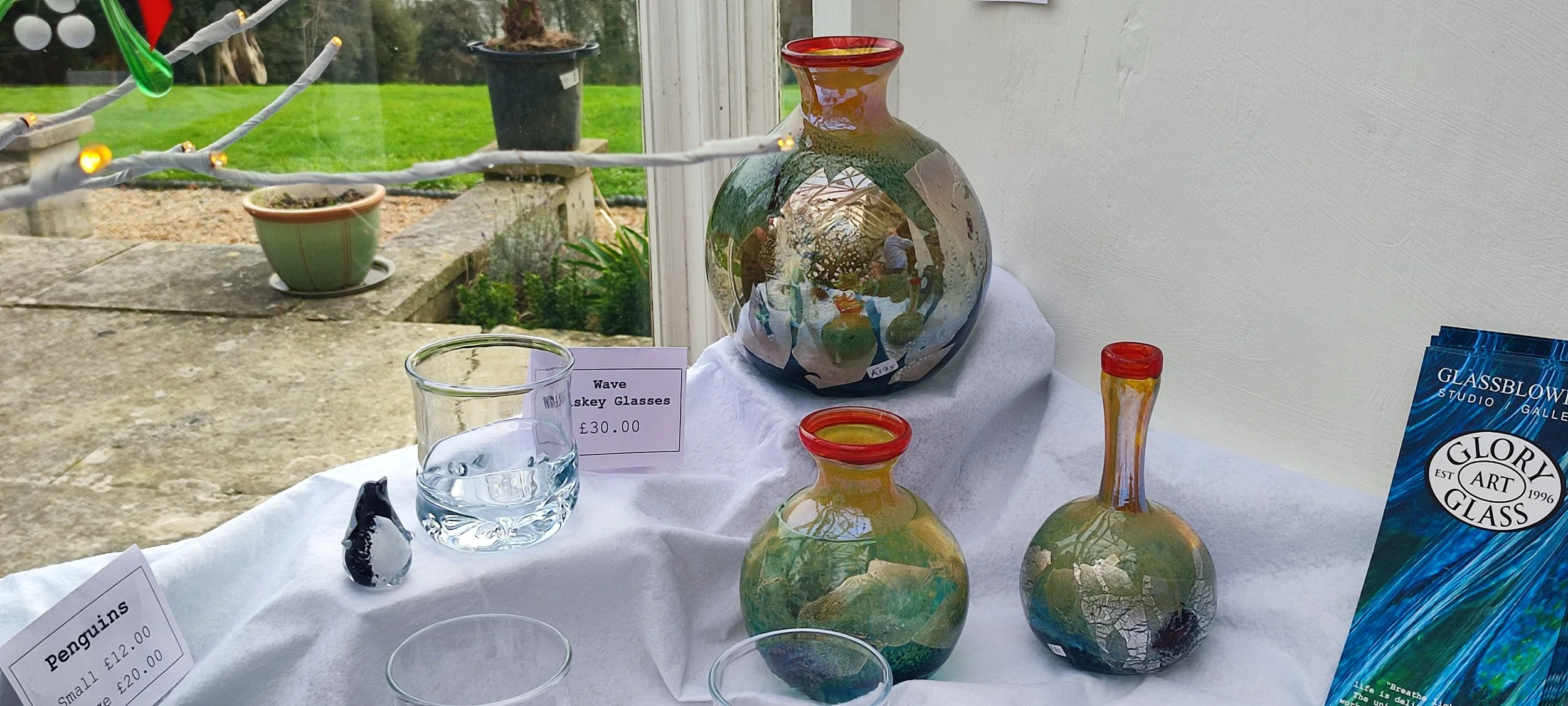
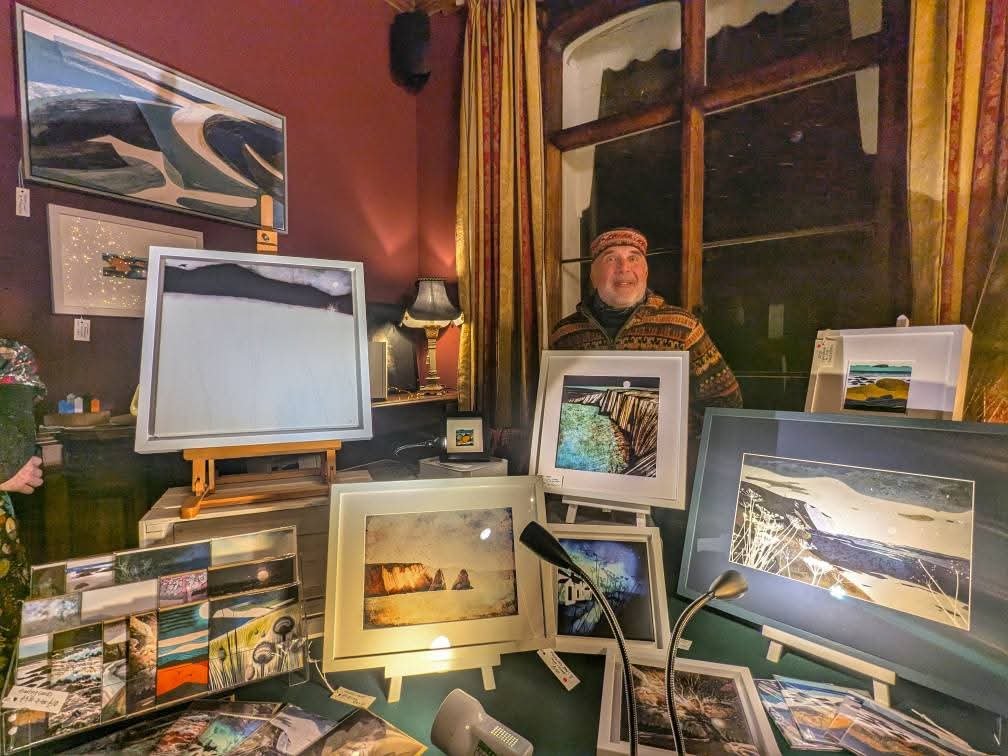
Visits to artists at work – or immersive sessions in a creative experience of your choice
Original and personalised experiences with creators
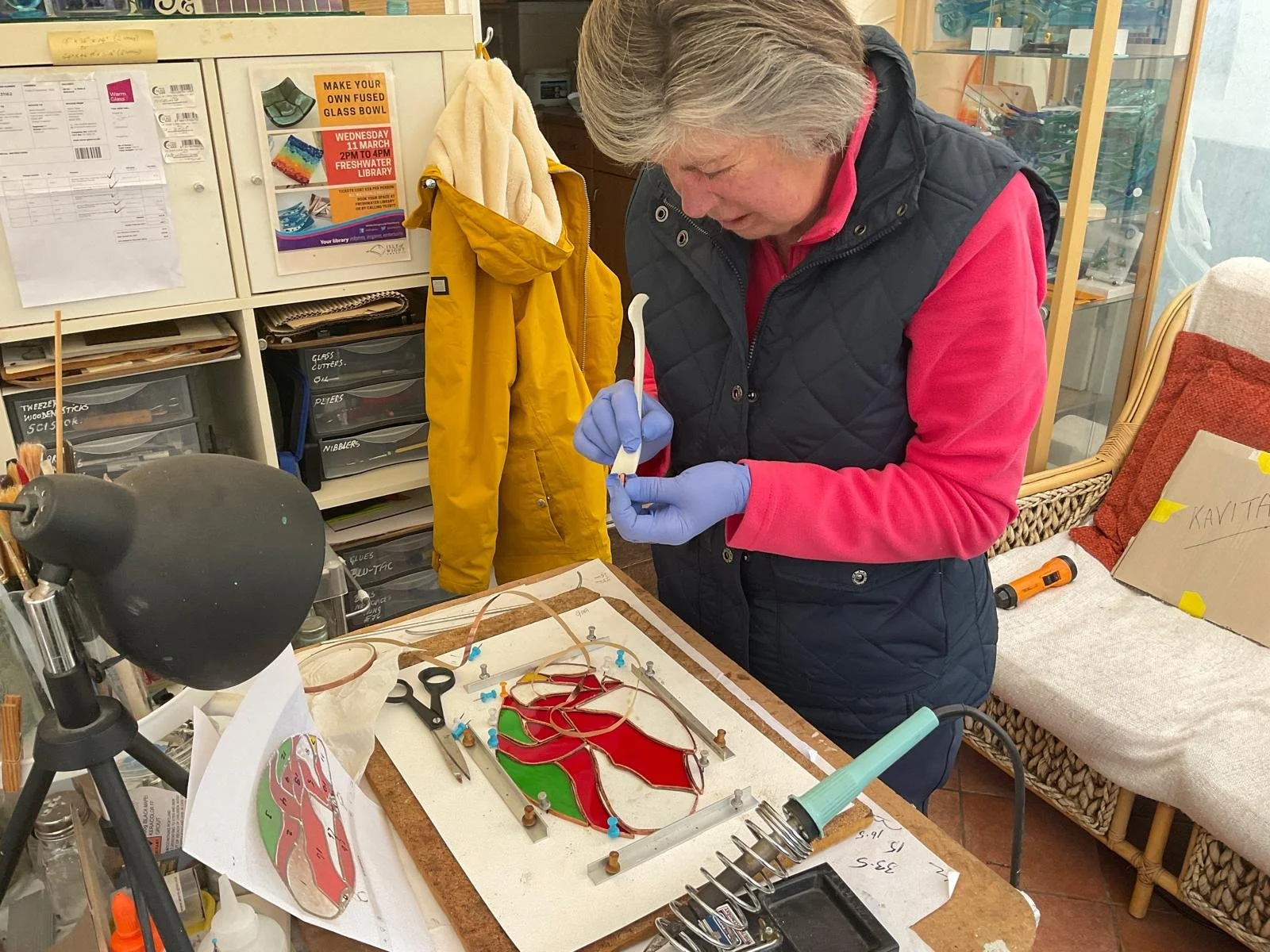
We invite you to come and see various artists at work within their own environment. If you are seriously interested in Island art – you might even aim for your visit to coincides with ‘Open Studios’ or another similar art-based Island event.
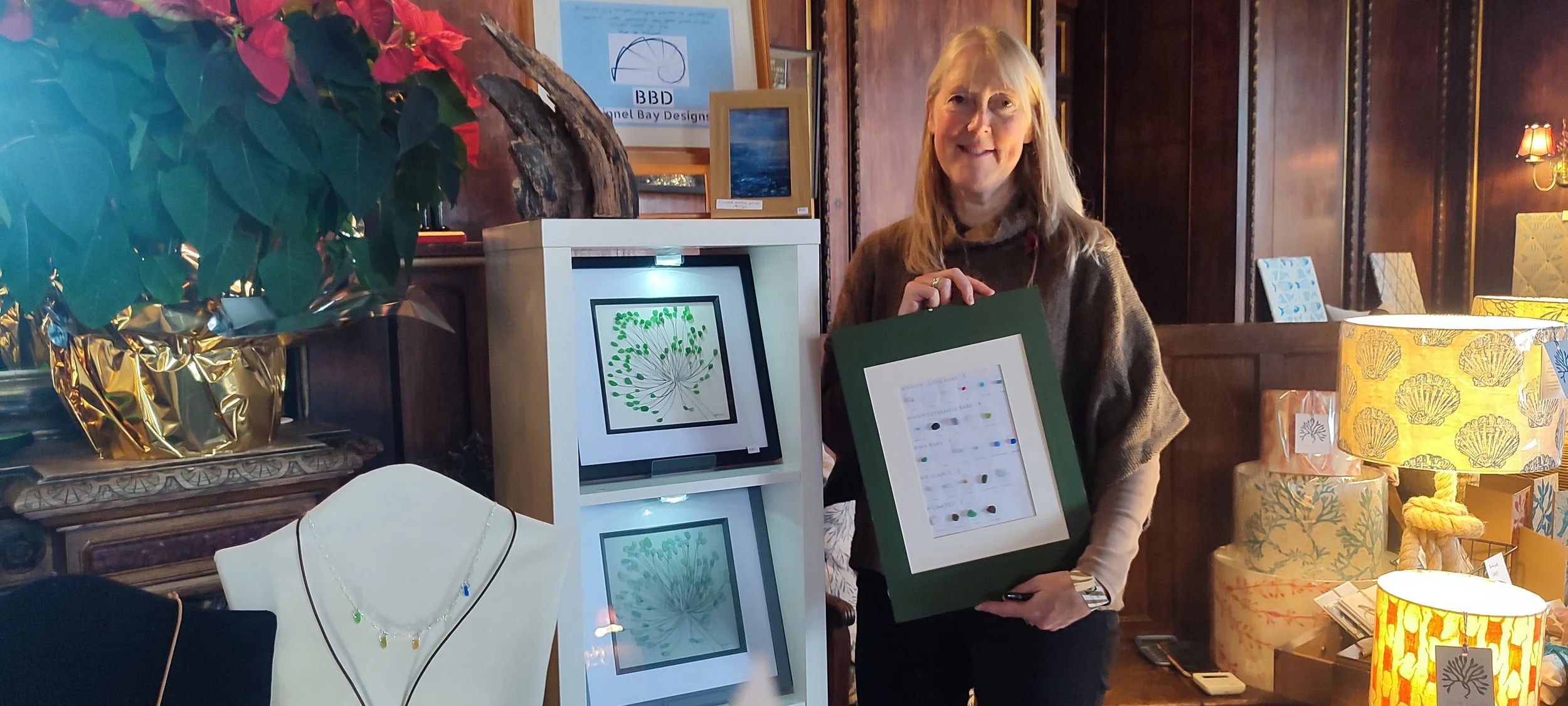
Some of our artists will be happy to entertain you in their own homes – at least one adorable artist springs to mind who would simply love you to come and meet her at her home for a coffee and chat and look at her work at the same time. And she isn’t the only one. Maybe you are an artist yourself and would like to compare notes? We have arranged it all before!
Or why not make it a walk-and-talk session if you would prefer – allowing an artist to actually take you to some of their places of inspiration. Or how about a beach walk with someone wonderful who collects beach glass and magics them into beautiful jewellery? Collect some glass with her then go back and look at her work? Yet another idea!
This includes ceramics, leather work, painting, jewellery-making from beach glass and hand-printed textiles.
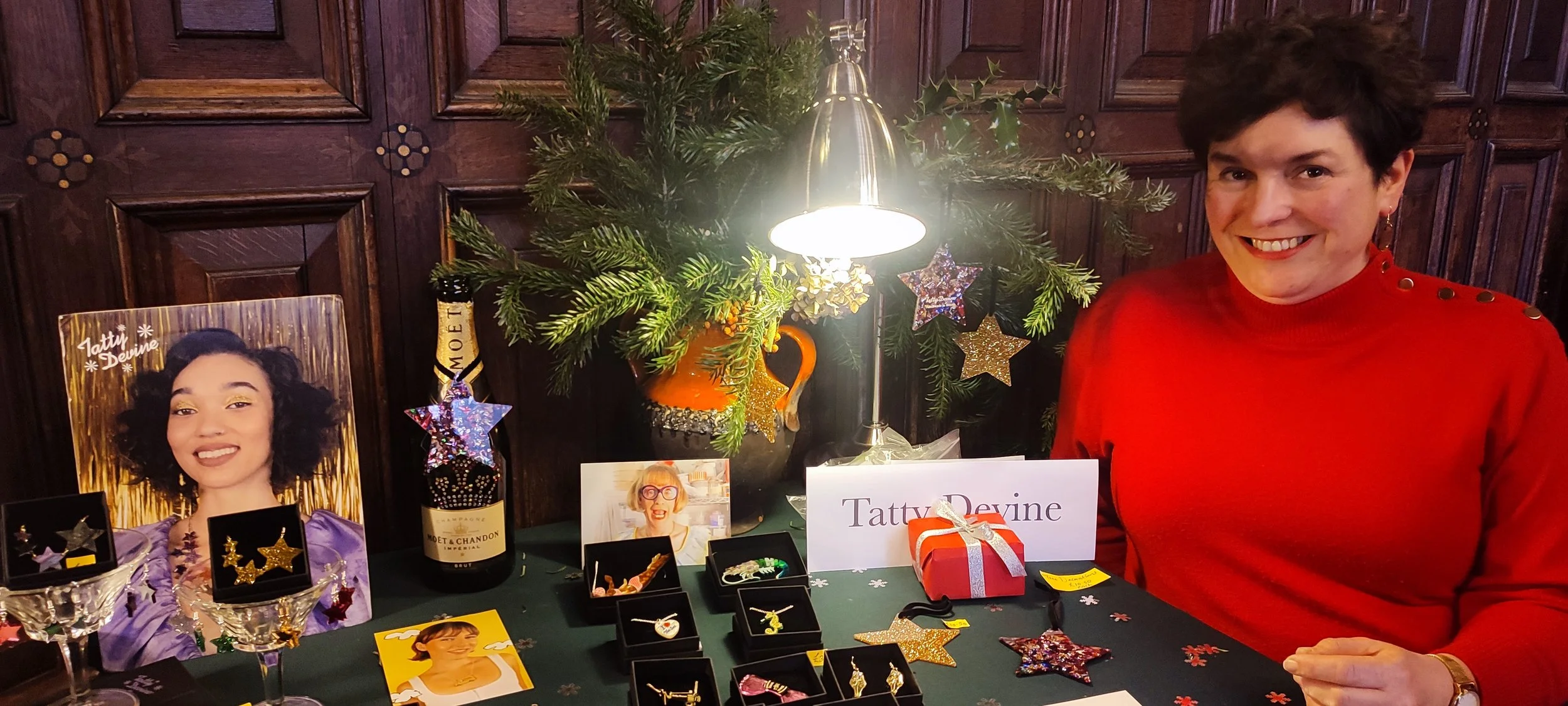
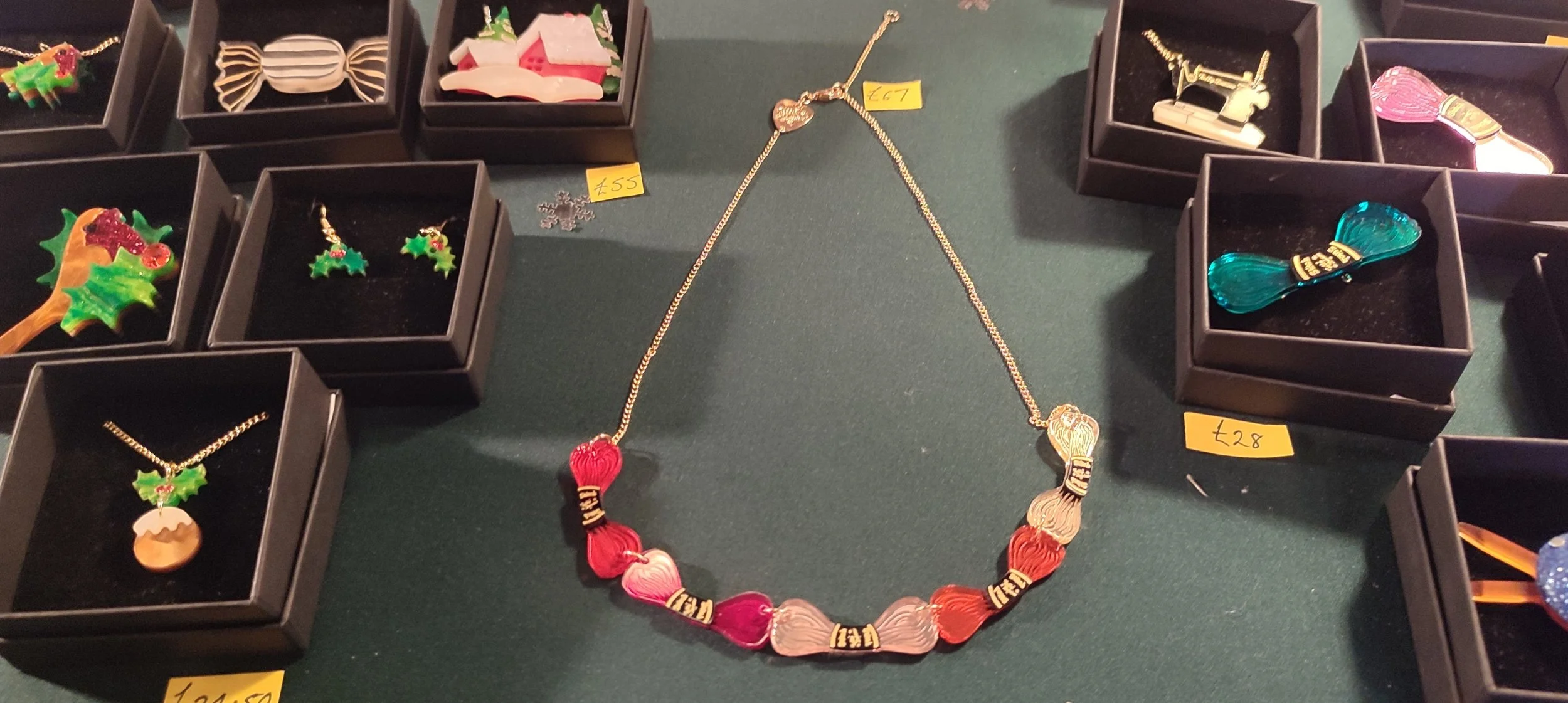
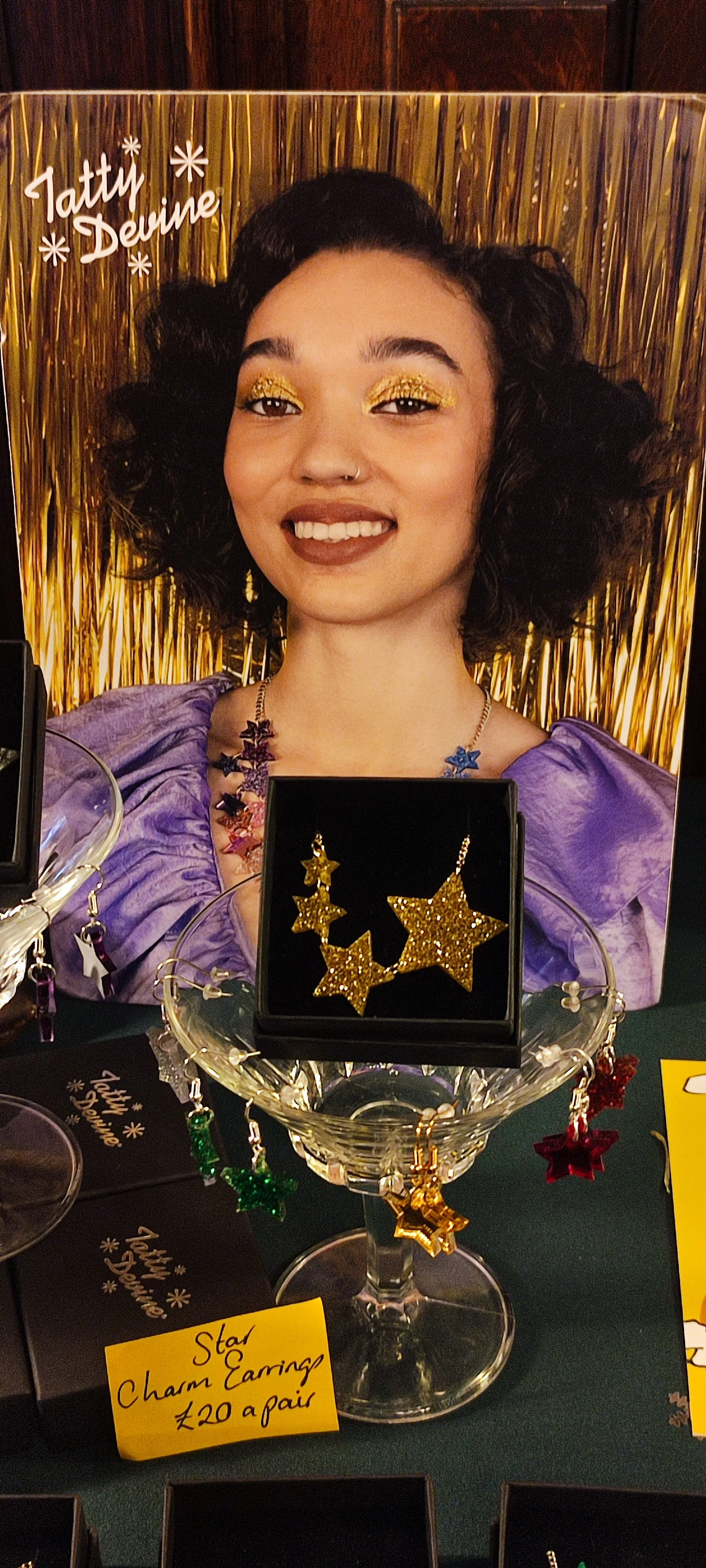
Any Tatty Devine fans out there?
Maybe not Island made but for sure at least partially Island-inspired, their bubbly and engaging co-founder Rosie Wolfenden has now relocated back to the Isle of Wight and has made the offer that any of our clients with a serious interest in this highly original and fun brand who happen to be travelling via London can be shown the complete London collection if we know about it in good time before your visit. Just let us know if this would be something for you!
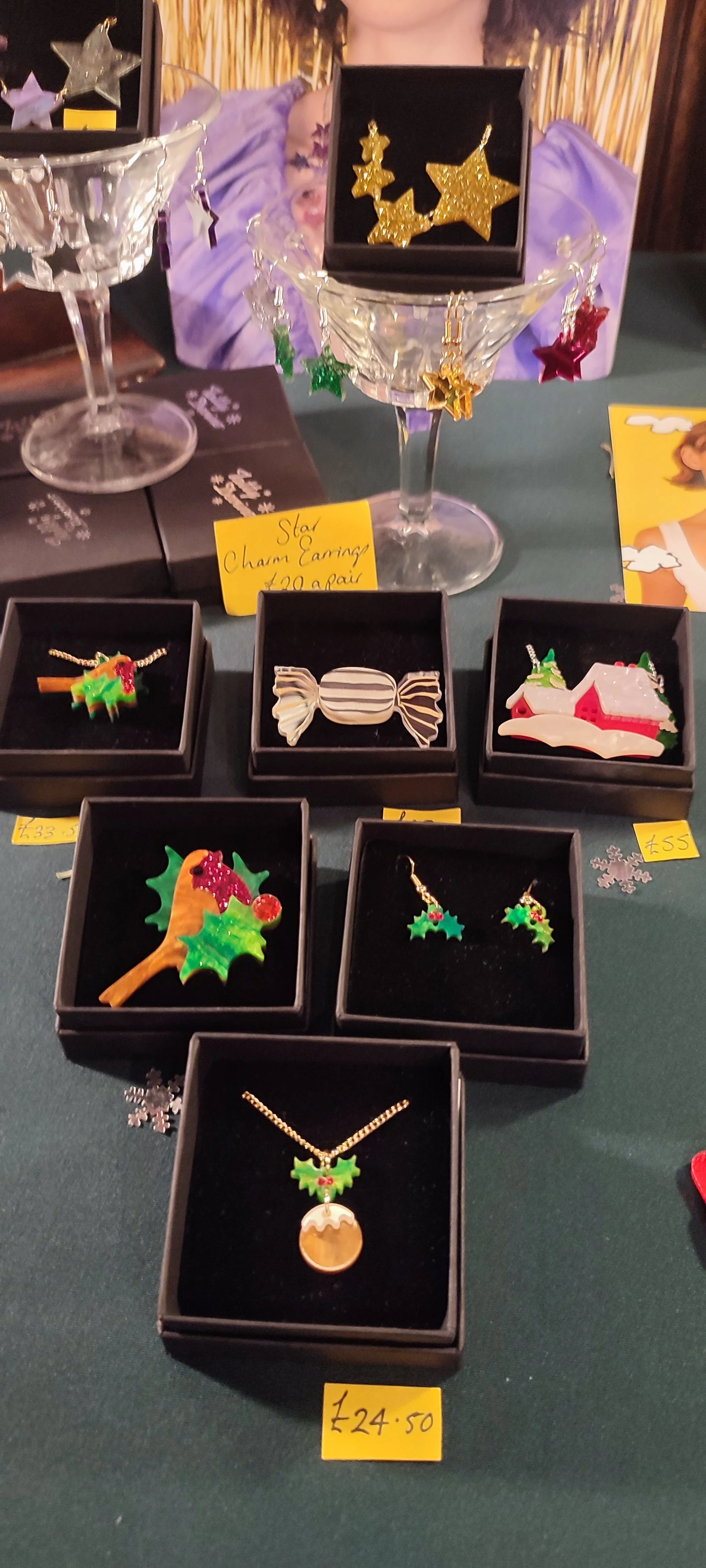
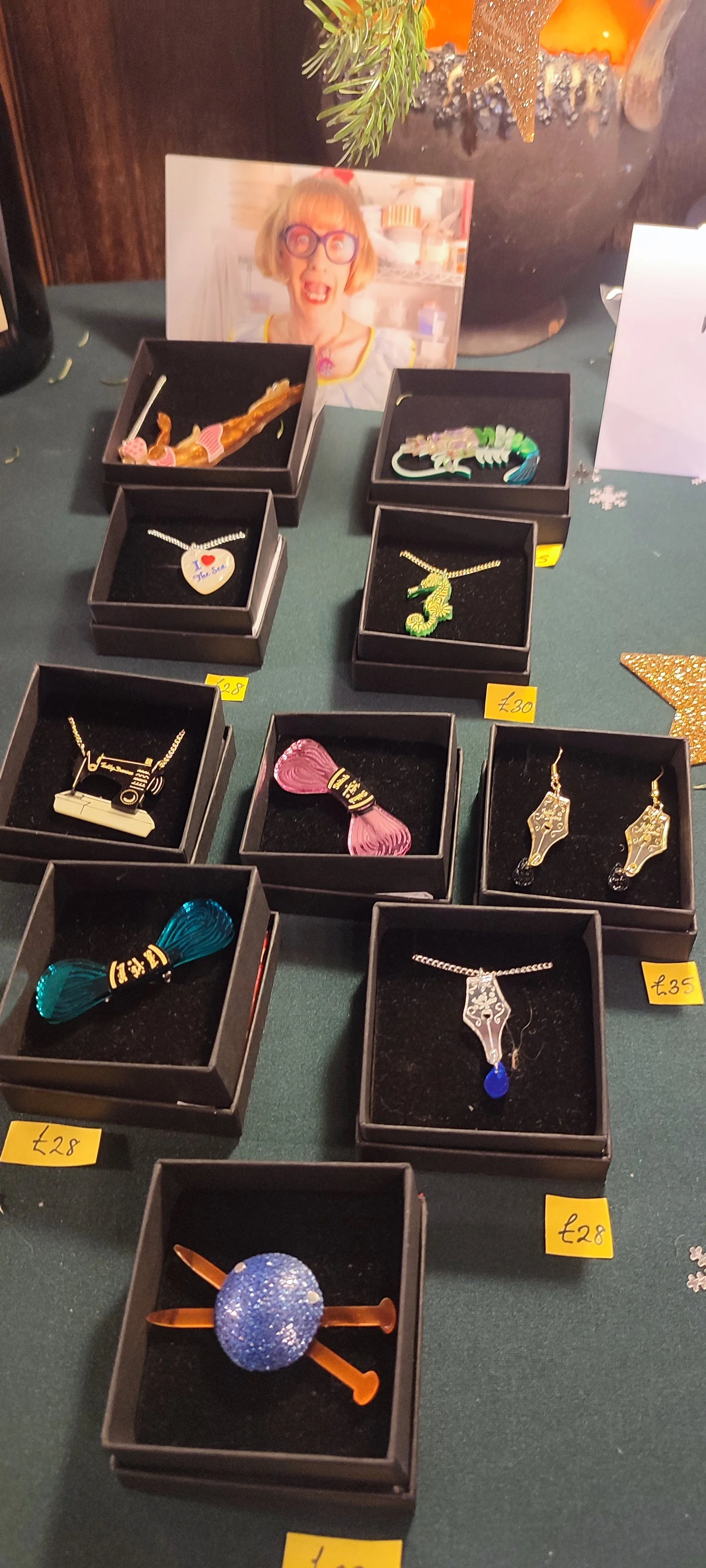
Personalised workshop experience
Fancy having a go at making something yourself?
We have several suggestions that you could choose from. This can be planned specifically for you by an expert ‘creator’ who we will introduce you to, who works in your particular area of interest. Where possible, we will put you in direct contact ahead of time.
These experiences might form just a brief part of your time with us – or your whole stay can be tailored around pursuing these activities – the choice is yours!
We have included a fusion glass and a wood bowl turning workshop here.
Please do let us know if any of the above speaks to you - we will be so delighted to make it happen for you!
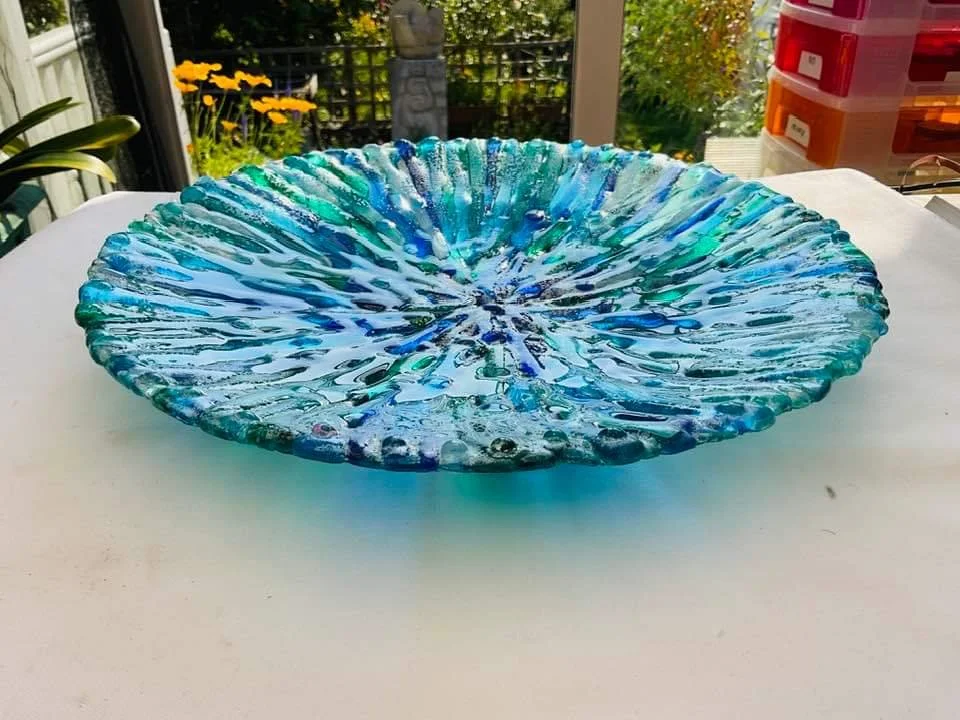
Fusion Glass workshop at Boris Moscoff’s Freshwater studio
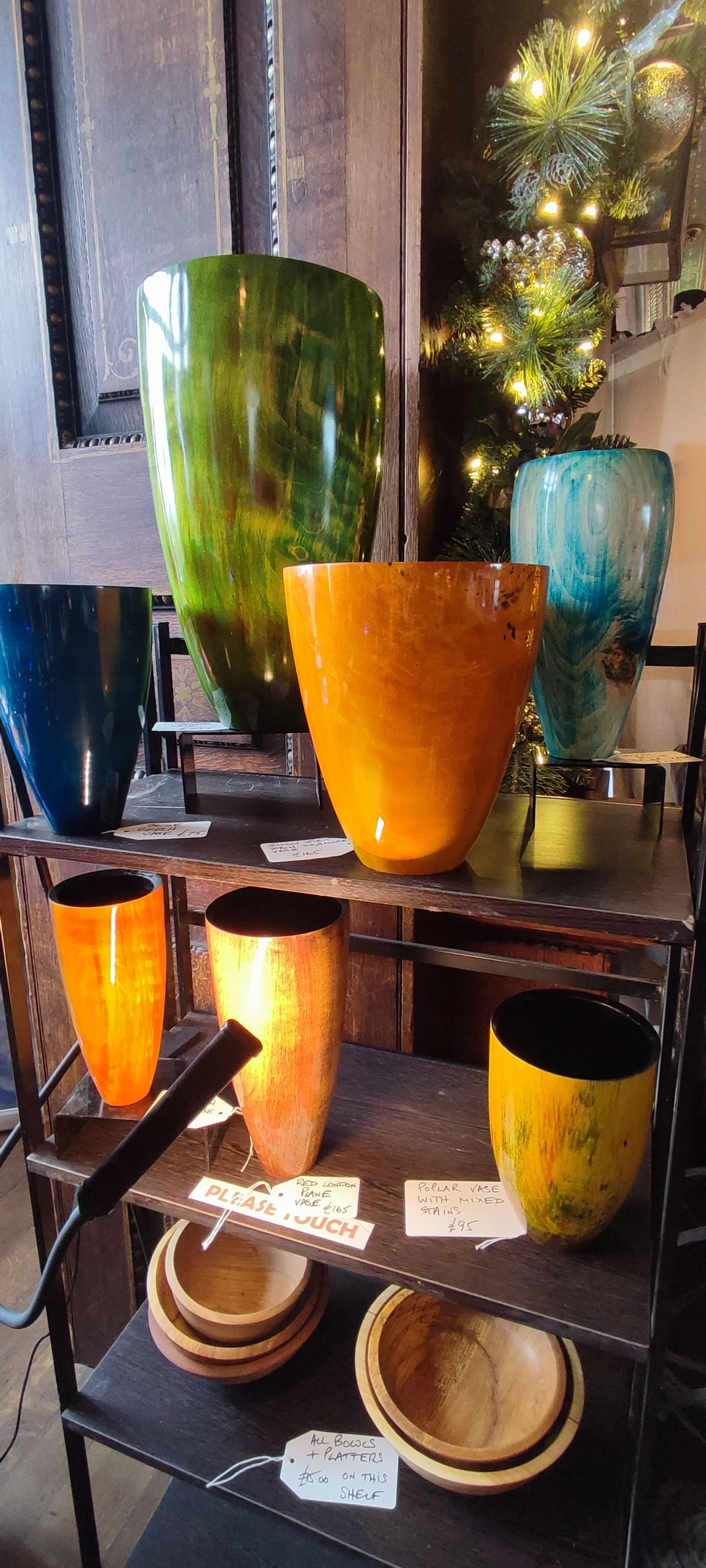
Bowl turning workshop at Andy Fortune’s Sandown studio
Recommendations of where to eat, drink and stay
Regarding Eating and Drinking – it is impossible to make many recommendations here because these sub-sections cover most of the Island.
So why not just leave it at The Garlic Farm Restaurant and Quarr Abbey Tearoom – during the day (not normally open evenings) you really can’t go wrong!
And you can stay at both! The Garlic Farm has holiday cottages and yurts and Quarr Abbey also has a holiday cottage of its own!
Where places, stories and moments come together
If the spirit or the artistry of the Island has captured your imagination, we would be delighted to help you immerse yourself in a truly rounded and personal Isle of Wight experience.
Take a look at our Tours for inspiration, or get in touch to share what has drawn you in — and we will shape the rest together.